10ml EDTA Tubes vs 5ml Tubes:When it comes to blood collection and laboratory testing, choosing the right EDTA tube size is essential for accurate results and efficient workflows. The decision between 10ml EDTA tubes and 5ml EDTA tubes depends on various factors, including the type of test, sample volume requirements, and laboratory protocols. In this blog, we’ll explore the application of EDTA tubes, why tube size matters, and when to use each size. By the end, you’ll have a clear understanding of how to choose the right tube size for your lab.
EDTA Tubes: A Brief Overview
EDTA (Ethylenediaminetetraacetic acid) tubes are widely used in hematology for blood collection. The anticoagulant EDTA prevents blood from clotting by binding calcium ions, ensuring that blood samples remain in their liquid state for testing. These tubes are essential for tests like complete blood counts (CBC), blood typing, and molecular diagnostics.
The application of EDTA tubes spans various medical fields, including clinical diagnostics, research, and pathology. Whether you’re performing routine blood tests or specialized analyses, the choice between 10ml EDTA tubes and 5ml EDTA tubes can significantly impact your results.
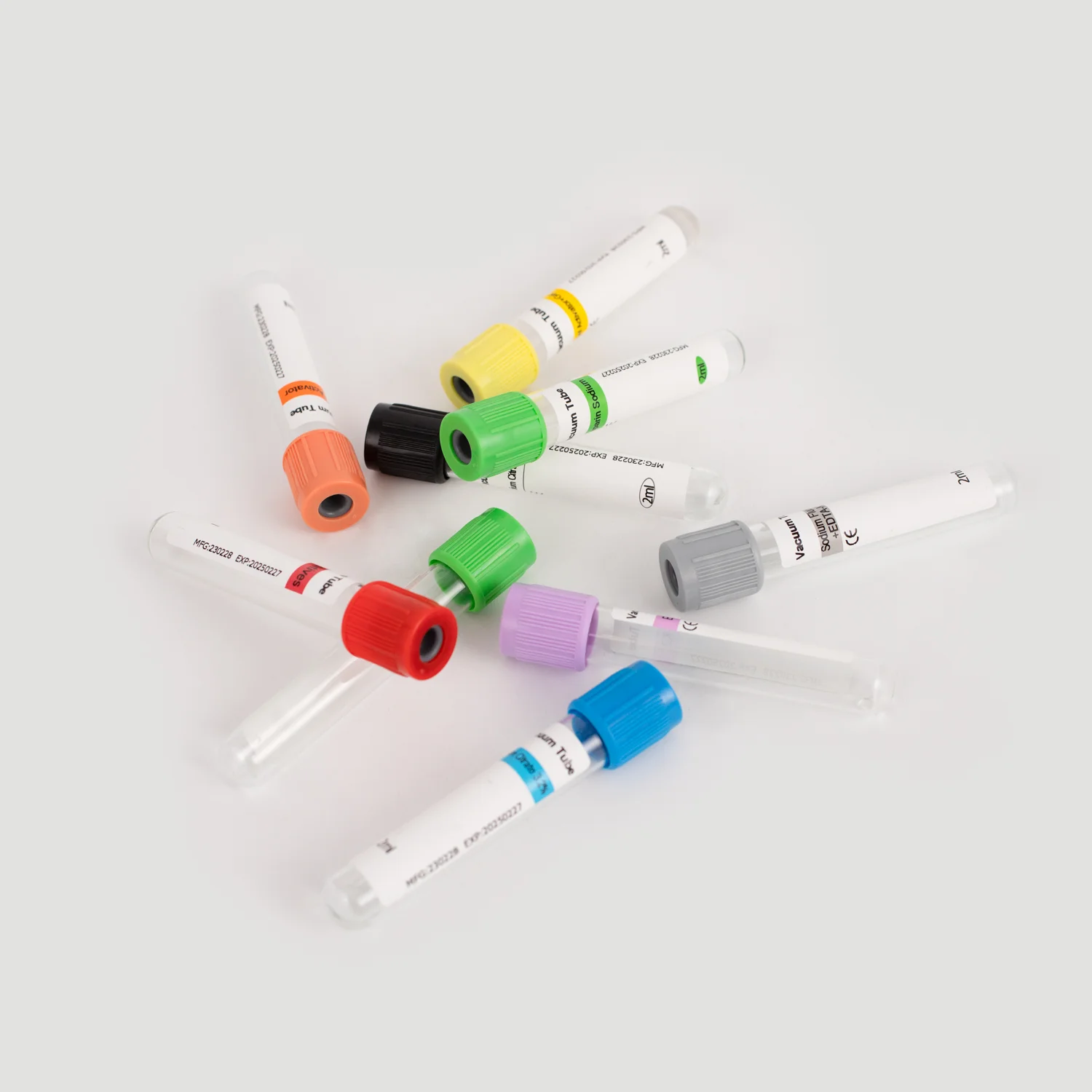
Why Tube Size Matters: Key Considerations
The size of the EDTA tube you choose affects several aspects of your lab work:
- Sample Volume Requirements: Larger tubes like 10ml EDTA tubes are ideal for tests requiring higher blood volumes, while 5ml EDTA tubes are suitable for smaller samples.
- Storage and Handling: Smaller tubes take up less space and are easier to handle, making them convenient for labs with limited storage.
- Cost Efficiency: Larger tubes may reduce the number of tubes needed for high-volume tests, potentially lowering costs.
- Patient Comfort: Smaller tubes are often preferred for pediatric or geriatric patients, as they require less blood draw.
Understanding these factors will help you make an informed decision when selecting tube sizes for your lab.
Applications of 10ml EDTA Tubes
10ml EDTA tubes are designed for tests that require larger blood volumes. Here are some common applications:
- Comprehensive Blood Panels: Tests like CBC with differentials often require more blood to ensure accurate results.
- Research Studies: Large-scale studies may need substantial sample volumes for multiple analyses.
- Molecular Diagnostics: Techniques like PCR and DNA sequencing often require larger samples to extract sufficient genetic material.
- Blood Bank Storage: These tubes are ideal for storing blood samples for future use or transfusion.
For labs handling high-volume tests or needing larger sample sizes, 10ml EDTA tubes are a practical choice. Learn more about their uses here.
Applications of 5ml EDTA Tubes
5ml EDTA tubes are versatile and widely used in various lab settings. Their applications include:
- Routine Hematology Tests: Tests like CBC can be performed with smaller sample volumes.
- Pediatric and Geriatric Care: These tubes are ideal for patients who cannot provide large blood samples.
- Point-of-Care Testing: Smaller tubes are convenient for quick tests performed at the patient’s bedside.
- Small-Scale Research: Studies with limited sample requirements often use 5ml EDTA tubes.
For labs prioritizing efficiency and patient comfort, 5ml EDTA tubes are an excellent option. Explore their benefits here.
When to Use 10ml EDTA Tubes
Choosing 10ml EDTA tubes is appropriate in the following scenarios:
- High-Volume Tests: Tests requiring multiple analyses or large sample volumes.
- Long-Term Storage: Labs needing to store samples for extended periods.
- Complex Diagnostics: Tests like molecular diagnostics that demand substantial sample quantities.
- Blood Bank Operations: Facilities storing blood for transfusions or research.
For more insights into when to use 10ml EDTA tubes, visit this resource.
When to Use 5ml EDTA Tubes
5ml EDTA tubes are suitable for:
- Routine Testing: Standard hematology tests with smaller sample requirements.
- Pediatric and Geriatric Patients: Patients who cannot provide large blood samples.
- Quick Turnaround Tests: Tests needing rapid results with minimal sample volumes.
- Small-Scale Research: Studies with limited sample availability.
Discover more about their applications here.
Choosing the Right Tube Size for Your Lab
Selecting the appropriate EDTA tube size involves evaluating your lab’s specific needs. Consider the following factors:
- Test Requirements: Determine the sample volume needed for your tests.
- Patient Population: Choose smaller tubes for pediatric or geriatric patients.
- Storage Capacity: Ensure your lab has adequate space for larger tubes if needed.
- Cost Considerations: Balance the cost of tubes with your lab’s budget.
For a detailed guide on choosing the right tube size, check out this article.
Comparison of 10ml and 5ml EDTA Tubes
| Feature | 10ml EDTA Tubes | 5ml EDTA Tubes |
|---|---|---|
| Sample Volume | Larger samples | Smaller samples |
| Applications | Comprehensive panels, research | Routine tests, pediatric care |
| Storage | Requires more space | Compact and easy to store |
| Cost Efficiency | Cost-effective for high-volume tests | Economical for routine testing |
| Patient Comfort | Suitable for adults | Ideal for pediatric/geriatric care |
Summary
Choosing between 10ml EDTA tubes and 5ml EDTA tubes depends on your lab’s specific needs, test requirements, and patient population. Larger tubes are ideal for high-volume tests and long-term storage, while smaller tubes offer convenience and efficiency for routine testing and pediatric care. By understanding the application of EDTA tubes and evaluating your lab’s requirements, you can make an informed decision that enhances your workflow and ensures accurate results.
For more information on EDTA tubes and their uses, visit EDTA Tube and explore their product range.
FAQ
What is the primary purpose of EDTA tubes?
EDTA tubes are used for blood collection to prevent clotting, ensuring accurate hematology tests.
Can I use 5ml EDTA tubes for high-volume tests?
No, 5ml EDTA tubes are designed for smaller sample volumes. For high-volume tests, use 10ml EDTA tubes.
Are 10ml EDTA tubes suitable for pediatric patients?
No, 10ml EDTA tubes require larger blood volumes, which may not be suitable for pediatric patients. Use 5ml EDTA tubes instead.
How do I choose the right EDTA tube size for my lab?
Consider factors like test requirements, patient population, storage capacity, and cost efficiency. For a detailed guide, visit this page.
Where can I purchase EDTA tubes?
You can explore a wide range of EDTA tubes at EDTA Tube’s product category.
By following this guide, you can confidently select the right EDTA tube size for your lab’s needs. For further assistance, feel free to contact us.