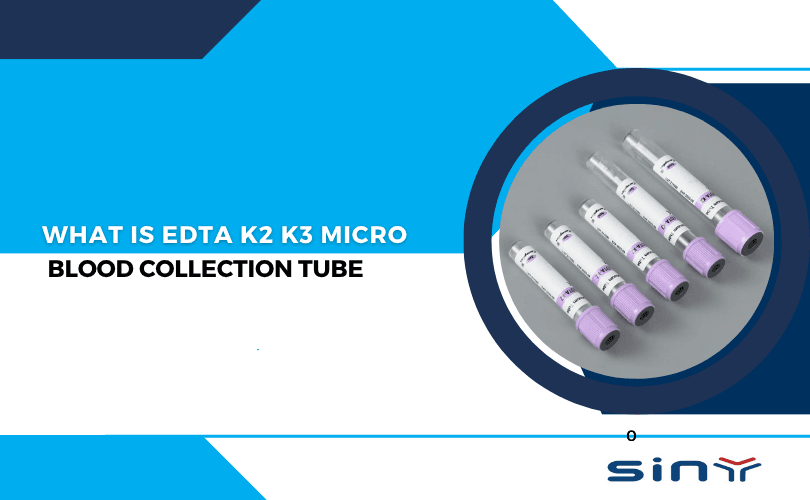
Modern diagnostics, accuracy begins long before laboratory analysis—it starts at the moment of sample collection. A Blood Collection Tube plays a critical role in ensuring that every blood sample remains stable, uncontaminated, and suitable for testing. Among the many types available, EDTA K2 and K3 micro blood collection tubes stand out for their precision, especially when only a small sample volume is available.
These micro tubes are widely used in pediatric care, point-of-care testing, and situations where venous blood collection is difficult. However, many professionals still wonder: what exactly are EDTA K2 and K3 micro tubes, how do they differ, and when should each be used?
This comprehensive guide answers those questions in detail while helping you choose the right Blood Collection Tube for your lab or clinical setting.
The Role of a Blood Collection Tube in Diagnostics
A Blood Collection Tube is more than just a container. It is a carefully engineered medical device designed to preserve blood samples under specific conditions. Each tube contains additives that stabilize certain components of blood, depending on the test required.
For example, hematology tests like the Complete Blood Count rely heavily on EDTA-based tubes because they prevent clotting while preserving cellular structure.
Without the right tube, even the most advanced laboratory equipment cannot produce reliable results. That is why selecting the correct Blood Collection Tube is essential for diagnostic accuracy.
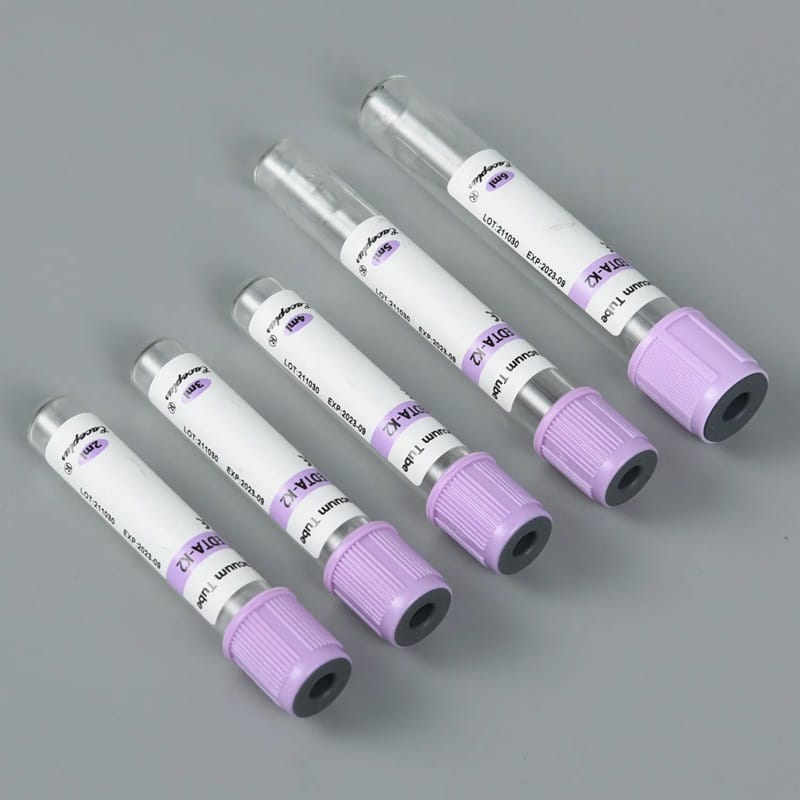
What Is an EDTA K2 K3 Micro Blood Collection Tube?
An EDTA K2 K3 micro Blood Collection Tube is a small-volume tube designed to collect capillary blood samples. It contains EDTA anticoagulant in either K2 (dipotassium) or K3 (tripotassium) form.
These tubes are often used when only a few drops of blood are available, such as in:
- Neonatal testing
- Pediatric diagnostics
- Finger-prick or heel-prick sampling
- Point-of-care environments
Unlike standard vacuum tubes, micro tubes rely on capillary action rather than vacuum pressure to collect blood.
You can explore different variations and product options directly on the EDTATube product category page.
EDTA K2 vs K3 in a Micro Blood Collection Tube
Although both EDTA K2 and K3 serve the same purpose, their chemical forms and performance differ slightly.
EDTA K2 Micro Blood Collection Tube
K2 EDTA is typically spray-dried onto the inner wall of the tube. When blood enters, it mixes quickly and evenly. This ensures consistent anticoagulation without diluting the sample.
Many modern labs prefer K2 because it offers excellent preservation of cell morphology. For more details, visit What Is an EDTA K2 Tube.
EDTA K3 Micro Blood Collection Tube
K3 EDTA is usually present in liquid form. While it also prevents clotting effectively, it may slightly dilute the blood sample. This can influence certain parameters in sensitive hematology tests.
You can read more in this external explanation about EDTA types at sinymedical edta k2 vs edta k3.
Why Micro Blood Collection Tubes Are Important in Modern Healthcare
Healthcare is moving toward minimally invasive procedures. Micro sampling plays a major role in this shift.
A micro Blood Collection Tube allows clinicians to collect sufficient data from a very small volume of blood. This reduces patient discomfort and improves compliance, especially in children.
Studies show that pediatric patients often require up to 60% less blood when micro collection systems are used. This is crucial for neonates, where excessive blood draw can lead to complications.
Key Features of EDTA K2 K3 Micro Blood Collection Tubes
A high-quality micro Blood Collection Tube offers several important features that support accurate diagnostics.
Small Volume Capacity
Most micro tubes hold between 0.25 ml and 1 ml of blood. This makes them ideal for capillary sampling.
Efficient Anticoagulation
Both K2 and K3 EDTA prevent clotting quickly, ensuring that blood cells remain intact for analysis.
Compact Design
Micro tubes are easy to handle and store, making them suitable for clinics, field testing, and mobile healthcare units.
Compatibility with Modern Analyzers
Many hematology analyzers now support micro sample inputs, allowing seamless integration into lab workflows.
Comparison Table: EDTA K2 vs K3 Micro Blood Collection Tube
| Feature | EDTA K2 Tube | EDTA K3 Tube |
|---|---|---|
| Form | Spray-dried | Liquid |
| Sample Dilution | No | Slight |
| Cell Preservation | Excellent | Good |
| Analyzer Compatibility | High | Moderate |
| Preferred Use | Modern labs | Legacy systems |
For a deeper comparison, visit EDTA K2 vs K3 Differences, Uses and Benefits.
Applications of Micro Blood Collection Tubes
Micro Blood Collection Tube systems support a wide range of diagnostic tests.
Complete Blood Count (CBC)
CBC remains one of the most common tests performed worldwide. EDTA micro tubes ensure accurate measurement of red and white blood cells.
Pediatric Testing
Children often require specialized sampling methods. Micro tubes minimize discomfort while still providing reliable data.
Point-of-Care Testing
In remote or emergency settings, micro tubes allow quick sample collection without complex equipment.
Research and Clinical Trials
Small sample volumes are often sufficient for experimental studies, making micro tubes highly valuable.
For more applications, explore EDTA Tube Uses and Test List.
How to Use a Micro Blood Collection Tube Properly
Proper technique ensures that the Blood Collection Tube delivers accurate results.
Start by preparing all materials, including lancets and micro tubes. Clean the puncture site thoroughly. After collecting the sample, allow blood to flow naturally into the tube.
Once filled, gently invert the tube several times. This ensures proper mixing with EDTA. Avoid shaking, as it can damage cells.
For a complete step-by-step guide, visit How to Use an EDTA Tube.
Choosing the Right Blood Collection Tube for Your Lab
Selecting the correct Blood Collection Tube depends on several factors, including test requirements, patient type, and equipment compatibility.
For general hematology, K2 EDTA micro tubes are often the preferred choice. However, some labs may still use K3 tubes depending on their workflow.
If you’re unsure which option suits your needs, consult this guide on How to Choose the Right EDTA Tube for Your Lab.
Mistakes When Using Micro Blood Collection Tubes
Even experienced professionals can encounter issues when handling micro tubes.
One common mistake is insufficient mixing. Without proper inversion, clotting may occur, affecting results. Another issue is overfilling or underfilling the tube, which can alter anticoagulant ratios.
Using expired tubes or improper storage conditions can also compromise sample integrity.
Avoiding these errors ensures that your Blood Collection Tube performs as expected.
Future Trends in Blood Collection Tube Technology
The evolution of the Blood Collection Tube continues as healthcare advances. Manufacturers are focusing on improved materials, better anticoagulant coatings, and enhanced safety features.
Micro collection systems are expected to grow significantly, especially in decentralized healthcare environments. Innovations may include smart tubes that track sample conditions in real time.
To explore upcoming innovations, read Future of EDTA Blood Collection Tubes 2026.
Where to Find Reliable EDTA Blood Collection Tubes
Quality matters when it comes to diagnostic tools. Reliable manufacturers ensure consistency, safety, and compliance with international standards.
You can browse high-quality options on the EDTATube homepage or explore specific products such as the 2ml EDTA K2 Vacuum Tube. For inquiries or custom solutions, visit the contact page.
Summary
The Blood Collection Tube is the foundation of accurate laboratory diagnostics. EDTA K2 and K3 micro tubes take this a step further by enabling reliable testing with minimal blood volume.
They improve patient comfort, reduce sample requirements, and support modern healthcare practices. By choosing the right tube and following proper procedures, laboratories can ensure consistent, high-quality results.
Whether you work in a hospital, clinic, or research facility, understanding micro EDTA tubes will help you optimize both efficiency and accuracy in blood testing.
FAQs
Q. What is a micro Blood Collection Tube used for?
A. A micro Blood Collection Tube is used to collect small volumes of blood, especially in pediatric and capillary testing situations.
Q. Is EDTA K2 better than K3 in a Blood Collection Tube?
A. In most cases, K2 is preferred because it preserves cells better. However, both types of Blood Collection Tube serve important roles.
Q. Can micro Blood Collection Tubes be used for CBC testing?
A. Yes, a micro Blood Collection Tube is commonly used for CBC testing, particularly in pediatric patients.
Q. How much blood is needed in a micro Blood Collection Tube?
A. Most micro Blood Collection Tube systems require less than 1 ml of blood, depending on the test.
Q. Are micro Blood Collection Tubes accurate?
A. Yes, when used correctly, a micro Blood Collection Tube provides reliable and precise results.