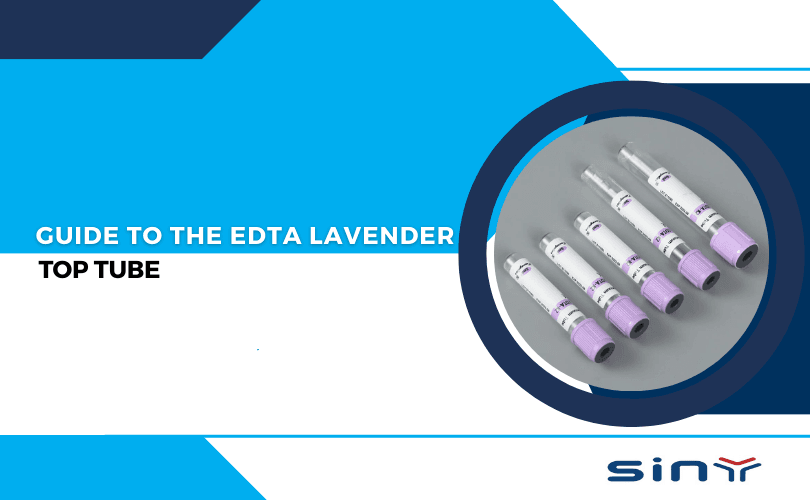
Blood collection is a fundamental step in laboratory diagnostics, and choosing the right EDTA tube can influence test accuracy, patient comfort, and lab efficiency. EDTA tubes are widely used in hematology due to their anticoagulant properties, making them indispensable for Complete Blood Count (CBC) tests and other analyses. In this guide, we will explore the differences between 2ml, 3ml, 4ml, and 5ml EDTA tubes, highlighting their ideal applications and benefits.
EDTA Tubes: An Overview
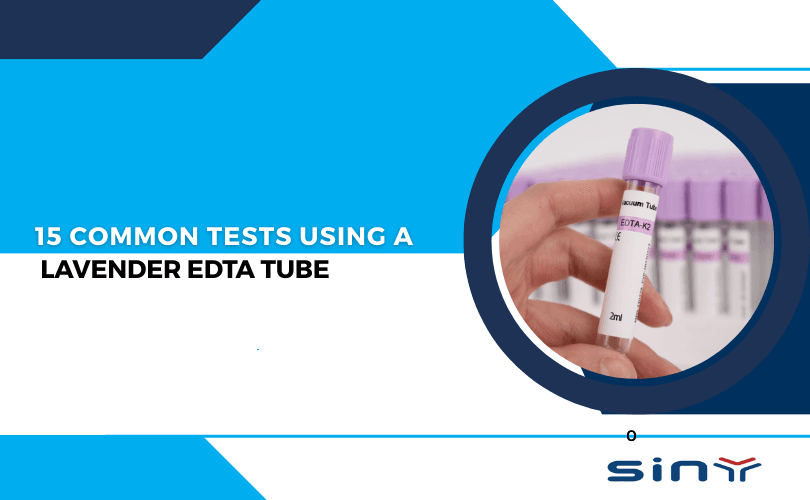
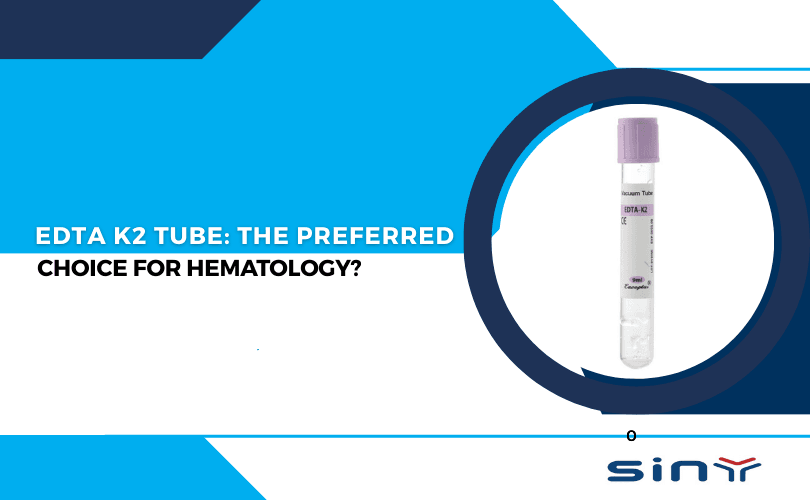
EDTA tubes are blood collection tubes containing Ethylenediaminetetraacetic acid (EDTA), which acts as an anticoagulant by binding calcium in the blood. This prevents clotting and preserves the blood’s cellular components for precise laboratory analysis. EDTA tubes are essential for CBC testing and other hematological procedures.
EDTA tubes are designed in multiple sizes, including 2ml, 3ml, 4ml, and 5ml, each serving specific purposes. They are preferred in laboratories due to their reliability in preserving blood integrity and ease of use during collection.
For a complete overview of EDTA tube types and applications, you can refer to Siny Medical’s guide.
Manufacturing of EDTA Tubes
The production of EDTA tubes involves sterilized plastic or glass tubes filled with powdered or liquid K2 or K3 EDTA. The tubes undergo rigorous quality checks to ensure accurate blood-to-anticoagulant ratios. Variations in tube size, from 2ml to 5ml, are made to accommodate different volumes of blood required for specific tests.
EDTA tubes must meet international standards for hematology testing. Manufacturers ensure that the tubes are free from contamination and that the EDTA is evenly distributed to prevent clot formation. For more details, visit EDTA tube product range.

Understanding the Different EDTA Tube Sizes
Choosing the right tube size ensures accurate test results, minimizes patient discomfort, and reduces laboratory waste. Here’s a detailed breakdown:
2ml EDTA Tubes
2ml EDTA tubes are suitable for pediatric patients, small-volume collections, or when multiple tests are required but only a limited blood volume is available. These tubes are ideal for CBC tests in children or when blood must be drawn from veins with limited capacity.
Advantages:
- Reduced patient discomfort
- Minimal blood volume required
- Cost-effective for small-scale testing
3ml EDTA Tubes
3ml EDTA tubes serve as a standard option for routine CBC and hematology tests in adults. They provide sufficient volume for repeated analyses while maintaining proper anticoagulant ratios.
Benefits:
- Suitable for multiple assays
- Easy handling and storage
- Balanced blood-to-anticoagulant ratio
For guidance on choosing the right size, visit What size EDTA tube should you use?
4ml EDTA Tubes
4ml EDTA tubes are less common but are useful in situations requiring additional blood for extended panels or specialized hematology tests. They maintain the same anticoagulant efficiency as smaller tubes while allowing flexibility in laboratory procedures.
Advantages:
- Ideal for specialized tests
- Supports multiple sample extractions
- Maintains cellular integrity
5ml EDTA Tubes
5ml EDTA tubes are the preferred choice for adult patients in routine and comprehensive testing. These tubes offer sufficient volume for multiple hematology tests without compromising the blood-to-anticoagulant ratio. They are especially effective in hematology testing.
Benefits:
- Ample volume for multiple analyses
- Ensures consistent CBC results
- Preferred in blood banking and diagnostic laboratories
For an in-depth explanation of sizes, check EDTA tube sizes explained.
Comparison Table of EDTA Tube Sizes
| Tube Size | Ideal Use | Blood Volume | Patient Type | Common Tests |
|---|---|---|---|---|
| 2ml | Pediatric, small volume | 1.5-2ml | Children | CBC, Hemoglobin |
| 3ml | Routine adult tests | 2.5-3ml | Adults | CBC, Differential |
| 4ml | Specialized panels | 3.5-4ml | Adults | CBC, Hematology panels |
| 5ml | Comprehensive tests | 4-5ml | Adults | CBC, Multiple assays |
This table summarizes the applications and advantages of each size, helping healthcare professionals choose the right tube for each patient.
Applications of 2ml, 3ml, 4ml, and 5ml EDTA Tubes
EDTA tubes are used extensively in laboratories for multiple purposes:
Complete Blood Count (CBC): These tubes prevent clotting and preserve cellular components, essential for accurate CBC tests. More details can be found at CBC testing with EDTA tubes.
Blood Banking: 5ml EDTA tubes are preferred in blood banking due to their reliability and ability to store larger volumes without compromising sample quality.
Hematology Panels: Specialized hematology testing often requires larger tubes like 4ml and 5ml for extended analyses.
EDTA Tubes Versus Other Blood Collection Tubes
EDTA tubes are preferred for hematology tests due to their anticoagulant properties. Compared to heparin or citrate tubes, EDTA ensures minimal interference with cellular morphology and accurate CBC results. For a detailed comparison, visit EDTA tubes vs other blood collection tubes.
Key Differentiators:
- Prevents clotting effectively
- Maintains cellular morphology
- Provides reliable results for hematology tests
External references for further reading include Siny Medical EDTA tube guide and Wikipedia blood sampling tubes.
Factors Influencing Tube Selection
Several factors determine the choice of EDTA tube size:
Patient Age and Vein Size: Smaller tubes are suitable for pediatric patients or those with fragile veins.
Volume Requirements: The number of tests and the amount of blood needed dictates whether a 2ml, 3ml, 4ml, or 5ml tube is optimal.
Laboratory Workflow: Laboratories with automated analyzers often prefer standard tube sizes like 3ml or 5ml for efficiency.
Anticoagulant Compatibility: EDTA tubes are specifically designed to prevent clotting, which is crucial for accurate hematology results.
Environmental and Storage Considerations
Proper storage of EDTA tubes ensures sample integrity. Tubes should be kept at controlled temperatures and used before expiration. Overfilled or underfilled tubes may alter the blood-to-anticoagulant ratio, leading to inaccurate results.
For additional guidance on storage and handling, see EDTA tube products.
Choosing the Right EDTA Tube for Your Laboratory
Step 1: Identify Test Requirements: Determine whether a routine CBC or a comprehensive hematology panel is needed.
Step 2: Assess Patient Factors: Consider age, vein size, and blood volume requirements.
Step 3: Select Tube Size: Use 2ml for pediatric patients, 3ml for routine adult tests, 4ml for specialized panels, and 5ml for comprehensive testing.
Step 4: Ensure Quality: Source tubes from reputable manufacturers like EDTA Tube for consistent performance.
For expert consultation or inquiries, you can contact EDTA Tube.
Summary
Choosing between 2ml, 3ml, 4ml, and 5ml EDTA tubes depends on patient age, test requirements, and laboratory workflow. 2ml tubes are suitable for pediatric patients, 3ml for routine adult tests, 4ml for specialized panels, and 5ml for comprehensive testing. EDTA tubes ensure accurate results, preserve blood integrity, and enhance laboratory efficiency. By selecting the appropriate size and quality tube from trusted sources like EDTA Tube, healthcare professionals can achieve reliable results, reduce sample wastage, and improve patient comfort.
For more detailed insights, you can also refer to Siny Medical EDTA resources or EDTA tube product pages.
FAQs
Which EDTA tube size is best for adults?
5ml EDTA tubes are generally preferred for routine and comprehensive adult testing.
Are EDTA tubes suitable for children?
Yes, 2ml tubes are ideal for pediatric patients due to smaller blood volume requirements.
Can EDTA tubes be used for other tests besides CBC?
While primarily used for hematology, EDTA tubes can be used for other tests requiring anticoagulated blood, though compatibility should be confirmed.
How should EDTA tubes be stored?
Keep tubes at controlled room temperature, avoid exposure to sunlight, and use them before the expiration date.
Are EDTA tubes better than heparin tubes for hematology?
Yes, EDTA tubes preserve cellular morphology better, making them the preferred choice for CBC and related tests.