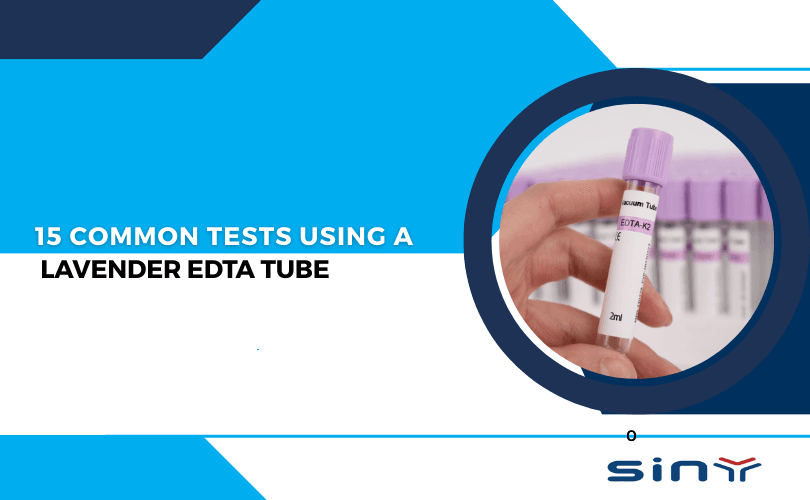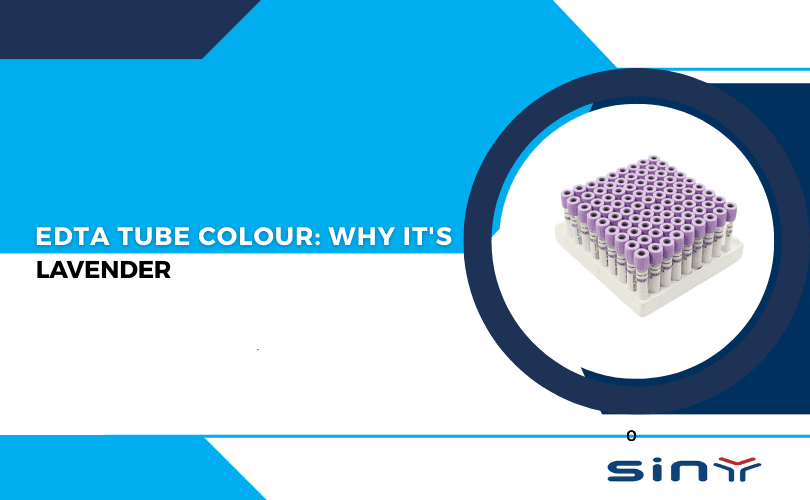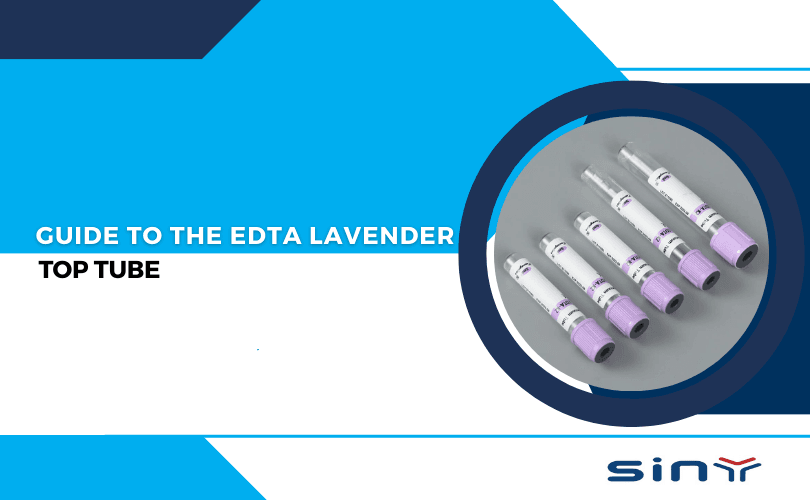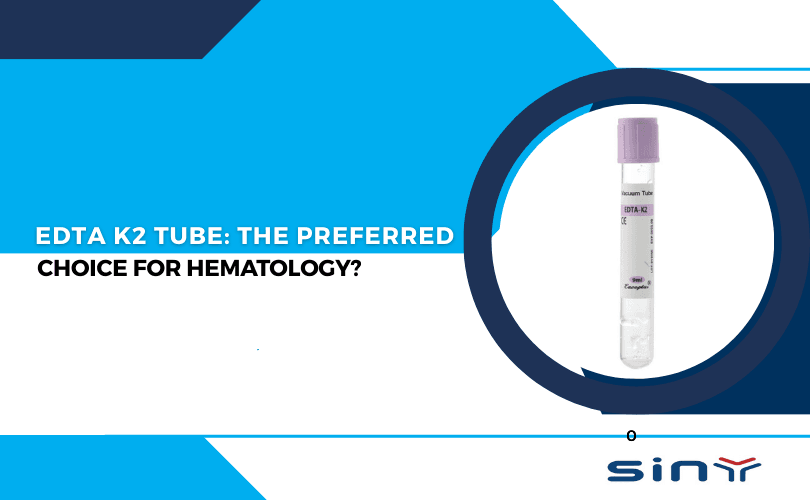
Blood testing remains one of the most important diagnostic tools in modern medicine. From routine health checkups to advanced disease detection, laboratories rely on precise sample collection methods to ensure accurate results. Among the many blood collection tubes available, the EDTA K2 Tube has become the gold standard for hematology testing.
Clinicians and laboratory technicians prefer this tube because it preserves blood cell structure and prevents clotting. These features are essential when analyzing cellular components such as red blood cells, white blood cells, and platelets.
In this article, we explore why the EDTA K2 Tube is widely used in hematology, how it works, and what makes it different from other blood collection tubes.
For laboratories seeking reliable blood collection supplies, the official site for EDTA tube products is available at edtatube
The EDTA K2 Tube
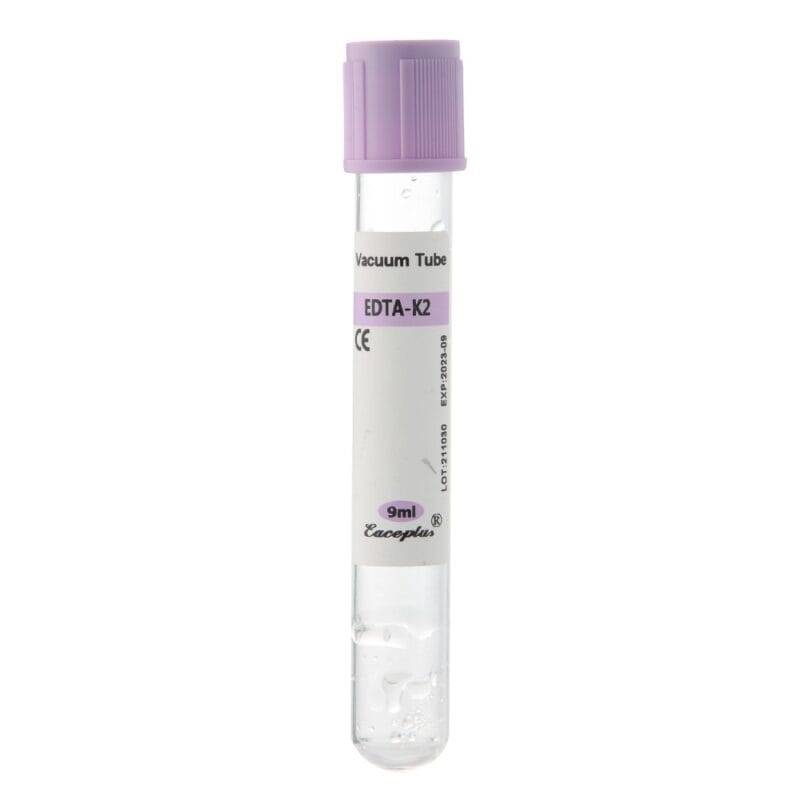
An EDTA K2 Tube is a blood collection tube that contains dipotassium ethylenediaminetetraacetic acid (K2 EDTA). This chemical acts as an anticoagulant by binding calcium ions in the blood.
Calcium is essential for blood clotting. When EDTA binds calcium, it effectively prevents clot formation. As a result, the blood sample remains in its liquid state.
Because of this property, the EDTA K2 Tube is ideal for tests that require intact blood cells, particularly hematology tests such as the
Complete Blood Count.You can learn more about the Complete Blood Count test from this resource: Complete blood count
How EDTA K2 Works as an Anticoagulant
The mechanism behind EDTA is simple but extremely effective.
EDTA molecules bind strongly with calcium ions present in blood plasma. Once calcium is removed from circulation, the biochemical cascade responsible for clot formation cannot begin.
This means:
- Red blood cells remain intact
- White blood cells maintain morphology
- Platelets remain suspended and measurable
Because of this stability, laboratories prefer EDTA K2 Tube samples for automated hematology analyzers.
Why EDTA K2 Tube Is Preferred for Hematology
Several characteristics make the EDTA K2 Tube the first choice in hematology laboratories.
Preserves Blood Cell Morphology
One of the biggest advantages is the preservation of cellular structure. Blood cells collected in EDTA maintain their natural shape longer than in other anticoagulants.
Accurate morphology is critical for diagnosing conditions such as:
- Leukemia
- Anemia
- Platelet disorders
- Infection-related blood abnormalities
Without proper preservation, lab results could become unreliable.
Ideal for Complete Blood Count (CBC)
The Complete Blood Count (CBC) is one of the most frequently ordered medical tests worldwide.
The test measures:
- Red blood cells (RBC)
- White blood cells (WBC)
- Platelets
- Hemoglobin levels
- Hematocrit
Because the EDTA K2 Tube prevents clotting without damaging cells, it provides the best sample quality for CBC analysis.
Minimal Interference With Laboratory Equipment
Modern laboratories use automated analyzers to process thousands of samples daily.
The EDTA K2 Tube offers excellent compatibility with these analyzers because it:
- Prevents clot formation
- Keeps cells evenly suspended
- Minimizes sample degradation
This leads to faster processing and more reliable results.
EDTA K2 vs EDTA K3: Key Differences
Although both EDTA K2 and EDTA K3 tubes are anticoagulants, they are not identical.
| Feature | EDTA K2 Tube | EDTA K3 Tube |
|---|---|---|
| Anticoagulant form | Dipotassium EDTA | Tripotassium EDTA |
| Physical form | Usually spray-dried | Often liquid |
| Effect on cell size | Minimal | May slightly shrink cells |
| Hematology use | Preferred | Less common |
Most laboratories choose EDTA K2 Tube products because the spray-dried additive reduces sample dilution and maintains better cellular integrity. For more information about EDTA tubes and their variations, visit:edta tube
Sizes of EDTA K2 Tubes
Blood collection tubes come in several sizes depending on testing requirements.
Typical volumes include:
| Tube Size | Typical Application |
|---|---|
| 2 ml | Pediatric testing |
| 3 ml | Routine hematology |
| 4 ml | Standard laboratory use |
| 5 ml | Extended blood panels |
| 6 ml | Specialized analysis |
| 10 ml | High-volume testing |
If you want a detailed guide on tube sizes, visit:edta tube sizes explained 2ml 3ml 4ml 5ml 6ml 10.Choosing the correct volume ensures optimal blood-to-anticoagulant ratios.
How to Use an EDTA K2 Tube Correctly
Proper usage ensures reliable laboratory results.
The process usually follows these steps.
First, the healthcare professional collects blood using sterile venipuncture techniques. The blood flows directly into the vacuum tube.
Next, the EDTA K2 Tube must be gently inverted about 8–10 times. This step mixes the anticoagulant with the blood.
Failure to mix properly may lead to micro-clot formation. A complete step-by-step guide is available here:how to use an edta tube
Choosing the Right EDTA Tube for Your Laboratory
Selecting the appropriate tube depends on multiple factors.
Laboratories consider:
- Required sample volume
- Type of hematology analyzer
- Testing workflow
- Patient category (adult or pediatric)
Hospitals often order tubes in bulk for efficiency. For example, large laboratories may purchase 10 ml EDTA K2 tubes in bulk.
More information is available here:10ml edta k2 tubes bulk.You can also explore the full product catalog at:products
EDTA K2 Tube Applications Beyond Hematology
Although hematology is the primary use, the EDTA K2 Tube has additional applications.
It is widely used in:
Molecular Diagnostics
DNA extraction procedures often require EDTA-preserved blood samples because EDTA prevents degradation.
Blood Banking
Blood typing and compatibility testing rely on stable samples.
Infectious Disease Testing
Certain PCR tests require anticoagulated blood samples.
EDTA Tubes and Specialized Additives
Some EDTA tubes include additional compounds for specific diagnostic purposes.
For example, laboratories may use a sodium fluoride EDTA tube when testing blood glucose levels.
Product information can be found here:sodium fluoride edta k2 tube.These specialized tubes allow laboratories to run multiple tests from a single blood draw.
The Future of EDTA Blood Collection Technology
Medical diagnostics continue to evolve rapidly.
Manufacturers are developing improved tube materials, safer additives, and more efficient vacuum systems.
Innovations include:
- Automated labeling systems
- Improved clot prevention technologies
- Eco-friendly plastic materials
You can explore upcoming innovations in EDTA blood collection tubes here:future of edta blood collection tubes 2026
These improvements aim to enhance laboratory efficiency and patient safety.
How Manufacturers Ensure Quality and Safety
Reliable laboratory results depend on high-quality tubes.
Manufacturers must meet strict regulatory standards, including:
- ISO certifications
- Sterility requirements
- Vacuum accuracy testing
- Chemical stability verification
Companies producing EDTA tubes often conduct multiple quality checks before distribution.
Additional manufacturer information can be found at:sinymedical.en.made-in-china. Educational content about laboratory products is also available through the following channel: youtube@sinymedical
Best Practices for EDTA Blood Sample Handling
Even the best collection tube cannot guarantee accuracy if the sample is mishandled.
Laboratories should follow these best practices.
Blood samples should be analyzed within recommended time limits. Excessive delays may cause cell degradation.
Tubes must also be stored at controlled temperatures. Extreme heat or freezing conditions can damage blood components.
Correct labeling is equally important to prevent sample misidentification.
For laboratories looking to improve their collection procedures, guidance is available at:how to select the right edta tube size for your
Why Hospitals Continue to Prefer EDTA K2 Tubes
Healthcare institutions prioritize consistency and reliability in diagnostics.
The EDTA K2 Tube has proven its reliability over decades of clinical use.
Its advantages include:
- Reliable anticoagulation
- Excellent cell preservation
- Compatibility with automated analyzers
- Reduced sample dilution
- High diagnostic accuracy
These features explain why EDTA K2 tubes remain the backbone of hematology laboratories worldwide.
Summary
The EDTA K2 Tube plays a critical role in modern laboratory diagnostics. Its ability to prevent clotting while preserving blood cell structure makes it the preferred choice for hematology testing worldwide.
From routine Complete Blood Count analysis to advanced molecular diagnostics, this specialized blood collection tube ensures reliable, high-quality samples. Healthcare laboratories continue to rely on EDTA K2 tubes because they offer accuracy, stability, and compatibility with automated testing systems. If you want to explore EDTA tube products or learn more about laboratory blood collection solutions, visit the official website here edtatube.For product inquiries or bulk orders, you can also contact the team directly contact us.
FAQs
What is an EDTA K2 Tube used for?
An EDTA K2 Tube is primarily used for hematology testing, especially complete blood count analysis. It prevents clotting and preserves blood cells for accurate laboratory evaluation.
Why is EDTA K2 preferred over other anticoagulants?
The EDTA K2 Tube preserves blood cell structure better than many alternatives. This stability makes it ideal for microscopic analysis and automated hematology testing.
Can EDTA K2 tubes be used for DNA testing?
Yes. Many laboratories use the EDTA K2 Tube for DNA extraction because the anticoagulant prevents cellular degradation and maintains sample integrity.
How should an EDTA K2 Tube be mixed after blood collection?
After blood collection, the EDTA K2 Tube should be gently inverted 8–10 times. This ensures the anticoagulant mixes properly with the blood.
What happens if blood in an EDTA tube clots?
If clotting occurs, the EDTA K2 Tube sample may become unusable for hematology testing. Proper mixing immediately after collection prevents this issue.