Blood collection looks simple from the outside. Yet every experienced phlebotomist knows that tube choice can determine the accuracy of a result. Among all blood collection devices, the EDTA Test Tube plays a critical role in modern diagnostics.
From routine hematology panels to advanced molecular testing, this specialized tube protects blood samples from clotting and preserves cellular integrity. In this comprehensive guide, we explore everything a phlebotomist needs to know about the EDTA Test Tube—its purpose, types, sizes, handling techniques, and best practices.
If you work in a laboratory, hospital, clinic, or diagnostic center, this handbook will help you master the correct use of the EDTA Test Tube for reliable and reproducible results.
What Is an EDTA Test Tube?
An EDTA Test Tube is a blood collection tube coated with Ethylenediaminetetraacetic Acid (EDTA), an anticoagulant that binds calcium ions and prevents blood clotting.
Calcium is essential for the coagulation cascade. When EDTA chelates calcium, the clotting process stops. As a result, whole blood remains in liquid form, making it ideal for hematology testing.
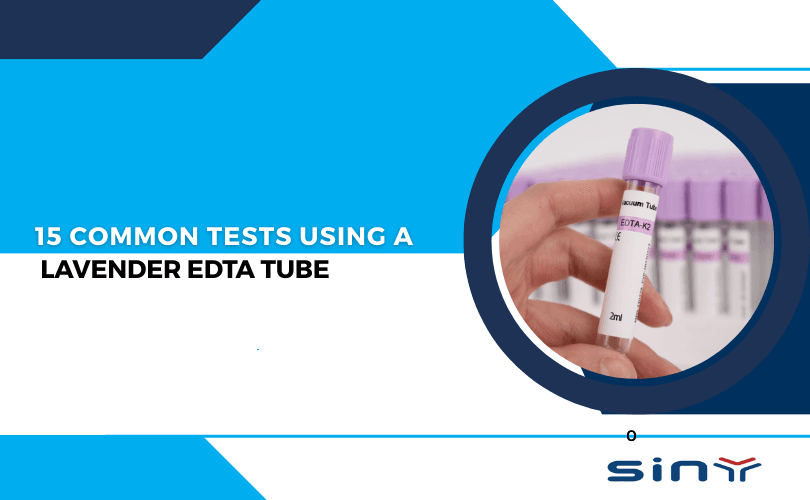
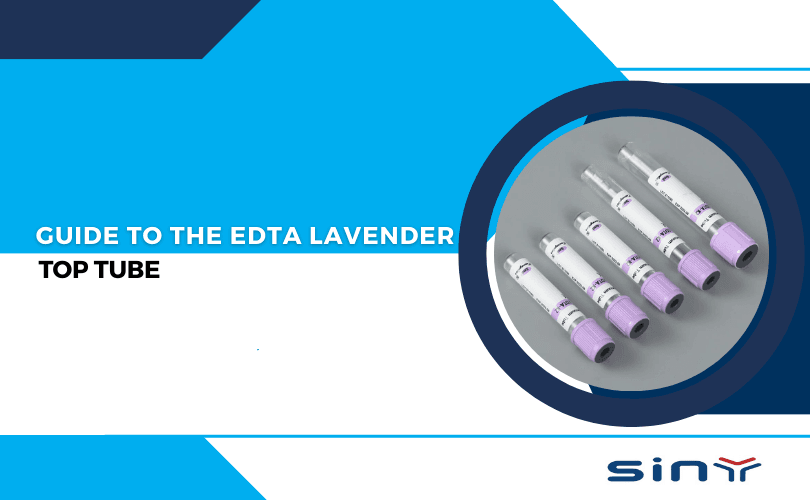
Most EDTA tubes are recognized by their lavender or purple caps. They are primarily used for:
- Complete Blood Count (CBC)
- Peripheral blood smear
- Hemoglobin and hematocrit testing
- Platelet counts
- Blood grouping
- Molecular diagnostics
If you want to explore product specifications and options, the official EDTA Tube product category provides a detailed overview of available models.

Why the EDTA Test Tube Is Essential in Hematology
The EDTA Test Tube is considered the gold standard for hematology testing. According to the widely referenced description of a Complete Blood Count on Wikipedia, a CBC measures red blood cells, white blood cells, hemoglobin, hematocrit, and platelets—parameters that require intact cellular morphology.
EDTA preserves:
- Red blood cell shape
- White blood cell structure
- Platelet integrity
Unlike other anticoagulants, EDTA minimizes platelet clumping and cellular distortion when used properly.
In fact, over 70% of routine laboratory tests worldwide involve hematology analysis. That statistic alone highlights how central the EDTA Test Tube is to daily diagnostic operations.
For deeper insight into CBC applications, you can read the detailed guide on CBC testing with EDTA tubes.
Types of EDTA Test Tubes: K2 vs K3
Not all EDTA tubes are identical. Understanding the difference between K2 and K3 EDTA ensures optimal test accuracy.
K2 EDTA Test Tube
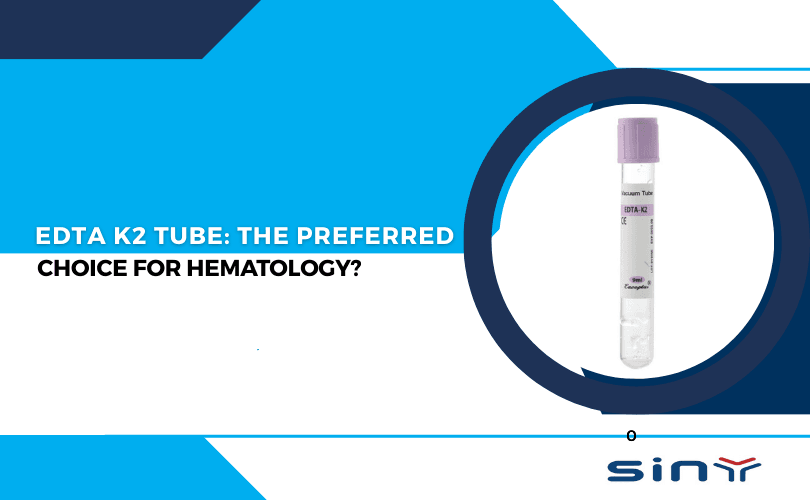
K2 EDTA is typically spray-dried onto the tube walls. This form reduces dilution effects because it does not add extra liquid volume.
Advantages:
- Minimal impact on hematocrit values
- Better preservation of cell morphology
- Reduced dilution error
Many laboratories prefer the K2 EDTA Test Tube for automated hematology analyzers.
K3 EDTA Test Tube
K3 EDTA is often available in liquid form. While effective, it can slightly dilute the blood sample.
It remains suitable for routine testing but may cause marginal changes in cell volume measurements.
For international supplier specifications, you may review technical references such as this detailed guide from Siny Medical.
EDTA Test Tube Sizes and Volume Selection
Choosing the right size EDTA Test Tube directly affects test performance.
Common sizes include:
| Tube Size | Common Use Case |
|---|---|
| 2ml | Pediatric sampling |
| 3ml | Standard CBC |
| 4ml | Routine hematology panels |
| 5ml | Extended testing |
| 6ml | Molecular diagnostics |
| 10ml | High-volume testing |
If you are unsure which size fits your clinical setting, read this helpful resource on EDTA tube sizes explained.
For example, the popular 3ml Lavender Top EDTA Tubes are widely used in outpatient labs because they balance volume and convenience.
Phlebotomists must also consider patient type. Pediatric patients require smaller volumes. Adult patients undergoing multiple tests may require larger tubes.
How to Properly Use an EDTA Test Tube
Using an EDTA Test Tube correctly ensures reliable results.
Step 1: Correct Order of Draw
Follow the CLSI order of draw to prevent additive contamination. EDTA tubes are typically drawn after serum tubes but before glycolytic inhibitor tubes.
Step 2: Fill to Recommended Volume
Underfilling an EDTA Test Tube alters the blood-to-anticoagulant ratio. Overfilling may cause clotting.
Always check the vacuum capacity before venipuncture.
Step 3: Immediate Gentle Mixing
Invert the EDTA Test Tube gently 8–10 times. Do not shake vigorously. Excessive force causes hemolysis.
For a step-by-step procedural explanation, consult this guide on how to use an EDTA tube.
Errors When Handling an EDTA Test Tube
Even experienced professionals can make mistakes.
Frequent issues include:
Improper mixing
Delayed processing
Expired tubes
Incorrect storage temperature
Hemolysis is a common pre-analytical error. It can distort potassium levels and interfere with diagnostic interpretation.
Another frequent problem involves platelet clumping. When the EDTA Test Tube is not inverted properly, platelets aggregate, resulting in falsely low platelet counts.
Storage and Stability of EDTA Samples
A properly handled EDTA Test Tube sample remains stable for:
- 4–6 hours at room temperature for CBC
- Up to 24 hours when refrigerated (2–8°C)
However, prolonged storage may alter Mean Corpuscular Volume (MCV).
Always label tubes immediately and transport them upright to prevent leakage or cross-contamination.
Comparing EDTA Test Tube with Other Anticoagulant Tubes
Understanding alternatives improves clinical judgment.
| Tube Type | Anticoagulant | Primary Use |
|---|---|---|
| EDTA Test Tube | EDTA | Hematology |
| Blue Top | Sodium Citrate | Coagulation |
| Green Top | Heparin | Chemistry |
| Gray Top | Fluoride | Glucose testing |
The EDTA Test Tube excels in cellular preservation, while sodium citrate supports coagulation studies.
Quality Standards and Manufacturing
High-quality EDTA tubes must meet ISO and CE standards.
Reputable manufacturers focus on:
- Uniform coating
- Sterility assurance
- Vacuum accuracy
- Leak-proof sealing
To explore quality-focused options, visit the official homepage at EDTATube.
Global manufacturing insights are also available through verified suppliers such as Made-in-China medical listings.
The Future of EDTA Test Tube Technology
The laboratory industry evolves rapidly. Automation and molecular diagnostics demand precision-engineered tubes.
Emerging innovations include:
Improved spray-drying techniques
Enhanced vacuum consistency
Eco-friendly materials
Barcode integration
To understand upcoming trends, read about the future of EDTA blood collection tubes 2026.
Digital traceability and contamination control will define the next decade of EDTA Test Tube production.
Summary
The EDTA Test Tube remains a cornerstone of modern hematology testing. It preserves cellular morphology, prevents clotting, and supports reliable diagnostic outcomes.
From selecting the correct tube size to mastering inversion technique, attention to detail makes a measurable difference. As laboratory technology evolves, high-quality EDTA tubes will continue to support accurate and efficient blood analysis worldwide. For product guidance or inquiries, visit the official Contact Us page. Master the EDTA Test Tube, and you master the foundation of hematology accuracy.
FAQs
Why is the EDTA Test Tube preferred for CBC tests?
The EDTA Test Tube prevents clotting by binding calcium, preserving blood cell structure for accurate Complete Blood Count analysis.
Can I use an EDTA Test Tube for coagulation testing?
No. The EDTA Test Tube interferes with clotting factors. Sodium citrate tubes are used for coagulation studies.
How many times should I invert an EDTA Test Tube?
You should gently invert the EDTA Test Tube 8–10 times immediately after collection to ensure proper mixing.
What happens if an EDTA Test Tube is underfilled?
An underfilled EDTA Test Tube disrupts the anticoagulant ratio and may cause inaccurate hematology results.
Are K2 and K3 EDTA Test Tubes interchangeable?
While both prevent clotting, the K2 EDTA Test Tube typically produces more stable hematology results due to reduced dilution.