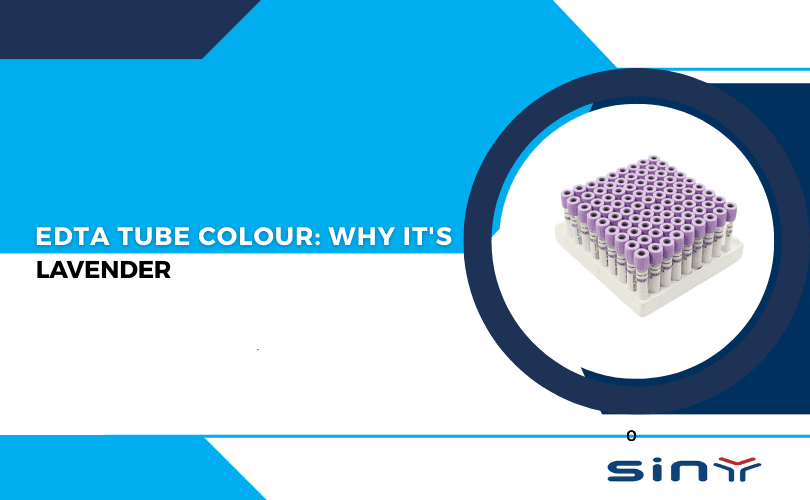
Blood collection tubes look simple, but their design follows strict medical standards. Each color on a laboratory tube has a purpose, and misunderstanding them can affect diagnostic results. Among these tubes, one of the most widely used is the lavender-top tube, known for its use in hematology testing.
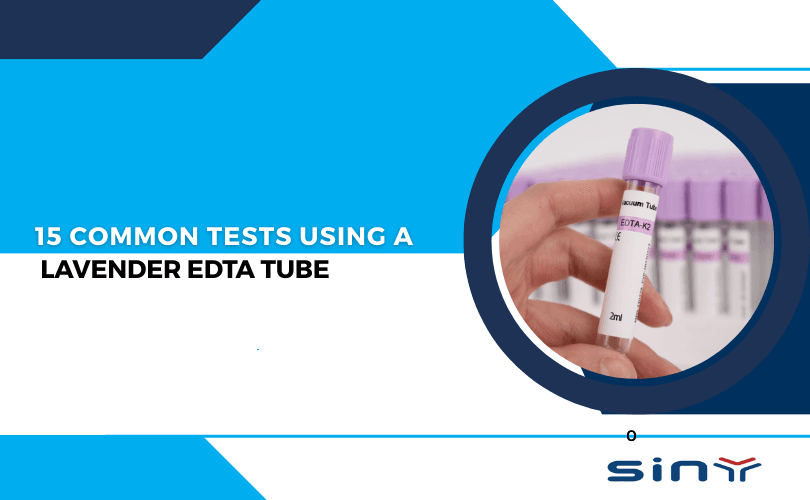
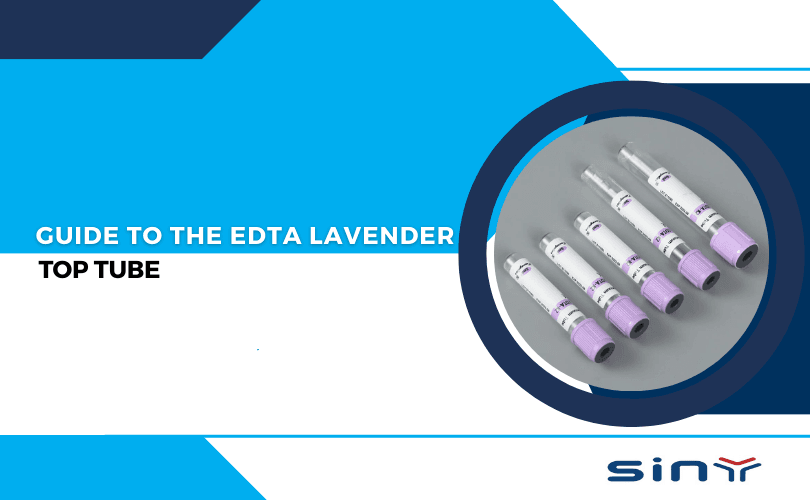
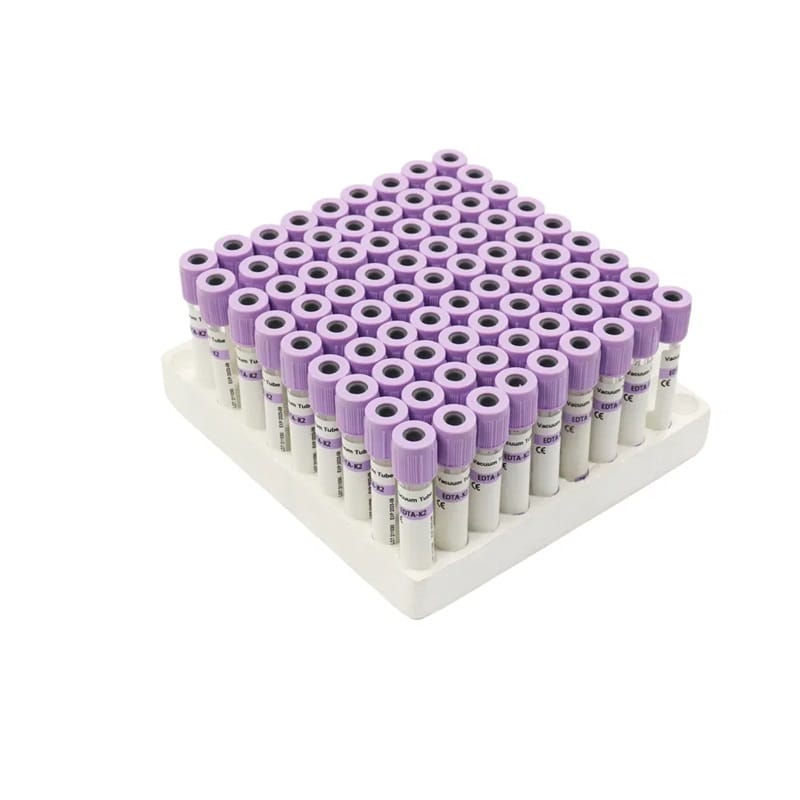
The EDTA Tube Colour is lavender (or purple), and this color instantly tells laboratory professionals that the tube contains EDTA anticoagulant. But why lavender? Why not red, blue, or green?
Understanding the EDTA Tube Colour helps laboratory technicians, students, and healthcare workers handle blood samples correctly and avoid diagnostic errors. This guide explains the science, history, and laboratory logic behind the lavender top.
If you want to explore different tube types and applications, the official EDTA Tube resource hub provides detailed guides for laboratories and healthcare professionals.
What Is an EDTA Tube?
An EDTA tube is a blood collection tube that contains Ethylenediaminetetraacetic Acid (EDTA), a powerful anticoagulant. It prevents blood from clotting by binding calcium ions, which are necessary for clot formation.
Without anticoagulants like EDTA, blood samples would clot quickly after collection, making them unsuitable for many laboratory tests.
The EDTA Tube Colour serves as a quick visual indicator so laboratory professionals immediately recognize the tube’s purpose.
These tubes are primarily used for hematology testing, including the widely performed Complete Blood Count (CBC) test. According to the medical overview of a Complete blood count, CBC is one of the most commonly ordered laboratory tests worldwide, helping doctors evaluate infection, anemia, and other blood disorders.
Because CBC testing requires intact blood cells, EDTA is the preferred anticoagulant.
Why the EDTA Tube Colour Is Lavender
The EDTA Tube Colour was standardized internationally so laboratories could quickly identify the anticoagulant inside the tube.
Lavender (or purple) was selected for several practical reasons.
Clear Visual Identification
Laboratories process hundreds or even thousands of samples every day. Color coding prevents errors.
When technicians see the EDTA Tube Colour, they immediately know:
- The tube contains EDTA anticoagulant
- It is intended for hematology testing
- Blood cells will remain preserved
This quick recognition reduces laboratory mistakes.
Avoiding Cross-Test Contamination
Different tests require different additives. For example:
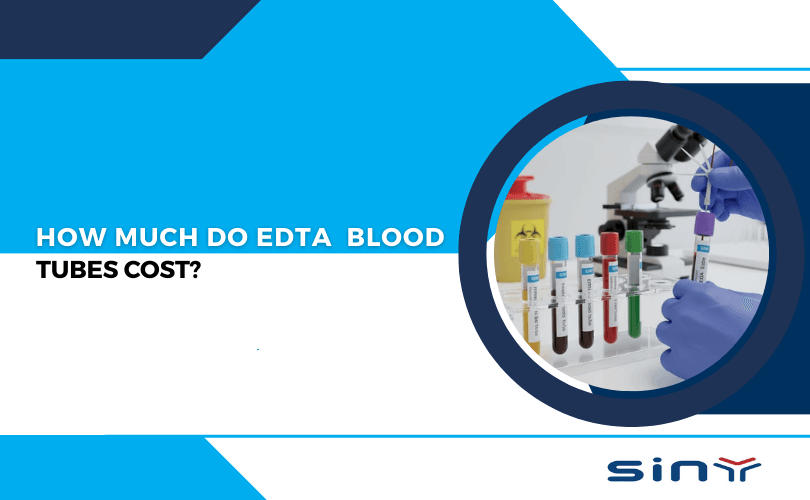
| Tube Color | Additive | Main Use |
|---|---|---|
| Red | No additive | Serum tests |
| Light Blue | Sodium citrate | Coagulation tests |
| Green | Heparin | Plasma chemistry |
| Lavender | EDTA | Hematology tests |
If a technician accidentally used the wrong tube, the test results could become inaccurate.
The EDTA Tube Colour prevents that mistake.
Standardization Across Global Laboratories
International laboratory standards ensure that a technician in one country recognizes the same tube color as someone in another.
Manufacturers such as Siny Medical follow standardized color coding so laboratories worldwide can rely on consistent identification.
How EDTA Works Inside the Tube
To understand the importance of the EDTA Tube Colour, we need to examine the chemistry inside the tube.
EDTA is a chelating agent. It binds calcium ions in the blood.
Calcium is essential for blood clotting. Once EDTA removes calcium from circulation, the clotting cascade stops.
This process keeps blood cells suspended in plasma without clotting.
The benefits include:
- Preserving cell shape
- Preventing platelet aggregation
- Maintaining accurate blood counts
Because of these properties, EDTA tubes are ideal for analyzing red blood cells, white blood cells, and platelets.
Types of EDTA Tubes Used in Laboratories
Not all EDTA tubes are identical. Laboratories can choose different types depending on their testing requirements.
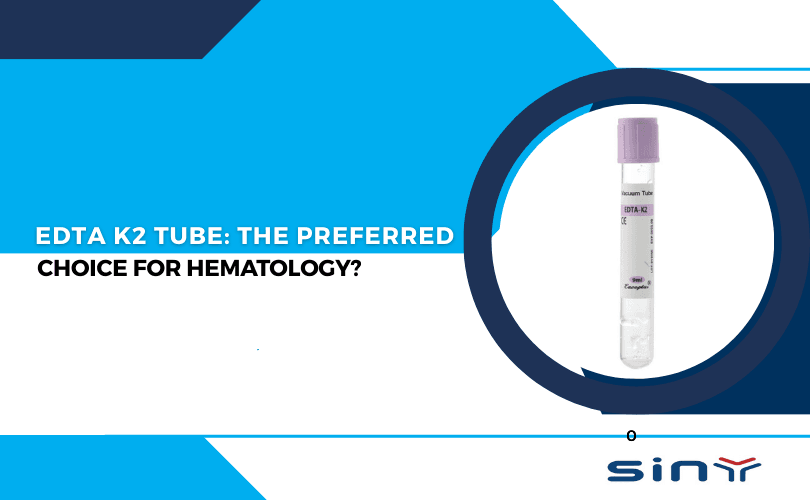
K2 EDTA Tubes
K2 EDTA is commonly spray-dried on the tube wall.
Advantages include:
- Minimal dilution of blood samples
- Stable hematology results
- Compatible with automated analyzers
K3 EDTA Tubes
K3 EDTA is usually liquid.
Although effective, it slightly dilutes the blood sample.
Many modern laboratories prefer K2 EDTA for accuracy.
For an in-depth comparison of tube types, you can explore the detailed guide on how to choose the right EDTA tube for your lab.
Tests That Use Lavender EDTA Tubes
The EDTA Tube Colour is strongly associated with hematology testing.
These tests require preserved blood cells.
Complete Blood Count (CBC)
CBC measures several blood parameters:
- Red blood cell count
- White blood cell count
- Hemoglobin levels
- Platelet count
Because EDTA preserves cell morphology, it ensures accurate CBC results.
Blood Smear Examination
Microscopic examination of blood cells requires intact cell structure.
EDTA prevents clotting while maintaining cell shape.
Hemoglobin Testing
Hemoglobin measurements also rely on EDTA-treated samples.
Why EDTA Is Preferred Over Other Anticoagulants
Many anticoagulants exist in laboratory medicine.
However, EDTA remains the gold standard for hematology.
The reasons include:
Better Cell Preservation
EDTA preserves cellular components better than heparin or citrate.
Minimal Cell Distortion
Blood cells retain their natural size and shape.
Accurate Platelet Counts
Platelets remain separated rather than clumping together.
These factors explain why the EDTA Tube Colour remains critical in diagnostic testing.
EDTA Tube Sizes Used in Laboratories
Laboratories use different tube volumes depending on testing requirements.
Common EDTA tube sizes include:
| Tube Size | Typical Use |
|---|---|
| 2 ml | Pediatric blood collection |
| 3 ml | Routine hematology |
| 4 ml | Standard CBC testing |
| 5 ml | Multiple hematology tests |
| 6 ml | High-volume analysis |
| 10 ml | Research or specialized labs |
Choosing the correct tube size ensures the proper blood-to-anticoagulant ratio.
If you’re unsure which tube size is appropriate, consult the guide on EDTA tube sizes explained.
How to Use an EDTA Tube Correctly
Using the correct EDTA Tube Colour is only part of proper blood collection.
Correct handling is equally important.
The typical process includes:
- Perform venipuncture using sterile equipment
- Collect blood directly into the EDTA tube
- Fill the tube to the recommended volume
- Gently invert the tube 8–10 times
This gentle mixing distributes EDTA evenly throughout the sample.
For a complete step-by-step tutorial, see the guide on how to use an EDTA tube.
Order of Blood Draw and Why EDTA Tubes Come Later
Medical professionals follow a strict order of draw during blood collection.
This prevents additive contamination between tubes.
The standard order generally follows:
- Blood culture tubes
- Citrate tubes (blue)
- Serum tubes (red or gold)
- Heparin tubes (green)
- EDTA tubes (lavender)
- Fluoride tubes (gray)
The EDTA Tube Colour indicates that these tubes should be collected after serum and heparin tubes.
If EDTA contaminates other tubes, it may alter laboratory results.
Quality Standards in EDTA Tube Manufacturing
Manufacturing blood collection tubes requires strict medical standards.
Key quality factors include:
- Sterile production environments
- Accurate anticoagulant concentration
- Vacuum precision
- Durable tube materials
Manufacturers listed on global medical marketplaces such as Made-in-China medical suppliers follow international regulatory standards to ensure reliability.
Educational demonstrations and laboratory insights are also shared through industry channels like Siny Medical’s YouTube channel.
Choosing the Right EDTA Tube for Your Laboratory
Laboratories must consider several factors before selecting tubes.
These include:
- Tube material (glass vs plastic)
- Additive type (K2 or K3 EDTA)
- Tube size
- Compatibility with analyzers
Laboratory managers can explore available options in the EDTA tube product category or browse the full product catalog for specifications.
Selecting the correct tube reduces laboratory errors and ensures consistent results.
The Future of EDTA Blood Collection Tubes
Medical technology continues to evolve.
Innovations in blood collection tubes include:
- Improved vacuum stability
- Advanced plastic polymers
- Automation-friendly designs
- Eco-friendly manufacturing
Industry experts discuss upcoming trends in the article on the future of EDTA blood collection tubes.
Despite new technologies, the EDTA Tube Colour will likely remain lavender because laboratories rely heavily on established color standards.
Summary
The EDTA Tube Colour is lavender because global laboratory standards use color coding to identify tube additives quickly and accurately.
EDTA acts as a powerful anticoagulant by binding calcium and preventing blood clotting. This property makes it essential for hematology testing such as CBC, platelet counts, and blood smear analysis.
The lavender top allows laboratory technicians to instantly recognize the tube’s purpose and avoid diagnostic errors. With standardized manufacturing, multiple tube sizes, and continued innovation, EDTA tubes remain a fundamental tool in modern medical diagnostics.
Laboratories seeking high-quality products or technical guidance can explore resources available at EDTA Tube or contact experts through the official contact page.
FAQs
Why is the EDTA tube colour lavender?
The EDTA Tube Colour is lavender because international laboratory standards use this color to identify tubes containing EDTA anticoagulant. This color helps technicians quickly recognize tubes used for hematology testing.
What tests use EDTA tubes?
Many hematology tests require the EDTA Tube Colour, including complete blood count (CBC), hemoglobin measurement, and blood smear examination. These tests depend on preserved blood cells.
Can EDTA tubes be used for chemistry tests?
Generally, the EDTA Tube Colour indicates tubes intended for hematology testing. EDTA interferes with some chemical assays because it binds metal ions like calcium and magnesium.
What happens if the wrong tube color is used?
Using the wrong tube instead of the EDTA Tube Colour may lead to inaccurate results. For example, clotting may occur if an anticoagulant tube is not used when required.
Are all EDTA tubes the same?
Although the EDTA Tube Colour remains lavender, tubes differ in size, additive type, and material. Laboratories must choose the correct version for their testing needs.