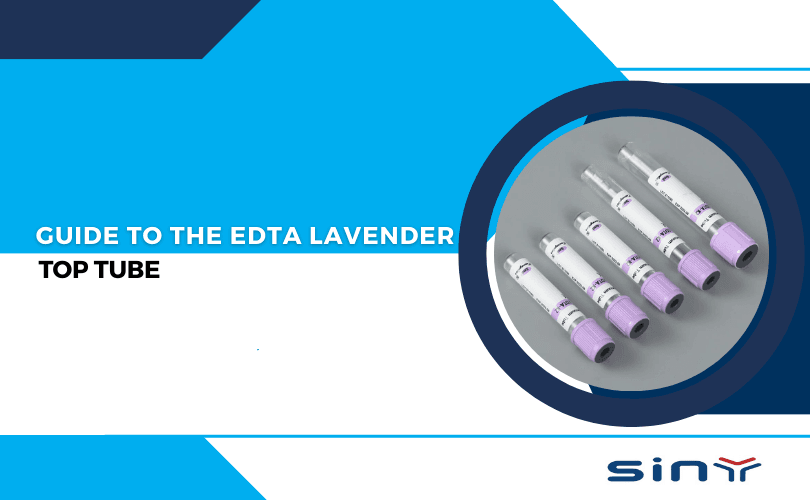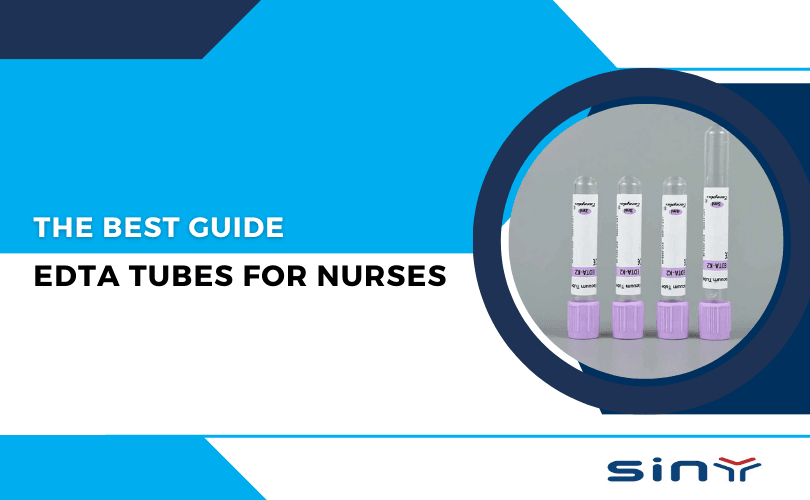
EDTA Tubes for Nurses:Nurses play a vital role in patient care, and understanding the tools they use daily is essential for delivering accurate and efficient healthcare. Among these tools, EDTA tubes are indispensable in blood collection and diagnostics. This blog provides a comprehensive guide to EDTA tubes, covering their uses, types, and clinical significance. Whether you’re a seasoned nurse or a healthcare student, this guide will enhance your knowledge and ensure you’re well-equipped to handle EDTA tubes effectively.
Colors of EDTA Tubes: What Nurses Need to Recognize Immediately
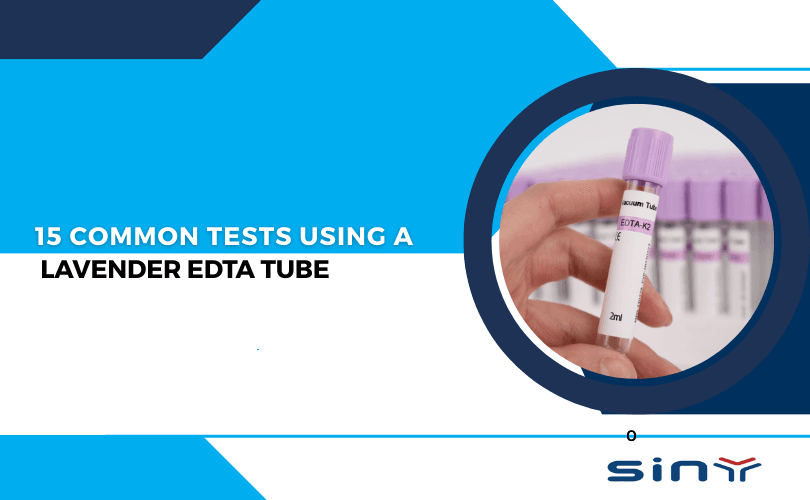
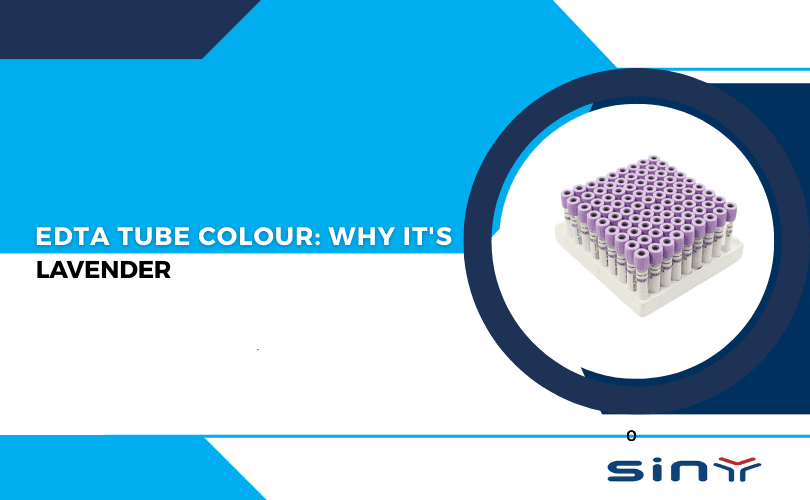
Tube cap colors are essential in phlebotomy. EDTA tubes typically appear in two main colors:
1. Lavender (Purple) Cap
Used for:
CBC
HbA1c
RBC/WBC/platelet analysis
Reticulocyte count
Peripheral smears
2. Pink Cap EDTA Tubes
Used in:
Blood banking
Crossmatching
Blood grouping
These tubes often have special labeling for blood bank protocols.
For tube-by-tube comparisons, the following guide is useful
Why EDTA Tubes Matter So Much in Nursing Practice
Every blood sample tells a story. Behind every CBC, HbA1c, flow cytometry panel, oncology study, or DNA test lies a single decision—choosing the correct type of tube. Nurses are the first line of accuracy in this process. When the wrong tube is used, or if the tube is not filled to the correct mark, or if the sample clots, the downstream effects are significant: wrong results, delayed diagnosis, repeat blood draws, extra discomfort for the patient, and wasted time for clinicians.
This is where EDTA tubes step into the spotlight.
These tubes have been specifically designed for tests that need whole blood, intact cells, or plasma that has not formed clots. EDTA tubes protect cells gently by binding calcium, which stops the clotting process. The anticoagulant property is well-explained on the scientific page here
What Are EDTA Tubes? A Full Practical Definition for Nurses
An EDTA tube is a blood collection tube containing EDTA anticoagulant, usually coated as K2EDTA or K3EDTA. The inside of the tube may have spray-dried EDTA or a measured liquid form. These tubes are primarily used when blood cell details must remain accurate.
The tubes are part of the routine phlebotomy tray and are essential in:
Hematology
Oncology
Molecular diagnostics
Blood bank (pink cap EDTA tubes)
Immunology
Pediatric testing
Infectious disease labs
For nurses who want to verify professional-grade EDTA tubes, here is the product list
Types of EDTA Tubes
EDTA tubes come in different forms, each designed for specific applications. The two main types are:
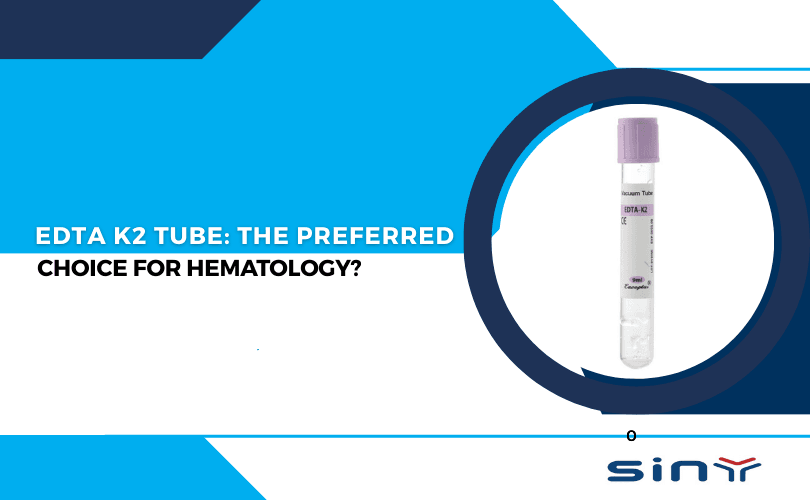
- K2 EDTA Tubes: These contain dipotassium EDTA and are the most commonly used type. They are suitable for most hematology tests and are identified by their lavender caps.
- K3 EDTA Tubes: These contain tripotassium EDTA and are less commonly used. They are also identified by lavender caps but are primarily used in specific laboratory settings.
For a detailed comparison of EDTA tubes with other blood collection tubes, visit our page on EDTA Tubes vs Other Blood Collection Tubes.

EDTA Tube Concentration
The concentration of EDTA in blood collection tubes is standardized to ensure optimal anticoagulation without affecting test results. Typically, 1.5 to 2.2 mg of EDTA per milliliter of blood is used. This concentration prevents clotting while maintaining the integrity of blood cells for accurate analysis.
EDTA Tubes in Oncology Diagnostics
Oncology diagnostics depend heavily on properly preserved blood cells. EDTA tubes are used for:
Leukemia monitoring
Lymphoma flow cytometry
Tumor marker evaluation in some protocols
Genetic testing of cancer cells
Chromosome analysis
A detailed oncology-specific guide is available
EDTA Tube Anticoagulant Mechanism
EDTA acts as an anticoagulant by chelating calcium ions, which are essential for the coagulation cascade. By binding calcium, EDTA inhibits the activation of clotting factors, ensuring that blood remains in a liquid state. This mechanism is vital for tests requiring whole blood or plasma.
For more information on anticoagulants, refer to this external resource.
Clinical Uses of EDTA Tubes
EDTA tubes are indispensable in various clinical settings. Below are their primary uses:
- Hematology Testing: EDTA tubes are the gold standard for CBC and other hematology tests.
- Molecular Diagnostics: Used in genetic testing and infectious disease detection.
- Oncology Diagnostics: Essential for analyzing blood samples in cancer patients.
- Blood Bank Testing: Used in blood typing and crossmatching.
For a deeper dive into hematology testing, explore our guide on EDTA Tubes for Hematology Testing.
Advantages of EDTA Tubes
EDTA tubes offer several benefits, making them a preferred choice in clinical laboratories:
- Prevents Clotting: Ensures accurate test results by maintaining blood in a liquid state.
- Preserves Cell Morphology: Protects the integrity of blood cells for microscopic examination.
- Versatile Applications: Suitable for a wide range of diagnostic tests.
- Standardized Use: Easy to identify and use, reducing the risk of errors.
Complete List for Nursing Practice
Many nurses ask this frequently:
“EDTA tube is used for which tests exactly?”
The answer covers a wide variety of diagnostic panels. Below is a detailed explanation that covers routine, advanced, and specialty testing.
Tests Performed Using EDTA Tubes
1. Complete Blood Count (CBC)
This is the most frequent reason EDTA tubes are used. The test measures:
Red blood cell levels
Hemoglobin
Hematocrit
White blood cell count
Differential count
Platelet count
CBC results depend on perfect cell preservation, and EDTA ensures this.
2. HbA1c Testing
Diabetes patients routinely undergo HbA1c screening. EDTA tubes preserve hemoglobin structure, allowing accurate measurement of long-term glucose attachment.
3. ESR (EDTA Modified Method)
Although some labs use citrate tubes, EDTA-based ESR methods are also recognized.
4. Peripheral Blood Smear
EDTA keeps the cells stable enough for microscopic review, maintaining true morphology.
5. Flow Cytometry
Important for immunology and oncology, EDTA preserves cell surface markers.
6. Reticulocyte Count
Accurate reticulocyte analysis requires non-clotted whole blood.
7. DNA / RNA Testing
PCR, molecular testing, and genetic tests often require preserved white cells.
8. Parasitology Tests
For diseases like malaria, EDTA samples help identify parasites under a microscope.
A Detailed Nursing Guide
Healthcare workers often see different EDTA tubes and wonder about their differences. The types are distinguished by their anticoagulant formulation, cap color, and whether the additive is liquid or spray-dried.
The official EDTA tube category listing can be reviewed here
Comparison of EDTA Tubes with Gel Tubes
While EDTA tubes are ideal for hematology tests, gel tubes are used for serum separation. Gel tubes contain a gel barrier that separates serum from blood cells during centrifugation. For a detailed comparison, visit our page on How EDTA Tubes Compare to Gel Tubes.
FAQs
Q1: What is the full form of EDTA?
A: EDTA stands for Ethylenediaminetetraacetic Acid.
Q2: What tests are performed using EDTA tubes?
A: EDTA tubes are used for CBC, blood smear examination, hemoglobin electrophoresis, and molecular diagnostics.
Q3: What is the concentration of EDTA in blood collection tubes?
A: Typically, 1.5 to 2.2 mg of EDTA per milliliter of blood is used.
Q4: What are the types of EDTA tubes?
A: The main types are K2 EDTA and K3 EDTA tubes.
Q5: How does EDTA prevent blood clotting?
A: EDTA binds calcium ions, which are essential for the coagulation process.
Summary
EDTA tubes are an essential tool in clinical diagnostics, offering reliable anticoagulation for a wide range of tests. Nurses must understand their uses, types, and mechanisms to ensure accurate blood collection and analysis. By mastering the knowledge of EDTA tubes, healthcare professionals can enhance patient care and contribute to better diagnostic outcomes.
For more information on EDTA tubes and related products, visit EDTA Tube Products or explore our EDTA Tube Category.
If you have further questions, feel free to Contact Us.