Blood collection tubes are indispensable tools in medical diagnostics, enabling healthcare professionals to collect, preserve, and analyze blood samples for a wide range of tests. Among these, EDTA tubes stand out due to their versatility and effectiveness in preserving blood samples for hematological and molecular diagnostics. However, other types of blood collection tubes, such as heparin, sodium citrate, and serum tubes, serve distinct purposes, making it crucial to understand their differences to ensure accurate test results. This comprehensive guide compares EDTA tubes with other blood collection tubes, exploring their mechanisms, applications, advantages, and limitations to help healthcare professionals make informed decisions.
For high-quality blood collectio
What Are Blood Collection Tubes?
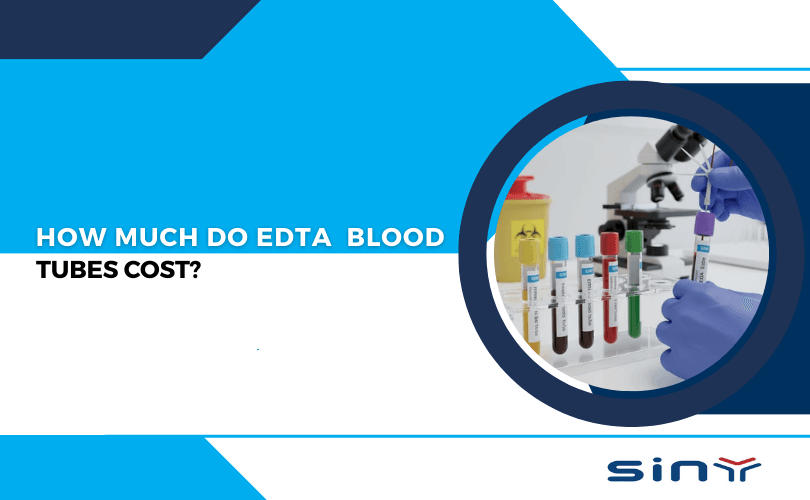
Blood collection tubes are specialized containers used to collect and store blood samples for laboratory analysis. These tubes contain specific additives, such as anticoagulants or clot activators, tailored to the type of test being performed. The choice of tube can significantly impact the accuracy of diagnostic results, as each additive interacts differently with blood components. Common types include EDTA tubes, heparin tubes, sodium citrate tubes, serum tubes, and glucose tubes, each identified by a color-coded cap for easy recognition in clinical settings.
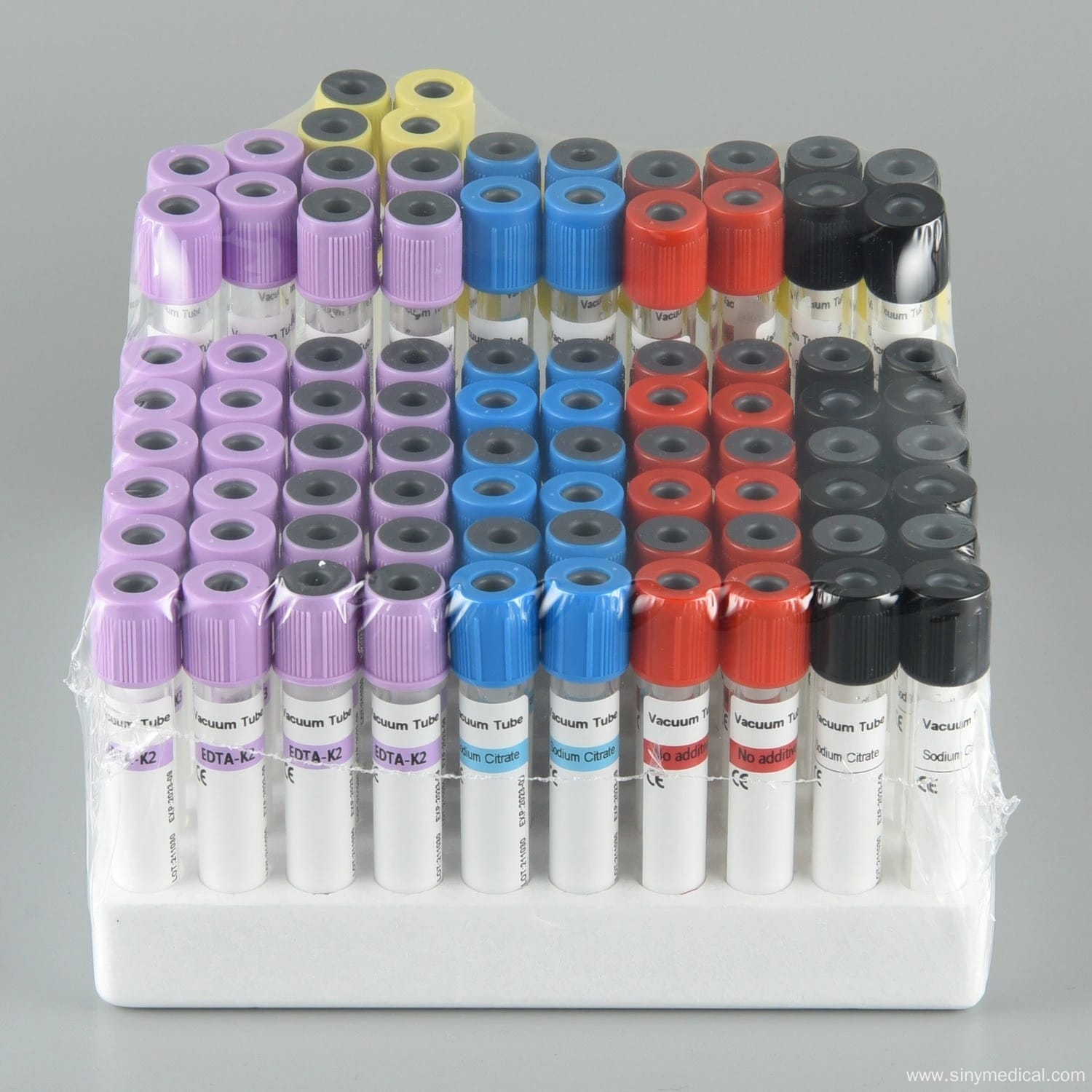
The primary function of these tubes is to preserve the blood sample in a state suitable for testing, whether it’s whole blood, plasma, or serum. Selecting the appropriate tube ensures the integrity of the sample, prevents clotting or degradation, and minimizes errors in test results. For a detailed overview of EDTA tubes, check out What is an EDTA Tube? on our website.
Blood Collection Tubes?
Blood collection tubes are specialized containers used to collect and preserve blood samples for laboratory testing. These tubes are typically made of glass or plastic and contain additives that prevent blood clotting or stabilize specific components of the blood. The choice of tube depends on the type of test being conducted, as different additives serve distinct purposes.
The most common types of blood collection tubes include:
Each tube type is color-coded for easy identification, ensuring that the correct tube is used for the intended test.
Understanding EDTA Tubes: Mechanism and Applications
EDTA tubes, identifiable by their lavender or purple caps, contain Ethylenediaminetetraacetic acid (EDTA), a potent anticoagulant that prevents blood clotting by chelating calcium ions. Calcium is a critical cofactor in the coagulation cascade, and by binding it, EDTA ensures the blood remains in a liquid state, preserving the cellular components for analysis. EDTA tubes are available in two main variants: K2 EDTA (dipotassium EDTA) and K3 EDTA (tripotassium EDTA), each with specific applications based on laboratory needs.
How EDTA Works
EDTA binds to calcium ions, halting the clotting process by preventing the activation of clotting factors like thrombin and fibrin. This mechanism makes EDTA tubes ideal for tests requiring whole blood or plasma, such as:
Complete Blood Count (CBC): Measures red blood cells, white blood cells, platelets, hemoglobin, and hematocrit to diagnose conditions like anemia or infections.
Blood Smear Analysis: Allows microscopic examination of blood cell morphology for diagnosing blood disorders.
Blood Typing and Cross-Matching: Ensures safe blood transfusions by preserving blood samples for compatibility testing.
Molecular Diagnostics: Stabilizes DNA and RNA for genetic testing, PCR, and next-generation sequencing (NGS).
EDTA’s ability to preserve cell morphology and prevent hemolysis (the breakdown of red blood cells) makes it the gold standard for hematology tests. For more information, explore EDTA Tubes for Blood Collection.
Types of EDTA Tubes
K2 EDTA Tubes: Contain dipotassium EDTA in powdered form, commonly used in automated hematology analyzers due to their compatibility and minimal impact on cell morphology.
K3 EDTA Tubes: Contain tripotassium EDTA in liquid form, preferred for manual blood collection and certain molecular assays due to faster anticoagulation.
For a complete range of EDTA tubes, visit Siny Medical’s EDTA Tube Collection or browse the EDTA Tube Product Category.
Comparing EDTA Tubes with Other Blood Collection Tubes
To understand the unique role of EDTA tubes, it’s essential to compare them with other common blood collection tubes, including heparin tubes, sodium citrate tubes, serum tubes, and glucose tubes. Each tube type is designed for specific diagnostic purposes, and their additives determine their suitability for various tests.
Heparin Tubes
Heparin tubes, typically with green caps, contain heparin (lithium or sodium heparin) as an anticoagulant. Heparin inhibits thrombin and other clotting factors, preventing clot formation without binding calcium. These tubes are primarily used for plasma-based tests, such as:
Biochemistry Tests: Electrolyte analysis, glucose testing, and liver function tests.
Cardiac Markers: Troponin and CK-MB testing for heart conditions.
Hormone Assays and Drug Monitoring: Plasma samples for hormone levels or therapeutic drug monitoring.
Comparison with EDTA Tubes:
Mechanism: Heparin inhibits clotting factors, while EDTA chelates calcium. Heparin is less effective for preserving cell morphology, making it unsuitable for hematology tests like CBC.
Applications: Heparin tubes are preferred for biochemical tests, while EDTA tubes excel in hematology and molecular diagnostics.
Limitations: Heparin can degrade DNA over time, making it less suitable for long-term storage compared to EDTA.
For more details on EDTA tubes, visit edtatube.com.
Sodium Citrate Tubes
Sodium citrate tubes, identified by light blue caps, contain sodium citrate, which binds calcium ions to prevent clotting. These tubes are primarily used for coagulation studies, such as:
Prothrombin Time (PT) and Activated Partial Thromboplastin Time (aPTT): Assess clotting disorders and monitor anticoagulant therapy.
Fibrinogen Testing: Measures fibrinogen levels to evaluate bleeding disorders.
Comparison with EDTA Tubes:
Mechanism: Both EDTA and sodium citrate bind calcium, but sodium citrate forms a reversible complex, allowing clotting factors to be tested, whereas EDTA’s binding is irreversible, making it unsuitable for coagulation studies.
Applications: Sodium citrate tubes are specialized for coagulation tests, while EDTA tubes are used for hematology and molecular diagnostics.
Limitations: Sodium citrate tubes require a precise 9:1 blood-to-anticoagulant ratio, and improper mixing can lead to inaccurate results.
Serum Tubes
Serum tubes, with red or gold caps, contain no anticoagulant but may include a clot activator or gel separator to facilitate serum separation. After collection, the blood clots, and centrifugation yields serum for testing. Common uses include:
Comprehensive Metabolic Panel (CMP): Tests liver, kidney, and electrolyte function.
Lipid Panel: Measures cholesterol and triglyceride levels.
Serum Protein Analysis: Evaluates proteins like albumin and globulin.
Comparison with EDTA Tubes:
Mechanism: Serum tubes allow clotting to produce serum, while EDTA tubes prevent clotting to preserve whole blood or plasma.
Applications: Serum tubes are ideal for chemistry tests, while EDTA tubes are used for hematology and DNA/RNA analysis.
Limitations: Serum tubes cannot be used for tests requiring whole blood or plasma, and clotting time may delay processing. For more on serum tubes, visit Siny Medical’s Serum Tube Page.
Glucose Tubes
Glucose tubes, with gray caps, contain sodium fluoride and potassium oxalate to preserve glucose levels by inhibiting glycolysis. They are used for:
Glucose Testing: Diagnoses diabetes and monitors blood sugar levels.
Lactate Testing: Assesses lactic acid levels in metabolic disorders.
Comparison with EDTA Tubes:
Mechanism: Glucose tubes stabilize glucose by inhibiting metabolism, while EDTA prevents clotting without affecting glucose levels.
Applications: Glucose tubes are specialized for glucose and lactate tests, while EDTA tubes are used for hematology and molecular diagnostics.
Limitations: Glucose tubes are not suitable for hematology or DNA testing due to their specific additives.
Advantages of EDTA Tubes
EDTA tubes offer several advantages that make them a preferred choice in clinical laboratories:
Preservation of Cell Morphology: EDTA maintains the shape and size of blood cells, ensuring accurate hematology results.
Versatility: Suitable for a wide range of tests, including CBC, blood smears, blood typing, and molecular diagnostics.
DNA and RNA Stability: EDTA stabilizes nucleic acids, making it ideal for genetic testing and PCR.
Cost-Effectiveness: EDTA is relatively inexpensive compared to other anticoagulants, reducing testing costs.
Compatibility with Analyzers: EDTA tubes are compatible with most automated hematology analyzers, streamlining laboratory workflows.
For high-quality EDTA tubes, explore Siny Medical’s offerings or visit edtatube.com’s product page.
Choosing the Right Blood Collection Tube
Selecting the appropriate blood collection tube depends on the specific test requirements. Here’s a quick guide to help healthcare professionals choose:
Tube Type | Cap Color | Additive | Primary Uses | Best For |
|---|---|---|---|---|
EDTA Tubes | Lavender/Purple | K2 or K3 EDTA | CBC, blood smears, blood typing, DNA/RNA tests | Hematology, molecular diagnostics |
Heparin Tubes | Green | Lithium/Sodium Heparin | Biochemistry, cardiac markers, hormone assays | Plasma-based chemistry tests |
Sodium Citrate Tubes | Light Blue | Sodium Citrate | Coagulation studies (PT, aPTT) | Coagulation testing |
Serum Tubes | Red/Gold | Clot Activator/Gel Separator | CMP, lipid panel, serum protein analysis | Serum-based chemistry tests |
Glucose Tubes | Gray | Sodium Fluoride/Potassium Oxalate | Glucose and lactate testing | Glucose and metabolic testing |
For a comprehensive selection of blood collection tubes, visit edtatube.com or explore Siny Medical’s product range.
Why Choose Siny Medical’s EDTA Tubes?
Siny Medical is a trusted manufacturer of blood collection tubes, offering high-quality EDTA tubes designed for precision and reliability. Key features include:
Certified Quality: Compliant with CE, ISO13485, and ISO9001 standards.
Sterile and Safe: Vacuum-sealed and irradiation-sterilized to prevent contamination.
Variety of Options: Available in multiple volumes (2ml to 10ml) and variants (K2 and K3 EDTA).
Global Reach: Trusted by distributors, medical chain stores, and laboratories worldwide.
Explore the full range of EDTA tubes at Siny Medical or edtatube.com’s product category.
Final Thoughts
At the end of the day, there’s no best blood collection tube—only the best tube for the test at hand. That said, EDTA tubes win the crown when it comes to hematology. Their unmatched ability to preserve blood cells, prevent clotting, and maintain sample quality makes them a staple in modern diagnostics.
Looking to upgrade your lab inventory? You can browse premium, lab-grade EDTA Tubes for Blood Collection here. Or learn more about what makes them special on this detailed overview page.
And if you’ve got questions or need to place a bulk order, reach out to EDTA Tube’s expert team.
FAQs
What’s the difference between serum and plasma?
Serum is the liquid portion of blood after clotting, while plasma is the fluid before clotting. EDTA tubes yield plasma; serum tubes provide serum.
Why is the cap color important?
Each cap color indicates a specific additive inside. It’s a fast, visual cue for lab techs and nurses to grab the right tube.
Can you use EDTA tubes for glucose testing?
Nope. EDTA isn’t suitable for glucose tests—use fluoride oxalate tubes instead, which inhibit glycolysis.
How long can blood stay stable in an EDTA tube?
For CBC tests, samples in EDTA tubes can remain stable for up to 24-48 hours at room temperature, depending on the lab’s standards.
Are all EDTA tubes the same?
Not quite. Some contain liquid EDTA, while others have spray-dried forms. They also vary by volume, material, and vacuum level. Choose the one that fits your lab protocol.