Blood testing plays a central role in modern diagnostics. From routine health screening to complex disease monitoring, laboratories rely on specialized collection devices to ensure accurate results. Among these devices, EDTA blood tubes are some of the most widely used in clinical laboratories around the world.
However, one question frequently asked by hospitals, clinics, and laboratory managers is: How Much Do EDTA Blood Tubes Cost? The answer depends on several factors including tube size, manufacturing quality, packaging, and supplier pricing.
This detailed guide explores EDTA blood tube pricing, factors that influence cost, global market trends, and how laboratories can select the right tubes without overspending. If you’re responsible for medical procurement or laboratory management, this guide will help you understand the real value behind EDTA blood collection tubes.
What Are EDTA Blood Collection Tubes?
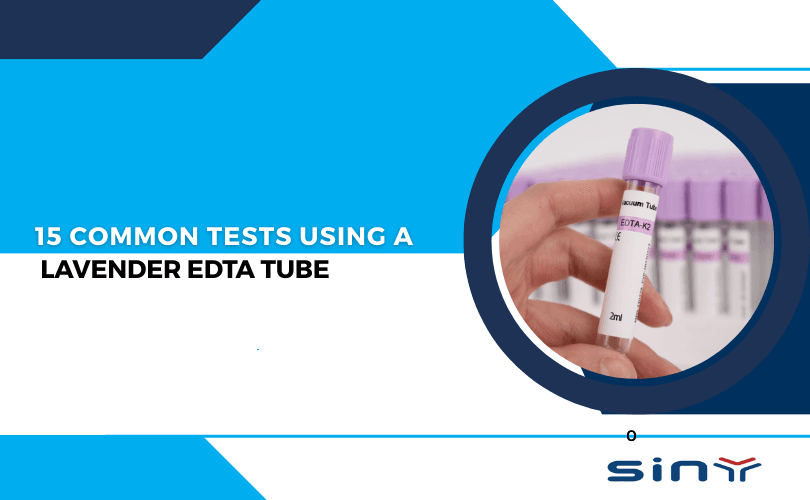
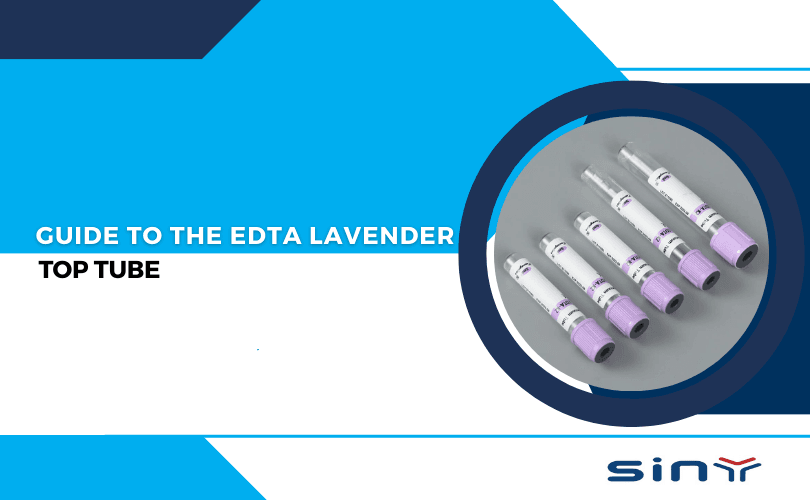
EDTA blood tubes are laboratory containers used to collect blood samples for hematology testing. These tubes contain Ethylenediaminetetraacetic acid (EDTA), an anticoagulant that prevents blood from clotting.
By binding calcium ions in the blood, EDTA keeps cells intact. This property allows laboratories to analyze blood components accurately.
These tubes are commonly used for tests such as the Complete Blood Count (CBC). A CBC test evaluates red blood cells, white blood cells, and platelets. You can read more about the CBC test from this authoritative explanation of Complete Blood Count.
Because of their reliability and compatibility with automated hematology analyzers, EDTA tubes have become the standard blood collection device for hematology testing worldwide.
For a detailed explanation of EDTA tube applications and types, visit the official EDTA tube product collection.

How Much Do EDTA Blood Tubes Cost?
The most important question for medical buyers is straightforward: How Much Do EDTA Blood Tubes Cost?
In most global markets, the price typically ranges between:
| Tube Size | Estimated Price (Bulk) | Typical Use |
|---|---|---|
| 2ml EDTA Tube | $0.03 – $0.06 per tube | Pediatric blood tests |
| 3ml EDTA Tube | $0.04 – $0.07 per tube | Standard lab testing |
| 4ml EDTA Tube | $0.05 – $0.08 per tube | CBC and hematology |
| 5ml EDTA Tube | $0.06 – $0.09 per tube | Routine blood analysis |
| 6ml–10ml EDTA Tube | $0.07 – $0.12 per tube | Specialized testing |
These prices represent bulk manufacturing or wholesale purchasing costs. Small purchases or specialty tubes may cost more.
Laboratories purchasing directly from manufacturers often receive significant discounts. For example, suppliers such as Siny Medical offer bulk purchasing options for distributors and hospitals.
You can also explore the full range of EDTA blood tubes available from the EDTA Tube product catalog.
Key Factors That Affect EDTA Blood Tube Pricing
Understanding How Much Do EDTA Blood Tubes Cost requires looking beyond the base price. Several factors influence the final cost.
Tube Size and Volume
Tube capacity directly impacts manufacturing costs. Larger tubes require more plastic material and anticoagulant.
For example:
- 2ml tubes cost less because they use minimal material
- 5ml tubes cost more due to larger size and higher EDTA volume
To better understand volume options, this guide explains EDTA tube sizes from 2ml to 10ml.
Selecting the correct size helps laboratories reduce waste and manage procurement budgets efficiently.
Manufacturing Quality
High-quality EDTA tubes require strict quality control during production. Reliable tubes must meet international standards such as:
- ISO 13485
- CE certification
- FDA compliance
Manufacturers with strong quality systems often charge slightly higher prices, but they provide better consistency and reduced testing errors.
Many laboratories prefer working directly with specialized medical manufacturers such as Siny Medical’s manufacturing platform for quality assurance.
Additive Type (K2 EDTA vs K3 EDTA)
EDTA tubes commonly contain two types of anticoagulants:
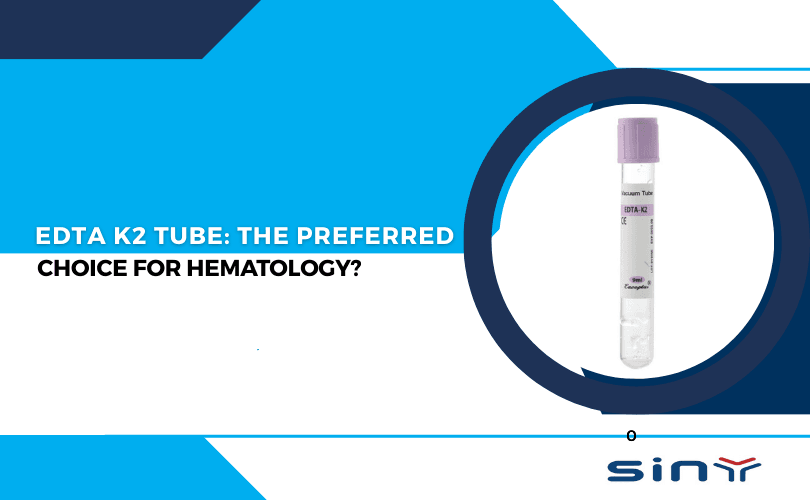
K2 EDTA
Spray-dried additive. Widely used in automated analyzers.
K3 EDTA
Liquid additive used in some specific testing environments.
K2 EDTA tubes generally cost slightly more due to their advanced coating process and stability.
Packaging and Sterilization
Medical-grade packaging plays an important role in pricing.
Typical packaging includes:
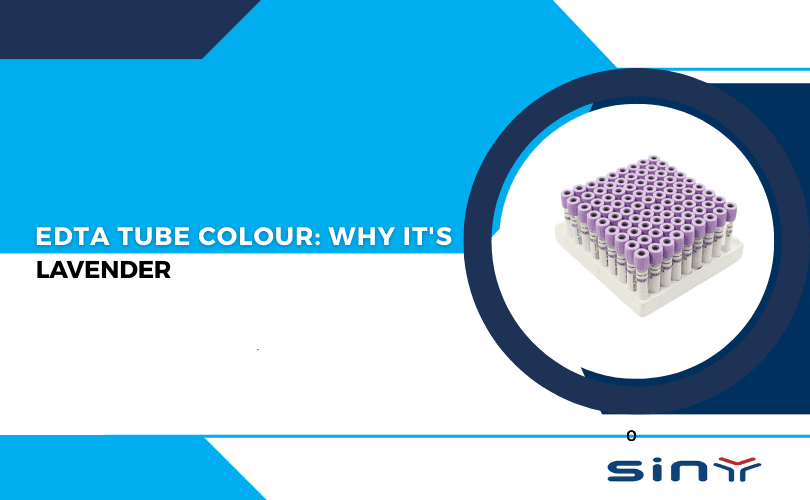
- 100 tubes per rack
- 1200 or 1800 tubes per carton
- Vacuum-sealed sterile packaging
Sterilization methods such as gamma radiation or ethylene oxide sterilization also increase manufacturing costs slightly.
However, proper sterilization ensures sample safety and contamination prevention, which is critical for diagnostic accuracy.
Global Supply Chain and Shipping
Another factor influencing How Much Do EDTA Blood Tubes Cost is global logistics.
Prices may vary due to:
- international shipping costs
- import duties
- raw material prices
- supply chain disruptions
For example, during the COVID-19 pandemic, global medical supply chains experienced severe price fluctuations.
Today, many hospitals reduce costs by ordering directly from manufacturers instead of distributors.
Why EDTA Tubes Are Essential in Modern Laboratories
EDTA blood tubes remain the gold standard for hematology testing.
Their benefits include:
Preserving cell morphology
EDTA prevents clotting without damaging blood cells. This allows laboratories to study cell shape and structure accurately.
Stable blood samples
Blood samples collected in EDTA tubes remain stable for several hours, making them ideal for automated laboratory workflows.
High compatibility with analyzers
Modern hematology analyzers are designed specifically to process EDTA-preserved samples.
If you want to learn more about CBC testing, this guide explains the process using EDTA tubes for complete blood count testing.
How to Choose the Right EDTA Tube Size
Selecting the correct tube size improves efficiency and reduces unnecessary costs.
For example:
- Pediatric testing often uses 2ml tubes
- Standard hematology testing uses 3ml or 4ml tubes
- High-volume testing uses 5ml tubes
Choosing the right size also ensures proper blood-to-additive ratio, which is essential for accurate results.
This detailed guide explains how laboratories can select the correct tube size:
How to select the right EDTA tube size.
How to Use EDTA Blood Collection Tubes Correctly
Even the highest-quality EDTA tubes will produce inaccurate results if used incorrectly.
The correct process typically involves:
- Insert the EDTA tube into the vacutainer holder
- Allow the vacuum to draw blood automatically
- Fill the tube to the recommended level
- Gently invert the tube 8–10 times to mix anticoagulant
Proper mixing ensures EDTA distributes evenly throughout the blood sample.
You can learn the full procedure in this step-by-step guide on how to use an EDTA tube.
Global Market Demand for EDTA Blood Tubes
The global blood collection tube market continues to expand rapidly.
According to healthcare market research:
- The global blood collection tube market exceeded $6 billion in 2024
- Hematology testing accounts for over 40% of total demand
- EDTA tubes remain the most commonly used anticoagulant tubes
This demand is driven by several factors:
- Increasing diagnostic testing
- Growing healthcare infrastructure
- Rising chronic disease rates
- Expansion of laboratory networks
Experts predict that the next generation of blood collection devices will focus on automation, sample stability, and improved patient safety.
Industry insights about upcoming innovations can be found in this analysis of the future of EDTA blood collection tubes.
Comparing EDTA Tube Sizes: 2ml vs 3ml vs 4ml vs 5ml
Selecting the correct EDTA tube size is essential for both testing accuracy and cost efficiency.
| Tube Size | Common Use | Advantages |
|---|---|---|
| 2ml | Pediatric testing | Minimal blood requirement |
| 3ml | Standard CBC tests | Balanced volume |
| 4ml | Routine diagnostics | Compatible with most analyzers |
| 5ml | High-volume labs | Ideal for repeat testing |
This comparison is explained in more detail in the guide Choosing between 2ml, 3ml, 4ml and 5ml EDTA tubes.
Where to Buy Reliable EDTA Blood Tubes
Reliable sourcing is critical for laboratories.
Hospitals usually purchase EDTA tubes from:
- certified medical manufacturers
- laboratory equipment distributors
- medical supply wholesalers
The best suppliers provide:
- international certifications
- consistent manufacturing quality
- bulk pricing options
- reliable delivery
For example, you can explore professional medical tube manufacturing and educational resources on the official EDTA Tube website.
You can also view manufacturing insights and laboratory videos through youtube@sinymedical.
If you are looking for bulk orders or supplier inquiries, contact the team directly through the contact page.
Summary
How Much Do EDTA Blood Tubes Cost is essential for laboratories, hospitals, and medical suppliers. While prices generally range from $0.03 to $0.12 per tube, several factors influence the final cost, including tube size, manufacturing quality, anticoagulant type, and global logistics.
Despite these variations, EDTA blood tubes remain one of the most affordable and essential tools in modern diagnostic medicine. Their reliability, compatibility with hematology analyzers, and ability to preserve blood samples make them indispensable in laboratories worldwide. Healthcare providers looking to improve procurement efficiency should focus on quality-certified suppliers, correct tube sizing, and bulk purchasing strategies. For additional insights and product details, explore the complete EDTA tube resource center and its educational guides.
FAQs
How much do EDTA blood tubes cost in bulk orders?
Bulk purchasing significantly reduces pricing. In most cases, How Much Do EDTA Blood Tubes Cost depends on quantity, but wholesale prices typically range between $0.03 and $0.10 per tube depending on size and manufacturer.
Why do EDTA blood tube prices vary between suppliers?
The variation in How Much Do EDTA Blood Tubes Cost often depends on manufacturing quality, certification standards, packaging, and global shipping costs.
Are K2 EDTA tubes more expensive than K3 EDTA tubes?
Yes. When evaluating How Much Do EDTA Blood Tubes Cost, K2 EDTA tubes generally cost slightly more because they use spray-dried anticoagulant technology.
What is the most commonly used EDTA tube size?
The 3ml and 4ml tubes are most commonly used in hematology testing. When analyzing How Much Do EDTA Blood Tubes Cost, these sizes often provide the best balance between price and usability.
Can laboratories reduce EDTA tube costs?
Yes. Laboratories can lower How Much Do EDTA Blood Tubes Cost by purchasing directly from manufacturers, selecting the correct tube size, and ordering large quantities.