Properly handling and disposing of EDTA Tubes is one of the most overlooked yet critically important responsibilities in any medical laboratory, diagnostic center, or healthcare facility. While much attention is given to selecting the right tube size or anticoagulant, disposal often becomes an afterthought—until an incident, audit failure, or regulatory penalty occurs.
Used EDTA tubes contain biological material, chemical additives, and sometimes broken glass or sharp plastic edges. If disposed of incorrectly, they pose serious risks to healthcare workers, waste handlers, patients, and the environment. According to global healthcare waste assessments, improper disposal of medical waste increases occupational injury risk by more than 30% in clinical settings.
This comprehensive guide explains how to dispose of used EDTA Tubes safely and compliantly, while aligning with international safety standards and real-world laboratory workflows. Whether you manage a small diagnostic lab or a high-volume hospital facility, this article will help you build safer, cleaner, and regulation-ready disposal practices.
What Are EDTA Tubes and Why Disposal Matters
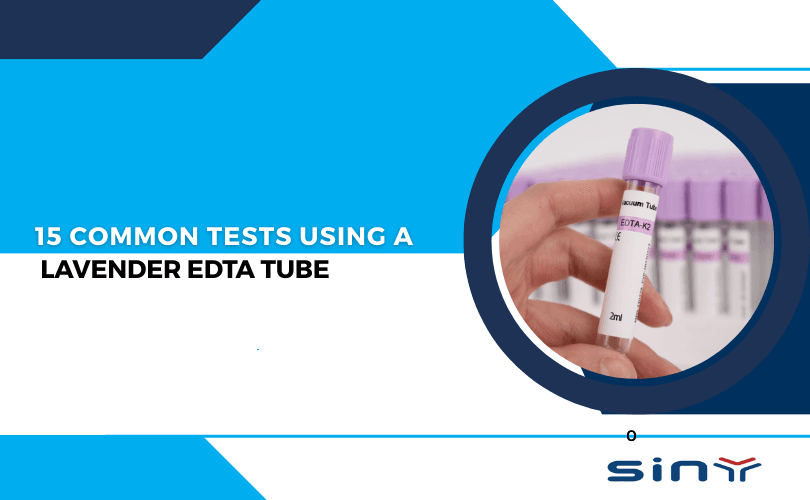
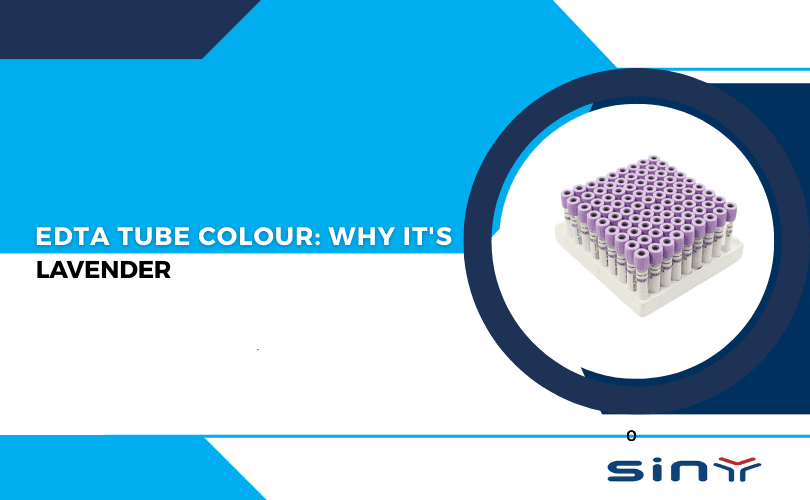
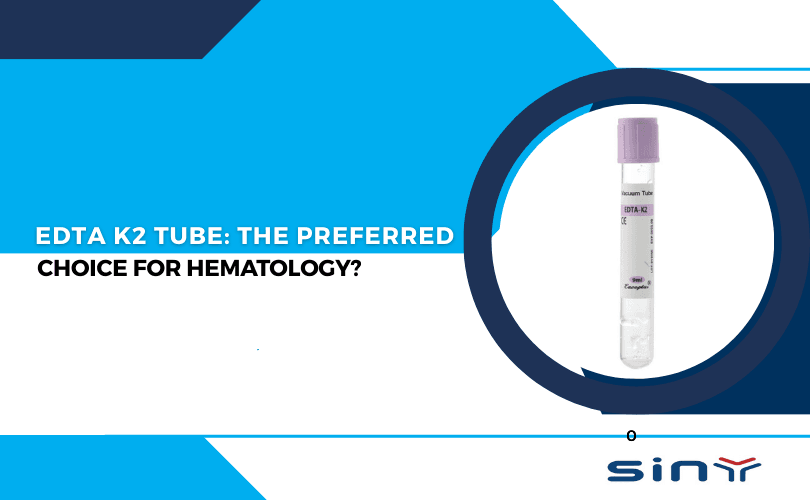
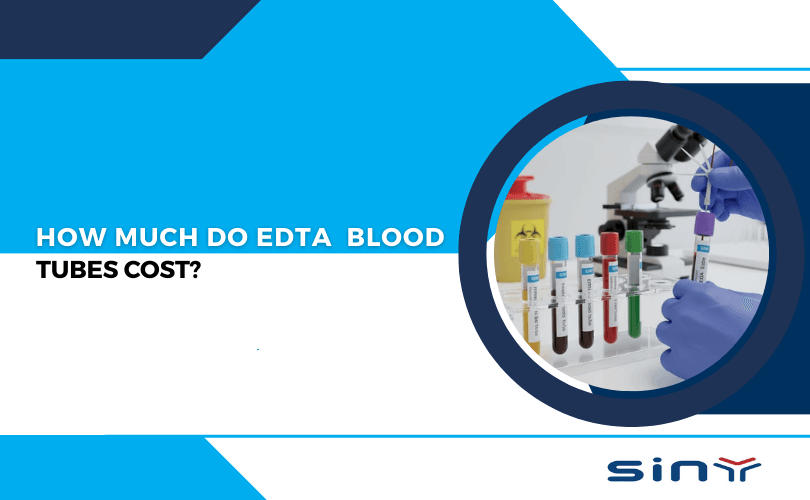
EDTA Tubes are blood collection tubes coated with Ethylenediaminetetraacetic acid, an anticoagulant that binds calcium and prevents clotting. They are widely used for hematology tests such as Complete Blood Count, blood morphology studies, and platelet analysis.
In a Complete Blood Count, even slight cellular damage can distort results. That same biological sensitivity also makes used EDTA tubes a potential biohazard after testing.
Once blood collection and analysis are complete, EDTA tubes become regulated medical waste. They may contain infectious material, chemical residues, and sharp components. Disposing of them incorrectly can lead to contamination, accidental exposure, or regulatory violations.
Understanding the Risks of Improper EDTA Tube Disposal
Improper disposal of EDTA Tubes creates multiple layers of risk. The most immediate threat is accidental exposure to bloodborne pathogens. Even dried blood residues can carry infectious agents under certain conditions.
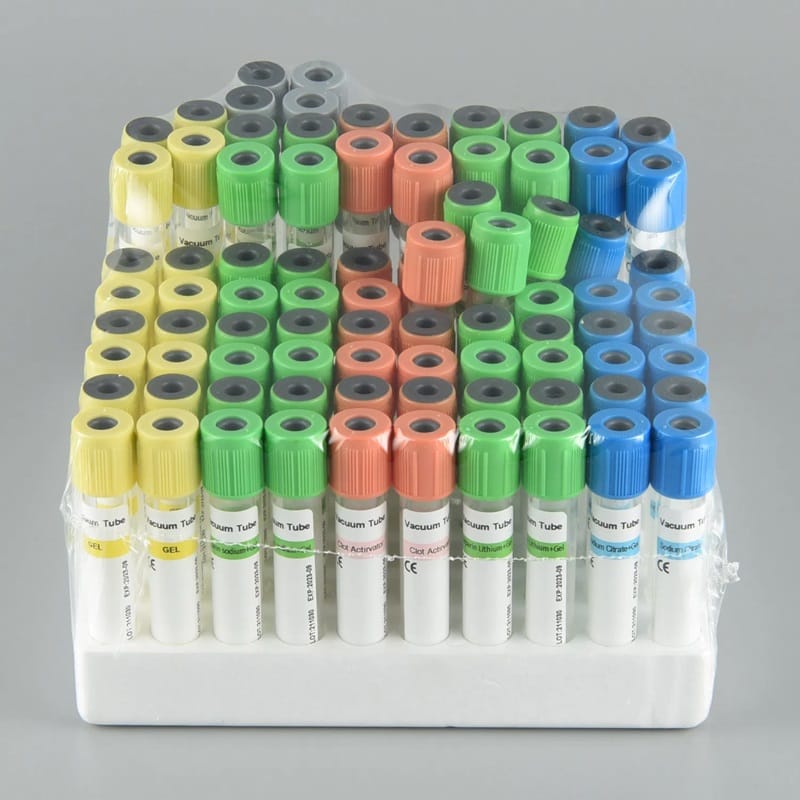
Glass EDTA tubes increase the risk of cuts and puncture wounds. Plastic tubes, while safer, still qualify as biohazardous waste once used. Waste handlers and sanitation workers face significant danger when tubes are placed in regular trash instead of designated containers.
From a compliance perspective, improper disposal can result in failed inspections, fines, or loss of laboratory accreditation. For laboratories striving to maintain quality and trust, correct disposal practices are non-negotiable.
Regulatory Frameworks Governing EDTA Tube Disposal
Medical waste regulations vary by country, but the principles governing EDTA Tubes disposal remain consistent worldwide. Most health authorities classify used blood collection tubes as infectious or biohazardous waste.
Internationally, disposal guidelines align with standards set by organizations such as the World Health Organization and local health ministries. These frameworks emphasize segregation, containment, treatment, and documentation.
Manufacturers and industry experts also provide disposal guidance. This detailed resource on how to dispose of blood collection tubes safely outlines globally accepted disposal principles applicable to EDTA tubes.
Segregation: The First Step in Safe EDTA Tube Disposal
Safe disposal begins at the point of use. Immediately after blood collection or testing, EDTA Tubes must be separated from general waste.
They should be placed into designated biohazard containers that are clearly labeled and color-coded according to local regulations. Mixing EDTA tubes with regular trash or non-infectious waste is one of the most common and dangerous mistakes in laboratories.
Segregation reduces handling, minimizes exposure risk, and ensures downstream disposal processes function correctly.
Sharps vs Non-Sharps: Where EDTA Tubes Belong
Whether EDTA tubes qualify as sharps depends on their material and condition. Glass EDTA tubes and any broken plastic tubes must always be treated as sharps waste.
Intact plastic EDTA tubes may be classified as infectious waste rather than sharps, depending on local guidelines. However, many laboratories choose to dispose of all used EDTA tubes in sharps containers as an added safety measure.
This conservative approach reduces ambiguity and protects staff who may not be able to visually inspect every discarded tube.
Containment and Storage Before Final Disposal
After segregation, EDTA Tubes should be stored in rigid, leak-proof containers with secure lids. These containers must resist puncture and prevent leakage of liquids.
Temporary storage areas should be well-ventilated, restricted to authorized personnel, and clearly marked. Storage time limits vary by region, but most regulations restrict medical waste storage to a few days without treatment.
Proper containment ensures that EDTA tubes remain controlled from disposal point to final treatment.
Treatment Methods for Used EDTA Tubes
Before final disposal, used EDTA Tubes often require treatment to neutralize biological hazards. Common treatment methods include autoclaving, chemical disinfection, and incineration.
Autoclaving uses high-pressure steam to sterilize waste, rendering bloodborne pathogens inactive. Incineration completely destroys both biological and chemical components, though it requires specialized facilities.
The chosen method depends on local infrastructure, regulations, and waste volume. Laboratories must ensure their disposal partners are licensed and compliant.
Environmental Considerations in EDTA Tube Disposal
Environmental responsibility is becoming a central concern in healthcare waste management. While EDTA tubes are essential for diagnostics, their disposal must minimize environmental impact.
Plastic EDTA tubes, once treated, are sometimes eligible for controlled recycling programs in certain regions. Glass tubes, although recyclable in theory, are rarely recycled after medical use due to contamination risks.
Manufacturers continue to explore safer materials and eco-conscious designs. Understanding these factors helps labs align EDTA Tubes disposal with sustainability goals.
How Tube Type and Size Affect Disposal Practices
Not all EDTA tubes are the same. Tube size, material, and design influence disposal volume and handling requirements.
Larger tubes generate more waste volume per test. Laboratories performing high-volume testing may benefit from reviewing tube size selection as part of their waste reduction strategy.
Resources such as the EDTA tube size guide from 2ml to 10ml and EDTA tube sizes explained can help labs balance testing needs with waste management efficiency.
EDTA Tubes vs Other Blood Collection Tubes in Disposal
Compared to serum or citrate tubes, EDTA Tubes often fall under stricter disposal rules because they are primarily used for hematology and contain anticoagulants.
A full comparison is available in EDTA tubes vs other blood collection tubes, which highlights why EDTA tubes require careful post-use handling.
Understanding these differences ensures consistent compliance across all tube types used in a laboratory.
Training Staff for Safe EDTA Tube Disposal
Even the best disposal system fails without proper training. Laboratory staff, phlebotomists, and cleaning personnel must understand how to handle used EDTA Tubes safely.
Training should cover segregation rules, container usage, spill response, and injury reporting. Regular refreshers help maintain awareness and reduce complacency over time.
Well-trained staff are the strongest defense against disposal-related accidents.
Documentation and Compliance Audits
Proper documentation is essential for regulatory compliance. Disposal records should track waste volume, treatment methods, and disposal timelines.
During inspections, auditors often review how EDTA Tubes are handled from use to final disposal. Clear documentation demonstrates compliance and protects laboratories during regulatory reviews.
Working with certified disposal vendors simplifies recordkeeping and accountability.
Choosing Reliable Suppliers and Disposal Partners
Quality begins at procurement. Sourcing EDTA tubes from reputable manufacturers ensures consistent materials, labeling, and safety features.
Exploring trusted suppliers through platforms like EDTA tube product listings or manufacturer insights from Sinymedical’s EDTA tube overview supports safer handling throughout the tube’s lifecycle.
For disposal-related guidance or product support, laboratories can contact experts directly via the contact page.
Educational Resources for Continuous Improvement
Staying informed is key to improving disposal practices. Educational content from manufacturers and industry leaders helps labs stay aligned with evolving standards.
Video-based training from Sinymedical’s YouTube channel and supplier documentation available on Made-in-China offer valuable insights into safe handling and disposal.
Summary
Proper disposal of used EDTA tubes is essential for ensuring safety, compliance, and environmental responsibility. By following regulatory guidelines and implementing best practices, laboratories can minimize risks and contribute to sustainable waste management.
For more information on EDTA tubes and their uses, explore our comprehensive guide at EDTA Tube Types and Uses and contact us.
FAQS
Are used EDTA tubes considered biohazardous waste?
Yes, EDTA Tubes contain blood residues and must be treated as biohazardous waste after use.
Can plastic EDTA tubes be disposed of in regular trash?
No, once used, EDTA Tubes must follow regulated medical waste disposal procedures.
Do glass EDTA tubes require special handling?
Yes, broken or intact glass EDTA Tubes should always be placed in sharps containers.
How long can used EDTA tubes be stored before disposal?
Storage time depends on local regulations, but EDTA Tubes should be treated and removed promptly.
Who is responsible for EDTA tube disposal compliance?
The healthcare facility is responsible for ensuring EDTA Tubes are disposed of according to regulations.