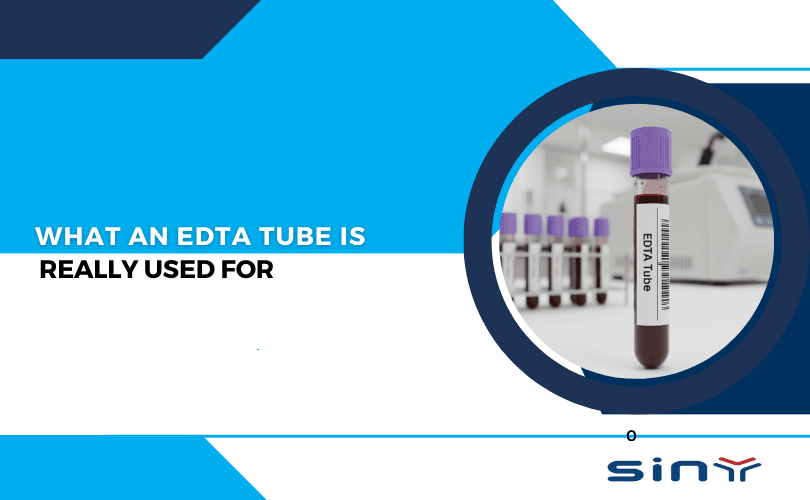
Modern clinical laboratories, precision and reliability are critical. Among the many tools used daily, EDTA tubes have become an essential component in blood collection and hematology testing. These tubes, distinguished by their lavender or purple tops, are designed specifically to prevent blood from clotting, ensuring accurate analysis for a wide range of tests.
Understanding EDTA tubes is crucial not only for laboratory technicians but also for healthcare professionals and researchers who rely on consistent blood sample quality. This comprehensive guide explores what EDTA tubes are, their uses, types, and how to select and handle them effectively.
If you are looking for high-quality EDTA tubes for professional use, you can explore the full range at EDTA Tube Official Products.
What Are EDTA Tubes?
An EDTA tube is a type of blood collection tube that contains Ethylenediaminetetraacetic acid (EDTA) as an anticoagulant. EDTA works by binding calcium ions in the blood, preventing the clotting process and maintaining the integrity of blood cells for accurate laboratory testing.
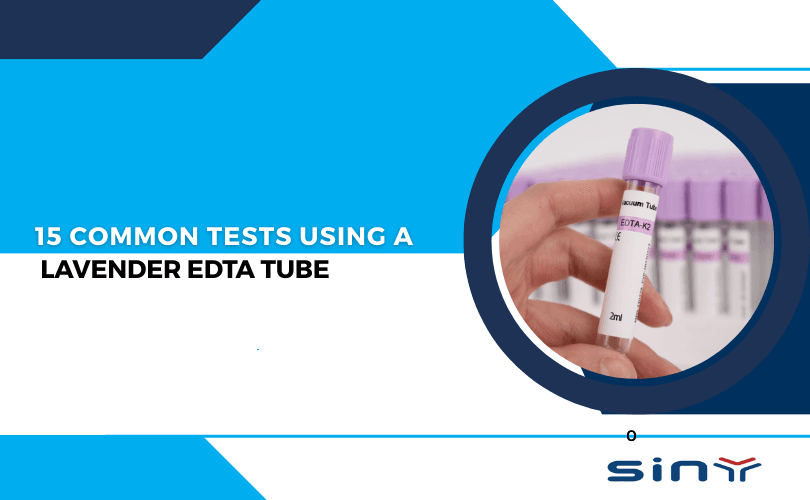
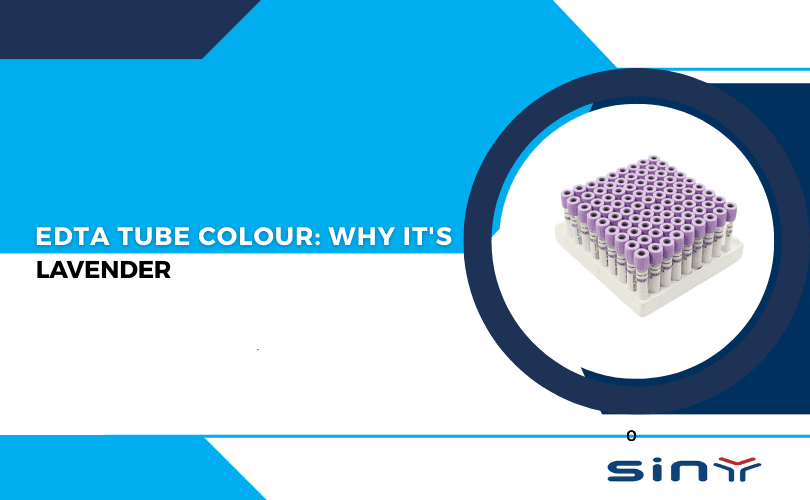
These tubes are a standard in hematology laboratories and are commonly recognized by their lavender-colored caps, although some manufacturers may offer variations such as pink or light purple for specific applications.
The use of EDTA ensures that the cellular components of blood—especially white blood cells, red blood cells, and platelets—remain stable, which is critical for accurate counts and morphological assessment.
For detailed guidance on how to use these tubes, visit How to Use an EDTA Tube.

Uses of EDTA Tubes in Clinical Testing
EDTA tubes are versatile and used in a variety of diagnostic procedures. Here are the most common applications:
Complete Blood Count (CBC)
One of the primary uses of EDTA tubes is in CBC tests, which provide vital information about the number and condition of red blood cells, white blood cells, and platelets. These tests help diagnose conditions such as anemia, infections, and leukemia.
For more information, refer to the Complete Blood Count guide.
Hematology Studies
EDTA tubes are essential for hematology studies because they preserve the shape and size of blood cells. This allows pathologists to examine blood smears and perform differential white blood cell counts accurately.
Molecular Biology Applications
Some laboratories use EDTA tubes for DNA and RNA extraction because the anticoagulant properties prevent cell lysis and maintain nucleic acid integrity. These tubes are often preferred in research and diagnostic molecular labs.
Blood Typing and Crossmatching
In transfusion medicine, EDTA tubes are used to collect samples for blood typing and crossmatching. Their anticoagulant properties prevent clotting, ensuring that the samples remain viable for testing compatibility before transfusions.
Specialized Testing
Other specialized tests, including certain enzyme assays, hormone tests, and hematological studies, often require EDTA tubes due to their superior preservation of cellular components.
For a detailed overview of applications, check EDTA Tube Purposes.
Types of EDTA Tubes
Not all EDTA tubes are created equal. They vary in size, additive concentration, and intended use. Choosing the right tube is essential for accurate results.
K2 vs. K3 EDTA Tubes
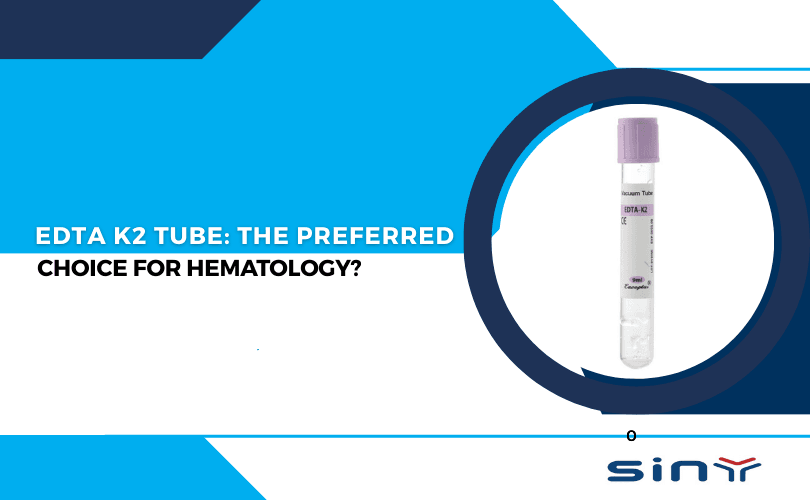
- K2 EDTA Tubes: Contain spray-dried EDTA, commonly used for routine hematology tests. They offer precise anticoagulant concentration and consistent performance.
- K3 EDTA Tubes: Contain liquid EDTA, suitable for larger sample volumes but may dilute blood slightly, which can affect certain test results.
Learn more about the differences at EDTA K2 Tube Overview.
Tube Sizes
EDTA tubes come in multiple volumes to suit different testing needs:
- 2 mL – ideal for pediatric or small-volume samples
- 3 mL and 4 mL – standard laboratory use
- 5 mL and 10 mL – larger tests or multiple analyses
Explore detailed size options at EDTA Tube Sizes Explained.
Specialized EDTA Tubes
Some manufacturers produce trace-element-free or low-retention EDTA tubes, suitable for molecular assays or sensitive diagnostic tests. These options reduce the risk of contamination and maximize sample integrity.
How to Select the Right EDTA Tube for Your Laboratory
Choosing the correct EDTA tube depends on the test type, sample volume, and laboratory equipment. Consider the following factors:
Test Requirements
Identify the tests to be performed. CBCs, molecular biology assays, and enzyme studies may require different tube types or EDTA concentrations.
Tube Size and Volume
Select the tube size according to the sample volume needed. Pediatric samples or multiple tests from a single draw may require smaller or larger tubes. More guidance is available at Choosing the Right EDTA Tube for Your Lab.
Additive Type
Confirm whether K2 or K3 EDTA is suitable for your assay. K2 EDTA is generally preferred for precise hematology testing.
Handling and Storage
Proper storage and handling are crucial to prevent contamination and maintain blood cell integrity. EDTA tubes should be gently inverted 8–10 times immediately after collection to mix the anticoagulant evenly with the blood.
For detailed handling instructions, see How to Use an EDTA Tube.
Advantages of EDTA Tubes
EDTA tubes offer several benefits that make them the preferred choice in many laboratories:
- Reliable Anticoagulation – Prevents clotting and maintains sample integrity.
- Cellular Preservation – Preserves blood cells for accurate hematology analysis.
- Versatility – Suitable for multiple tests including CBC, blood typing, and molecular diagnostics.
- Standardization – Widely accepted in labs, making results comparable across institutions.
Manufacturers such as Siny Medical EDTA Tubes ensure quality standards for clinical use.
EDTA Tube Maintenance and Best Practices
Proper usage of EDTA tubes ensures consistent results and extends their usability:
- Store at recommended temperatures.
- Avoid excessive shaking to prevent hemolysis.
- Check expiration dates and tube integrity before use.
- Label tubes accurately to prevent sample mix-ups.
Following best practices is critical, especially in multi-test laboratories, to maintain reliability.
Future of EDTA Tubes
The clinical diagnostics field is evolving rapidly. Innovations in EDTA tube design aim to improve safety, reduce contamination risk, and enhance compatibility with automated analyzers.
Future advancements may include:
- Pre-filled, single-use EDTA tubes optimized for molecular testing.
- Improved low-retention materials to preserve precious blood samples.
- Integration with barcode systems for automated tracking and laboratory management.
Learn more about emerging trends at Future of EDTA Blood Collection Tubes 2026.
Summary
EDTA tubes are indispensable tools in modern clinical laboratories. From CBCs and hematology studies to molecular biology assays, they provide reliable anticoagulation and cellular preservation. Selecting the correct tube type, size, and handling method is essential for accurate and reproducible results.
By understanding EDTA tubes, laboratories and healthcare professionals can ensure both patient safety and analytical precision. To explore high-quality EDTA tubes for professional use, visit EDTA Tube Official Website.
FAQs
What are EDTA tubes used for?
EDTA tubes are primarily used for hematology testing, blood typing, molecular assays, and other diagnostic procedures requiring anticoagulated blood.
What color is an EDTA tube?
Most EDTA tubes have a lavender or purple cap, which distinguishes them from other blood collection tubes.
Can EDTA tubes be used for all blood tests?
No. EDTA tubes are ideal for tests requiring whole blood or preserved cells. They are not suitable for coagulation assays or serum chemistry tests.
How should EDTA tubes be stored?
Store tubes at room temperature, avoid extreme heat or freezing, and invert gently after collection to mix anticoagulant.
What is the difference between K2 and K3 EDTA tubes?
K2 tubes contain spray-dried EDTA, while K3 tubes contain liquid EDTA. K2 is preferred for routine hematology due to consistent anticoagulation.