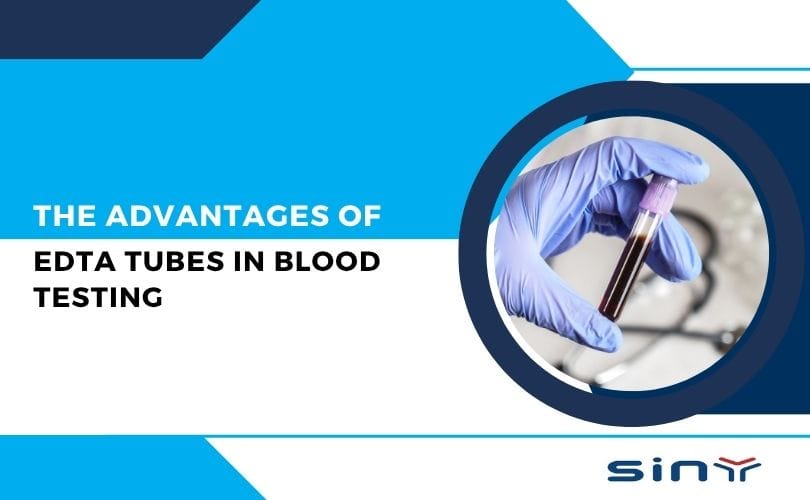
Blood testing is a cornerstone of modern medical diagnostics, enabling healthcare professionals to assess a patient’s health, detect diseases, and monitor treatment effectiveness. Among the various tools used in blood collection, EDTA tubes have emerged as a preferred choice for many laboratory tests. In this blog, we will explore the advantages of EDTA tubes, their applications, and why they are indispensable in blood testing.
What Are EDTA Tubes and Why Are They Used?
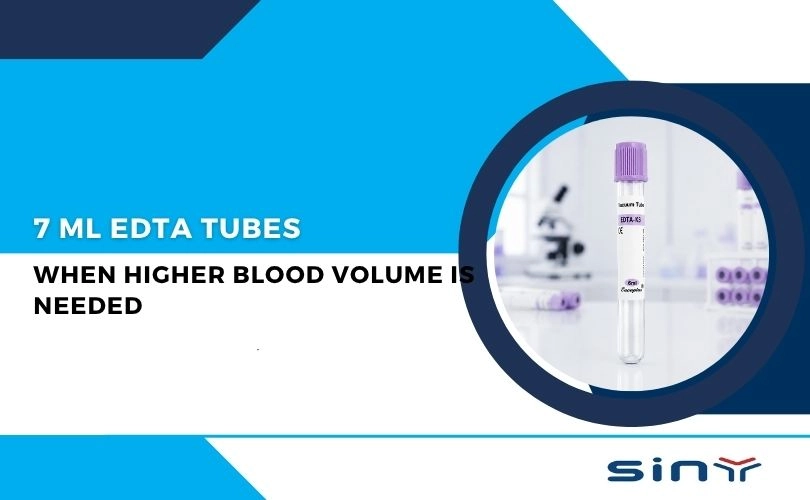
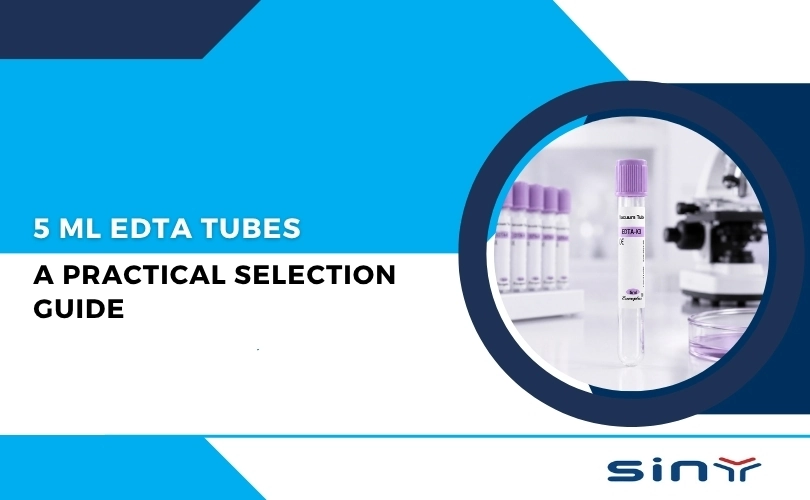
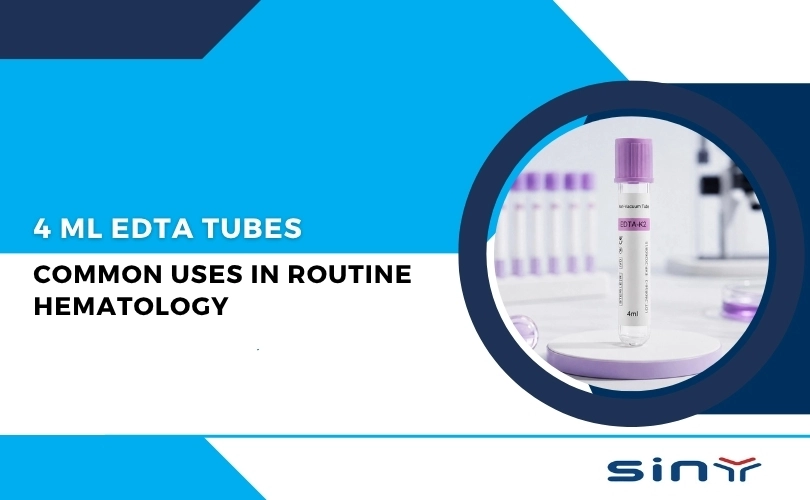
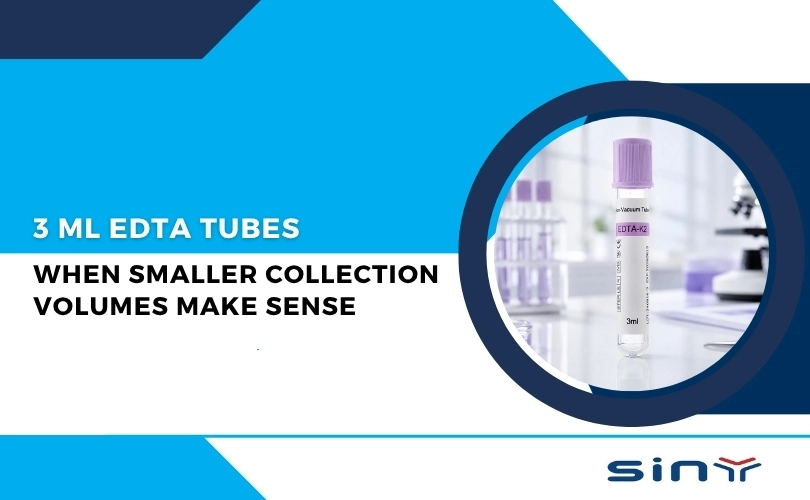
EDTA tubes, often recognized by their distinctive lavender or purple caps, are specialized blood collection tubes containing Ethylenediaminetetraacetic acid (EDTA) as an anticoagulant. This compound binds calcium ions in blood, preventing clotting and allowing for accurate analysis of blood components.
You can explore more about their technical composition and applications on this in-depth guide from EDTATube.com.
Why are EDTA tubes so crucial in lab diagnostics?
Because EDTA preserves cellular morphology—meaning red and white blood cells, along with platelets, maintain their natural shape and size for accurate readings. They’re primarily used in:
Complete Blood Count (CBC) tests
Hemoglobin and hematocrit levels
White blood cell (WBC) differentials
Molecular testing (DNA/RNA extraction)
These tubes play an essential role in ensuring precision in hematology, which is why they’re often the first choice in diagnostic centers and hospitals worldwide.
Advantages of EDTA Tubes in Blood Testing
Prevents Blood Clotting Effectively
One of the primary advantages of EDTA tubes is their ability to prevent blood clotting. By chelating calcium ions, EDTA ensures that blood remains in its liquid state, preserving the integrity of blood cells and plasma. This is crucial for accurate test results, especially in hematology.
Maintains Cell Morphology
EDTA tubes are particularly effective in preserving the shape and structure of blood cells. This is essential for tests like blood smears, where cell morphology plays a critical role in diagnosing conditions such as anemia, infections, and blood disorders.
Ideal for White Blood Cell (WBC) Counts
EDTA tubes are the gold standard for white blood cell (WBC) counts. They prevent clumping of WBCs, ensuring accurate counts and reliable results. Learn more about why EDTA tubes are preferred for WBC counts here.
Versatility in Laboratory Testing
EDTA tubes are used in a wide range of tests, including CBC, blood typing, hemoglobin analysis, and molecular diagnostics. Their versatility makes them a staple in clinical laboratories.
Stability and Longevity
Blood samples collected in EDTA tubes remain stable for extended periods, allowing for delayed testing without compromising results. This is particularly beneficial in large laboratories or when samples need to be transported.
Reduced Platelet Clumping
Clotted or clumped blood samples are a nightmare in the lab. They skew test results and often require recollection, wasting time and resources.
EDTA prevents platelet aggregation, ensuring that blood samples are smooth and test-ready. This helps in accurate platelet counts, which are critical for diagnosing clotting disorders and monitoring chemotherapy patients.
Check out this product listing for EDTA Tubes for Blood Collection that are designed to prevent clumping and optimize sample performance.
Hematology Testing
EDTA tubes are the gold standard for hematological tests such as CBC, differential WBC counts, platelet counts, and blood smears. Their anticoagulant properties ensure that the cells remain viable and unaltered, allowing accurate diagnosis of anemias, leukemias, infections, and clotting disorders.
Trusted Manufacturing and Global Distribution
Not all EDTA tubes are created equal. Quality matters. That’s why sourcing from a trusted manufacturer is crucial. Companies like Siny Medical have set high standards for producing sterile, high-precision EDTA tubes that meet international compliance.
Want to see more? Visit their YouTube Channel to watch EDTA tube production in action.
Summary
EDTA tubes are indispensable tools in modern blood testing due to their anticoagulant properties, excellent preservation of cellular morphology, and ability to stabilize DNA and RNA. Their cost-effectiveness, compatibility with automation, and diverse clinical applications make them the preferred choice in hematology, molecular diagnostics, and blood banking.
External Resources:
- Watch educational videos on blood collection techniques on our YouTube channel.
- Discover more about EDTA tubes and other medical products on Sinymedical’s Made-in-China page.
By understanding the advantages of EDTA tubes, healthcare professionals can make informed decisions and ensure the highest standards of patient care.
FAQs
What is the primary function of EDTA in blood collection tubes?
EDTA acts as an anticoagulant by binding calcium ions, thereby preventing blood clotting and preserving the sample for accurate analysis.
Why are EDTA tubes preferred for complete blood count (CBC) tests?
They keep blood cells intact without clotting, allowing precise counts and morphological study of red and white blood cells and platelets.
Are EDTA tubes suitable for molecular biology tests?
Yes, EDTA stabilizes DNA and RNA, making these tubes ideal for genetic analyses, PCR testing, and sequencing.
What is the difference between EDTA-K2 and EDTA-K3 tubes?
Both are potassium salt forms of EDTA. K2 tubes are preferred for platelet morphology and counts, while K3 tubes suit a broader range of hematology tests.
Can EDTA tubes be used for coagulation studies?
No, citrate tubes are preferred for coagulation studies because citrate’s reversible calcium binding is suitable for these assays.
Where can I purchase high-quality EDTA tubes?
Reliable and medically certified EDTA tubes can be found at EDTATube.com’s product category, ensuring quality and compliance with laboratory standards.