Blood transfusion saves millions of lives every year. From emergency trauma care to routine surgeries and chronic disease management, transfusions remain a cornerstone of modern medicine. Yet, behind every successful transfusion lies a critical laboratory process that often goes unnoticed by patients—the cross-matching of blood.
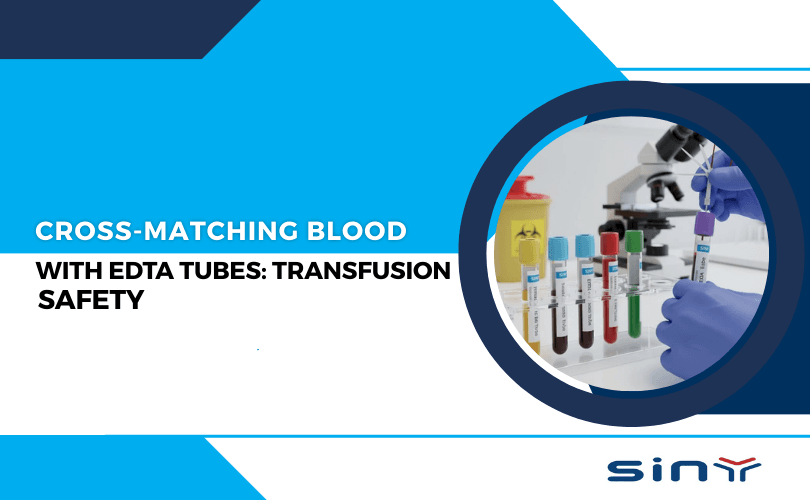
Cross-Matching Blood with EDTA Tubes plays a central role in transfusion safety. This step ensures compatibility between donor blood and the recipient, reducing the risk of life-threatening transfusion reactions. As laboratories strive for accuracy, efficiency, and regulatory compliance, EDTA tubes have become the preferred choice for reliable blood grouping and compatibility testing.
In this in-depth guide, we explore how EDTA tubes support safe blood cross-matching, why they are trusted worldwide, and how laboratories can optimize transfusion outcomes using the right collection practices.
Blood Cross-Matching and Why It Matters
Before blood is transfused, laboratories must confirm that donor red blood cells are compatible with the recipient’s plasma. Even minor incompatibilities can cause hemolysis, organ failure, or severe immune reactions.
Blood cross-matching involves combining samples of donor blood with the recipient’s blood to detect any agglutination or unexpected antibodies. This process verifies compatibility beyond basic blood typing and acts as a final safety checkpoint.
When Cross-Matching Blood with EDTA Tubes, laboratories gain a stable sample that preserves cellular integrity while preventing clot formation—both essential for accurate testing.

What Are EDTA Tubes and How Do They Work?
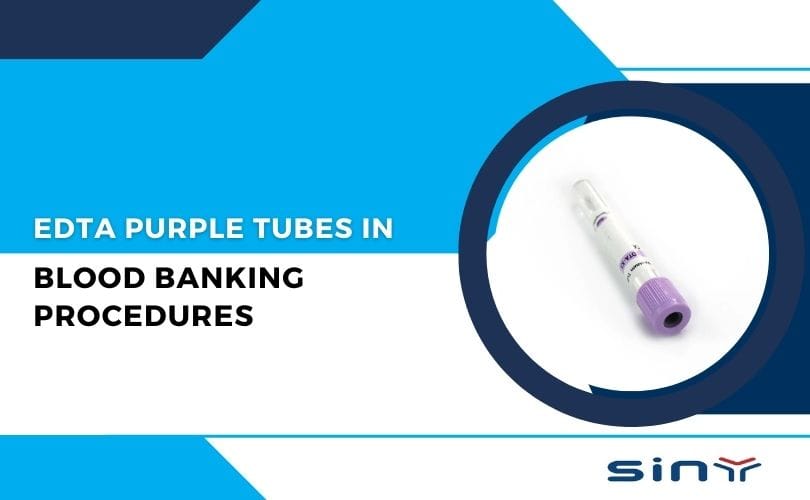
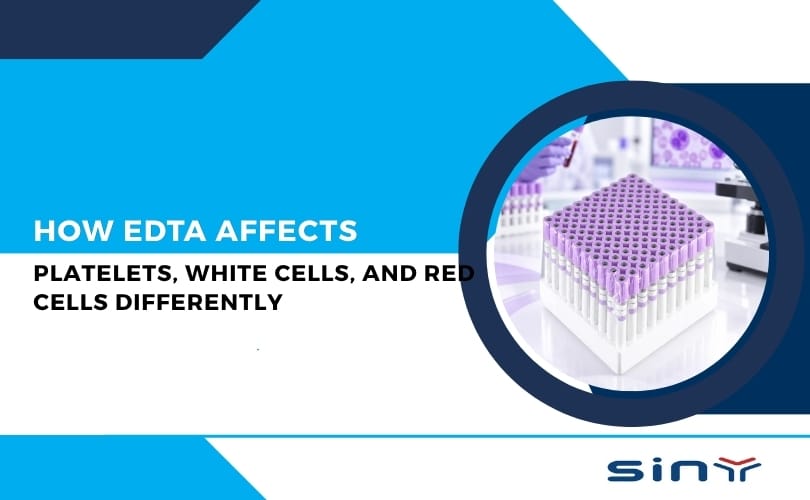
EDTA tubes are blood collection tubes coated with ethylenediaminetetraacetic acid, a powerful anticoagulant. EDTA works by binding calcium ions, which are required for the clotting cascade. By removing calcium from the equation, EDTA prevents coagulation without damaging blood cells.
This unique property makes EDTA tubes especially valuable in hematology and transfusion medicine. According to the complete blood count overview, EDTA is the standard anticoagulant for preserving blood morphology during laboratory analysis.
Manufacturers such as Siny Medical design EDTA tubes specifically for precision diagnostics, ensuring consistent anticoagulant concentration and sterile conditions.
Why EDTA Tubes Are Preferred for Cross-Matching Blood
Not all anticoagulants perform equally in transfusion testing. While citrate and heparin have their uses, EDTA remains the gold standard for pre-transfusion compatibility testing.
When Cross-Matching Blood with EDTA Tubes, laboratories benefit from enhanced antibody preservation. EDTA inhibits complement activation, which reduces false-positive reactions and improves test reliability.
Another advantage is sample stability. EDTA tubes maintain red blood cell shape and surface antigens for extended periods. This stability is crucial when cross-matching cannot be performed immediately after collection.
For laboratories sourcing reliable products, the EDTA tube product category offers multiple volume options suited for blood bank workflows.
The Science Behind Cross-Matching Blood with EDTA Tubes
The cross-matching process typically includes three phases: immediate spin testing, antibody screening, and compatibility testing. EDTA samples perform exceptionally well in all three phases.
During antibody screening, EDTA prevents in vitro complement activation. This feature reduces nonspecific hemolysis, allowing technologists to focus on clinically significant antibodies.
Studies published by blood safety organizations indicate that EDTA-based testing improves detection accuracy for IgG antibodies, which are responsible for most delayed hemolytic transfusion reactions.
This is why Cross-Matching Blood with EDTA Tubes has become a standard recommendation in transfusion guidelines worldwide.
EDTA Tubes vs Other Anticoagulants in Blood Cross-Matching
To understand the advantage of EDTA tubes, it helps to compare them with alternatives.
Citrate tubes, commonly used for coagulation studies, dilute blood samples and can interfere with antibody titration. Heparin tubes may cause red cell aggregation, complicating interpretation.
EDTA tubes, by contrast, preserve antigen expression and prevent clotting without dilution. This balance ensures consistent results across different testing platforms.
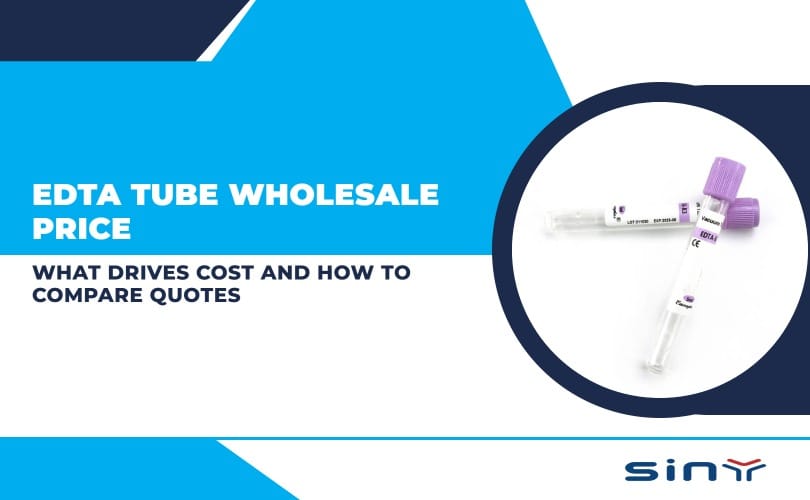
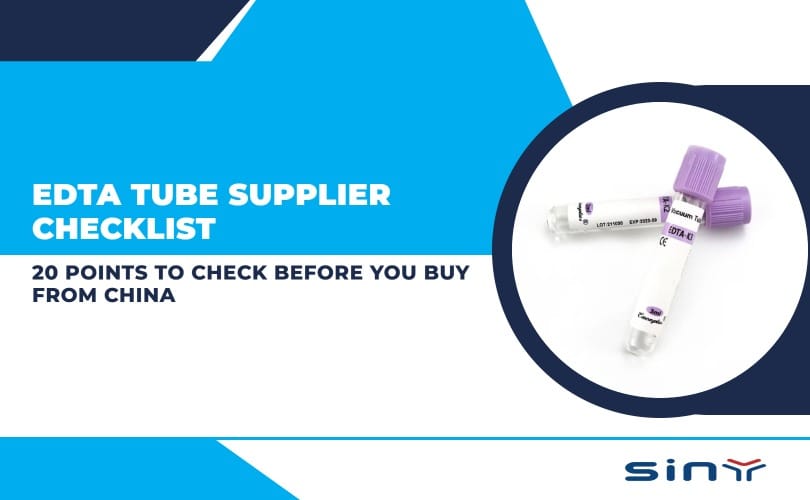
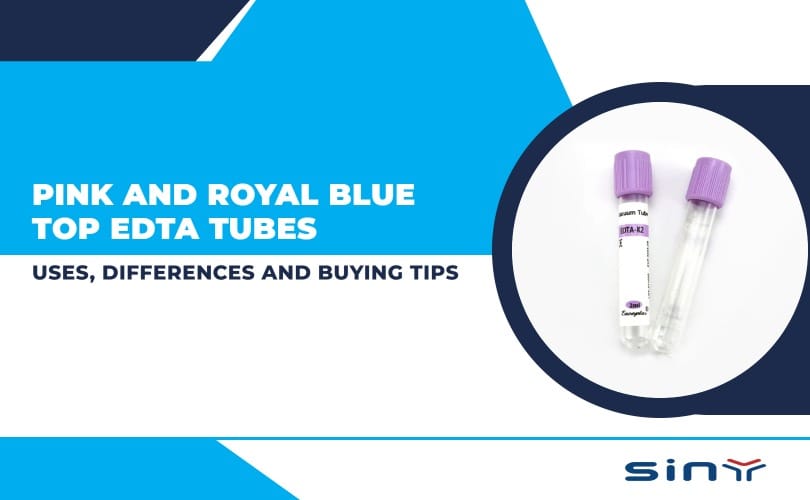
Laboratories seeking internationally certified products often rely on options such as the Siny wholesale lavender cap K2 EDTA tube for routine cross-matching workflows.
Quality Standards That Make EDTA Tubes Reliable
Transfusion safety depends not only on technique but also on product quality. EDTA tubes used for cross-matching must meet strict regulatory standards to avoid contamination, under- or over-anticoagulation, and sample degradation.
Siny Medical follows ISO and CE certification protocols, which are outlined in detail on their quality standards and certifications page. These standards ensure consistent EDTA concentration and tube integrity.
Using certified tubes reduces pre-analytical errors—a leading cause of transfusion mismatches.
Proper Sample Collection for Cross-Matching Blood with EDTA Tubes
Correct sample collection is just as important as the tube itself. When collecting blood for cross-matching, phlebotomists must ensure proper tube filling. Underfilling alters the blood-to-EDTA ratio, which may affect antigen expression.
Gentle inversion after collection ensures proper mixing without damaging red cells. Vigorous shaking should always be avoided.
Laboratories can find practical guidance in the article on how to choose the right EDTA tube for your lab, which explains volume selection and usage best practices.
Storage and Stability of EDTA Samples for Cross-Matching
EDTA samples remain stable for a limited time. Most transfusion laboratories perform cross-matching within 24 hours of collection. EDTA preserves blood cells effectively within this window when stored at recommended temperatures.
Delayed testing increases the risk of antigen degradation, which can compromise results. Therefore, laboratories must follow strict storage protocols to maintain the reliability of Cross-Matching Blood with EDTA Tubes.
The Role of EDTA Tubes in Emergency Transfusions
In emergency situations, rapid and accurate cross-matching becomes even more critical. EDTA tubes allow laboratories to perform expedited testing without sacrificing accuracy.
Their compatibility with automated analyzers also speeds up workflows. This efficiency can make the difference between life and death in trauma care.
Hospitals that maintain adequate EDTA tube inventory, such as the Siny EDTA 2–10 ml options, are better prepared for high-volume emergencies.
Environmental and Safety Considerations in EDTA Tube Disposal
Once testing is complete, used EDTA tubes must be disposed of responsibly. Blood-contaminated materials pose biological hazards if handled improperly.
Guidelines for safe disposal are explained in detail in this resource on how to dispose of blood collection tubes. Following these protocols protects laboratory staff and the environment.
How EDTA Tubes Support Global Transfusion Standards
International transfusion guidelines emphasize consistency and reproducibility. EDTA tubes meet these requirements by offering predictable anticoagulant performance across batches.
Educational resources such as the complete guide to EDTA tubes explain why EDTA remains the anticoagulant of choice for blood banks worldwide.
Manufacturers also provide educational content through platforms like Siny Medical’s YouTube channel, helping laboratories stay updated on best practices.
Choosing the Right Supplier for EDTA Tubes
Selecting a reliable supplier ensures uninterrupted laboratory operations. Trusted manufacturers maintain strict quality control, transparent documentation, and responsive support.
Platforms such as Siny Medical’s official EDTA tube page and their Made-in-China profile offer detailed product specifications for international buyers.
For inquiries or bulk orders, laboratories can directly reach out through the contact page.
Summary
Safe blood transfusion depends on meticulous laboratory practices. Cross-Matching Blood with EDTA Tubes provides the accuracy, stability, and reliability that modern transfusion medicine demands. By choosing high-quality EDTA tubes, following proper collection protocols, and working with trusted suppliers, laboratories can significantly reduce transfusion risks and improve patient outcomes.Get For more information visit edta tube and contact us.
FAQs
Why is EDTA preferred when cross-matching blood?
EDTA prevents clotting while preserving red cell antigens, making Cross-Matching Blood with EDTA Tubes more accurate and reliable.
Can EDTA tubes be used for emergency cross-matching?
Yes, EDTA tubes are ideal for rapid testing, which is why Cross-Matching Blood with EDTA Tubes is common in emergency transfusion protocols.
How long is an EDTA blood sample valid for cross-matching?
Most laboratories recommend testing within 24 hours when Cross-Matching Blood with EDTA Tubes to ensure antigen stability.
Do EDTA tubes interfere with antibody detection?
No, EDTA actually improves antibody detection, which enhances safety during Cross-Matching Blood with EDTA Tubes.
Are all EDTA tubes suitable for transfusion testing?
Only certified products should be used. Quality matters when Cross-Matching Blood with EDTA Tubes to avoid pre-analytical errors.