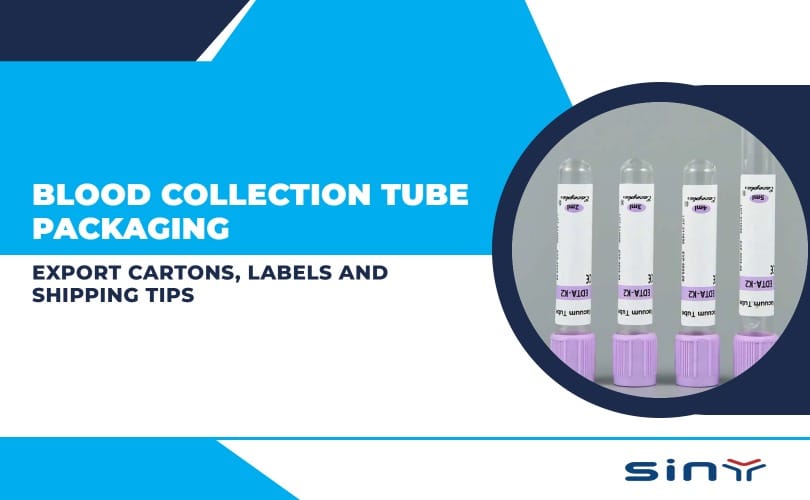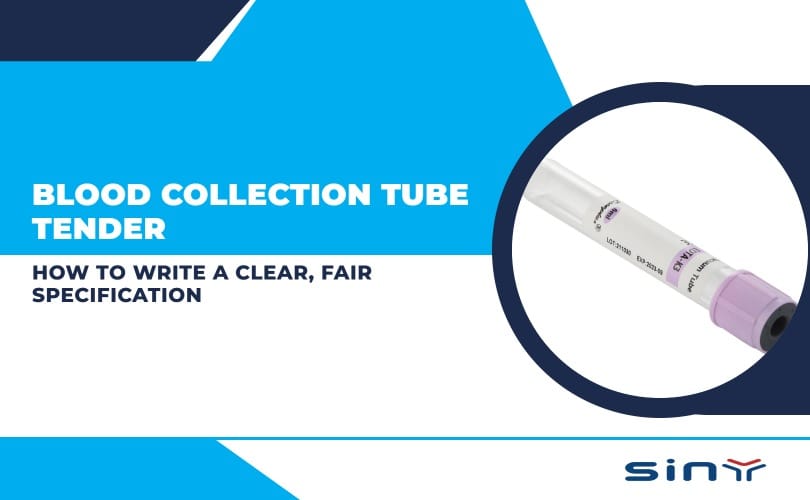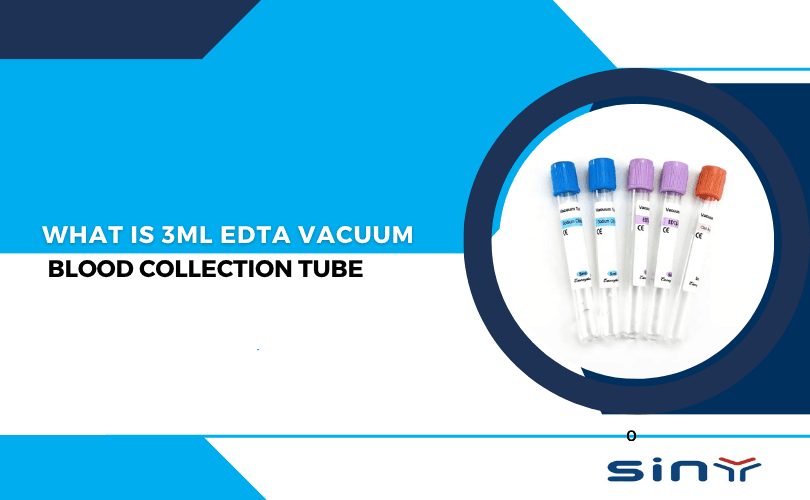
One of the most commonly used tools in this process is the 3ml EDTA Vacuum Blood Collection Tube. Designed for precision and reliability, this tube plays a vital role in hematology testing, especially for procedures like the complete blood count test.
If you’ve ever wondered why laboratories prefer EDTA tubes over others, or why the 3ml size is so widely used, you’re not alone. This guide explains everything you need to know—from composition and working principles to applications and selection tips.
For a broader overview of available products, you can visit the EDTA tube product collection or explore the main website.
What Is a 3ml EDTA Vacuum Blood Collection Tube?
A 3ml EDTA Vacuum Blood Collection Tube is a sterile, pre-evacuated tube used to collect and preserve blood samples. It contains EDTA (Ethylenediaminetetraacetic acid), an anticoagulant that prevents blood from clotting.
The tube is engineered with a vacuum seal. This vacuum automatically draws a fixed volume of blood—3 milliliters—when a needle punctures the stopper. This ensures consistency in sample collection, which is critical for accurate lab results.
You can also explore a practical breakdown in this detailed product guide.
Why EDTA Is Used in Blood Collection Tubes
EDTA is widely regarded as the gold standard anticoagulant in hematology. It works by binding calcium ions in the blood. Since calcium is essential for clotting, this process effectively prevents coagulation.
This mechanism ensures that the cellular components of blood remain intact. As a result, the 3ml EDTA Vacuum Blood Collection Tube preserves red blood cells, white blood cells, and platelets in their natural state.
Compared to other anticoagulants, EDTA offers several advantages. For example, it causes minimal distortion of blood cells, which is essential for microscopic examination and automated analysis.
To better understand how EDTA compares with other anticoagulants, read this comparison guide on EDTA vs citrate tubes.
Key Components of a 3ml EDTA Vacuum Blood Collection Tube
Understanding the structure of the 3ml EDTA Vacuum Blood Collection Tube helps explain its reliability.
Tube Material
Most tubes are made from medical-grade plastic such as PET. This material is lightweight, shatter-resistant, and safe for clinical use.
EDTA Additive
The inner wall of the tube is coated with EDTA. It may be in liquid or spray-dried form, depending on the manufacturer.
Vacuum Seal
The vacuum inside the tube ensures that exactly 3ml of blood is drawn. This precision eliminates human error during collection.
Rubber Stopper
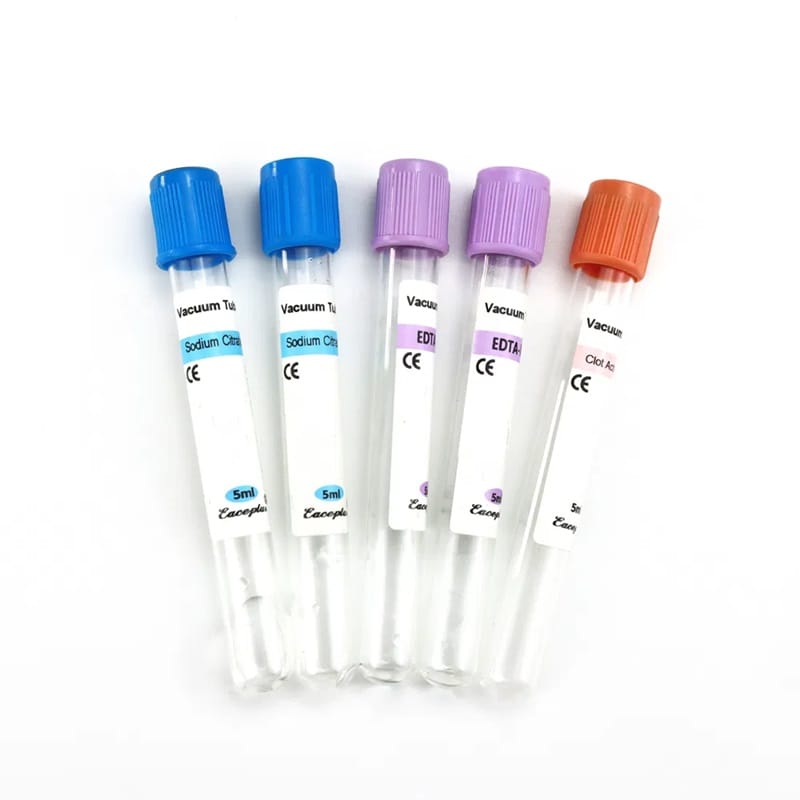
The tube is sealed with a color-coded stopper. Typically, EDTA tubes use a lavender or purple cap for easy identification.
How Does a 3ml EDTA Vacuum Blood Collection Tube Work?
The process is simple but highly effective.
When a healthcare professional inserts a needle into a vein and attaches the 3ml EDTA Vacuum Blood Collection Tube, the internal vacuum pulls blood into the tube. Once filled, the tube is gently inverted several times.
This mixing step is crucial. It allows the EDTA to interact evenly with the blood, preventing clot formation.
If you’re new to this procedure, you can follow this step-by-step usage guide.
Uses in Medical Laboratories
The 3ml EDTA Vacuum Blood Collection Tube is essential in many diagnostic procedures.
Hematology Testing
The most common use is for complete blood count tests. These tests measure different components of blood, including hemoglobin, hematocrit, and platelet count.
Blood Smear Analysis
Laboratories use EDTA-preserved blood for preparing smears. This helps detect abnormalities in blood cells.
Molecular Diagnostics
The tube also supports DNA and RNA extraction. EDTA stabilizes nucleic acids, making it suitable for genetic testing.
Disease Diagnosis
Doctors rely on EDTA tubes for diagnosing infections, anemia, leukemia, and other blood-related conditions.
Why Choose the 3ml Size?
The 3ml size strikes a perfect balance between sample volume and patient comfort.
Smaller tubes reduce discomfort, especially for pediatric or elderly patients. At the same time, 3ml provides enough sample for multiple tests.
If you’re unsure about selecting the right size, check this helpful resource: How to select the right EDTA tube size
You can also compare sizes in this guide: EDTA tube sizes explained
Comparison: 3ml vs Other EDTA Tube Sizes
| Tube Size | Typical Use | Advantages | Limitations |
|---|---|---|---|
| 2ml | Pediatric tests | Minimal blood draw | Limited testing volume |
| 3ml | Standard hematology | Balanced volume | Slightly more blood needed |
| 4ml | Multiple tests | More sample available | Not ideal for children |
| 5ml+ | Advanced diagnostics | High capacity | Increased discomfort |
For a deeper comparison, visit:Choosing between EDTA tube sizes
Advantages of Using a 3ml EDTA Vacuum Blood Collection Tube
The popularity of the 3ml EDTA Vacuum Blood Collection Tube comes from its many benefits.
It ensures accurate blood-to-additive ratios. This consistency improves test reliability.
It preserves cell morphology. This is critical for diagnostic accuracy.
It reduces contamination risk. The closed system minimizes exposure to external elements.
It also improves workflow efficiency in laboratories by standardizing sample volumes.
Limitations and Considerations
Despite its advantages, the 3ml EDTA Vacuum Blood Collection Tube is not suitable for all tests.
For example, it is not recommended for coagulation studies. EDTA interferes with clotting factors, making results unreliable.
Improper mixing can also lead to clot formation. Therefore, proper handling is essential.
Temperature and storage conditions can affect sample integrity as well.
How to Choose the Right EDTA Tube for Your Lab
Selecting the right tube depends on your specific requirements.
Start by identifying the type of test. Hematology tests typically require EDTA tubes.
Next, consider sample volume. The 3ml option works well for most routine diagnostics.
Finally, evaluate quality standards and certifications.
For expert advice, read this guide: How to choose the right EDTA tube for your lab
Summary
3ml EDTA Vacuum Blood Collection Tube is a cornerstone of modern laboratory diagnostics. It ensures accurate sample collection, preserves blood components, and supports a wide range of hematology tests.
Its balanced volume, reliability, and compatibility with automated systems make it an ideal choice for most laboratories. While it may not suit every test, its advantages far outweigh its limitations.
If you’re looking to improve diagnostic accuracy and efficiency, the 3ml EDTA Vacuum Blood Collection Tube is a dependable solution.
For more information or product inquiries, feel free to visit the contact page.
FAQs
Q. What is a 3ml EDTA Vacuum Blood Collection Tube used for?
A. A 3ml EDTA Vacuum Blood Collection Tube is mainly used for hematology tests like complete blood count, as it preserves blood cells and prevents clotting.
Q. Why is EDTA used in a 3ml EDTA Vacuum Blood Collection Tube?
A. EDTA in a 3ml EDTA Vacuum Blood Collection Tube binds calcium ions, preventing clotting and preserving the structure of blood cells for accurate testing.
Q. Can a 3ml EDTA Vacuum Blood Collection Tube be used for all tests?
A. No, a 3ml EDTA Vacuum Blood Collection Tube is not suitable for coagulation tests because EDTA interferes with clotting factors.
Q. How should I store a 3ml EDTA Vacuum Blood Collection Tube after use?
A. After collection, a 3ml EDTA Vacuum Blood Collection Tube should be gently mixed and stored at recommended temperatures to maintain sample integrity.
Q. Is a 3ml EDTA Vacuum Blood Collection Tube safe for patients?
A. Yes, a 3ml EDTA Vacuum Blood Collection Tube is designed for safe, sterile blood collection and minimizes contamination risks.