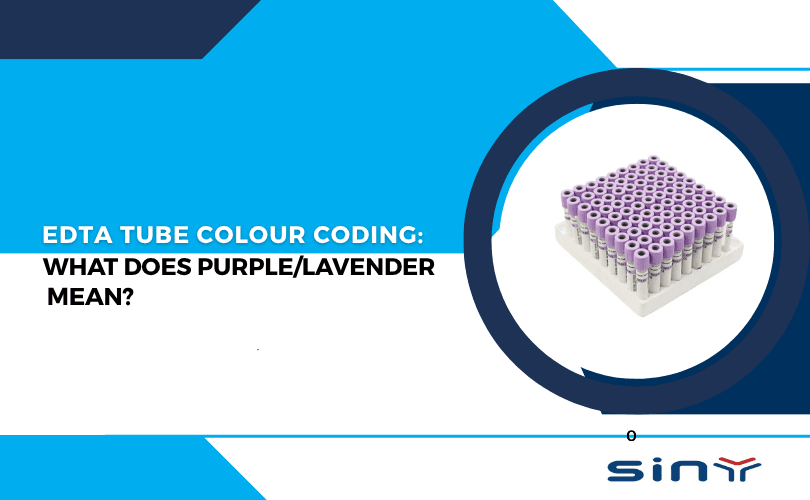
EDTA Tube Colour Coding is not just helpful—it’s essential. Those small, color-coded caps on blood collection tubes carry critical information about additives, testing purposes, and sample handling. Among them, the purple or lavender top EDTA tube is one of the most widely used, yet often misunderstood.
In this in-depth guide, we’ll explore what the purple/lavender EDTA tube really means, why color coding matters, and how it directly impacts diagnostic accuracy. Whether you’re a lab technician, medical student, or healthcare professional, this article will give you a clear, practical understanding.
What Is EDTA Tube Colour Coding?
EDTA Tube Colour Coding refers to the standardized system used to identify blood collection tubes based on the additives they contain. Each color represents a specific anticoagulant or chemical, which determines how the blood sample will be processed and what tests it can support.
This system helps prevent sample contamination and ensures proper test results. Without consistent color coding, labs would face confusion, delays, and potential diagnostic errors.
For example:
- Red tubes typically contain no anticoagulant
- Blue tubes contain sodium citrate
- Green tubes contain heparin
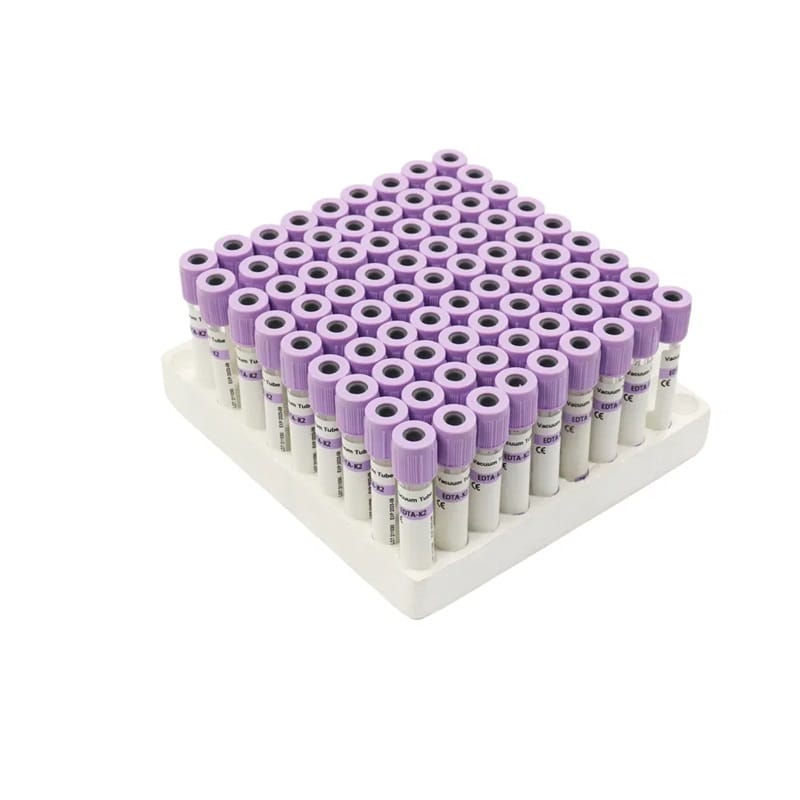
- Purple/lavender tubes contain EDTA
You can explore more about these variations on the official page for EDTA tube color details edta tube colour
Why Color Coding Matters in Blood Collection
The importance of EDTA Tube Colour Coding goes beyond simple organization. It plays a direct role in patient safety and test reliability.
When blood is collected, it immediately begins to clot. Different tests require different conditions. Some tests need whole blood, others need plasma or serum. The additives inside the tubes control these conditions.
If the wrong tube is used:
- Blood may clot when it shouldn’t
- Cells may degrade
- Test results may become invalid
According to widely accepted laboratory practices, even a small mistake in tube selection can lead to sample rejection or misdiagnosis.
What Does the Purple/Lavender EDTA Tube Mean?
The purple or lavender EDTA tube contains ethylenediaminetetraacetic acid (EDTA), a powerful anticoagulant. It works by binding calcium ions in the blood. Since calcium is essential for clotting, removing it prevents coagulation.
This makes the lavender tube ideal for tests that require intact blood cells.
Key Functions of EDTA in Blood Samples
- Prevents clotting by chelating calcium
- Preserves cellular components
- Maintains morphology of red and white blood cells
- Stabilizes platelets
Because of these properties, EDTA tubes are widely used in hematology.
Tests Performed Using Lavender EDTA Tubes
The most common use of lavender tubes is for hematological testing. One of the most important tests performed is the Complete Blood Count (CBC).
You can learn more about this test here wiki/Complete blood count
Tests Typically Done with EDTA Tubes
- Complete Blood Count (CBC)
- Hemoglobin and hematocrit
- White blood cell count
- Platelet count
- Blood smear analysis
These tests rely on intact cells, which EDTA helps preserve.
Why EDTA Is Preferred in Hematology
EDTA is considered the gold standard anticoagulant for hematology. That’s because it preserves blood cell structure better than other additives.
Compared to alternatives like heparin or citrate:
- EDTA provides clearer cell morphology
- It prevents platelet clumping
- It minimizes sample distortion
This is why most labs choose EDTA tubes for routine blood analysis.
For a deeper look into EDTA tube benefits, visit top 5 benefits of using edta tubes
EDTA Tube Sizes and Their Role
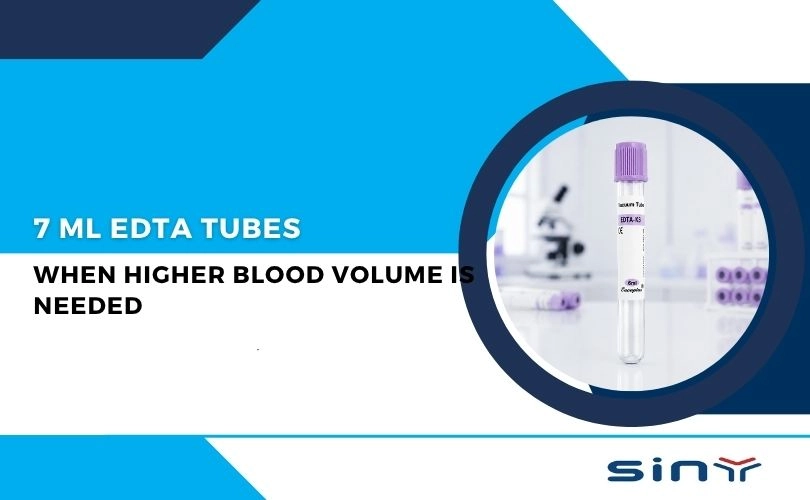
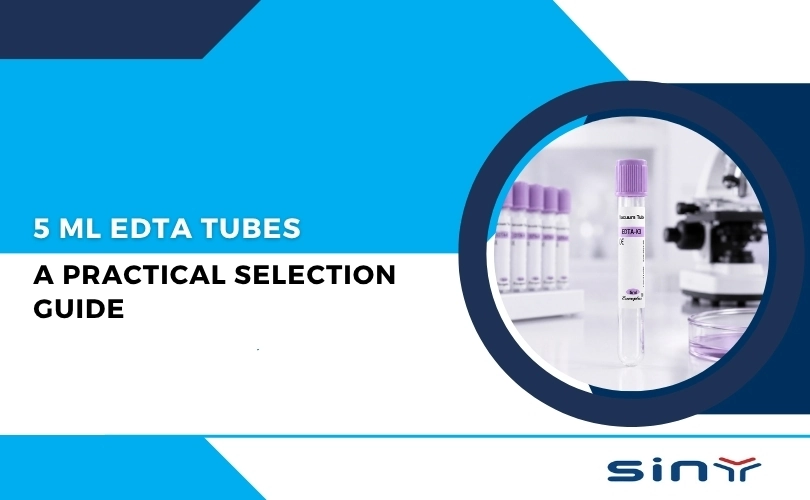
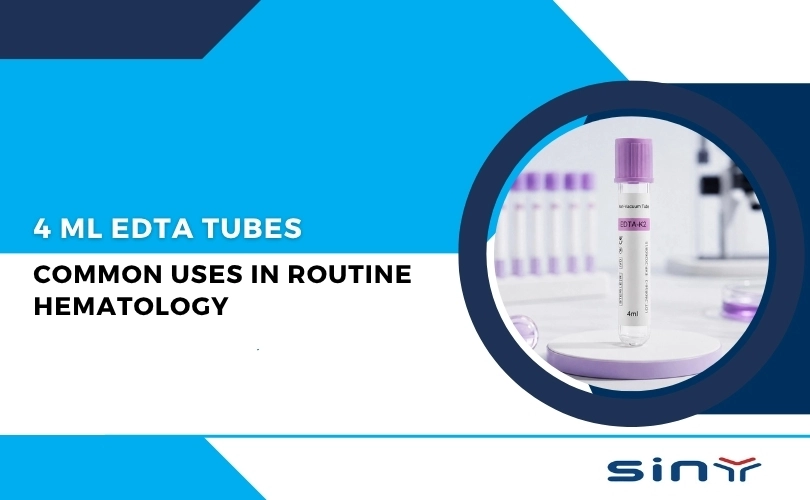
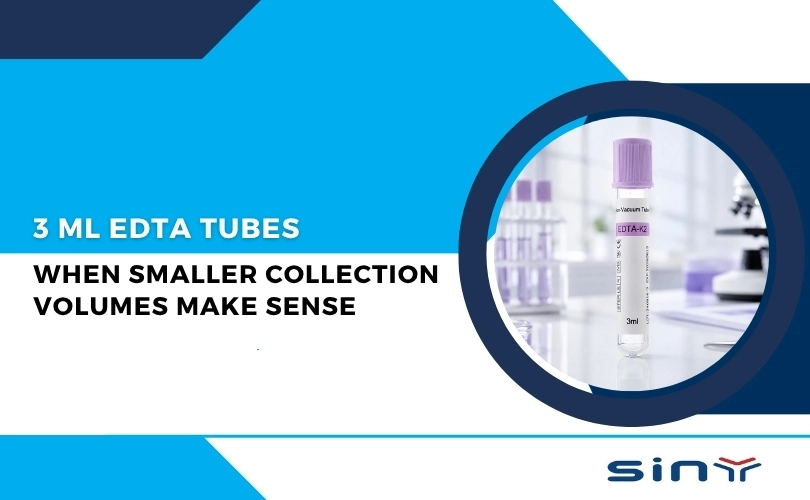
While discussing EDTA Tube Colour Coding, it’s also important to consider tube sizes. EDTA tubes come in different volumes, such as 2ml, 3ml, 5ml, and 10ml.
Each size serves a different purpose depending on the test and patient type.
For example:
- Smaller tubes are used for pediatric patients
- Larger tubes are used for multiple tests
You can explore detailed size comparisons here edta tube sizes explained 2ml 3ml 4ml 5ml 6ml 10
And for guidance on choosing the right size how to select the right edta tube size for your
How EDTA Tube Colour Coding Prevents Errors
Mistakes in sample collection can be costly. That’s where EDTA Tube Colour Coding proves its value.
Color coding helps:
- Reduce human error
- Speed up lab workflows
- Ensure correct sample processing
For example, if a technician accidentally uses a red-top tube instead of a lavender one, the blood may clot, making it unusable for a CBC test.
Standardization ensures that every lab professional, regardless of location, follows the same system.
Step-by-Step: How to Use a Lavender EDTA Tube
Using an EDTA tube correctly is just as important as selecting it.
Basic Steps
- Draw blood using sterile technique
- Fill the tube to the indicated level
- Gently invert the tube 8–10 times
- Avoid shaking to prevent hemolysis
- Label the sample immediately
For a detailed guide, visit how to use an edta tube
Comparison Table: EDTA vs Other Tube Types
| Tube Color | Additive | Purpose | Common Tests |
|---|---|---|---|
| Lavender | EDTA | Anticoagulant | CBC, blood smear |
| Blue | Sodium Citrate | Coagulation | PT, aPTT |
| Green | Heparin | Plasma separation | Chemistry tests |
| Red | None | Serum | Serology |
This comparison highlights why EDTA Tube Colour Coding is essential for proper test selection.
Are All Purple Tubes the Same?
Not exactly. While most purple tubes contain EDTA, there are slight variations:
- K2 EDTA
- K3 EDTA
These differ in their chemical composition but serve similar purposes. Most modern labs prefer K2 EDTA because it causes less cell shrinkage.
You can explore product options here product category edta tube
EDTA Tubes in DNA Testing
Beyond hematology, EDTA tubes also play a key role in molecular diagnostics.
They are commonly used in DNA testing because they:
- Preserve nucleic acids
- Prevent degradation
- Maintain sample integrity
Learn more about this application can edta tubes be used for dna testing
How to Choose the Right EDTA Tube for Your Lab
Choosing the right tube involves more than color. You must consider:
- Sample volume
- Test requirements
- Patient type
- Storage conditions
For expert guidance, visit how to choose the right edta tube for your lab
You can also browse available products here products
Industry Standards and Global Practices
The system of EDTA Tube Colour Coding follows international standards. Organizations like CLSI (Clinical and Laboratory Standards Institute) recommend consistent use of color coding.
This ensures:
- Uniformity across labs
- Easier training
- Reduced error rates
Even manufacturers like edta tube
follow these standardized practices.
Future Trends in EDTA Tube Technology
The future of EDTA tubes looks promising. Innovations are focusing on:
- Improved anticoagulants
- Better vacuum sealing
- Enhanced sample stability
To explore upcoming developments future of edta blood collection tubes 2026
Summary
EDTA Tube Colour Coding is essential for anyone involved in blood collection or laboratory testing. The purple or lavender tube is not just a color—it represents a carefully designed system that ensures accuracy, safety, and efficiency.
By using the correct tube, healthcare professionals can:
- Preserve sample quality
- Prevent errors
- Deliver reliable diagnostic results
If you want to learn more or explore high-quality EDTA tubes, visit edtatube or contact the team here contact us
FAQs
Q. What is EDTA Tube Colour Coding used for?
A. EDTA Tube Colour Coding is used to identify the type of additive inside blood collection tubes, ensuring correct sample handling and accurate test results.
Q. Why is the EDTA tube purple or lavender?
A. The purple color in EDTA Tube Colour Coding represents the presence of EDTA anticoagulant, which prevents blood clotting and preserves cells.
Q. Can EDTA tubes be used for all blood tests?
A. No, EDTA Tube Colour Coding indicates that these tubes are mainly for hematology tests, not for chemistry or coagulation studies.
Q. What happens if the wrong tube is used?
A. Ignoring EDTA Tube Colour Coding can lead to clotting or sample degradation, resulting in inaccurate or unusable test results.
Q. How should EDTA tubes be handled after collection?
A. Proper handling in EDTA Tube Colour Coding includes gentle inversion and avoiding shaking to maintain sample integrity.