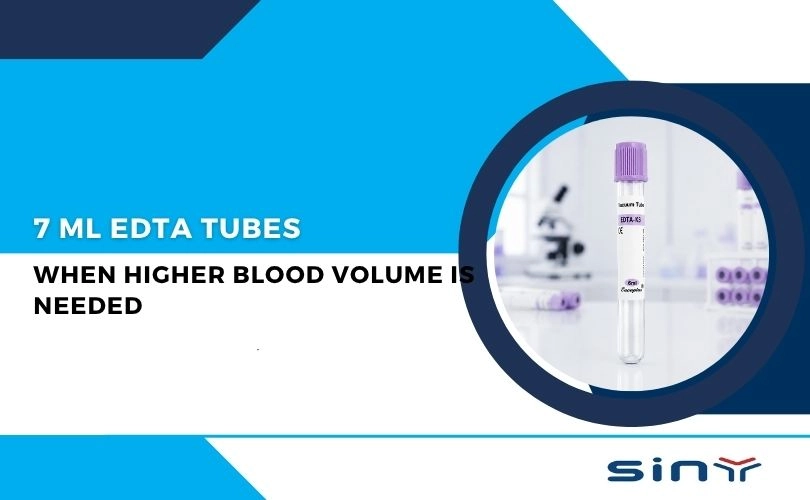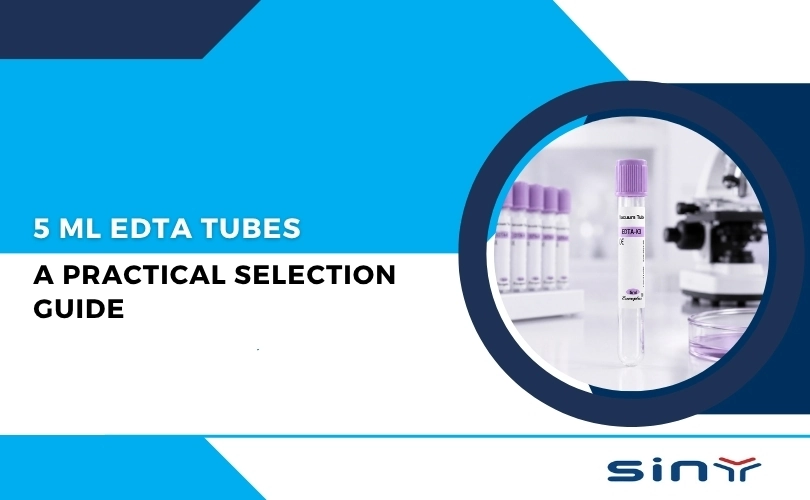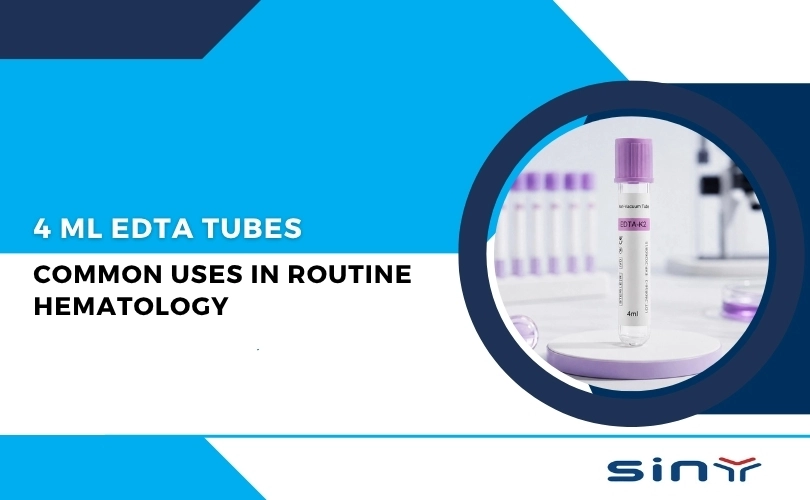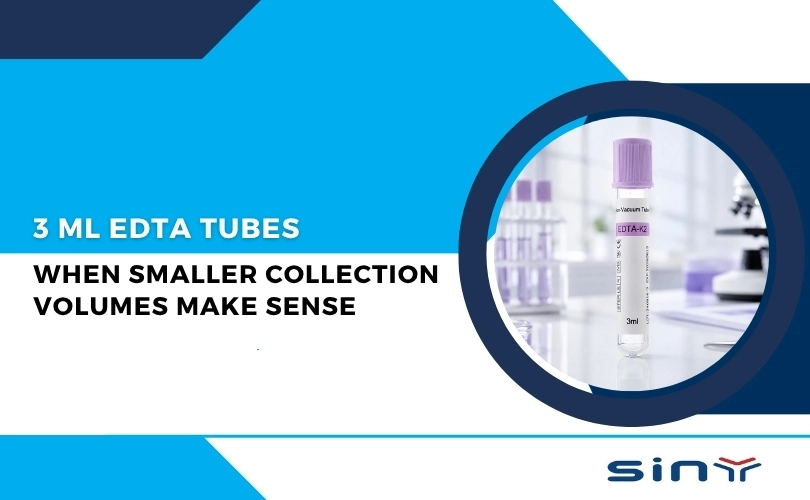
The Purple EDTA Tube is one of the most widely used tools in modern laboratory diagnostics. Whether in hospitals, clinics, or blood banks, this tube plays a vital role in collecting and preserving blood samples for accurate testing. Many healthcare professionals rely on the Purple EDTA Tube because it prevents blood from clotting while keeping cells intact for detailed analysis.
Understanding the exact use of this tube helps medical staff, laboratory technicians, and students improve sample quality and reduce testing errors. The anticoagulant inside the tube, known as EDTA (Ethylenediaminetetraacetic Acid), binds calcium ions and stops clot formation, making it essential for hematology and blood-related examinations.
If you want to explore different laboratory tube types or available models, you can browse the official product section at
https://edtatube.com/ or visit the dedicated catalog page at EDTA Tubes.
What Is a Purple EDTA Tube?
A Purple EDTA Tube, often called a purple top tube, is a blood collection container that contains the anticoagulant EDTA. This chemical prevents clotting by binding calcium ions, which are required for blood coagulation.
For detailed chemical background, you can review the explanation of Ethylenediaminetetraacetic Acid (EDTA) on Wikipedia.
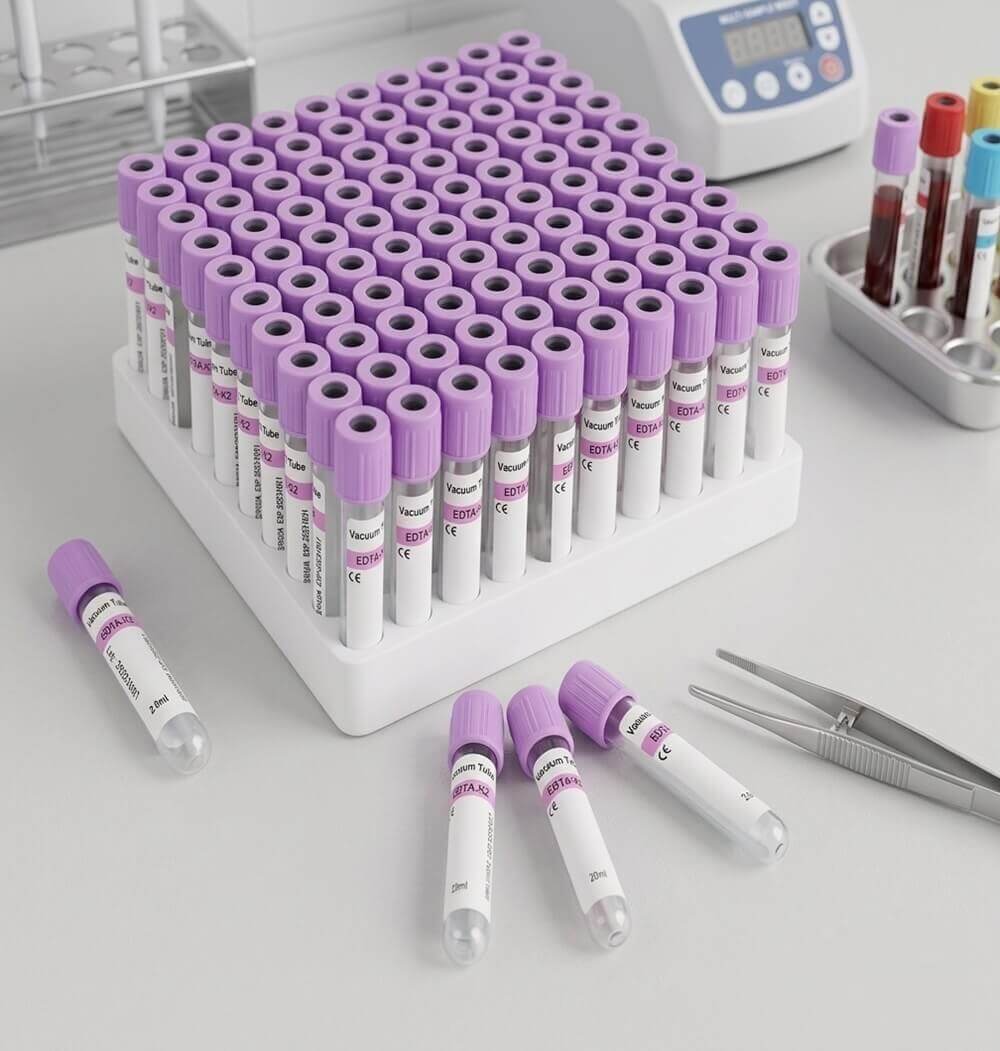
The tube’s distinctive purple cap is not random. It is part of an internationally recognized color-coding system used in medical laboratories. You can learn more about the color significance here: Are EDTA Tubes purble.
Why is the Purple EDTA Tube Used for Hematology Tests?
The primary reason we utilize the purple EDTA tube is to preserve cell morphology. In hematology, the quality of the sample dictates the quality of the result. When a clinician orders a Complete Blood Count (CBC), they rely on the ability of the analyzer to distinguish between red blood cells, white blood cells, and platelets.
Because EDTA is gentle on blood cells, it prevents them from clumping or distorting. This preservation is crucial for peripheral blood smears. If you were to use a different anticoagulant, you might see cell shrinkage or artificial spikes in certain counts. Siny medical produces tubes designed specifically to maintain this delicate balance, ensuring that the concentration of anticoagulant remains precise. This precision is the difference between a reliable result and a false positive or negative.
The Color-Coded System in Phlebotomy
In the world of clinical pathology, standardization is everything. You might wonder, “Why are EDTA tubes purple?” The color-coding system is a universal safety feature. It allows phlebotomists and lab staff to identify the contents of the tube at a glance without reading the fine print on the label.
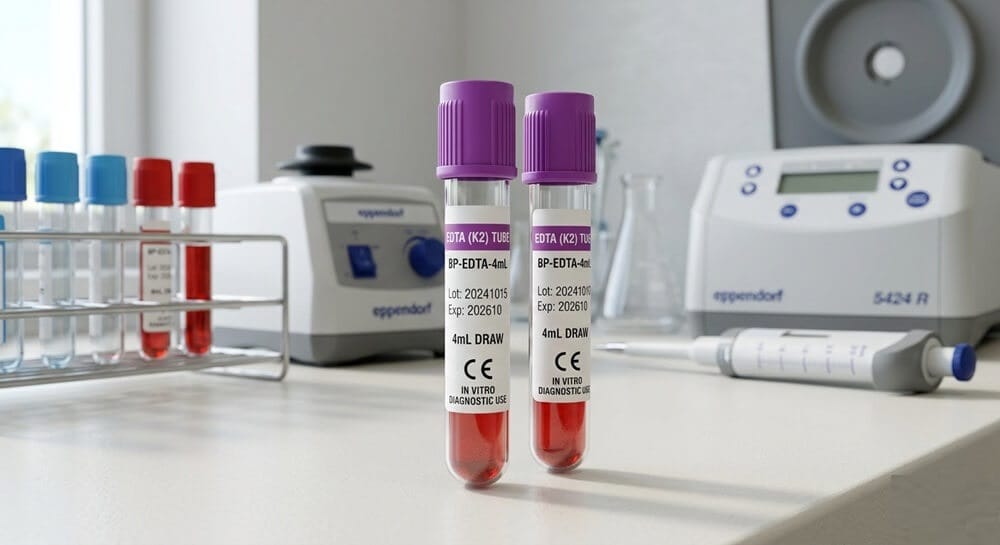
The purple cap is the international standard for EDTA. This consistency prevents errors. If a laboratory technician accidentally used a tube with the wrong additive, the test results would be invalidated. By relying on the purple color, professionals can quickly grab the correct tube for hematology, reducing the risk of sample rejection. Understanding the purple cap EDTA anticoagulant tube system helps labs maintain high standards of patient care.
Comparing Anticoagulants
While EDTA is the gold standard for CBCs, it is not the only anticoagulant available. Labs also use sodium citrate, heparin, and other additives for different tests. The following table provides a breakdown of how these additives differ in their clinical application:
| Anticoagulant | Tube Cap Color | Primary Use | Mechanism |
| EDTA | Purple | CBC, Blood Banking | Calcium Chelation |
| Sodium Citrate | Light Blue | Coagulation Studies (PT/PTT) | Reversible Calcium Binding |
| Sodium Heparin | Green | Chemistry Panels | Antithrombin Activation |
| Serum Separator | Red/Tiger | Immunology/Serology | None (Clot Activator) |
This comparison highlights why the purple EDTA tube is indispensable for hematology. While heparin is excellent for chemical analysis, it does not provide the same cell preservation required for blood counts or specialized blood banking procedures.
What Is the Main Use of Purple EDTA Tube?
The primary use of a Purple EDTA Tube is to preserve whole blood for hematology testing. These tests evaluate blood components such as red cells, white cells, and platelets.
Laboratory accuracy depends heavily on maintaining cell structure. EDTA prevents clotting without damaging blood cells, making it ideal for microscopic and automated analysis.
Most Common Tests Performed Using Purple EDTA Tube
Complete Blood Count (CBC)
The Complete Blood Count (CBC) is the most common test performed using a Purple EDTA Tube. This test measures:
- Red blood cells
- White blood cells
- Hemoglobin levels
- Platelet count
- Hematocrit
According to hematology data, over 60% of routine laboratory blood tests involve CBC analysis, highlighting the importance of EDTA tubes in daily diagnostics.
For more technical insights on how EDTA works in these tests.
Blood Smear Examination
A blood smear allows technicians to examine cells under a microscope. The Purple EDTA Tube ensures that blood cells remain separated and intact.
This process helps detect:
- Malaria parasites
- Blood cancers
- Anemia
- Infections
Blood Typing and Crossmatching
Blood banks rely heavily on the Purple EDTA Tube during compatibility testing.
You can read more about its role in blood banking procedures.
Scientific Principle Behind EDTA Anticoagulation
EDTA performs a process known as chelation, where molecules capture metal ions.
Process Overview:
- Blood enters the tube
- EDTA mixes with blood
- Calcium ions are neutralized
- Clotting stops
- Cells remain intact
This reaction helps preserve cellular morphology, which is crucial for accurate test results.
Summary
The purple EDTA tube is far more than just a piece of plastic with a colored lid. It is a fundamental component of the diagnostic chain, ensuring that blood samples remain in a pristine, liquid state suitable for accurate analysis. By effectively chelating calcium, it prevents the natural clotting process, allowing for precise hematological counts and evaluations. From understanding the color-coding system to mastering the proper order of draw and ensuring optimal sample handling, laboratory professionals play a vital role in patient diagnostics. Whether you are stocking a laboratory or seeking to understand the medical testing process, prioritizing the quality of your EDTA tubes is essential for consistent and reliable results.
FAQs
Q. Why is the purple EDTA tube essential for CBC tests?
A. The purple EDTA tube is essential because it prevents the blood from clotting while simultaneously preserving the morphology of the cells. This allows laboratory analyzers to provide accurate counts of red blood cells, white blood cells, and platelets without the interference of clots or distorted cell structures.
Q. Can I use a purple EDTA tube for chemistry tests? It is generally discouraged to use a purple EDTA tube for chemistry tests.
A. Because EDTA acts by binding calcium, it can artificially lower calcium levels in a test result and interfere with other enzymes. For chemistry panels, a serum-based tube or a heparinized tube is typically the preferred choice.
Q. What happens if I underfill a purple EDTA tube?
A. Underfilling the purple EDTA tube leads to an incorrect blood-to-anticoagulant ratio. The excess concentration of EDTA in the sample can cause the cells to shrink or become damaged. This often leads to inaccurate test results and may cause the laboratory to reject the sample and request a redraw.
Q. How many times should I invert a purple EDTA tube after collection?
A. After collecting blood in a purple EDTA tube, you should gently invert the tube 8 to 10 times. This action ensures that the anticoagulant is thoroughly mixed with the blood sample. Proper mixing is crucial to prevent the formation of micro-clots, which can invalidate the test results or cause equipment malfunctions.
Q. Where can I find high-quality EDTA tubes for clinical use?
A. For medical facilities and laboratories looking for reliable equipment, you can explore the product listings available at edtatube.com. Siny Medical also provides various options, including specialized anticoagulant tubes, which are manufactured to meet rigorous international quality standards.