Blood collection tubes may look simple, but their quality directly affects diagnostic accuracy. In clinical laboratories, hospitals, research facilities, and diagnostic centers, even minor storage mistakes can compromise sample integrity. That is why understanding EDTA Tube Shelf Life is essential for every healthcare professional handling blood specimens.
EDTA tubes play a critical role in hematology testing because they preserve blood cells and prevent clotting. However, these tubes do not last forever. Improper storage conditions, expired additives, temperature fluctuations, and poor inventory management can all reduce their effectiveness.
When laboratories use expired or poorly stored EDTA tubes, they risk inaccurate test results, sample rejection, delayed diagnoses, and increased operational costs.
In this guide, we will explore everything you need to know about EDTA Tube Shelf Life, including storage recommendations, expiration timelines, temperature requirements, quality control practices, and common handling mistakes.
Whether you manage a diagnostic lab or purchase blood collection supplies regularly, this article will help you protect sample quality and improve laboratory efficiency.
What Is an EDTA Tube?
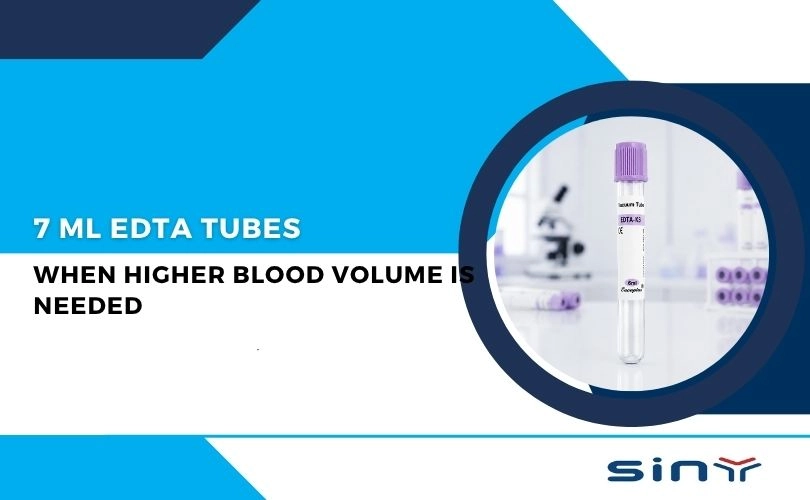
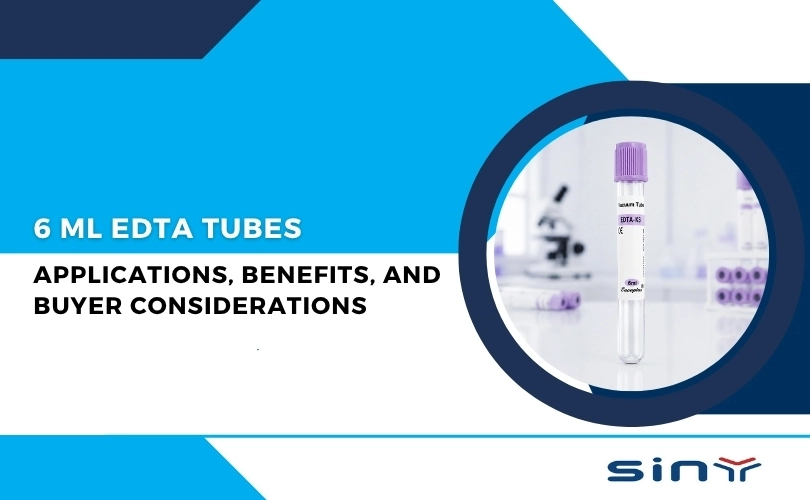
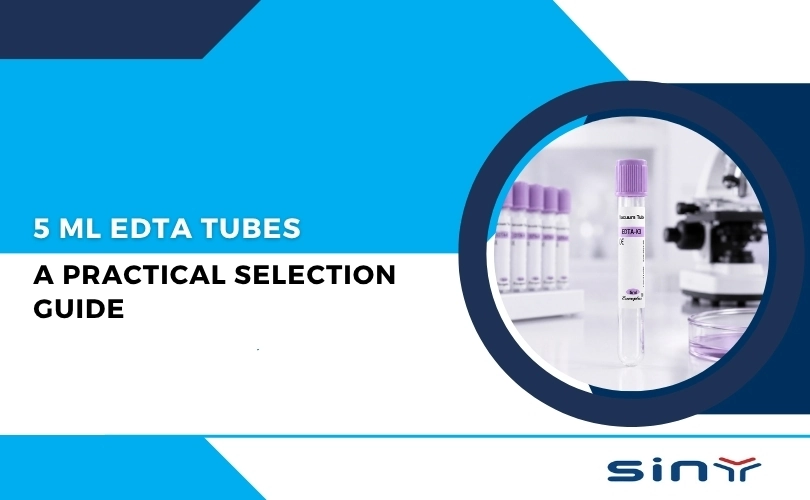
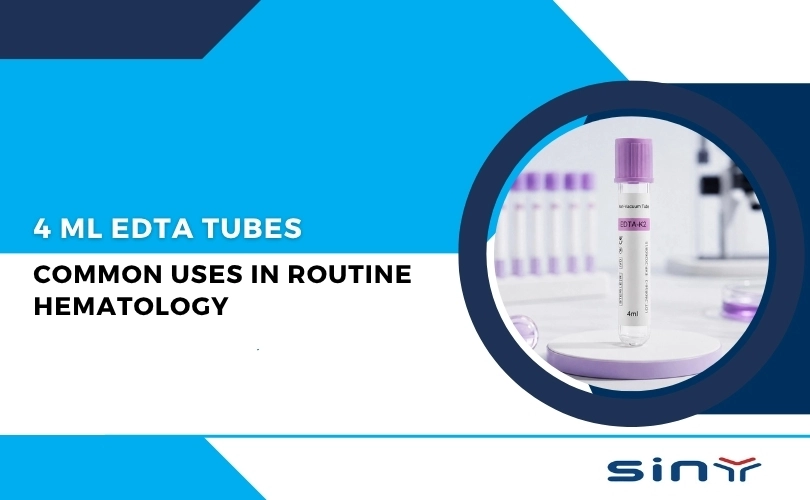
An EDTA tube is a blood collection tube containing ethylenediaminetetraacetic acid (EDTA), an anticoagulant that prevents blood clotting by binding calcium ions.
These tubes are commonly used for:
- Complete blood count (CBC)
- Hematology testing
- Blood cell analysis
- DNA testing
- Molecular diagnostics
- Blood banking procedures
You can learn more about CBC testing through Complete blood count and its importance in clinical diagnostics.
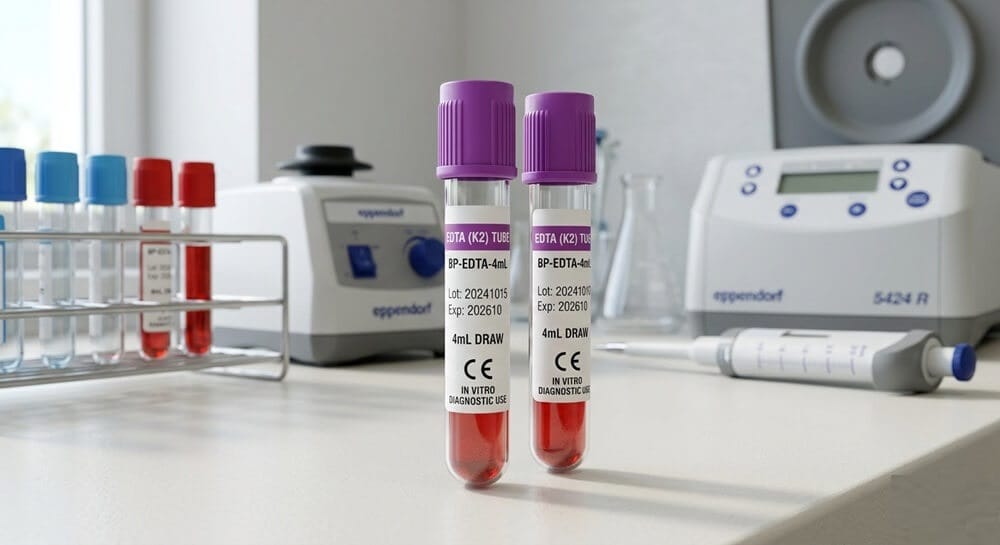
Most EDTA tubes feature lavender or purple caps, which help healthcare workers identify them quickly during blood collection procedures.
For additional information about tube identification, this guide on explains the standard color system used in laboratories worldwide.
Why EDTA Tube Shelf Life Matters
The effectiveness of EDTA tubes depends heavily on additive stability and vacuum integrity.
Over time, several factors can reduce tube performance:
- Anticoagulant degradation
- Vacuum pressure loss
- Seal deterioration
- Moisture exposure
- Contamination risks
- Temperature-related chemical changes
Once these issues occur, blood specimens may clot or become unstable.
That directly affects test reliability.
For example, inaccurate hematology results can lead to:
- Misdiagnosis
- Delayed treatment
- Repeat blood collection
- Increased laboratory costs
- Patient dissatisfaction
Understanding EDTA Tube Shelf Life helps laboratories avoid these risks while maintaining compliance with quality standards.
Average EDTA Tube Shelf Life
Most manufacturers recommend a shelf life between 12 and 24 months from the production date.
However, actual longevity depends on:
| Factor | Impact on Shelf Life |
|---|---|
| Storage temperature | High impact |
| Humidity exposure | Moderate impact |
| Packaging quality | High impact |
| Transportation conditions | Moderate impact |
| Tube material quality | High impact |
| Additive stability | Critical impact |
Vacuum blood collection tubes generally maintain their integrity longer when stored in controlled environments.
You can review product specifications through to compare different laboratory tube options.
Recommended Storage Conditions for EDTA Tubes
Proper storage is the single most important factor affecting EDTA Tube Shelf Life.
Temperature Requirements
Manufacturers typically recommend storing EDTA tubes between:
4°C and 25°C (39°F to 77°F)
Extreme heat can damage the anticoagulant coating inside the tube. Meanwhile, freezing temperatures may affect vacuum stability and plastic integrity.
Laboratories should avoid storing tubes near:
- Windows
- Heating systems
- Refrigeration exhaust vents
- Direct sunlight
- Humid storage rooms
Consistent room temperature storage provides the best long-term results.
Humidity Control
Humidity exposure can gradually weaken packaging seals and affect tube sterility.
High moisture environments may also increase contamination risks.
To protect EDTA Tube Shelf Life, laboratories should maintain:
- Dry storage areas
- Proper ventilation
- Sealed packaging
- Organized inventory shelving
Avoid placing boxes directly on the floor where moisture exposure becomes more likely.
Light Exposure
Direct UV exposure can affect plastic materials and labeling quality over time.
While EDTA tubes are not extremely light-sensitive, prolonged sunlight exposure still reduces packaging durability.
Storage cabinets or shaded inventory rooms work best.
How Expiration Dates Are Determined
Manufacturers establish expiration dates through stability testing.
These tests evaluate:
- Anticoagulant effectiveness
- Vacuum retention
- Sterility maintenance
- Plastic durability
- Chemical compatibility
During testing, manufacturers expose tubes to controlled environmental conditions and monitor performance over time.
Only after passing stability standards do products receive approved expiration timelines.
Reliable manufacturers also conduct batch quality testing before distribution.
You can review additional insights in this article about .
Signs an EDTA Tube May Be Expired or Damaged
Sometimes storage conditions damage tubes before the printed expiration date.
Laboratories should inspect tubes regularly for warning signs.
Reduced Vacuum Performance
If the tube fails to fill properly during blood collection, vacuum integrity may be compromised.
This is one of the most common signs of aging tubes.
Visible Cracks or Seal Damage
Packaging damage can expose tubes to contamination and humidity.
Never use tubes with:
- Broken caps
- Cracked plastic
- Loose seals
- Leaking additives
Blood Clotting Inside Samples
One major indicator of compromised EDTA Tube Shelf Life is clot formation inside collected blood specimens.
Proper EDTA anticoagulant performance should prevent clotting.
Discoloration or Residue Changes
Changes in additive appearance may indicate chemical instability.
Laboratories should remove suspicious products immediately.
How Storage Affects Laboratory Accuracy
Laboratory testing depends on sample integrity from collection through analysis.
Poor storage conditions can affect:
- Red blood cell morphology
- White blood cell counts
- Platelet analysis
- DNA preservation
- Molecular diagnostics
This becomes especially important for hematology procedures.
Healthcare professionals using EDTA tubes for DNA applications should also review .
Best Practices for Managing EDTA Tube Inventory
Inventory control plays a major role in maintaining proper EDTA Tube Shelf Life.
Follow First-Expire-First-Out (FEFO)
Laboratories should always use the earliest expiration dates first.
This minimizes product waste and improves efficiency.
Monitor Storage Conditions Daily
Temperature monitoring systems help laboratories identify environmental fluctuations quickly.
Digital tracking systems are especially valuable for larger facilities.
Keep Tubes in Original Packaging
Original manufacturer packaging protects tubes from:
- Dust
- Moisture
- Light exposure
- Physical damage
Avoid removing bulk inventory unnecessarily.
Train Laboratory Staff
Staff training significantly reduces storage-related mistakes.
Personnel should understand:
- Expiration tracking
- Temperature control
- Proper handling procedures
- Tube inspection standards
You can review additional handling guidance in .
Choosing High-Quality EDTA Tubes
Not all blood collection tubes offer the same quality standards.
Reliable manufacturers focus on:
- Stable vacuum technology
- Consistent anticoagulant coating
- Sterile production processes
- High-quality plastic materials
- Strict batch testing
Professional laboratories often evaluate suppliers based on both compliance and long-term performance.
You can browse various collection products through .
Tube Size and Shelf Life Considerations
Different tube sizes may perform slightly differently depending on storage conditions.
Common sizes include:
- 2ml
- 3ml
- 4ml
- 5ml
- 6ml
- 10ml
Larger tubes may contain different additive volumes and vacuum pressures.
Laboratories should always match tube size to testing requirements.
Helpful sizing resources include:
Mistakes That Reduce EDTA Tube Shelf Life
Many laboratories unknowingly shorten tube lifespan through improper storage habits.
Overstocking Inventory
Buying excessive inventory increases the risk of unused expired tubes.
Labs should order according to realistic testing volume.
Poor Temperature Control
Storage rooms without climate monitoring create inconsistent conditions that reduce product stability.
Ignoring Expiration Labels
Every shipment should undergo routine expiration date verification.
Mixing Old and New Inventory
Unorganized shelving makes inventory rotation difficult.
Labeling systems improve visibility and reduce waste.
Future Trends in Blood Collection Tube Technology
Medical manufacturers continue improving blood collection technology to extend stability and improve sample integrity.
Emerging innovations include:
- Improved vacuum retention
- Advanced polymer materials
- Better anticoagulant distribution
- Enhanced barcode tracking
- Automated inventory monitoring
These advancements may improve future EDTA Tube Shelf Life and reduce laboratory waste.
You can explore industry trends in .
How to Select a Reliable EDTA Tube Supplier
A trustworthy supplier supports both product quality and regulatory compliance.
Before purchasing, laboratories should evaluate:
| Supplier Factor | Why It Matters |
|---|---|
| Manufacturing certification | Ensures quality control |
| Sterility testing | Protects sample integrity |
| Product consistency | Reduces testing variability |
| Packaging quality | Extends shelf life |
| Technical support | Improves laboratory efficiency |
| Inventory availability | Prevents supply shortages |
For direct product inquiries and laboratory support, visit the .
Why Proper EDTA Tube Storage Saves Money
Good storage practices improve more than laboratory accuracy.
They also help reduce:
- Product waste
- Repeat blood collections
- Sample rejection rates
- Inventory losses
- Emergency reorders
Over time, better storage management significantly lowers operational costs.
That makes proper EDTA Tube Shelf Life management both a clinical and financial priority.
Summary
EDTA Tube Shelf Life is essential for maintaining laboratory accuracy, protecting sample integrity, and reducing operational waste. Proper storage conditions, controlled temperatures, organized inventory management, and reliable supplier selection all contribute to better tube performance over time.
By following recommended handling and expiration guidelines, laboratories can improve diagnostic reliability while extending the usability of their blood collection inventory. For more information, visit edta and explore reliable sourcing solutions or reach out via the contact page.
FAQs
Q. What is the average EDTA Tube Shelf Life?
A. The average EDTA Tube Shelf Life usually ranges from 12 to 24 months, depending on manufacturing quality and storage conditions.
Q. Can expired EDTA tubes still be used?
A. Using expired tubes is not recommended because reduced EDTA Tube Shelf Life may compromise vacuum performance and anticoagulant effectiveness.
Q. How should laboratories store EDTA tubes?
A. To protect EDTA Tube Shelf Life, laboratories should store tubes in cool, dry environments away from sunlight and humidity.
Q. Does temperature affect EDTA Tube Shelf Life?
A. Yes. High temperatures can reduce EDTA Tube Shelf Life by damaging additives and weakening vacuum stability.
Q. Why do EDTA tubes lose vacuum over time?
A. Aging seals and environmental exposure gradually reduce vacuum integrity, which directly affects EDTA Tube Shelf Life and blood collection performance.
Q. Which EDTA tube material offers the best shelf stability?
A. High-quality PET plastic tubes generally provide better durability and longer EDTA Tube Shelf Life under proper storage conditions.