One of the most debated topics in clinical diagnostics today is plastic EDTA tube vs glass. Hospitals worldwide are increasingly shifting toward plastic EDTA tubes, citing advantages in safety, cost-effectiveness, and reliability.
This article explores why this transition is happening, backed by research, industry standards, and practical insights. We’ll also highlight the role of PET plastic innovations, compare tube sizes, and explain how this change impacts oncology diagnostics and routine blood collection.
What Are EDTA Tubes?
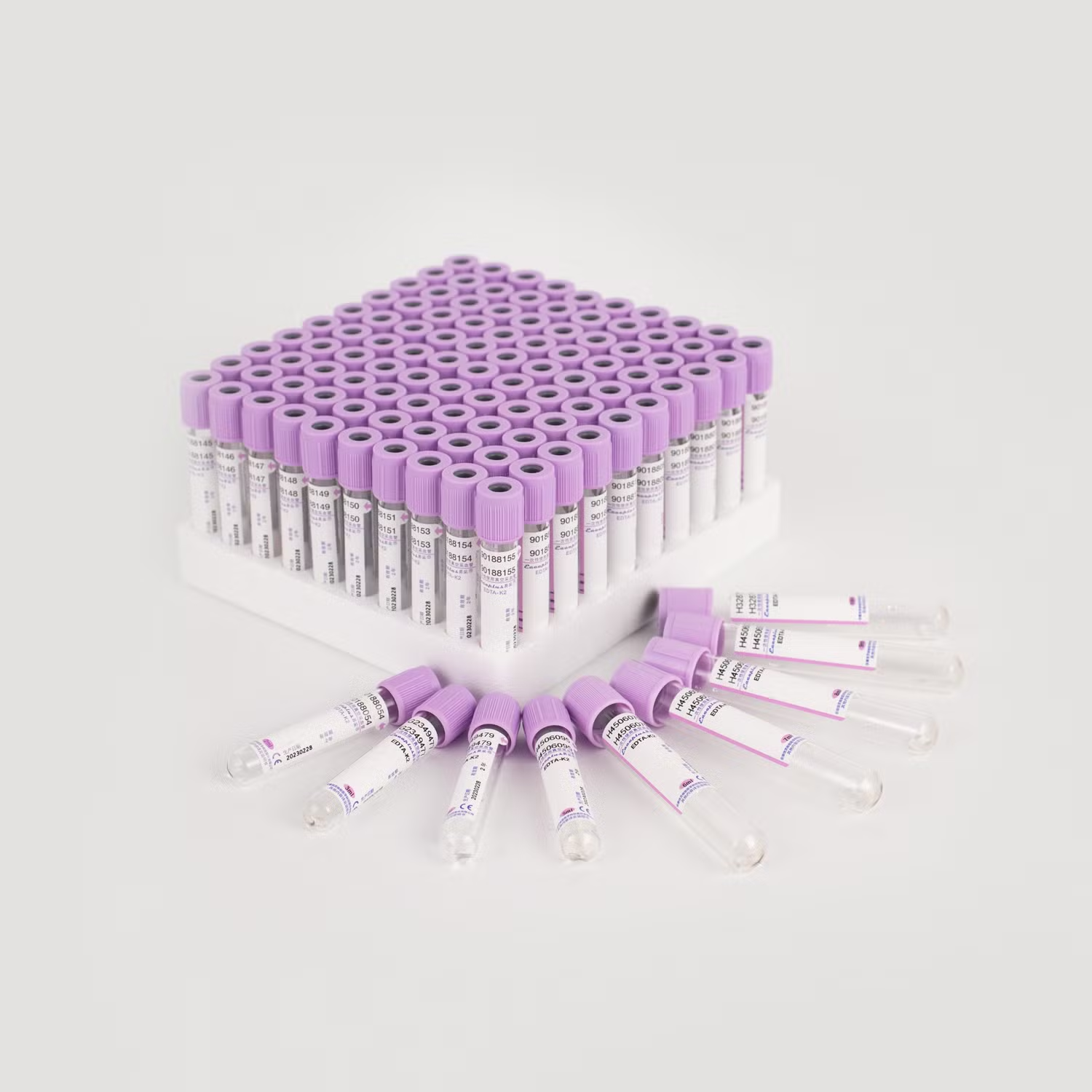
EDTA (Ethylenediaminetetraacetic acid) tubes are specialized blood collection tubes used to prevent clotting. They are essential in hematology, oncology diagnostics, and routine laboratory testing. Traditionally, these tubes were made of glass. However, plastic EDTA tubes have become the preferred choice due to their durability and safety profile.
For a detailed overview of EDTA tubes and their applications, you can explore EDTA Tubes for Blood Collection in Oncology Diagnostics.
Plastic EDTA Tube vs Glass: The Core Differences
| Feature | Plastic EDTA Tubes | Glass EDTA Tubes |
|---|---|---|
| Safety | Shatter-resistant, reduces risk of injury | Fragile, prone to breakage |
| Weight | Lightweight, easier to transport | Heavier, less convenient |
| Cost | Lower production and shipping costs | Higher due to fragility and weight |
| Accuracy | PET plastic ensures consistent results | Glass can sometimes interfere with automation |
| Environmental Impact | Recyclable PET options available | Difficult to recycle |
Hospitals are choosing plastic because the risk of breakage in glass tubes can lead to contamination, injury, and costly errors.
Learn more about the pros and cons in Plastic EDTA Tubes vs Glass EDTA Tubes: Pros.
Why Hospitals Prefer Plastic EDTA Tubes
Safety in Handling
Glass tubes can shatter during handling, posing risks to healthcare workers. Plastic tubes eliminate this hazard, making them safer in high-volume labs.
Cost Efficiency
Plastic tubes are cheaper to manufacture and transport. Hospitals save significantly on logistics and replacement costs.
Consistency in Results
PET plastic tubes provide stable anticoagulant performance, ensuring accurate hematology results.
Compliance with Quality Standards
Manufacturers like Siny Medical and Siny EDTA Tubes Quality Standards and Certifications ensure that plastic tubes meet international safety and diagnostic standards.
PET Plastic in EDTA Tubes
PET (Polyethylene Terephthalate) plastic is widely used in EDTA tubes due to its durability and clarity. PET tubes are resistant to chemical reactions, ensuring that blood samples remain uncontaminated.
Hospitals adopting PET tubes benefit from:
- Reduced breakage rates
- Lower disposal costs
- Improved sample integrity
Read more about PET Plastic in EDTA Tubes.
EDTA Tube Sizes: Choosing the Right Fit
Tube size matters in diagnostics. Hospitals often choose between 2ml, 3ml, 5ml, and 10ml EDTA tubes depending on the test requirements.
- 2ml–3ml tubes: Ideal for pediatric or small-volume collections
- 5ml tubes: Standard for routine hematology
- 10ml tubes: Used in oncology and specialized diagnostics
For guidance, see EDTA Tube Size Guide: 2ml to 10ml and EDTA Tube Sizes Explained.
Cost Benefits of Plastic EDTA Tubes
Hospitals save money in multiple ways:
- Reduced breakage costs: Glass tubes often need replacement.
- Lower shipping expenses: Plastic tubes are lighter.
- Bulk purchasing: Plastic tubes are cheaper in large quantities.
Explore available options at EDTA Tube Product Category.
Summary
plastic EDTA tube vs glass is now largely settled in favor of plastic. Hospitals worldwide are adopting plastic EDTA tubes due to their superior safety, cost-effectiveness, and diagnostic reliability. With PET plastic innovations and compliance with international standards, plastic EDTA tubes are shaping the future of blood collection and laboratory diagnostics.
For more details or to purchase, visit EDTA Tube Official Website or Contact Us.
FAQs
Q: Why are hospitals switching from glass to plastic EDTA tubes?
A: Hospitals prefer plastic because plastic EDTA tube vs glass comparisons show better safety, lower costs, and improved accuracy.
Q: Are plastic EDTA tubes reliable for oncology diagnostics?
A: Yes, PET plastic tubes maintain sample integrity, making them reliable for oncology diagnostics.
Q: Do plastic EDTA tubes cost less than glass tubes?
A: Yes, studies show that plastic EDTA tube vs glass comparisons favor plastic for cost efficiency.
Q: Are plastic EDTA tubes environmentally friendly?
A: PET plastic tubes are recyclable, making them more eco-friendly than glass.
Q: Which EDTA tube size should I use?
A: The choice depends on the test. For routine hematology, 5ml tubes are standard. See What Size EDTA Tube Should You Use?.