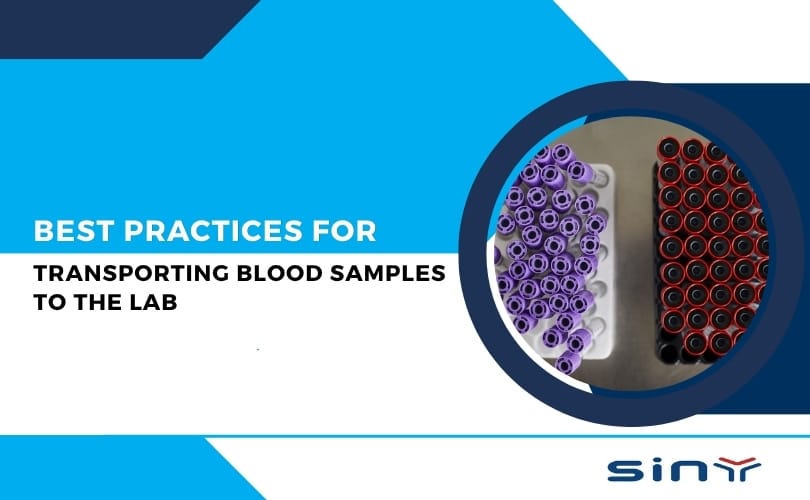
Transporting blood samples is more than just moving tubes from one place to another—it is a critical process that directly impacts patient care and diagnostic accuracy. Every sample represents a patient’s health story, and mishandling during transport can distort that story, leading to misdiagnosis or delayed treatment. Laboratories depend on the integrity of these specimens to deliver reliable results, and healthcare providers rely on those results to make informed decisions.
The journey of a blood sample begins at the point of collection, often in a hospital or clinic, and continues through packaging, labeling, and controlled transport until it reaches the laboratory. Each step requires precision and adherence to strict standards. Factors such as temperature, time, and tube selection play a vital role in maintaining sample quality. For example, using the correct EDTA tubes ensures that blood remains stable for hematology and molecular testing, while proper refrigeration prevents degradation of sensitive components.
Why Proper Transport of Blood Samples Matters
Blood samples are highly sensitive biological materials. Any deviation in handling—temperature fluctuations, delays, or improper packaging—can compromise their integrity.
- Diagnostic accuracy: Incorrect handling can lead to hemolysis, clotting, or contamination, which skews test results.
- Patient safety: Misdiagnosis due to compromised samples can delay treatment or lead to incorrect therapies.
- Regulatory compliance: Hospitals and labs must adhere to strict guidelines from organizations like WHO and CLSI.
For example, studies show that up to 3% of blood samples are rejected in labs due to transport-related issues, leading to costly retesting and delays in patient care.
Key Factors in Transporting Blood Samples
1. Temperature Control
Blood samples must be transported under controlled conditions. Most require 2–8°C refrigeration, while others (like coagulation tests) may need room temperature.
Improper temperature can cause:
- Hemolysis (rupture of red blood cells)
- Degradation of plasma proteins
- Altered enzyme activity
2. Time Sensitivity
Transport delays can compromise results. For example:
- Glucose samples must reach the lab within 2 hours to avoid false readings.
- CBC samples in EDTA tubes should be processed within 24 hours.
3. Packaging Standards
Samples must be packaged in triple-layer systems:
- Primary container (EDTA tube or serum separator tube)
- Secondary leak-proof container
- Outer rigid packaging
This ensures safety during transit and compliance with international shipping standards.
Role of EDTA Tubes in Blood Sample Transport
EDTA tubes are widely used for hematology and molecular testing because EDTA prevents clotting by binding calcium ions.
- Advantages: Preserves cell morphology, prevents clotting, and stabilizes DNA.
- Sizes available: From 2ml to 10ml EDTA tubes.
- Applications: CBC, ESR, molecular diagnostics.
For detailed comparisons, see Serum Separator Tubes vs EDTA Tubes.
Best Practices for Transporting Blood Samples
Use Correct Tube Sizes
Choosing the right tube size prevents underfilling or overfilling, which can alter anticoagulant ratios.
Label Samples Clearly
Each tube must include patient ID, collection time, and test type. Mislabeling is a leading cause of lab errors.
Avoid Shaking Samples
Gentle inversion is necessary to mix anticoagulants, but vigorous shaking causes hemolysis.
Follow Transport Regulations
WHO and IATA guidelines mandate triple packaging, biohazard labeling, and documentation.
Monitor Transport Conditions
Use temperature loggers and GPS tracking for long-distance transport.
Comparison Table: EDTA vs Serum Separator Tubes
| Tube Type | Anticoagulant | Best For | Transport Stability |
|---|---|---|---|
| EDTA Tube | EDTA | CBC, DNA, RNA | Stable up to 24 hrs |
| Serum Separator Tube | Gel separator | Chemistry, serology | Stable up to 48 hrs |
For deeper insights, see Plasma vs Whole Blood.
FAQs
Why is transporting blood samples important for accurate results?
Transporting blood samples correctly ensures diagnostic accuracy by preventing hemolysis and contamination.
How long can blood samples in EDTA tubes be stored during transport?
Blood samples in EDTA tubes remain stable for up to 24 hours if transported under proper conditions.
What is the recommended temperature for transporting blood samples?
Most blood samples should be transported at 2–8°C to maintain integrity.
Can improper transport affect patient treatment?
Yes, compromised samples can lead to misdiagnosis and incorrect treatment decisions.
What packaging is required for transporting blood samples internationally?
Triple-layer packaging with biohazard labeling is required under WHO and IATA guidelines.
Summary
Transporting blood samples is a vital step in laboratory diagnostics. By following best practices—using the correct EDTA tube sizes, maintaining temperature control, labeling samples properly, and adhering to international packaging standards—healthcare providers can ensure accurate test results and patient safety. For more details on tube specifications, visit EDTA Tube Size Guide or Contact Us.