Blood testing remains one of the most essential tools in modern medicine. From routine health checks to advanced diagnostics, laboratory analysis of blood helps clinicians detect diseases early and monitor patient health. A crucial component of this process is the EDTA plasma tube, a specialized blood collection tube designed to preserve blood samples for accurate analysis.
Understanding Plasma vs. Whole Blood: What an EDTA Plasma Tube is Used For helps healthcare professionals, laboratory technicians, and researchers select the correct sample type for reliable results. Blood contains various components, including plasma, red blood cells, white blood cells, and platelets. When blood is collected in an EDTA tube, the anticoagulant prevents clotting, allowing laboratories to analyze either whole blood or plasma depending on the testing requirements.
According to laboratory studies referenced in the Complete Blood Count procedure, millions of blood tests are performed globally every day, making reliable collection systems essential for diagnostic accuracy.
In this guide, we will explore how EDTA plasma tubes work, the differences between plasma and whole blood, and the key laboratory applications of these tubes.
For laboratories and medical suppliers seeking high-quality tubes, manufacturers such as EDTA Tube Products provide a range of specialized blood collection solutions.
What is an EDTA Plasma Tube?
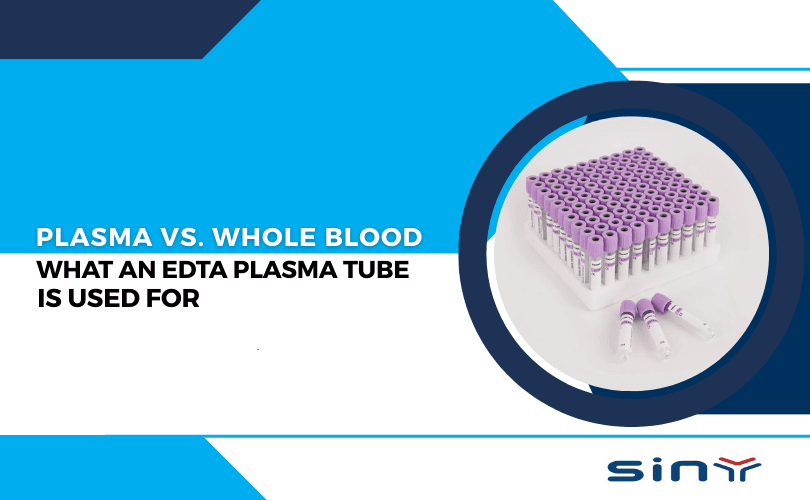
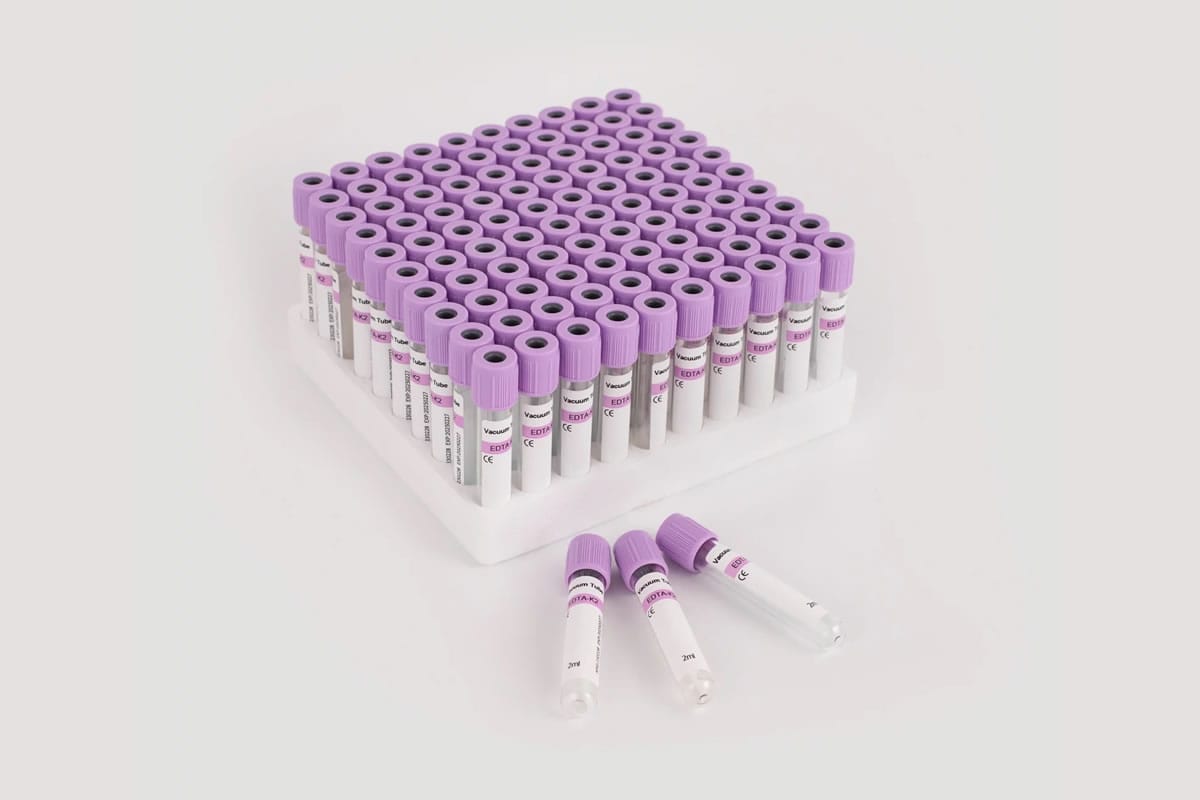
An EDTA plasma tube is a vacuum blood collection tube containing ethylenediaminetetraacetic acid (EDTA), an anticoagulant that prevents blood clotting by binding calcium ions.
Calcium is essential for the clotting process. When EDTA binds calcium, it stops coagulation, allowing blood cells and plasma to remain stable during laboratory testing.
These tubes are commonly used in hematology laboratories and diagnostic facilities worldwide.
Medical laboratories often use tubes found in collections like EDTA blood collection tubes because they preserve cell morphology and maintain sample stability.
Key characteristics of EDTA plasma tubes
- Lavender or purple cap for easy identification
- Contains K2 or K3 EDTA anticoagulant
- Preserves blood cells without clot formation
- Compatible with automated laboratory analyzers
Manufacturers such as Siny Medical EDTA Tube Guide also highlight EDTA tubes as the preferred choice for hematology testing due to their stability and reliability.
Plasma vs. Whole Blood
To understand Plasma vs. Whole Blood: What an EDTA Plasma Tube is Used For, it is important to clarify the difference between the two sample types.
| Component | Whole Blood | Plasma |
|---|---|---|
| Definition | Blood in its original form with all cells | Liquid component after centrifugation |
| Contains cells | Yes | No |
| Contains clotting factors | Yes | Yes |
| Used for | Hematology tests | Biochemistry and molecular testing |
Whole blood contains red blood cells, white blood cells, platelets, and plasma. When whole blood is centrifuged in an EDTA plasma tube, the cells separate from the liquid portion, leaving plasma on top.
Laboratories frequently rely on plasma samples because they provide clearer biochemical analysis.
A detailed comparison is also explained in EDTA Plasma vs EDTA Whole Blood, which describes how each sample type supports different laboratory applications.
Why EDTA Is Used as an Anticoagulant
EDTA is one of the most widely used anticoagulants in diagnostic medicine.
Its popularity comes from its ability to preserve blood cell structure while preventing clot formation.
How EDTA works
EDTA binds calcium ions present in the blood. Calcium is required for several steps in the clotting cascade. Once calcium is removed, the clotting process stops.
This mechanism ensures that:
- Blood cells remain intact
- Laboratory measurements remain accurate
- Samples stay stable during transport and storage
Laboratories rely on EDTA tubes especially for hematology testing and molecular diagnostics.
More information about how to correctly collect samples can be found in How to Use an EDTA Tube.
Major Uses of an EDTA Plasma Tube
Plasma vs. Whole Blood: What an EDTA Plasma Tube is Used For also requires examining the major diagnostic applications of these tubes.
Hematology Testing
One of the primary uses of EDTA tubes is hematology testing. The most common example is the Complete Blood Count (CBC).
CBC tests measure:
- Red blood cell count
- White blood cell count
- Platelet count
- Hemoglobin concentration
These measurements help doctors diagnose anemia, infections, and blood disorders.
The Complete Blood Count remains one of the most requested laboratory tests worldwide.
Molecular Diagnostics
EDTA plasma tubes are widely used in molecular biology laboratories.
Plasma samples collected in EDTA tubes help detect:
- Viral infections
- Genetic mutations
- Cancer biomarkers
Because EDTA prevents clotting and stabilizes nucleic acids, it is ideal for DNA and RNA testing.
Disease Monitoring
Healthcare providers also use EDTA plasma samples to monitor diseases such as:
- HIV
- hepatitis
- autoimmune disorders
In these tests, plasma samples provide a clear medium for detecting biomarkers.
How EDTA Plasma Tubes Work in the Laboratory
The process of using an EDTA plasma tube follows a simple but precise workflow.
First, a healthcare professional draws blood into the tube using a sterile needle and vacuum system.
After collection, the tube must be gently inverted several times to mix the EDTA anticoagulant with the blood.
Next, the tube is placed in a centrifuge. The spinning process separates blood into layers:
- Plasma at the top
- White blood cells and platelets in the middle
- Red blood cells at the bottom
This separation allows laboratory technicians to collect plasma for analysis.
Laboratories working with specialized plasma separation tubes often follow guidance described in EDTA Plasma Separator Tubes Technical Guide.
Choosing the Correct EDTA Tube Size
Selecting the correct tube size ensures accurate blood collection and proper testing.
Common EDTA tube sizes include:
| Tube Size | Typical Use |
|---|---|
| 2 ml | Pediatric testing |
| 3 ml | Small sample testing |
| 4 ml | Standard laboratory use |
| 5 ml | Routine diagnostic tests |
| 6 ml | Research laboratories |
| 10 ml | High-volume testing |
Laboratories often consult guides such as EDTA Tube Sizes Explained to determine the best option.
A detailed comparison of common sizes can also be found in Choosing Between 2ml, 3ml, 4ml and 5ml EDTA Tubes.
Advantages of Using EDTA Plasma Tubes
Several factors make EDTA plasma tubes the preferred option in hematology and molecular diagnostics.
First, they provide excellent preservation of blood cell morphology.
Second, EDTA prevents platelet clumping, which ensures accurate platelet counts.
Third, these tubes allow laboratories to analyze both plasma and whole blood from the same sample.
As global healthcare systems expand, demand for reliable blood collection products continues to grow. Medical manufacturers listed on platforms such as sinymedical.en.made-in-china highlight the increasing need for high-quality EDTA tubes. Educational resources and demonstrations about blood collection technology can also be found on youtube
Future of EDTA Blood Collection Tubes
Advancements in laboratory technology are improving blood collection systems.
Researchers are developing:
- Improved plasma separation tubes
- Automated blood testing workflows
- Enhanced sample preservation techniques
Industry forecasts suggest that demand for blood collection tubes will continue to rise as global healthcare systems expand.
New technologies discussed in Future of EDTA Blood Collection Tubes 2026 highlight innovations that improve diagnostic accuracy and laboratory efficiency.
How to Select the Right EDTA Plasma Tube
Choosing the correct EDTA plasma tube depends on several factors.
Laboratories must consider the test type, sample volume, and equipment compatibility.
A detailed selection guide can be found in How to Select the Right EDTA Tube Size.
Additionally, healthcare facilities working with suppliers can explore product options directly through EDTA Tube Manufacturer. For specific inquiries or product details, laboratories may also contact manufacturers through EDTA Tube Contact Page.
Summary
Understanding Plasma vs. Whole Blood: What an EDTA Plasma Tube is Used For is essential for modern medical diagnostics. EDTA plasma tubes prevent blood clotting, preserve cell structure, and enable accurate laboratory analysis.
These tubes play a crucial role in hematology testing, molecular diagnostics, and disease monitoring. By allowing laboratories to analyze both plasma and whole blood samples, they provide flexibility and reliability in clinical testing.
As medical technology continues to evolve, EDTA plasma tubes will remain a critical component of diagnostic laboratories worldwide. Healthcare providers and laboratories seeking high-quality blood collection solutions can explore options through EDTA tube manufacturers and product catalogs to ensure reliable testing outcomes.
FAQs
What is the difference between plasma and whole blood in an EDTA plasma tube?
When discussing Plasma vs. Whole Blood: What an EDTA Plasma Tube is Used For, whole blood contains all cellular components while plasma is the liquid portion separated after centrifugation.
Why is EDTA used in plasma tubes?
In Plasma vs. Whole Blood: What an EDTA Plasma Tube is Used For, EDTA prevents clotting by binding calcium ions. This allows laboratories to analyze plasma or whole blood accurately.
Can EDTA plasma tubes be used for CBC tests?
Yes. In discussions about Plasma vs. Whole Blood: What an EDTA Plasma Tube is Used For, EDTA tubes are widely used for complete blood count testing because they preserve blood cell structure.
How long can plasma stay stable in an EDTA tube?
When analyzing Plasma vs. Whole Blood: What an EDTA Plasma Tube is Used For, plasma samples in EDTA tubes remain stable for several hours if properly stored and processed quickly.
Are EDTA plasma tubes used in molecular testing?
Yes. The topic Plasma vs. Whole Blood: What an EDTA Plasma Tube is Used For often includes molecular diagnostics because EDTA preserves nucleic acids for DNA and RNA testing.