Edta tubes in pediatric blood collection: Best practices for small volumes
Blood collection in children requires a very different approach than blood collection in adults. Infants, newborns, and young children have...
Every blood sample tells a story about a patient's health. However, that story is only accurate when the sample is...
Blood collection may seem straightforward, but selecting the correct EDTA tube size can significantly influence sample quality, laboratory efficiency, and...
clinical laboratories, accuracy begins long before analysis starts. It begins with proper blood collection technique. One of the most critical...
Diabetes continues to be one of the most significant global health challenges. According to the World Health Organization, hundreds of...
A Complete Blood Count (CBC) is one of the most frequently ordered laboratory tests worldwide. Physicians rely on it to...
They are primarily used for hematology tests, including complete blood counts (CBC) and blood smears.
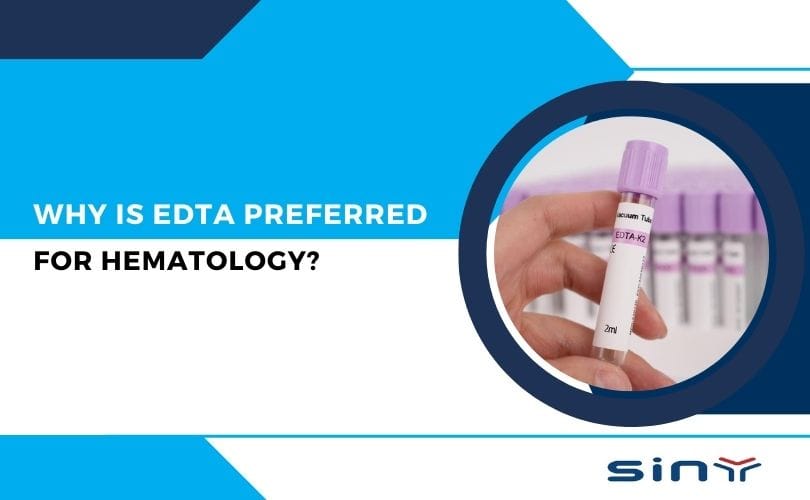
EDTA stands for Ethylenediaminetetraacetic Acid, a chemical used to preserve blood samples.
K2 EDTA tubes contain dipotassium EDTA, while K3 EDTA tubes contain tripotassium EDTA, differing in concentration and specific applications.
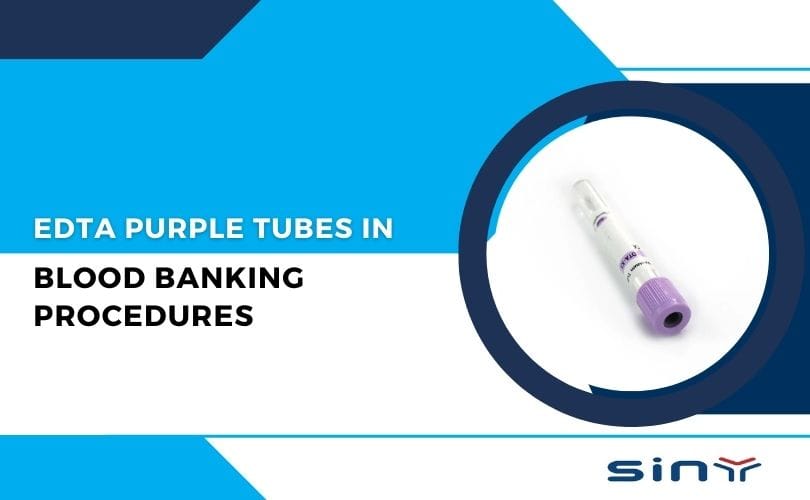
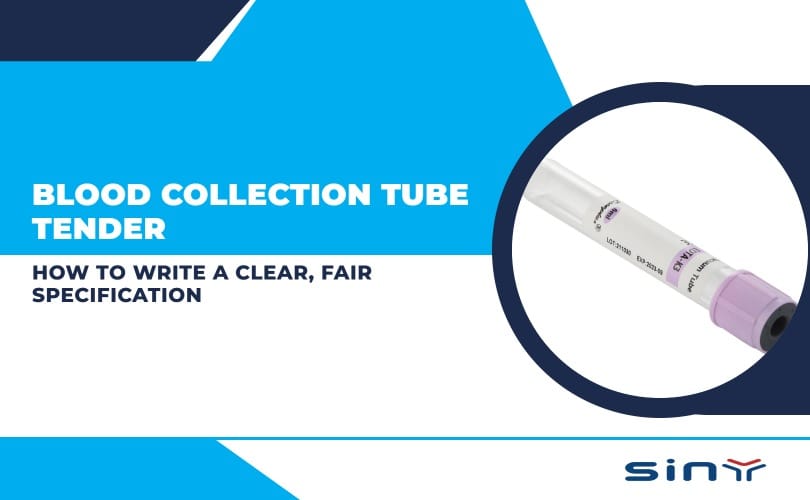
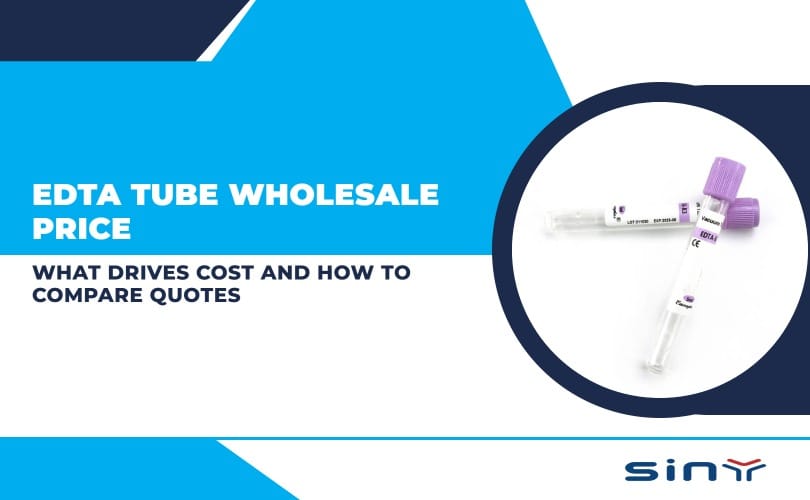
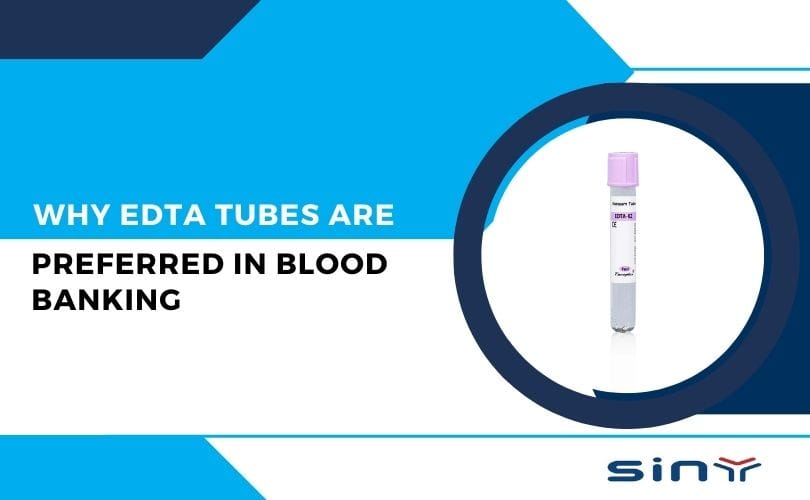
The purple top indicates that the tube contains EDTA as an anticoagulant, making it easy to identify for blood collection purposes.
Both types effectively prevent clotting, but the choice between them may depend on specific laboratory protocols and test requirements.
Yes, K2 EDTA tubes are suitable for most hematological tests, including complete blood counts (CBC) and blood typing.
K3 EDTA tubes are often used in specialized applications where a higher concentration of potassium is needed, such as certain molecular assays.
Store EDTA tubes at room temperature (4-25°C) and avoid exposure to extreme temperatures or direct sunlight to maintain their effectiveness.
No, freezing can damage blood cells and compromise sample quality; store at room temperature instead.
Yes, our EDTA tubes meet international quality standards and undergo rigorous testing to ensure reliability and safety.
Our EDTA tubes are made from high-quality polyethylene or glass materials that ensure durability and clarity for accurate readings.
Our capacity can be 500,000PCS per day.
Yes, Sinymedical has a dedicated customer support team. You can reach them through the contact information provided on their website.
Yes, Sinymedical offers international shipping to many countries. Please check our shipping policy for more details or contact customer support for specific inquiries.