Blood collection is more than just drawing a sample—it’s about preserving accuracy from vein to result. Among the most commonly used anticoagulant tubes, the Citrate Tube and EDTA tube often cause confusion, even for experienced lab technicians.
Understanding when to use each tube can significantly impact diagnostic outcomes. In this comprehensive guide, we’ll explore the differences, uses, advantages, and clinical relevance of both, helping you make the right choice every time.
What Is a Citrate Tube?
A Citrate Tube contains sodium citrate as an anticoagulant. It works by binding calcium ions in the blood, effectively stopping the clotting process.
These tubes are typically light blue in color and are widely used in coagulation testing.
How It Works
Sodium citrate temporarily prevents clotting by chelating calcium. Unlike EDTA, this process is reversible, which is essential for coagulation studies.
Uses of Citrate Tube
Citrate tubes are the gold standard for:
- Coagulation tests such as PT, aPTT, and INR
- D-dimer testing
- Fibrinogen level measurement
For a deeper comparison, you can explore this detailed guide on EDTA vs Citrate Tubes: Best Anticoagulant.
What Is an EDTA Tube?
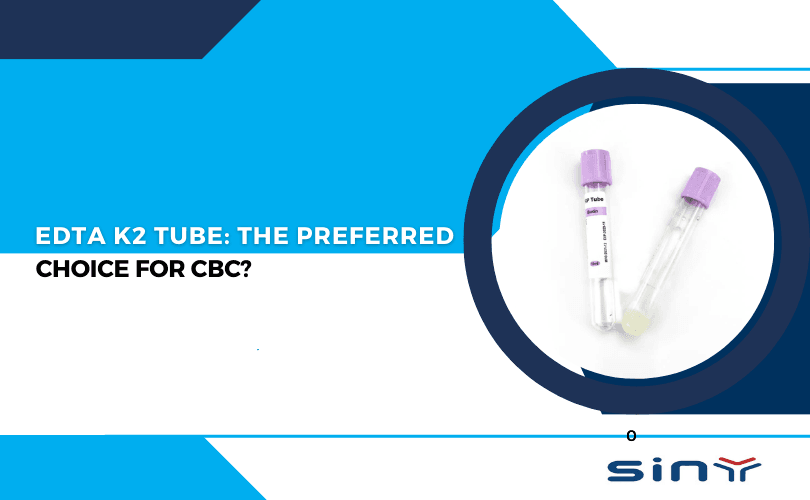
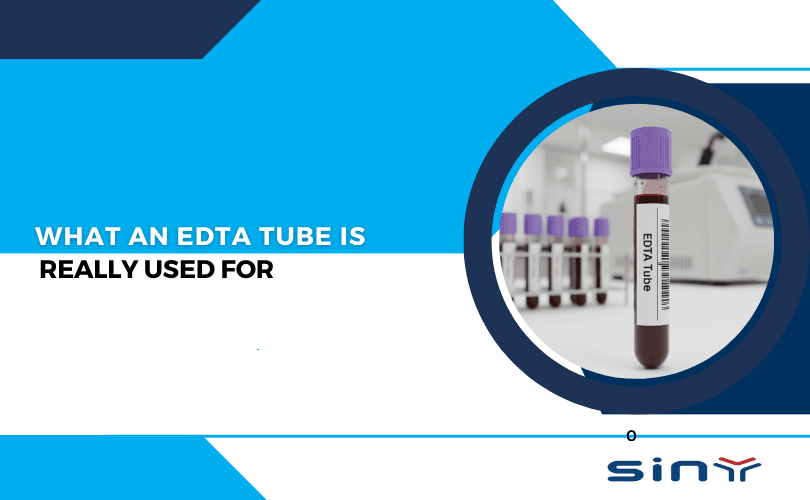
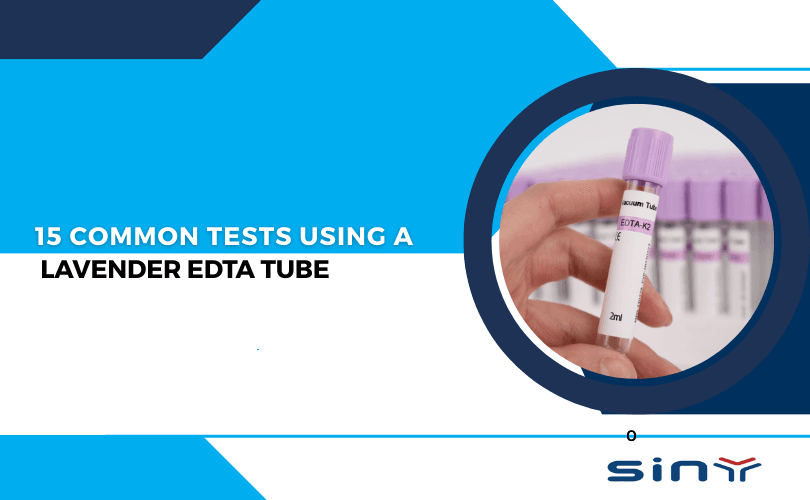
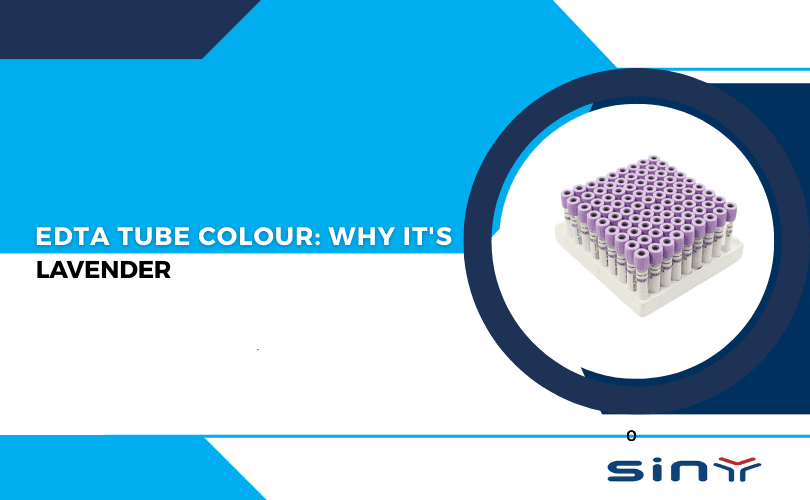
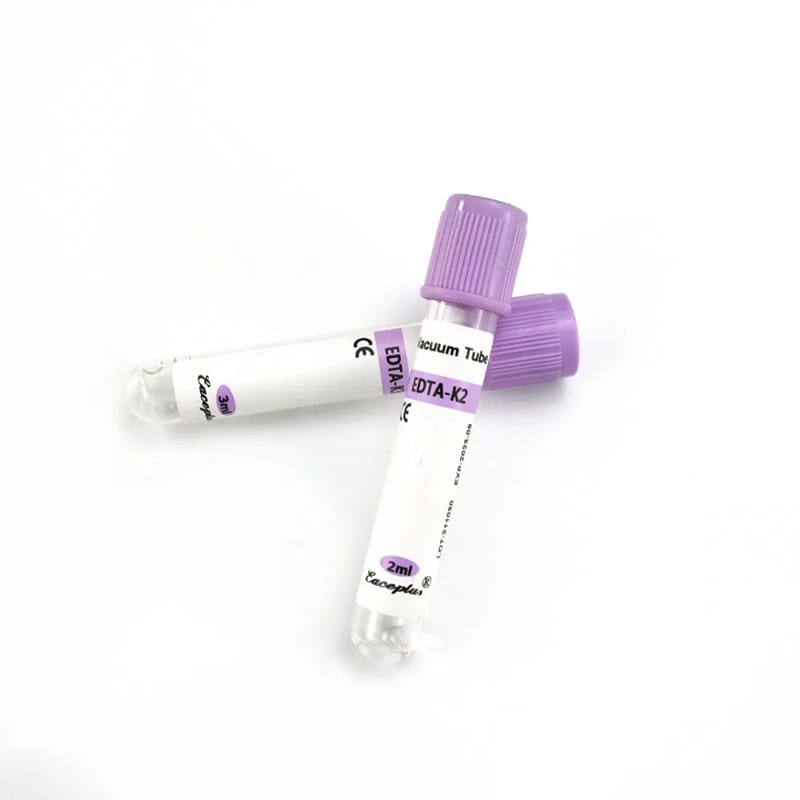
EDTA tubes contain ethylenediaminetetraacetic acid, which binds calcium irreversibly. These tubes are typically lavender or purple capped.
They are primarily used in hematology.
Key Applications
The EDTA tube is ideal for:
- Complete Blood Count (CBC) tests
- Blood cell morphology analysis
- Hemoglobin testing
If you’re unfamiliar with CBC, here’s a helpful explanation from Complete Blood Count. To explore EDTA tube varieties, visit EDTA Tube Products.
Citrate Tube vs EDTA Tube: Key Differences
Understanding the difference between a Citrate Tube and an EDTA tube comes down to chemistry, purpose, and application.
Comparison Table
| Feature | Citrate Tube | EDTA Tube |
|---|---|---|
| Anticoagulant | Sodium citrate | EDTA |
| Mechanism | Reversible calcium binding | Irreversible calcium binding |
| Tube Color | Light blue | Lavender/purple |
| Main Use | Coagulation tests | Hematology tests |
| Sample Type | Plasma | Whole blood |
| Mixing Ratio | Strict 9:1 blood to anticoagulant | Flexible |
Why This Difference Matters
A Citrate Tube preserves clotting factors, making it perfect for coagulation studies. Meanwhile, EDTA preserves cellular structure, which is critical for accurate blood cell analysis.
When to Use a Citrate Tube
Choosing the right tube is crucial. A Citrate Tube should be used when testing involves the blood’s clotting ability.
Clinical Scenarios
Use a Citrate Tube when:
- Monitoring anticoagulant therapy
- Diagnosing clotting disorders
- Performing PT/INR or aPTT tests
- Evaluating bleeding risks before surgery
Important Tip
Always ensure the correct blood-to-anticoagulant ratio (9:1). Even a slight deviation can lead to inaccurate results.
For proper usage techniques, check
How to Use an EDTA Tube—many principles apply to citrate tubes as well.
When to Use an EDTA Tube
EDTA tubes are indispensable in hematology labs.
Best Use Cases
Use EDTA tubes for:
- Routine blood tests like CBC
- Diagnosing anemia or infections
- Platelet count analysis
- Blood smear preparation
If you’re selecting the right tube size, this guide can help: EDTA Tube Sizes Explained.
Why Choosing the Right Tube Matters
Using the wrong tube can compromise test accuracy. For example:
- Using an EDTA tube instead of a Citrate Tube for coagulation testing can invalidate results
- Incorrect anticoagulants can alter blood chemistry
- Misuse may lead to repeated sampling and patient discomfort
Laboratory errors due to improper tube selection account for a significant percentage of diagnostic inaccuracies globally.
According to clinical lab studies, pre-analytical errors make up nearly 60–70% of lab mistakes, many linked to improper sample handling.
How to Choose Between Citrate Tube and EDTA Tube
Choosing between a Citrate Tube and an EDTA tube depends on the test requirement.
Decision Guide
- If the test involves clotting → Use a Citrate Tube
- If the test involves blood cells → Use an EDTA tube
For laboratories sourcing high-quality tubes, visit EDTA Tube Supplier or browse All Products.
Best Practices for Blood Collection
Even with the correct tube, improper handling can affect results.
Key Tips
- Always follow the correct order of draw
- Mix tubes gently to avoid hemolysis
- Avoid underfilling citrate tubes
- Label samples immediately
For a detailed buying guide, read How to Choose the Right EDTA Tube for Your Lab.
Industry Insights and Future Trends
The demand for both EDTA and Citrate Tube products continues to grow with advancements in diagnostics.
Emerging trends include:
- Automated blood collection systems
- Improved anticoagulant formulations
- Enhanced tube labeling for traceability
Learn more about innovations here: Future of EDTA Blood Collection Tubes 2026. For manufacturing insights, visit EDTA Tube Manufacturer Overview or explore Siny Medical Channel and Global Supply Listings.
Summary
Choosing between a Citrate Tube and an EDTA tube is not just a technical decision—it’s a clinical necessity. Each tube serves a distinct purpose, and using the correct one ensures accurate diagnoses and better patient outcomes.
A Citrate Tube is essential for coagulation testing due to its reversible anticoagulant properties. On the other hand, EDTA tubes excel in preserving blood cell integrity for hematology analysis.
By understanding their differences and applications, healthcare professionals can reduce errors, improve efficiency, and enhance diagnostic precision. Get for more information visit Edta Tube and contact us.
FAQs
Q.What is a Citrate Tube used for?
A.A Citrate Tube is primarily used for coagulation tests such as PT, INR, and aPTT because it preserves clotting factors effectively.
Q.Can I use an EDTA tube instead of a Citrate Tube?
A.No, substituting an EDTA tube for a Citrate Tube can lead to incorrect coagulation results due to irreversible calcium binding.
Q.Why is the fill volume important in a Citrate Tube?
A.The Citrate Tube requires a precise blood-to-anticoagulant ratio. Incorrect filling can distort test results significantly.
Q.Is Citrate Tube better than EDTA tube?
A.A Citrate Tube is not universally better. It depends on the test. It is superior for coagulation studies, while EDTA is better for hematology.
Q.What color is a Citrate Tube?
A.A Citrate Tube typically has a light blue cap, making it easy to identify during blood collection.