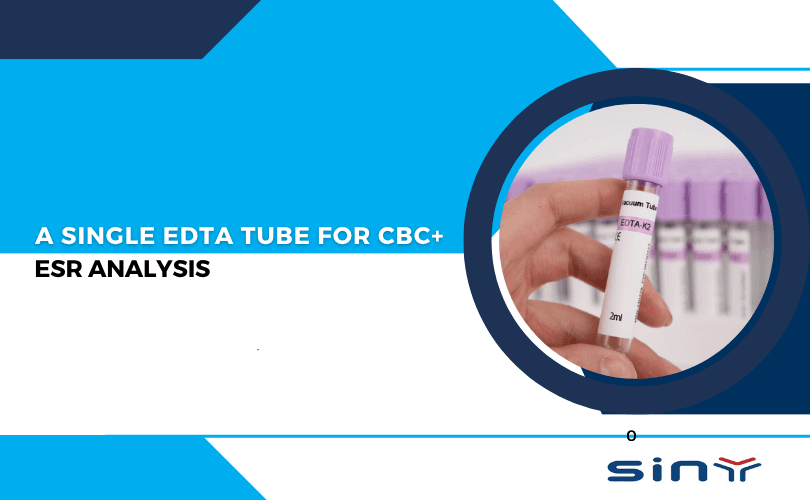
The role of proper blood collection tools is essential in modern diagnostics. Among these, the EDTA tube for CBC (Complete Blood Count) stands out as one of the most widely used and trusted. Whether you’re a clinician, lab technician, or healthcare professional, knowing when and how to use a single EDTA tube for combined CBC and ESR testing can improve efficiency, cut costs, and streamline workflow.
In this comprehensive guide, we will explain everything you need to know about EDTA tubes, how they work in CBC and ESR testing, the science behind them, best practices, and how choosing the right tube enhances diagnostic accuracy.
If you’re looking for information on EDTA tubes — from technical specifications to practical use — you’ve come to the right place. For a full list of products, visit the EDTA Tube products page to explore options that suit your laboratory needs.
What Is an EDTA Tube and Why It Matters in Blood Testing
In the field of pathology and clinical lab work, EDTA tubes are essential tools for hematological testing. EDTA stands for ethylenediaminetetraacetic acid, an anticoagulant commonly used in blood collection tubes to preserve the integrity of blood cells during laboratory analysis.
The primary function of an EDTA tube is to prevent coagulation by binding calcium in the blood. This ensures that the sample remains suitable for precise measurements of blood components, especially when conducting a Complete Blood Count (CBC) — a vital test that assesses red blood cells (RBC), white blood cells (WBC), hemoglobin levels, hematocrit, and more.
To better understand CBC, see the general overview at Complete Blood Count on Wikipedia.
A CBC is often the first step in routine diagnostics and may help detect anemia, infections, leukemia, and other blood disorders.
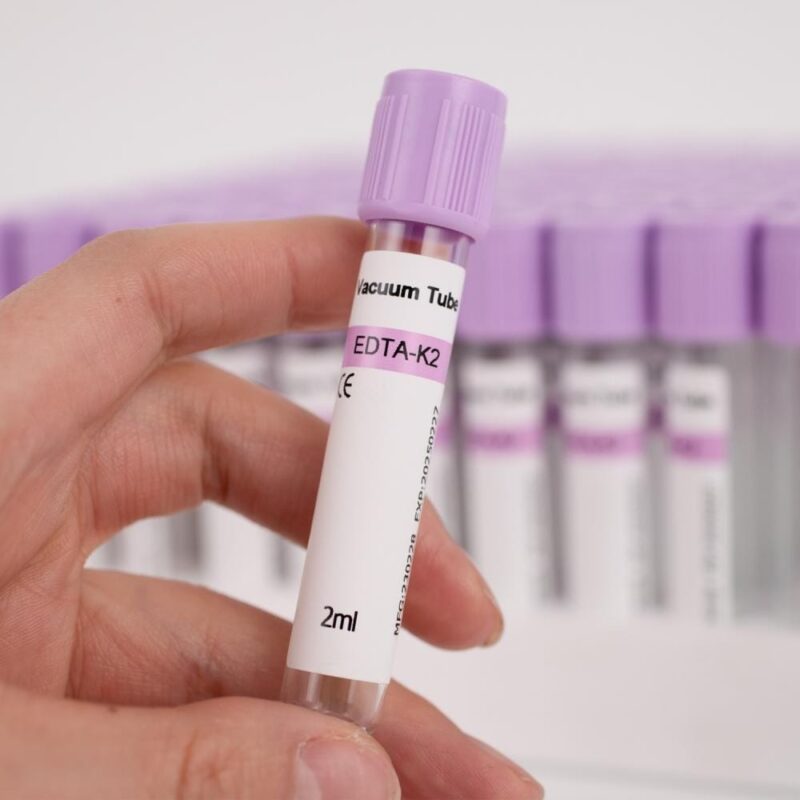
How an EDTA Tube Works for CBC Testing
When a blood sample is drawn into an EDTA tube, the anticoagulant immediately mixes with the blood to inhibit clot formation. This ensures that the cellular components can be accurately counted and analyzed by automated hematology analyzers.
Key Functions of EDTA in a CBC Tube
- Prevents clotting of blood cells
- Preserves cellular morphology
- Offers stability for up to 24 hours at room temperature in many cases
- Supports accurate measurement of cell counts and indices
Because of these characteristics, EDTA tubes have become the gold standard for CBC samples. For a detailed exploration of EDTA tube uses, check the article about EDTA Tube Is Used for CBC.
Can a Single EDTA Tube Provide Both CBC and ESR Results?
Traditionally, ESR (Erythrocyte Sedimentation Rate) is measured using a separate tube with a different anticoagulant such as citrate. But advances in lab protocols and tube technology have enabled the possibility of collecting one sample and using it for both CBC and ESR analysis — if handled correctly.
What Does ESR Measure?
ESR is the rate at which red blood cells settle in a vertical tube over a period of one hour. A faster rate can indicate inflammation, infection, or other conditions. The process can be affected by tube type, anticoagulant, and sample handling.
According to research, citrate is traditionally recommended due to its consistency in measuring ESR accurately. However, in situations where citrate tubes are unavailable, EDTA tubes can be used with specialized ESR analyzers or modified protocols.
Important note: Not all labs accept EDTA for ESR testing because results can vary compared to standard citrate methods.
Advantages of Using a Single EDTA Tube for CBC + ESR
Considering workflow efficiency, cost, and reduced patient discomfort, using a single EDTA tube for both CBC and ESR offers several benefits:
Reduced Sample Volume
Drawing one tube instead of two saves time and minimizes stress on patients, especially critical for pediatric and elderly patients.
Lower Cost
Fewer supplies, less handling, and reduced risk of sample mix‑ups decrease lab expenditures.
Simplified Workflow
With one tube, technicians spend less time managing multiple samples and more on delivering accurate results quickly.
Despite these benefits, labs must validate that their analyzers and techniques produce accurate ESR readings from EDTA samples.
Comparing EDTA and Citrate Tubes for CBC + ESR Testing
| Feature | EDTA Tube | Citrate Tube |
|---|---|---|
| Primary Use | CBC | Coagulation and ESR |
| Anticoagulant | EDTA | Sodium Citrate |
| Cell Morphology Preservation | Excellent | Moderate |
| ESR Standard Method | Not Standard (Used with modification) | Standard |
| Erythrocyte Stability | High | High |
While EDTA remains indispensable for CBC, citrate continues to be the standard for ESR tests in many settings. For more insight, read about How to Choose the Right EDTA Tube for Your Lab.
Choosing the Right EDTA Tube for Your Laboratory
There’s more to selecting a tube than just the type. Tubes come in various sizes and configurations depending on clinical needs.
For example, you may encounter:
- 2 ml
- 3 ml
- 4 ml
- 5 ml
- 6 ml
- 10 ml
A helpful breakdown of sizes and their applications is available in the article on EDTA Tube Sizes Explained.
Smaller tubes are ideal for routine CBCs, particularly in pediatric cases, while larger volumes serve batch testing and multiple analyses.
How to Use an EDTA Tube (Step‑by‑Step Guide for Labs)
Understanding proper technique ensures sample integrity and reliable results.
Step 1: Prepare Supplies
Ensure you have:
- Sterile EDTA tube
- Needle and syringe or vacuum collection system
- Alcohol swabs and gloves
- Proper labeling materials
Step 2: Draw the Blood
Follow aseptic technique to collect the blood sample. Maintain gentle handling to avoid hemolysis.
Step 3: Invert the Tube
Immediately after collection, invert the EDTA tube 8–10 times to mix the anticoagulant thoroughly. Do not shake vigorously.
Step 4: Label Appropriately
Accurate labeling is critical for traceability. Include patient ID, date, and time.
For a detailed demonstration, you can check the step‑by‑step guide at How to Use an EDTA Tube.
Mistakes in EDTA Tube Handling
Even under ideal conditions, errors can occur. Some frequent issues include:
- Delayed mixing after collection
- Using expired tubes
- Incorrect labeling or tube inversion
- Exceeding recommended storage times
Avoiding these pitfalls helps maintain sample viability and supports more precise CBC/ESR measurements.
Summary
The EDTA tube for CBC remains a cornerstone of hematology testing. Its ability to preserve blood cell integrity makes it essential for accurate Complete Blood Count analysis. With thoughtful handling and proper validation, it can also support ESR testing — enhancing efficiency in busy clinical environments.
Choosing the right EDTA tube, understanding its purpose, and following best practices help labs deliver faster, more reliable results. Whether you’re expanding your lab’s workflow or optimizing your daily routines, mastering EDTA tube usage ensures precision and reliability across diagnostic services.
Explore more about EDTA tubes and their applications at EDTATube and view a full list of related products on the EDTATube product category page.
Let us know if you want personalized guidance or have specific questions — see our contact page for support.
FAQs
Q. Can an EDTA Tube for CBC also be used for ESR testing?
A. Absolutely. In many labs, an EDTA tube can be adapted for ESR, but it must be validated with your specific analyzer to ensure accurate results. Focus keyword used: EDTA tube for CBC.
Q. How long after collection can an EDTA tube sample be analyzed?
A. EDTA samples remain stable for up to 24 hours at room temperature for CBC. However, ESR may require faster processing or refrigeration depending on lab protocols. Focus keyword used: EDTA tube for CBC.
Q. What is the main advantage of EDTA tubes over citrate tubes?
A. EDTA tubes provide superior cell morphology preservation, which is vital for a reliable CBC. Focus keyword used: EDTA tube for CBC.
Q. Are there different sizes of EDTA tubes suitable for CBC testing?
A. Yes. EDTA tubes come in sizes from 2 ml to 10 ml, depending on the volume needed. Focus keyword used: EDTA tube for CBC.
Q. Do all automated analyzers accept EDTA samples for ESR?
A. Not all analyzers do. It’s important to consult your lab instrument documentation. Focus keyword used: EDTA tube for CBC.