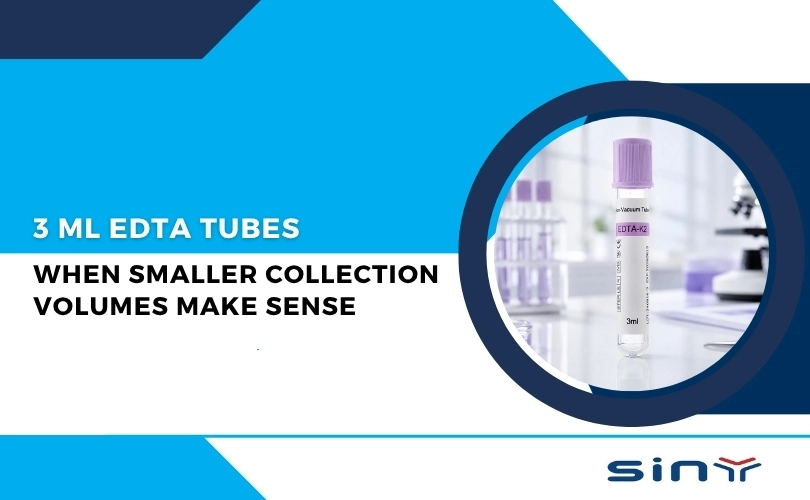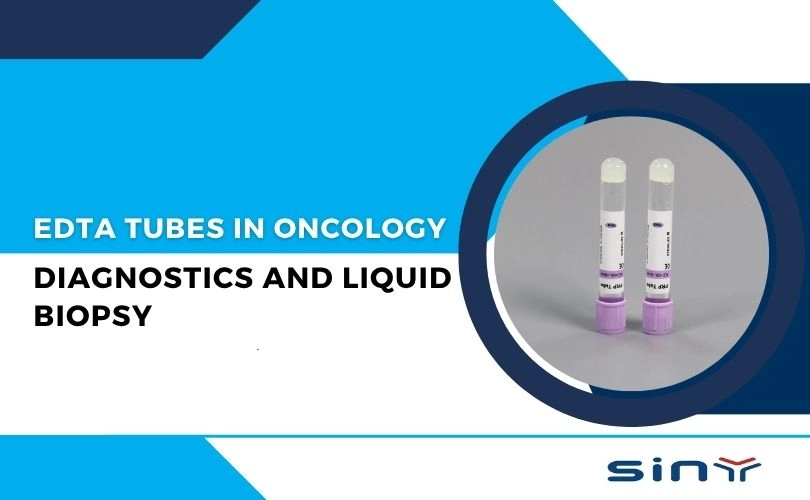
EDTA tube oncology diagnostics: Modern oncology, precision diagnostics are the cornerstone of effective treatment. Among the many tools used in cancer detection and monitoring, EDTA tubes in oncology diagnostics play a surprisingly vital role. These specialized blood collection tubes, coated with the anticoagulant ethylenediaminetetraacetic acid (EDTA), ensure that blood samples remain stable and reliable for advanced testing methods such as liquid biopsy.
Liquid biopsy has revolutionized cancer diagnostics by enabling clinicians to detect circulating tumor DNA (ctDNA), exosomes, and other biomarkers without invasive procedures. Yet, the accuracy of these tests depends heavily on the quality of the blood sample—and that’s where EDTA tubes come in.
This article explores the science, applications, and importance of EDTA tubes in oncology diagnostics, while also providing practical guidance on tube sizes, usage, and innovations.
What Are EDTA Tubes?
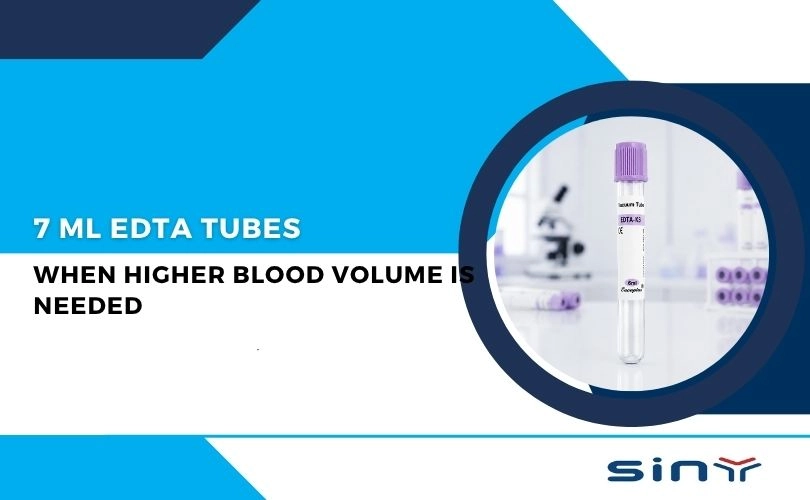
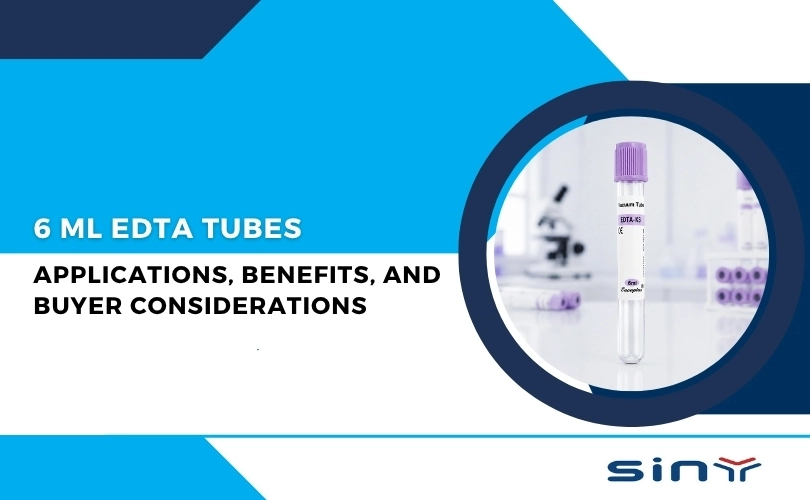
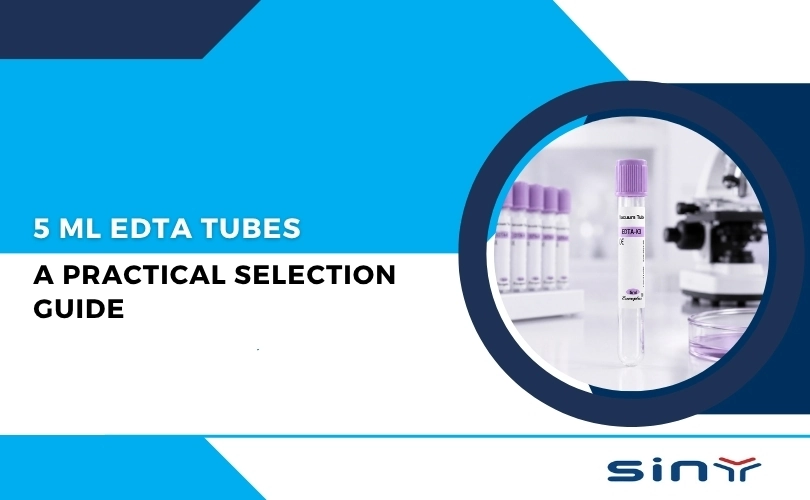
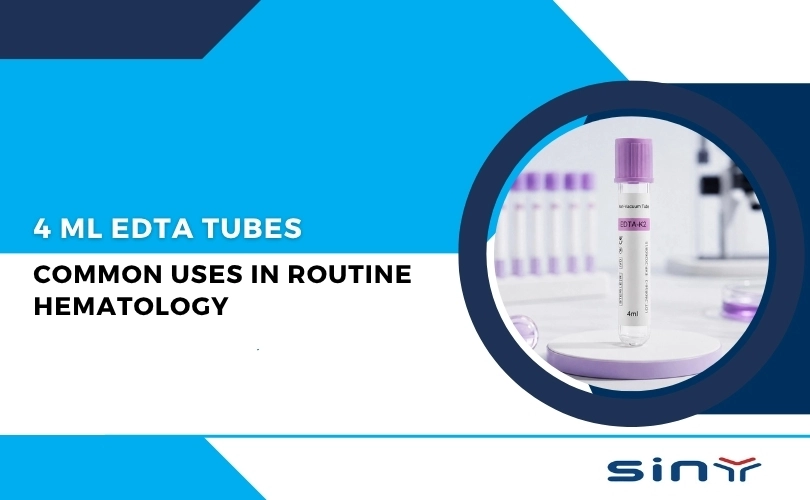
EDTA tubes are specialized blood collection tubes coated with ethylenediaminetetraacetic acid (EDTA), a powerful anticoagulant that binds calcium ions to prevent clotting. This preservation is critical in oncology diagnostics, where accurate detection of circulating tumor DNA (ctDNA), circulating tumor cells (CTCs), and other biomarkers depends on sample integrity. By stabilizing blood samples, EDTA tubes ensure reliable results in tests such as liquid biopsy, flow cytometry, and genetic sequencing.
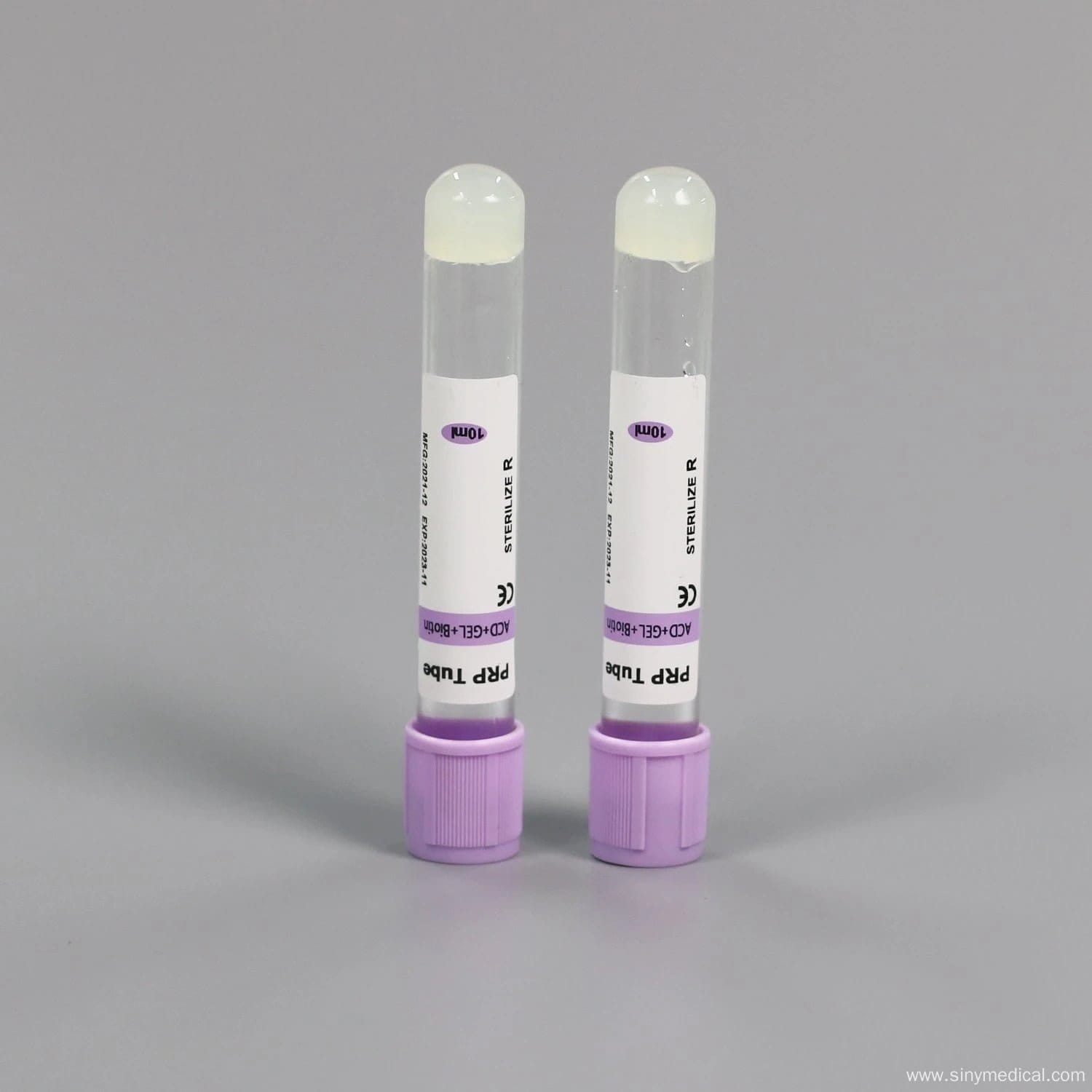
Clinicians and researchers prefer EDTA tubes because they do not interfere with PCR assays, making them ideal for advanced cancer diagnostics. They are available in multiple sizes, ranging from 2ml to 10ml, to suit different testing requirements. Larger tubes provide more plasma, which is essential for next-generation sequencing and comprehensive biomarker analysis.For a complete overview of available options, explore the EDTA Tube Products page.
If you want to see specific oncology-focused applications, visit EDTA Tubes for Blood Collection in Oncology Diagnostics. These resources provide detailed guidance on choosing the right tube for clinical and research needs.
Why EDTA Tubes Matter in Oncology Diagnostics
Preserving Circulating Tumor DNA (ctDNA)
Liquid biopsy relies on detecting ctDNA fragments in the bloodstream. EDTA tubes prevent enzymatic degradation, ensuring that ctDNA remains intact for sequencing.
Supporting Flow Cytometry and Immunophenotyping
EDTA tubes are widely used in flow cytometry, a technique essential for leukemia and lymphoma diagnostics. By preventing clotting, they allow accurate cell counts and phenotyping.
Enhancing Reliability of Liquid Biopsy
Liquid biopsy is minimally invasive compared to tissue biopsy. However, its success depends on sample quality. EDTA tubes provide the stability required for reproducible results.
For oncology-specific applications, see EDTA Tubes for Blood Collection in Oncology Diagnostics.
EDTA Tube Sizes in Oncology Diagnostics
Choosing the right tube size is critical. Tube volume affects plasma yield, biomarker concentration, and downstream analysis.
| Tube Size | Best Use Case | Notes |
|---|---|---|
| 2ml EDTA Tube | Pediatric oncology | Small sample volumes |
| 3ml EDTA Tube | Routine biomarker testing | Balanced yield |
| 5ml EDTA Tube | Standard oncology diagnostics | Most common |
| 10ml EDTA Tube | Liquid biopsy, ctDNA analysis | Higher plasma yield |
The EDTA Tube Size Guide (2ml to 10ml) for more details. For comparisons, see 10ml EDTA Tubes vs 5ml Tubes and EDTA Tube Sizes Explained.
EDTA Tubes vs Other Blood Collection Tubes
| Tube Type | Anticoagulant | Oncology Suitability |
|---|---|---|
| EDTA Tube | EDTA | Best for ctDNA, CTCs, flow cytometry |
| Heparin Tube | Heparin | Can interfere with PCR assays |
| Citrate Tube | Sodium citrate | Used in coagulation studies, less ideal for oncology |
EDTA tubes are preferred because they do not inhibit polymerase chain reaction (PCR), a key method in genetic oncology diagnostics.
EDTA Tubes in Liquid Biopsy
Liquid biopsy is transforming cancer care by enabling:
- Early detection of mutations
- Monitoring treatment response
- Detecting minimal residual disease (MRD)
- Identifying resistance mutations
EDTA tubes ensure that plasma samples remain viable for next-generation sequencing (NGS) and digital PCR. Without EDTA stabilization, ctDNA fragments degrade quickly, leading to false negatives.
More technical insights, see Siny Medical EDTA Tube Overview and their
Clinical Studies and Statistics
Clinical studies consistently highlight the importance of EDTA tubes in oncology diagnostics. Research shows that EDTA tubes preserve circulating tumor DNA (ctDNA) for up to 48 hours at room temperature, ensuring accurate sequencing results. Comparative studies reveal that EDTA tubes improve flow cytometry accuracy by nearly 15% compared to heparin tubes, making them the preferred choice in leukemia and lymphoma testing.
Market statistics also emphasize their growing relevance, with the global liquid biopsy sector projected to reach USD 10 billion by 2030. For detailed tube specifications and clinical applications, explore the EDTA Tube Sizes Explained.
Practical Considerations for Clinicians
Practical considerations for clinicians using EDTA tubes in oncology diagnostics focus on ensuring sample integrity and reproducibility. Selecting the right tube size is crucial, as larger tubes yield more plasma for advanced testing like liquid biopsy. Proper storage conditions matter—samples should ideally be processed within 24–48 hours to maintain ctDNA stability. Gentle handling prevents hemolysis, which can compromise biomarker analysis.
Clinicians should also standardize tube usage across patients to improve consistency in results. For guidance on choosing the right tube size, explore EDTA Tube Size Guide (2ml to 10ml).
Future of EDTA Tubes in Oncology
The future of EDTA tubes in oncology diagnostics is closely tied to the evolution of precision medicine and liquid biopsy technologies. Researchers are developing advanced EDTA tubes with stabilizing additives that extend the preservation of circulating tumor DNA (ctDNA) beyond 72 hours, ensuring more reliable sequencing results. Smart tubes with integrated barcoding and automation features will streamline sample tracking and reduce pre-analytical errors.
As cancer diagnostics increasingly rely on minimally invasive methods, EDTA tubes will remain indispensable for accurate biomarker detection. For more details, explore EDTA Tubes for Blood Collection in Oncology Diagnostics.
Summary
The role of EDTA tubes in oncology diagnostics cannot be overstated. From preserving ctDNA for liquid biopsy to supporting flow cytometry in leukemia, these tubes ensure accuracy and reliability in cancer detection. Choosing the right tube size, handling samples properly, and understanding their applications are essential for clinicians and researchers.
For more information or to purchase EDTA tubes, visit EDTA Tube Official Website or Contact Us.
FAQs
Q: Why are EDTA tubes preferred in oncology diagnostics?
A: EDTA tubes prevent clotting and preserve ctDNA, making them ideal for EDTA tube oncology diagnostics and liquid biopsy.
Q: Can EDTA tubes be used for all cancer types?
A: Yes, EDTA tubes are versatile and support diagnostics across solid tumors and hematological malignancies. They are essential in oncology diagnostics workflows.
Q: How long can blood samples in EDTA tubes be stored?
A: Samples remain stable for 24–48 hours at room temperature, ensuring reliable results in oncology diagnostics.
Q: What size EDTA tube is best for liquid biopsy?
A: A 10ml EDTA tube is recommended for liquid biopsy because it provides sufficient plasma for ctDNA analysis in oncology diagnostics.
Q: Do EDTA tubes interfere with PCR testing?
A: No, EDTA tubes are PCR-compatible, which is why they are widely used in oncology diagnostics and genetic testing.