Diabetes continues to be one of the most significant global health challenges. According to the World Health Organization, hundreds of millions of people worldwide live with diabetes, and many remain undiagnosed until complications appear. Early detection and continuous monitoring are crucial for managing the disease effectively.
One of the most reliable laboratory methods for diagnosing and monitoring diabetes is the HbA1c test. However, the accuracy of HbA1c results depends heavily on proper blood collection procedures. This is where Edta Tubes for HBA1c Test play a critical role.
These specialized blood collection tubes help preserve blood cell integrity, prevent clotting, and maintain sample stability from collection to analysis. Without the correct tube, even advanced laboratory analyzers may produce unreliable results.
In this guide, we will explore why EDTA tubes are the preferred choice for HbA1c testing, how they work, best collection practices, tube selection considerations, and how laboratories can ensure consistently accurate diabetes diagnosis results.
HbA1c Testing
HbA1c, also known as glycated hemoglobin, measures the percentage of hemoglobin molecules in red blood cells that have glucose attached to them.
Unlike a standard blood glucose test, HbA1c reflects average blood sugar levels over approximately two to three months. This longer-term view provides clinicians with valuable insights into diabetes management and diagnosis.
Healthcare providers commonly use HbA1c testing to:
- Diagnose diabetes
- Identify prediabetes
- Monitor treatment effectiveness
- Assess long-term glucose control
- Evaluate patient compliance with treatment plans
Because HbA1c testing relies on analyzing red blood cells, preserving those cells during collection and transportation becomes essential.
This is why laboratories worldwide depend on Edta Tubes for HBA1c Test procedures.

Why EDTA Is Used in HbA1c Testing
EDTA stands for Ethylenediaminetetraacetic Acid. It is an anticoagulant that prevents blood clotting by binding calcium ions in the sample. When blood clots, red blood cells become damaged or trapped within fibrin networks. This can significantly affect HbA1c measurement accuracy. EDTA offers several advantages:
Preserves Red Blood Cells
HbA1c analysis focuses on hemoglobin inside red blood cells. EDTA maintains cellular integrity during storage and transport.
Prevents Clot Formation
The anticoagulant action prevents coagulation, ensuring the sample remains suitable for testing.
Improves Laboratory Accuracy
Stable blood samples reduce analytical variability and improve result consistency.
Compatible with Modern Analyzers
Most HbA1c analyzers are validated specifically for EDTA whole blood samples. For a detailed explanation, readers can explore the article on why EDTA tubes are preferred for HbA1c testing available through EDTATube’s knowledge center.
What Makes Edta Tubes for HBA1c Test Different?
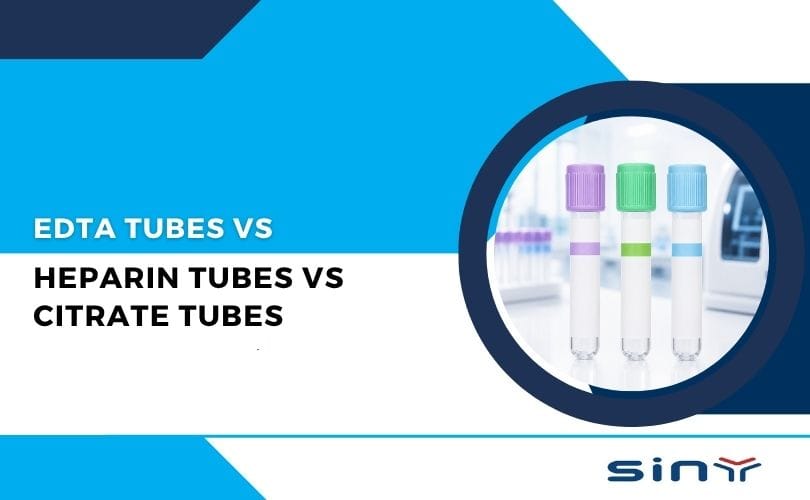
Not all blood collection tubes are suitable for HbA1c analysis. Serum tubes, citrate tubes, and heparin tubes serve different laboratory purposes. HbA1c testing requires whole blood with intact red blood cells.
EDTA tubes contain anticoagulants specifically designed to maintain sample quality without altering hemoglobin structure.
Comparison of Blood Collection Tubes
| Tube Type | Anticoagulant | Suitable for HbA1c? | Primary Use |
|---|---|---|---|
| EDTA Tube | K2EDTA or K3EDTA | Yes | Hematology and HbA1c |
| Serum Tube | None | No | Chemistry testing |
| Citrate Tube | Sodium Citrate | Limited | Coagulation studies |
| Heparin Tube | Lithium Heparin | Not Preferred | Clinical chemistry |
This comparison clearly demonstrates why Edta Tubes for HBA1c Test remain the global standard.
The Science Behind EDTA Blood Preservation
The success of HbA1c testing depends on maintaining red blood cell stability. EDTA works by chelating calcium ions that are necessary for the coagulation cascade. Once calcium becomes unavailable, clot formation stops.
This process offers several laboratory benefits:
- Stable hemoglobin concentration
- Reduced cellular degradation
- Improved analyzer performance
- Extended sample usability
- Better reproducibility
Because HbA1c reflects glucose exposure throughout the lifespan of red blood cells, preserving those cells is essential.
Types of EDTA Tubes Used for HbA1c Testing
Manufacturers produce several EDTA tube sizes to meet varying collection requirements. Laboratories choose tube sizes based on testing volume, patient demographics, and workflow needs.
2ml EDTA Tubes
Suitable for pediatric patients and small-volume collections.
3ml EDTA Tubes
Commonly used in outpatient clinics and physician offices.
4ml and 5ml EDTA Tubes
Ideal for laboratories performing multiple hematology tests from a single sample.
6ml EDTA Tubes
Frequently selected for comprehensive blood testing programs.
10ml EDTA Tubes
Used when larger sample volumes are required. Laboratories can refer to EDTATube’s comprehensive size guides for selecting the most appropriate tube capacity.
Best Practices for Collecting Samples Using Edta Tubes for HBA1c Test
Even high-quality tubes cannot compensate for poor collection practices. Following proper procedures helps maximize accuracy.
Use Correct Fill Volume
Underfilled tubes may alter the anticoagulant-to-blood ratio.
Mix Immediately After Collection
Gently invert the tube 8–10 times to distribute EDTA evenly.
Avoid Excessive Shaking
Aggressive mixing can damage red blood cells.
Label Samples Correctly
Proper identification reduces specimen rejection risks.
Follow Storage Guidelines
Maintain recommended temperature conditions during transportation. These practices help laboratories achieve consistent HbA1c results.
Errors That Affect HbA1c Results
Laboratory professionals regularly encounter preventable collection issues.
Clotted Samples
Insufficient mixing can result in clot formation.
Hemolysis
Improper handling may rupture red blood cells.
Incorrect Tube Selection
Using non-EDTA tubes can compromise accuracy.
Delayed Processing
Extended storage under poor conditions may affect sample quality.
Underfilled Tubes
Improper anticoagulant concentration can impact measurements. Selecting reliable Edta Tubes for HBA1c Test significantly reduces these risks.
The Role of EDTA Tubes in Diabetes Diagnosis
HbA1c testing plays a central role in diagnosing diabetes. Current diagnostic thresholds commonly include:
| HbA1c Result | Interpretation |
|---|---|
| Below 5.7% | Normal |
| 5.7% – 6.4% | Prediabetes |
| 6.5% or Higher | Diabetes |
Because treatment decisions often depend on these values, sample integrity becomes critically important. Accurate blood collection begins with appropriate EDTA tube selection.
EDTA Tubes and Laboratory Quality Control
Quality control programs focus heavily on pre-analytical variables. Research consistently shows that specimen collection errors account for a significant percentage of laboratory inaccuracies.
EDTA tubes support quality control by:
- Minimizing clotting
- Preserving cell morphology
- Supporting standardized testing
- Improving reproducibility
- Reducing specimen rejection rates
Laboratories that prioritize proper sample collection often achieve higher diagnostic confidence.
How Manufacturers Ensure EDTA Tube Quality
Leading manufacturers apply strict quality standards throughout production. Quality assurance measures typically include:
Anticoagulant Distribution Testing
Ensures uniform EDTA coating.
Vacuum Accuracy Verification
Confirms proper draw volume.
Sterility Assessment
Reduces contamination risks.
Material Compatibility Testing
Protects sample integrity.
Batch Traceability
Supports quality management systems. Healthcare facilities sourcing from reliable suppliers benefit from more consistent testing performance.
Choosing the Right Supplier for Edta Tubes for HBA1c Test
Selecting a trusted manufacturer can directly affect laboratory outcomes. When evaluating suppliers, consider:
- Regulatory compliance
- Manufacturing certifications
- Product consistency
- Global distribution capability
- Technical support availability
Organizations seeking professional blood collection solutions often review specialized EDTA tube manufacturers that focus on hematology and HbA1c applications.
Future Trends in HbA1c Sample Collection
The future of laboratory diagnostics continues to evolve. Several innovations are shaping blood collection technology:
Enhanced Tube Materials
Advanced plastics improve sample preservation.
Improved Anticoagulant Formulations
Optimized EDTA coatings increase consistency.
Automation Compatibility
Modern tubes integrate with automated laboratory systems.
Sustainability Initiatives
Manufacturers are exploring environmentally responsible production methods. As diabetes prevalence continues to rise globally, demand for reliable Edta Tubes for HBA1c Test solutions will grow alongside diagnostic requirements.
Why EDTA Tubes Remain the Gold Standard
Despite advances in diagnostic technology, the foundation of accurate HbA1c testing remains proper specimen collection.
EDTA tubes consistently deliver:
- Reliable anticoagulation
- Stable red blood cell preservation
- Excellent analyzer compatibility
- Improved diagnostic accuracy
- Reduced laboratory errors
These advantages explain why healthcare facilities worldwide continue to rely on EDTA-based blood collection systems for diabetes monitoring and diagnosis.
Summary
Accurate diabetes diagnosis begins long before laboratory analysis. Proper blood collection is a crucial step, and EDTA tubes play a central role in preserving sample quality. By preventing clotting, protecting red blood cells, and supporting analyzer performance, Edta Tubes for HBA1c Test help laboratories deliver reliable HbA1c results. As diabetes testing continues to expand worldwide, high-quality EDTA blood collection tubes will remain essential for precise diagnosis, patient monitoring, and better healthcare outcomes. For more information about EDTA blood collection tubes, HbA1c testing solutions, and laboratory best practices, visit EDTATube. Explore the full range of products at EDTA Tube Products and find the right solution for your laboratory needs. If you have questions about product specifications, bulk orders, or technical support, please contact our team through the Contact Us Page for personalized assistance.
FAQs
Q: Why are EDTA tubes preferred for HbA1c testing?
A: Edta Tubes for HBA1c Test are preferred because they prevent clotting while preserving red blood cells, ensuring accurate hemoglobin analysis.
Q: Can HbA1c be tested using serum tubes?
A: No. Edta Tubes for HBA1c Test are required because HbA1c analysis uses whole blood rather than serum.
Q: Which EDTA tube size is best for HbA1c testing?
A: The ideal Edta Tubes for HBA1c Test size depends on laboratory requirements, but 2ml to 5ml tubes are commonly used.
Q: How long can EDTA samples remain stable?
A: Most Edta Tubes for HBA1c Test samples remain stable for several days when stored under recommended laboratory conditions.
Q: Do all HbA1c analyzers require EDTA blood?
A: Most commercial analyzers are validated using Edta Tubes for HBA1c Test specimens because they provide consistent results.
Q: Can improper tube filling affect HbA1c accuracy?
A: Yes. Underfilled Edta Tubes for HBA1c Test may alter the anticoagulant ratio and potentially affect laboratory measurements.