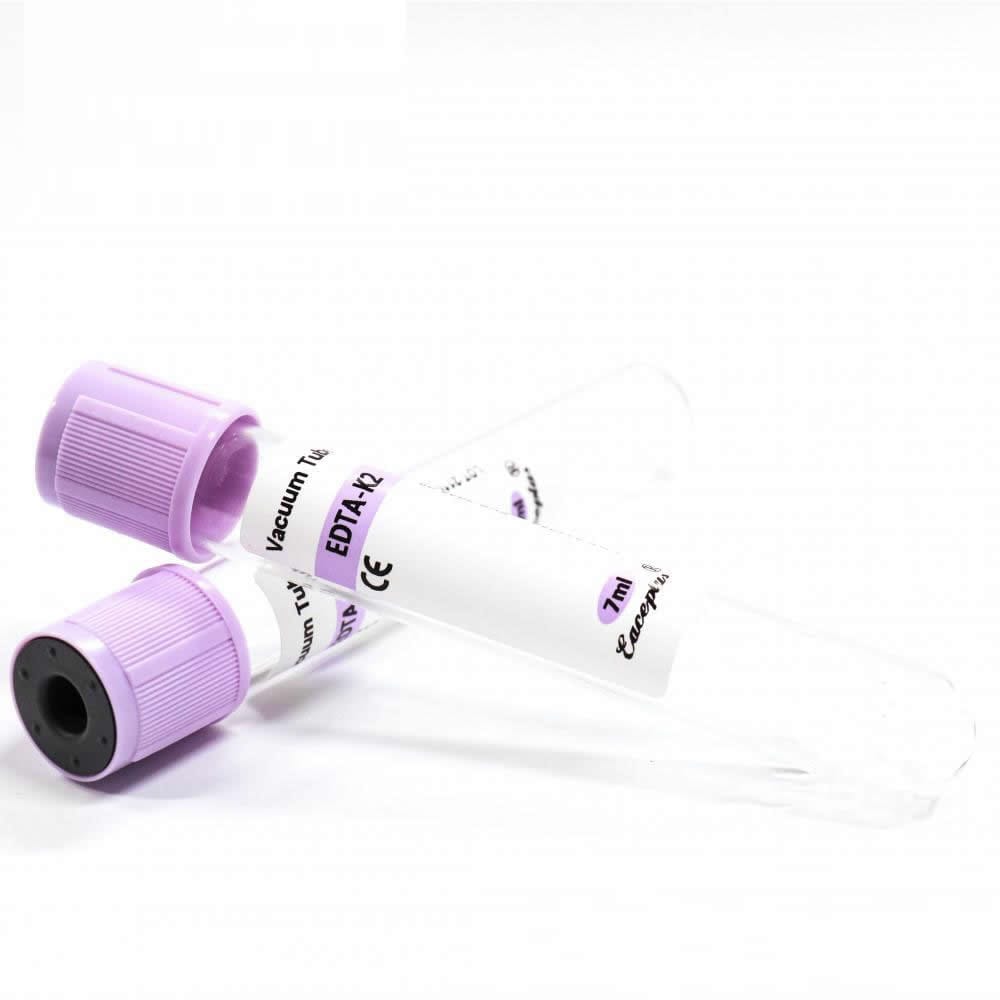
Blood collection is one of the most common yet high-risk procedures in clinical settings. While the primary goal is to obtain a clean sample for diagnostic accuracy, the safety of the professional performing the draw is just as critical. In hematology, the lavender-top tube is king, but handling these containers requires more than just technical skill. Comprehensive EDTA tubes safety training is the foundation of a secure laboratory environment, protecting staff from needle-stick injuries, chemical exposure, and bloodborne pathogens.
At EDTA Tube, we believe that quality equipment must be paired with rigorous safety protocols. Whether you are a seasoned phlebotomist or a laboratory manager, understanding the nuances of safety during blood collection ensures that every patient interaction remains professional and hazard-free.
The Importance of Formal EDTA Tubes Safety Training
Healthcare workers face daily risks that the general public rarely considers. From the moment a needle punctures the skin to the final disposal of the collection vessel, there are dozens of opportunities for error. EDTA tubes safety training focuses on minimizing these risks through standardized procedures. It isn’t just about following rules; it is about building a culture where safety is instinctive.
When we talk about safety, we aren’t just discussing the physical tube. We are looking at the entire ecosystem of phlebotomy. This includes the selection of the correct EDTA tube size, the mechanics of the vacuum system, and the chemical properties of the anticoagulant itself. A well-trained professional knows that a 2ml tube requires a different level of handling than a 10ml EDTA tube.
Comprehension the Hazards of Blood Collection
Before diving into the specifics of EDTA tubes safety training, we must identify what we are protecting against. The most immediate threat is the needle-stick injury (NSI). According to the CDC, hundreds of thousands of NSIs occur annually in healthcare settings. These injuries can transmit Hepatitis B, Hepatitis C, and HIV.
Beyond the needle, there is the risk of blood spray or aerosolization. If a tube is opened improperly, or if the vacuum seal fails, micro-droplets of blood can escape. Furthermore, EDTA (Ethylenediaminetetraacetic acid) is a chemical additive. While safe when contained, improper handling of broken tubes can lead to skin or eye irritation. This is why browsing our full product category to find high-quality, shatter-resistant options is a safety step in itself.
Pre-Procedure Safety: Preparation is Protection
The first pillar of EDTA tubes safety training happens before the patient even enters the room. Preparation is the best defense against accidents. A cluttered workspace leads to bumped elbows and dropped glass.
Selecting the Right Equipment
Choosing the right tube size isn’t just about the lab’s requirements; it’s about the patient’s vein health. Using a 10ml tube on a pediatric patient with fragile veins can cause the vein to collapse, leading to multiple “pokes” and increased injury risk for the worker. We have developed a guide on what size EDTA tube you should use to help clinicians make safer choices.
Personal Protective Equipment (PPE)
No safety training is complete without emphasizing PPE. Gloves are mandatory, but their role is often misunderstood. Gloves do not prevent needle punctures, but they significantly reduce the volume of blood transferred during a “wipe-off” injury. In some high-risk environments, face shields or goggles are recommended to protect against blood splashes during the tube-filling process.
Step-by-Step Guide: Safe Blood Collection Procedures
Effective EDTA tubes safety training breaks the procedure down into manageable, repeatable steps. By standardizing the workflow, we reduce the cognitive load on the healthcare worker, making mistakes less likely.
The Draw Order
Safety starts with the order of draw. EDTA tubes are typically drawn near the end of the sequence to prevent additive carryover. If EDTA enters a serum tube, it can cause false potassium readings and low calcium levels. This leads to diagnostic errors, which indirectly endangers the patient. Understanding how EDTA tubes compare to other collection tubes is a vital part of the curriculum.
Managing the Vacuum
Modern blood collection tubes use a pre-set vacuum to pull the exact amount of blood needed. Forcing blood into a tube with a syringe is a major safety violation. This practice, known as “re-piercing” the stopper, is a leading cause of accidental needle sticks. If you find the vacuum is insufficient, you should switch to a fresh tube rather than attempting to bypass the safety features.
The Inversion Technique
Once the tube is filled, it must be inverted. This is not just for the sample’s sake; it’s for safety. Proper mixing ensures the blood remains anticoagulated. Clotted blood in a tube can lead to difficult processing in the lab, potentially requiring the cap to be removed manually—a high-risk action for aerosol exposure. You can see various hematology-specific EDTA tubes that are designed for easy mixing and processing.
| Feature | K2 EDTA | K3 EDTA |
| Physical Form | Spray-dried | Liquid |
| Impact on Cells | Minimal volume change | Slight cell shrinkage |
| Best Use | General Hematology | Specialized Testing |
| Safety Factor | Lower risk of splash | Higher risk of liquid spill |
Post-Collection Safety: Disposal and Cleanup
The most dangerous moment in phlebotomy is often the few seconds after the needle is removed from the vein. This is when the “safety shield” must be activated. A core component of EDTA tubes safety training is the “single-handed” safety activation. You should never use two hands to cap a needle.
Immediate Disposal
The needle and the holder (if disposable) should go directly into a puncture-resistant sharps container. The EDTA tube itself should be placed in a secure rack. Leaving tubes lying on a table or bed increases the chance of them rolling off and breaking. For high-volume labs, selecting the correct size and quantity of tubes helps manage waste more effectively.
Handling Broken Tubes
If an EDTA tube breaks, the protocol must be followed strictly.
-
Do not pick up glass with your hands.
-
Use a brush and dustpan or forceps.
-
Disinfect the area with a 10% bleach solution.
-
Report the incident to the supervisor to evaluate potential exposure.
Advanced Training: Mitigating Long-term Risks
Beyond immediate injuries, EDTA tubes safety training addresses the long-term ergonomic health of healthcare workers. Repetitive motions during high-volume blood draws can lead to wrist and hand strain. Using high-quality tubes with easy-to-open caps—like those found at Siny Medical—can reduce the physical toll on the staff.
The Role of Tube Material
Plastic tubes have largely replaced glass in modern clinics. Plastic is shatter-resistant, which is a massive safety upgrade. If a plastic tube is dropped, it simply bounces. However, even plastic tubes have pressure limits. Training should include how to identify stress fractures in plastic vessels, especially when using centrifuges.
Ensuring Compliance with Global Standards
Safety isn’t just a suggestion; it is a legal requirement in most jurisdictions. Organizations like OSHA (Occupational Safety and Health Administration) and the CLSI (Clinical and Laboratory Standards Institute) have strict guidelines for blood collection. Your EDTA tubes safety training program should be updated annually to reflect the latest international standards.
For those looking to deepen their technical knowledge, resources like the Siny Medical YouTube channel provide visual demonstrations of proper handling techniques. Staying informed about the benefits of different tube types ensures that your facility is always using the safest available technology.
Training for Different Scenarios: The Size Factor
Does the size of the tube change the safety protocol? Absolutely. In our EDTA tubes safety training, we emphasize that volume matters.
-
Small Volume (2ml – 3ml): These are often used for difficult draws. The risk here is usually related to the use of “butterfly” needles, which have long tubing and are more prone to “recoil” injuries.
-
Large Volume (6ml – 10ml): These tubes create more significant pressure. When opening a 10ml tube, there is a higher risk of “stopper pop” or aerosolization.
Choosing the right size is a balance between laboratory needs and safety. You can learn more about this in our article on how to choose the right EDTA tube for your lab.
The Psychological Aspect of Safety
A stressed worker is a dangerous worker. Part of EDTA tubes safety training involves teaching staff how to remain calm during difficult draws or when dealing with combative patients. If a patient is moving unpredictably, the risk of a needle-stick injury skyrockets. Training should include techniques for stabilizing the arm and when to call for assistance. Safety is a team sport; no one should feel pressured to perform a high-risk draw alone if they feel unsafe.
Integrating Safety into the Laboratory Workflow
The lab isn’t just where the blood goes; it’s where the risk continues. Lab technicians handling EDTA tubes are at risk for repetitive strain and exposure during the uncapping process.
-
Automated Uncappers: Whenever possible, use machines to open tubes.
-
Shields: If manual uncapping is necessary, it should be done behind a plexiglass shield.
-
Transport: Use leak-proof secondary containers when moving samples between departments.
For bulk procurement of safety-compliant tubes, many institutions rely on verified suppliers via platforms like Made-in-China to ensure they are getting consistent, high-quality products that meet safety certifications.
Continuous Improvement and Reporting
The final stage of any EDTA tubes safety training is the feedback loop. Every “near miss” should be reported. If a tube almost broke or a needle-stick was narrowly avoided, the team needs to know why. Was it a lighting issue? Was the tube rack unstable? Was the worker fatigued? By analyzing these incidents, we can refine our training and prevent the next actual injury.
We encourage all our partners to contact us if they have questions about the safety features of our products. Whether you are using our tubes for routine CBCs or specialized research, your safety is our priority.
Summary
In the world of clinical diagnostics, safety is the bridge between a successful blood draw and a hazardous incident. Comprehensive EDTA tubes safety training is essential for protecting healthcare workers from needle-stick injuries, bloodborne pathogens, and chemical exposure. By focusing on proper preparation, the correct use of PPE, and standardized collection techniques, laboratories can create a secure environment for their staff. From selecting the right size of EDTA tube to following the strict order of draw, every detail matters. At EDTA Tube, we are committed to providing the high-quality tools and knowledge necessary to keep healthcare heroes safe on the job.
FAQs
What is EDTA Tubes Safety Training?
EDTA Tubes Safety Training teaches healthcare workers how to handle blood collection tubes safely and efficiently.
Why is this training important?
It reduces risks like contamination and needle-stick injuries while ensuring accurate test results.
Who should undergo this training?
All healthcare workers involved in blood collection and processing should receive EDTA Tubes Safety Training.
How often should training be updated?
Training should be refreshed annually or whenever new protocols or equipment are introduced.