Modern diagnostic laboratories depend on precision. From sample collection to final reporting, every step matters. Among the many components involved in blood testing, 6ml EDTA K2 tubes play a critical yet often overlooked role. These tubes are not just containers; they directly influence sample integrity, test accuracy, and diagnostic reliability.
As laboratories process increasing volumes of blood samples daily, selecting the correct EDTA tube size and anticoagulant formulation becomes essential. In this detailed guide, we explore the technical specifications, performance advantages, and clinical applications of 6ml EDTA K2 tubes, while helping laboratories make informed, standards-compliant decisions.
Whether you manage a hospital lab, diagnostic center, or procurement division, this article provides practical insight grounded in real laboratory use.
6ml EDTA K2 Tubes in Modern Diagnostics
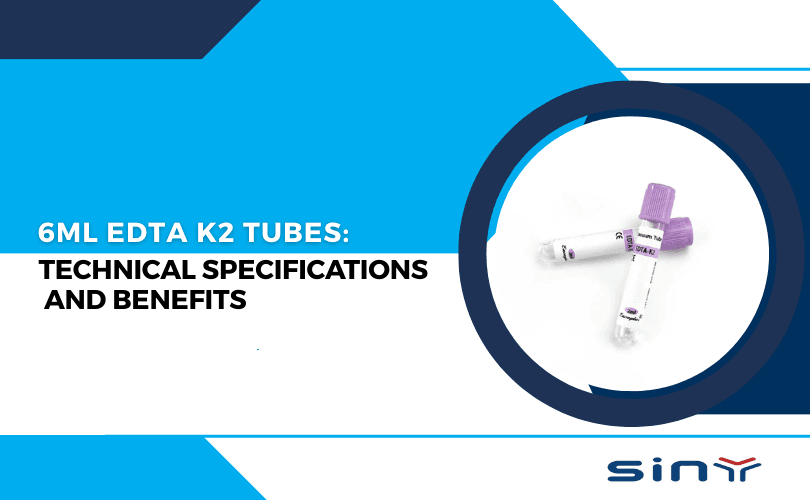
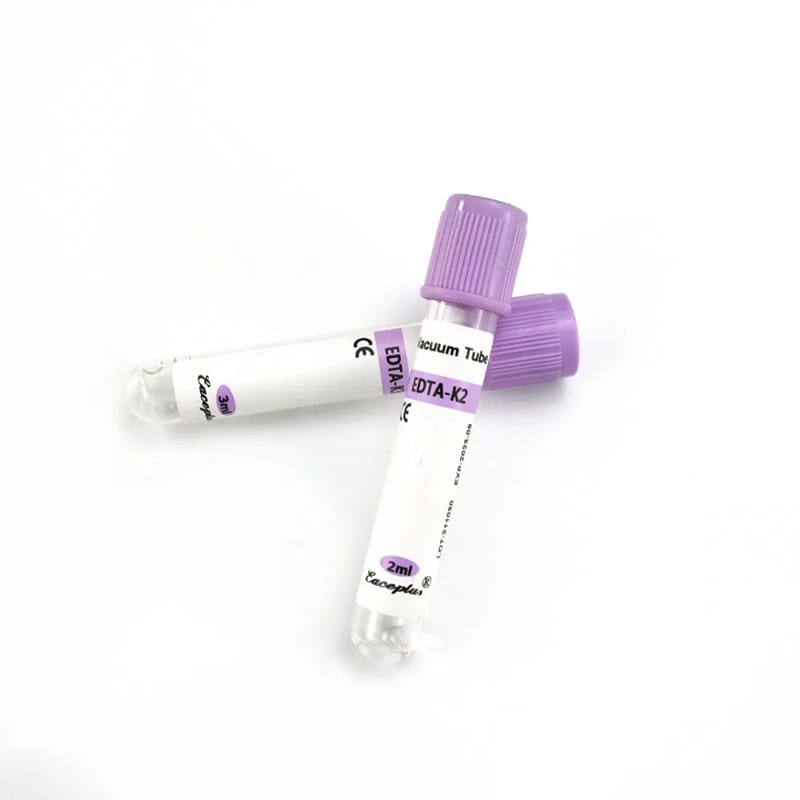
A 6ml EDTA K2 tube is a vacuum blood collection tube coated with dipotassium ethylenediaminetetraacetic acid. EDTA K2 works by binding calcium ions, preventing blood clotting while preserving cellular morphology.
Compared to smaller EDTA tubes, the 6ml capacity allows laboratories to process multiple hematology tests from a single venipuncture. This not only reduces patient discomfort but also ensures consistency across test results.
On platforms like edtatube 6ml EDTA K2 tubes are widely recognized as a balanced option between sample volume and anticoagulant stability.
Why EDTA K2 Is Preferred Over Other Anticoagulants
EDTA K2 remains the anticoagulant of choice for hematology because it preserves blood cell structure better than alternatives like sodium citrate or heparin.
Studies published in hematology journals show that EDTA K2 minimizes platelet aggregation and maintains stable red blood cell indices for up to 24 hours under controlled conditions. According to data referenced in the complete guide to EDTA tubes, EDTA K2 demonstrates lower dilution effects compared to EDTA K3, making it more reliable for automated analyzers.
Additionally, EDTA K2 coatings are spray-dried, ensuring uniform anticoagulant distribution inside the tube.
Technical Specifications of 6ml EDTA K2 Tubes
The performance of 6ml EDTA K2 tubes depends heavily on precise manufacturing standards. High-quality tubes typically meet international requirements such as ISO 6710 and CLSI guidelines.
Most standard 6ml EDTA K2 tubes feature medical-grade PET or glass construction, a lavender or purple cap for easy identification, and a precisely calibrated vacuum draw. The EDTA concentration is carefully measured to maintain the ideal blood-to-anticoagulant ratio, usually around 1.5–2.2 mg per ml of blood.
Manufacturers listed under the EDTA tube product category ensure consistency across batches, which is critical for laboratories running high-throughput analyzers.
How 6ml EDTA K2 Tubes Improve CBC Accuracy
Complete Blood Count testing remains one of the most commonly performed laboratory investigations worldwide. The choice of tube directly affects CBC parameters such as hemoglobin concentration, hematocrit, platelet count, and white cell differentials.
A 6ml EDTA K2 tube provides sufficient sample volume for repeat testing, peripheral smears, and confirmatory analysis without compromising anticoagulant effectiveness. This is why many labs prefer this size over smaller alternatives, as discussed in the 6ml EDTA tubes CBC testing guide.
By maintaining consistent anticoagulation across the entire sample, 6ml tubes reduce clot formation and analyzer flags.
Comparison: 6ml EDTA K2 Tubes vs Other EDTA Sizes
While EDTA tubes are available in multiple sizes, each serves a specific purpose. Smaller tubes like 2ml or 3ml are useful in pediatric settings, while larger tubes cater to specialized testing.
Compared with 5ml and 10ml options, 6ml EDTA K2 tubes strike a balance between volume efficiency and patient comfort. According to comparisons outlined in the EDTA tube size guide, 6ml tubes are particularly suitable for routine adult hematology panels.
Further size comparisons are explained in resources such as 10ml vs 5ml EDTA tubes and what size EDTA tube should you use, helping labs standardize collection protocols.
Clinical Applications of 6ml EDTA K2 Tubes
The versatility of 6ml EDTA K2 tubes makes them suitable for a wide range of diagnostic tests. They are commonly used for CBC, HbA1c testing, blood film preparation, ESR modification protocols, and molecular diagnostics requiring preserved nucleated cells.
In oncology and immunology laboratories, 6ml EDTA K2 tubes provide adequate volume for flow cytometry and cell marker analysis. Their compatibility with automated analyzers further enhances workflow efficiency.
Many diagnostic professionals also prefer 6ml tubes for research sampling, where multiple downstream analyses are required from a single draw.
Material Quality and Safety Standards
Tube material quality directly impacts sample stability. PET-based 6ml EDTA K2 tubes are shatter-resistant, lightweight, and chemically inert, making them ideal for transport and storage.
Reputable manufacturers ensure that EDTA coatings are non-toxic and free from contaminants. Suppliers featured on Siny Medical’s EDTA tube overview highlight strict quality control processes and compliance with global regulatory standards.
For labs sourcing in bulk, platforms like Made-in-China medical suppliers offer insight into manufacturing capabilities and certifications.
EDTA K2 Tubes vs Other Blood Collection Tubes
When compared with serum separator tubes or sodium citrate tubes, 6ml EDTA K2 tubes offer unmatched stability for cellular analysis. Serum tubes require clotting time, while citrate tubes dilute samples, affecting certain test results.
A detailed comparison is available in the EDTA tubes vs other blood collection tubes article, which outlines why EDTA remains the gold standard for hematology.
Choosing the Right 6ml EDTA K2 Tube for Your Laboratory
Not all EDTA tubes are created equal. Factors such as cap seal integrity, vacuum accuracy, and anticoagulant coating consistency matter.
Laboratories can follow the practical guidance outlined in how to choose the right EDTA tube for your lab to avoid pre-analytical errors. Additionally, understanding EDTA tube sizes explained helps procurement teams standardize inventory efficiently.
Best Practices for Handling and Storage
Proper handling ensures the full benefit of 6ml EDTA K2 tubes. After collection, tubes should be gently inverted 8–10 times to mix blood with the anticoagulant. Vigorous shaking can cause hemolysis and compromise results.
Storage conditions also matter. EDTA samples should be kept at controlled temperatures and analyzed within recommended timeframes to prevent cellular degradation.
Educational content on proper handling is also shared via Siny Medical’s YouTube channel, which many labs use for staff training.-
Summary
Choosing the right blood collection tube is not a minor decision. 6ml EDTA K2 tubes offer an optimal balance of volume, anticoagulant efficiency, and analytical reliability. Their widespread use in hematology and diagnostic laboratories reflects their proven performance and adaptability.
For laboratories aiming to reduce errors, improve workflow efficiency, and ensure accurate results, 6ml EDTA K2 tubes remain a dependable and future-ready solution. For sourcing, technical guidance, or expert support, laboratories can always reach out via the contact us.
FAQs
What tests are best suited for 6ml EDTA K2 tubes?
A 6ml EDTA K2 tube is ideal for CBC, HbA1c, blood film analysis, and molecular hematology tests because it preserves cell integrity.
How does EDTA K2 differ from EDTA K3 in 6ml tubes?
In a 6ml EDTA K2 tube, the spray-dried anticoagulant causes less dilution than EDTA K3, improving analytical accuracy.
Are 6ml EDTA K2 tubes suitable for automated analyzers?
Yes, most modern analyzers are calibrated for samples collected in 6ml EDTA K2 tubes.
Can 6ml EDTA K2 tubes be used for repeat testing?
The larger volume of a 6ml EDTA K2 tube allows repeat or confirmatory testing without recollection.
What happens if a 6ml EDTA K2 tube is underfilled?
Underfilling a 6ml EDTA K2 tube can alter the blood-to-anticoagulant ratio, affecting results.