Blood banking is one of the most critical pillars of modern healthcare. Every day, hospitals and diagnostic laboratories rely on accurate blood collection and processing to save lives. Even a small pre-analytical error can compromise test results, delay transfusions, or create serious safety risks. At the heart of this process lies Blood Banking with EDTA Tubes, a practice that has become the global standard for hematology, blood grouping, and compatibility testing.
EDTA tubes are not just another blood collection option. They are specifically designed to preserve cellular integrity, prevent clotting, and ensure reliable laboratory outcomes. As diagnostic technologies advance and regulatory expectations grow stricter, understanding the complete protocol for Blood Banking with EDTA Tubes is no longer optional. It is essential.
This in-depth guide explains how EDTA tubes function, why they are preferred in blood banks, and how laboratories can implement best practices to achieve accuracy, safety, and compliance. Whether you manage a transfusion service, operate a diagnostic lab, or source consumables for healthcare facilities, this guide will give you practical, real-world insight.
What Are EDTA Tubes and How Do They Work?
EDTA stands for Ethylenediaminetetraacetic Acid, a chelating agent that binds calcium ions in blood. Since calcium is required for the clotting cascade, removing it effectively prevents coagulation. This makes EDTA tubes ideal for tests where whole blood and intact blood cells are required.
In Blood Banking with EDTA Tubes, the anticoagulant plays a crucial role in maintaining red blood cell morphology and preventing platelet aggregation. Unlike other anticoagulants, EDTA preserves cellular details with minimal interference, even several hours after collection.
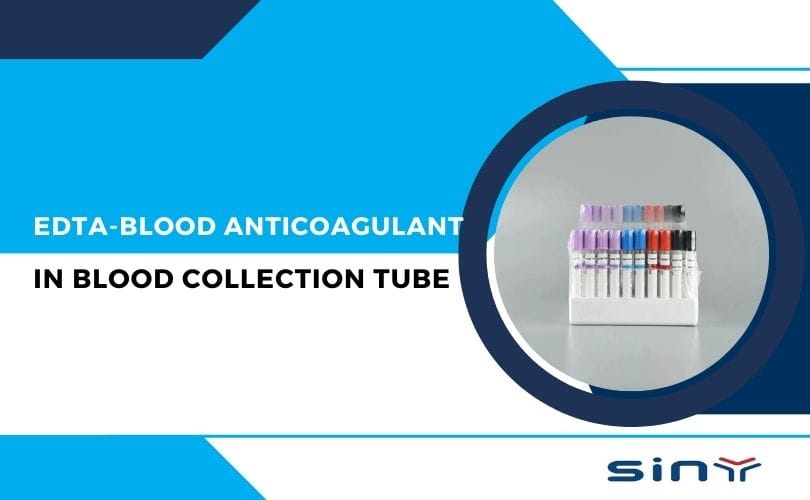
Most EDTA tubes come with purple or lavender caps and are available in different volumes, ranging from 2ml to 10ml. Manufacturers typically use K2 EDTA or K3 EDTA, with K2 EDTA being more widely recommended due to its lower dilution effect.
You can explore a wide range of certified EDTA tubes directly from the official product catalog at products.

Why Blood Banking with EDTA Tubes Is the Industry Standard
Blood banks prioritize consistency, safety, and accuracy. EDTA tubes meet all three criteria.
First, EDTA ensures excellent preservation of blood cells, which is essential for ABO grouping, Rh typing, antibody screening, and crossmatching. Second, EDTA samples remain stable longer than many alternatives, giving laboratories more flexibility in testing timelines. Third, EDTA tubes are compatible with automated hematology analyzers used worldwide.
Clinical studies consistently show lower rates of hemolysis and clot formation when EDTA tubes are used correctly. According to international laboratory guidelines, EDTA remains the preferred anticoagulant for complete blood count and most immunohematology procedures.
A deeper explanation of this preference is available in the detailed article on why edta tubes are preferred in blood banking.
Types of EDTA Tubes Used in Blood Banking
Not all EDTA tubes are identical. Understanding the differences helps laboratories select the right product for specific blood banking tasks.
K2 EDTA tubes contain spray-dried anticoagulant on the tube wall. They are widely used because they maintain sample concentration and reduce dilution errors. K3 EDTA tubes contain liquid anticoagulant and are still used in some regions, though they may slightly affect hematocrit values.
Tube size is another critical factor. Smaller volumes, such as 2ml or 3ml tubes, are often sufficient for routine testing. Larger volumes, including 5ml or 10ml, are preferred when multiple tests or repeat analyses are required.
For an in-depth breakdown, the size guide at edta tube size guide 2ml to 10ml provides practical recommendations for different laboratory needs.
Complete Blood Collection Protocol Using EDTA Tubes
A standardized collection protocol is the foundation of reliable Blood Banking with EDTA Tubes.
The process begins with patient identification. Verifying name, date of birth, and unique ID reduces the risk of transfusion errors. Once verified, the correct EDTA tube size and type must be selected based on the required tests.
Venipuncture should be performed using sterile equipment and accepted phlebotomy techniques. Once blood enters the tube, it is essential to allow the vacuum to fill the tube to its intended volume. Underfilling can alter the blood-to-anticoagulant ratio and compromise results.
Immediately after collection, the tube must be gently inverted 8 to 10 times. This ensures thorough mixing of blood with EDTA without damaging blood cells. Shaking should be avoided, as it increases the risk of hemolysis.
A step-by-step visual and procedural explanation is available in the updated guide at how to use edta blood collection tubes properly in 2025.
Labeling and Documentation: A Critical Safety Step
In blood banking, labeling errors can have life-threatening consequences. Each EDTA tube must be labeled immediately after collection, in the presence of the patient.
Labels should include the patient’s full name, identification number, date and time of collection, and the collector’s initials. Many laboratories now use barcode systems to improve traceability and reduce manual errors.
Strict adherence to labeling protocols ensures that Blood Banking with EDTA Tubes supports accurate crossmatching and safe transfusion practices.
Storage and Transportation Guidelines
Proper storage is essential to maintain sample integrity. EDTA blood samples for blood banking are typically stored at 2–8°C if testing is delayed. Excessive heat or freezing must be avoided, as both can damage cells and alter antigen expression.
Transportation should minimize vibration and temperature fluctuations. Insulated containers with temperature monitoring are recommended for inter-facility transfers.
Following these guidelines ensures that Blood Banking with EDTA Tubes delivers reliable results, even in centralized testing models.
EDTA Tubes vs Other Blood Collection Tubes
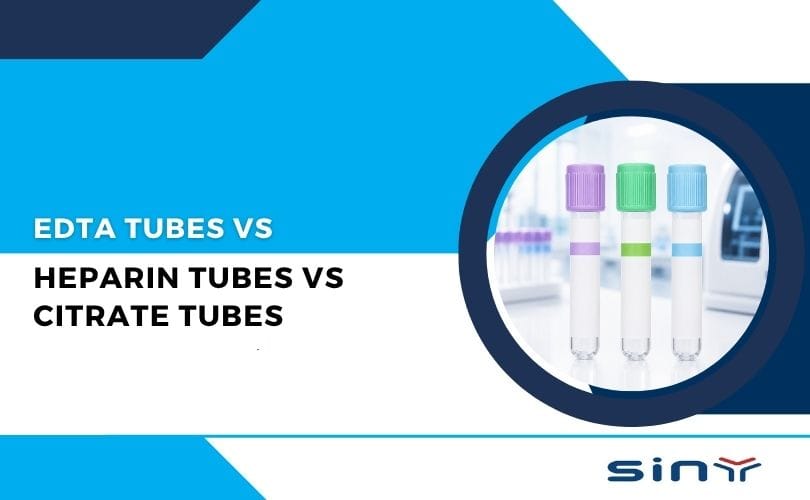
While EDTA tubes dominate blood banking, other tube types serve different purposes. Sodium citrate tubes are used for coagulation studies, while heparin tubes are common in biochemistry testing.
However, for blood grouping and hematology, EDTA outperforms alternatives due to its superior cellular preservation. Comparative insights can be found at edta tubes vs other blood collection tubes a comparison.
This clear differentiation helps laboratories optimize workflows and reduce pre-analytical variability.
Quality Standards and Regulatory Compliance
Blood banking materials must meet strict quality standards. EDTA tubes should comply with ISO and CE certifications and follow Good Manufacturing Practices.
Sourcing from reputable manufacturers reduces the risk of additive inconsistency, tube leakage, or vacuum failure. Many laboratories also audit suppliers to ensure ongoing compliance.
Insights into manufacturing quality can be reviewed at manufacturers in china quality
The Role of EDTA Tubes in Modern Hematology Testing
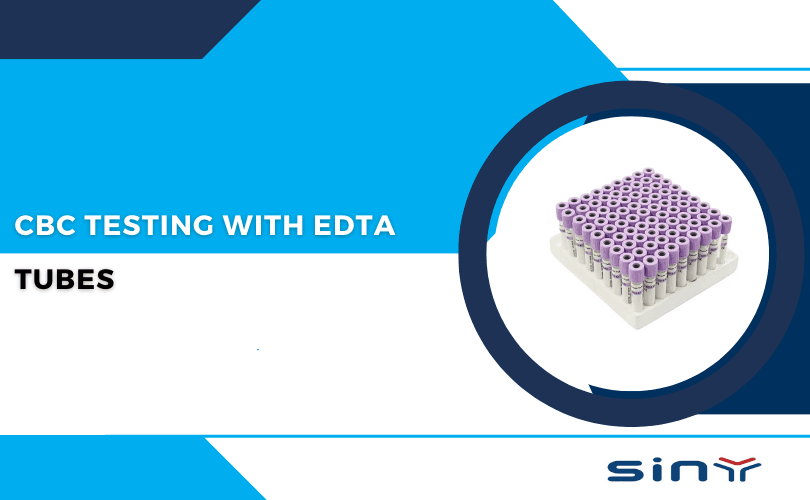
Beyond transfusion services, Blood Banking with EDTA Tubes supports a wide range of hematology applications. Complete blood counts, differential analysis, and morphology assessments all depend on EDTA-preserved samples.
The integration of EDTA tubes with automated analyzers improves efficiency and result consistency. More details are available at edta tubes for hematology testing.
Summary
Blood banking depends on precision, consistency, and trust. Blood Banking with EDTA Tubes remains the gold standard because it supports accurate diagnostics, preserves sample quality, and aligns with global laboratory guidelines.
By selecting the right EDTA tubes, following standardized collection protocols, and sourcing from reliable suppliers, laboratories can improve patient safety and operational efficiency. As transfusion medicine continues to evolve, mastering Blood Banking with EDTA Tubes is an investment in quality care.
For product selection, technical support, or expert guidance, visit contact us.
FAQs
Why is Blood Banking with EDTA Tubes considered safer than other methods?
Blood Banking with EDTA Tubes is safer because EDTA prevents clotting while preserving red and white blood cell structure, which is essential for accurate blood grouping and compatibility testing.
Can EDTA samples be reused for multiple blood bank tests?
Yes, Blood Banking with EDTA Tubes allows multiple analyses from a single sample, provided proper storage and handling protocols are followed.
What happens if an EDTA tube is underfilled?
Underfilling disrupts the anticoagulant ratio, which can affect Blood Banking with EDTA Tubes by altering cell morphology and test accuracy.
Are EDTA tubes suitable for long-distance sample transport?
When stored correctly, Blood Banking with EDTA Tubes supports stable transport, especially under controlled temperature conditions.
Which EDTA tube size is best for blood banking?
The ideal size depends on testing volume, but Blood Banking with EDTA Tubes commonly uses 3ml to 5ml tubes for routine procedures.