6ml EDTA tubes:Medical laboratories depend on precise blood collection methods to deliver accurate diagnostic results. Among various collection tube sizes available, 6ml EDTA tubes have emerged as a preferred standard for Complete Blood Count (CBC) testing worldwide. These specialized vacuum tubes contain ethylenediaminetetraacetic acid (EDTA), an anticoagulant that preserves blood samples while maintaining cellular integrity for hematological analysis.
Healthcare facilities ranging from small clinics to large hospital networks consistently choose this specific volume for routine blood work. The selection isn’t arbitrary—it reflects decades of laboratory experience, research validation, and practical considerations in phlebotomy and specimen processing. Understanding why this particular size stands out among EDTA tube size options helps medical professionals optimize their blood collection protocols.
What is 6ml EDTA Tubes?
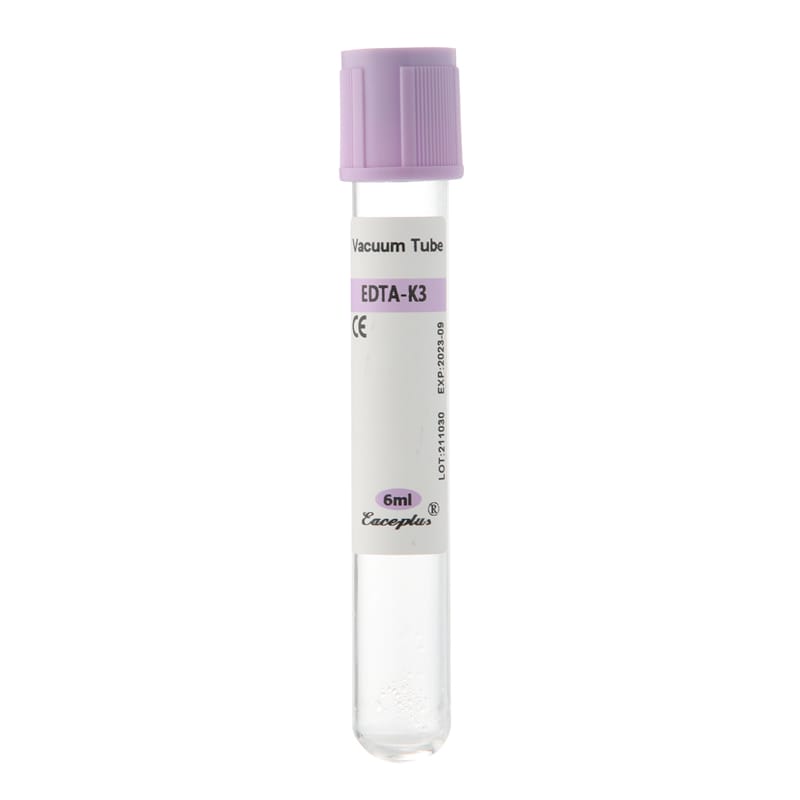
6ml EDTA tubes represent precision-engineered blood collection vessels designed to hold approximately six milliliters of venous blood. These purple-capped tubes contain a predetermined amount of EDTA salt—either dipotassium (K2EDTA) or tripotassium (K3EDTA)—calibrated specifically for the tube’s volume. The anticoagulant prevents blood from clotting by chelating calcium ions, which are essential for the coagulation cascade.
The manufacturing process ensures each tube maintains a specific vacuum pressure that draws exactly the intended blood volume during collection. This standardization eliminates guesswork during phlebotomy procedures and maintains consistency across thousands of daily tests. The EDTA tube collection system follows international standards established by organizations like the Clinical and Laboratory Standards Institute (CLSI).
Physical Characteristics and Design
Each tube measures approximately 75mm in length with a 13mm diameter, though dimensions may vary slightly between manufacturers. The borosilicate glass or plastic construction provides clarity for visual inspection of samples. A distinctive purple or lavender cap immediately identifies these tubes in clinical settings, reducing mix-ups during busy collection periods.
The interior coating distributes EDTA evenly throughout the tube surface. When blood enters the evacuated tube, gentle inversion—typically eight to ten times—ensures thorough mixing without causing hemolysis. The complete guide to EDTA tubes explains how proper mixing techniques preserve specimen quality.
EDTA Concentration and Blood-to-Anticoagulant Ratio
Manufacturers calculate precise EDTA concentrations to achieve optimal anticoagulation without diluting the blood sample excessively. For a 6ml tube, the standard concentration ranges from 1.5 to 2.2 mg of EDTA per milliliter of blood. This ratio maintains the osmotic balance of blood cells, preventing shrinkage or swelling that would distort cell counts.
When laboratories receive tubes filled beyond or below the intended volume, the blood-to-anticoagulant ratio becomes imbalanced. Underfilled tubes contain excess EDTA relative to blood volume, potentially causing cell shrinkage and falsely elevated red blood cell counts. Overfilled tubes may not prevent clotting adequately. The 6ml volume provides sufficient margin for accurate filling during routine phlebotomy while maintaining proper ratios.
What is CBC Testing?
Complete Blood Count (CBC) represents one of the most frequently ordered laboratory tests in modern medicine. This comprehensive panel evaluates multiple components of blood, providing physicians with essential information about a patient’s overall health status, immune function, and potential disease processes. Medical professionals order CBC tests for routine health screenings, pre-operative evaluations, monitoring chronic conditions, and investigating symptoms like fatigue, weakness, or unexplained bruising.
The test analyzes three primary blood cell types: red blood cells (erythrocytes), white blood cells (leukocytes), and platelets (thrombocytes). Each component reveals distinct information about bodily functions and potential abnormalities. Automated hematology analyzers process CBC testing with EDTA tubes within minutes, generating comprehensive reports that guide clinical decisions.
Components Measured in CBC Testing
Red Blood Cell Parameters: The test quantifies red blood cell count, hemoglobin concentration, hematocrit percentage, mean corpuscular volume (MCV), mean corpuscular hemoglobin (MCH), and mean corpuscular hemoglobin concentration (MCHC). These measurements detect anemia, polycythemia, and various blood disorders affecting oxygen transport throughout the body.
White Blood Cell Analysis: Total white blood cell count combined with differential counts for neutrophils, lymphocytes, monocytes, eosinophils, and basophils reveal immune system function. Elevated or decreased counts indicate infections, inflammatory conditions, immune disorders, or bone marrow problems.
Platelet Evaluation: Platelet count and mean platelet volume (MPV) assess clotting function. Abnormal values suggest bleeding disorders, bone marrow dysfunction, or medication effects that impact blood coagulation.
Clinical Applications and Diagnostic Value
Physicians interpret CBC results alongside patient symptoms, medical history, and other diagnostic tests. A single CBC provides screening insights during annual physical examinations, helping detect conditions before symptoms emerge. Serial CBC testing monitors disease progression in patients with leukemia, lymphoma, or other hematological malignancies.
The test’s versatility extends across medical specialties. Oncologists use CBC results to evaluate chemotherapy effects on bone marrow. Infectious disease specialists track white blood cell responses to antimicrobial therapy. Hematologists investigate unexplained bleeding or clotting tendencies through detailed platelet analysis.
Why Choose 6ml EDTA Tubes for CBC Testing?
The selection of 6ml EDTA tubes for CBC testing stems from multiple practical, technical, and clinical considerations that laboratories have validated through extensive use. This volume represents an optimal balance between collecting sufficient blood for comprehensive analysis while minimizing patient discomfort and specimen waste.
Optimal Sample Volume for Multiple Tests
Six milliliters provides adequate blood for primary CBC analysis plus additional tests that physicians commonly order simultaneously. When doctors request a metabolic panel, blood glucose, or other chemistry tests alongside CBC, phlebotomists can collect multiple tubes during a single venipuncture. The EDTA tube used for CBC specifically addresses this testing efficiency.
Automated hematology analyzers require minimum sample volumes—typically 100-200 microliters—for accurate cell counting. A 6ml tube allows for initial analysis, repeat testing if needed, and sample retention for quality control purposes. Laboratories often need to rerun samples due to instrument flags, unexpected results, or physician requests for additional parameters.
Patient Comfort and Pediatric Considerations
While 6ml represents the standard adult volume, phlebotomists adjust collection amounts based on patient age, size, and clinical condition. Collecting six milliliters from average adult patients causes minimal discomfort and poses no significant blood volume depletion. However, healthcare providers recognize when smaller volumes serve pediatric or geriatric patients better.
The flexibility of choosing appropriate EDTA tube sizes ensures patient-centered care. Infants and small children benefit from 2ml or 3ml tubes, while robust adults tolerate larger volumes without issue. The 6ml size accommodates most adolescent and adult patients comfortably.
Laboratory Processing Efficiency
Laboratory workflow optimization depends on standardized tube sizes that automated equipment handles consistently. Most hematology analyzers feature tube racks and sampling probes designed for standard 13mm diameter tubes. The 6ml volume fits these specifications perfectly, allowing smooth integration into high-throughput laboratory environments.
Specimen stability represents another advantage. EDTA-anticoagulated blood remains suitable for CBC testing for 24-48 hours when refrigerated properly. The 6ml volume ensures sufficient sample remains available if initial results require verification or if transportation delays occur between collection sites and central laboratories.
Cost-Effectiveness and Resource Management
Healthcare economics influence every supply decision. The comparison between EDTA tubes and other collection tubes reveals cost considerations beyond initial tube pricing. Standardizing on 6ml tubes reduces inventory complexity, minimizes ordering errors, and simplifies staff training.
Bulk purchasing of a single tube size often yields better pricing than stocking multiple volumes. When laboratories can predict their monthly 6ml tube consumption accurately, they negotiate favorable contracts with suppliers. The economic efficiency extends to reduced waste from expired inventory sitting on shelves.
Anticoagulant-to-Blood Ratio Precision
The relationship between EDTA concentration and blood volume directly affects test accuracy. Tube manufacturers calculate precise anticoagulant amounts for each volume specification. A 6ml tube contains exactly enough EDTA to anticoagulate six milliliters of blood without causing cellular artifacts.
Laboratory professionals understand how improper fill levels compromise results. When phlebotomists fill a 6ml tube with only 3ml of blood, the effective EDTA concentration doubles. This excess anticoagulant causes red blood cells to shrink, artificially elevating cell counts and potentially leading to misdiagnosis. The moderate 6ml volume provides practical filling targets that phlebotomists achieve consistently.
Benefits of CBC Testing with 6ml EDTA Tubes
The combination of CBC testing and 6ml EDTA tubes delivers measurable advantages throughout the testing process, from initial blood collection through final result reporting. These benefits impact clinical outcomes, laboratory operations, and patient experiences in healthcare settings.
Enhanced Diagnostic Accuracy
Proper anticoagulation preserves blood cell morphology during the interval between collection and analysis. EDTA prevents platelet clumping, maintaining accurate platelet counts that might otherwise read falsely low. The anticoagulant stabilizes white blood cell populations, preventing in vitro activation or degradation that distorts differential counts.
Red blood cells retain their normal size and shape in EDTA-treated blood for extended periods. This preservation allows laboratories to produce reliable results even when samples arrive several hours after collection. The benefits of hematology testing with K3 EDTA tubes demonstrate how proper anticoagulation supports diagnostic precision.
Reduced Pre-Analytical Errors
Pre-analytical variables account for the majority of laboratory errors—estimated at 60-70% according to quality studies. Using standardized 6ml tubes minimizes several common pre-analytical problems. The clear fill indicator on tube exteriors helps phlebotomists recognize when tubes receive adequate blood volumes.
Consistent tube selection reduces “wrong tube” errors where staff accidentally use tubes intended for different tests. The distinctive purple cap creates visual confirmation during collection, processing, and analysis stages. Training programs emphasize recognizing EDTA tube applications throughout clinical workflows.
Sample Stability and Retest Capability
Medical laboratories balance rapid result turnaround with the practical reality that unexpected situations arise. Physician offices may call requesting additional parameters after initial results release. Quality control procedures occasionally identify analytical issues requiring sample reanalysis.
The 6ml volume provides buffer capacity for these contingencies. After automated analyzers consume 200-300 microliters for initial CBC testing, approximately 5.7ml remains available. This residual volume supports multiple retests, manual microscopic examination, or additional specialized studies like reticulocyte counts or blood smears.
Improved Workflow in Busy Clinical Settings
High-volume phlebotomy centers and emergency departments operate under time pressure. Staff efficiency depends on straightforward, reliable collection protocols. When 6ml tubes serve as the default CBC collection vessel, phlebotomists develop muscle memory for proper handling, mixing, and labeling procedures.
The 6ml EDTA tube size explained helps standardize training across healthcare systems. New employees learn a single protocol applicable to the majority of hematology testing scenarios. This consistency reduces cognitive load during busy shifts and decreases the likelihood of collection errors.
Patient Safety and Phlebotomy Success Rates
Venipuncture procedures carry inherent risks including hematoma formation, nerve injury, and infection. Minimizing needle insertion attempts improves patient safety and comfort. The 6ml volume typically requires a single venipuncture using standard 21-gauge needles commonly employed in adult phlebotomy.
Smaller tube volumes might seem advantageous for reducing blood loss, but they offer limited benefit in average adults while potentially necessitating recollection if initial samples prove insufficient. Conversely, larger volumes (like 10ml tubes) collect blood that may go unused, representing unnecessary patient burden without corresponding clinical benefit.
Summary
6ml EDTA Tubes provide the optimal solution for CBC testing by ensuring precise anticoagulant ratios, sufficient blood volume, and compatibility with laboratory instruments. They maintain sample integrity, reduce errors, and allow multiple tests from a single draw. This makes them the preferred choice for laboratories and clinicians seeking consistent, reliable hematology results. Explore more about EDTA tubes and products on the official website.
FAQs
Why are 6ml EDTA tubes preferred for CBC testing?
6ml EDTA tubes provide the ideal sample volume and prevent clotting, ensuring accurate CBC results.
Can other sizes of EDTA tubes be used for CBC testing?
While other sizes like 3ml or 5ml can be used, 6ml tubes are preferred for their balance of volume and practicality.
How does EDTA prevent blood clotting?
EDTA binds calcium ions, which are essential for the clotting process, thereby preventing coagulation.
Are 6ml EDTA tubes suitable for other tests?
Yes, these tubes can be used for various hematology tests, including platelet counts and hemoglobin analysis.
Where can I purchase 6ml EDTA tubes?
You can find high-quality 6ml EDTA tubes on our products page.
By incorporating 6ml EDTA tubes into your CBC testing process, you can ensure accurate and reliable results, enhancing patient care and diagnostic efficiency. For more information, explore our edta tube category or contact us for personalized assistance.