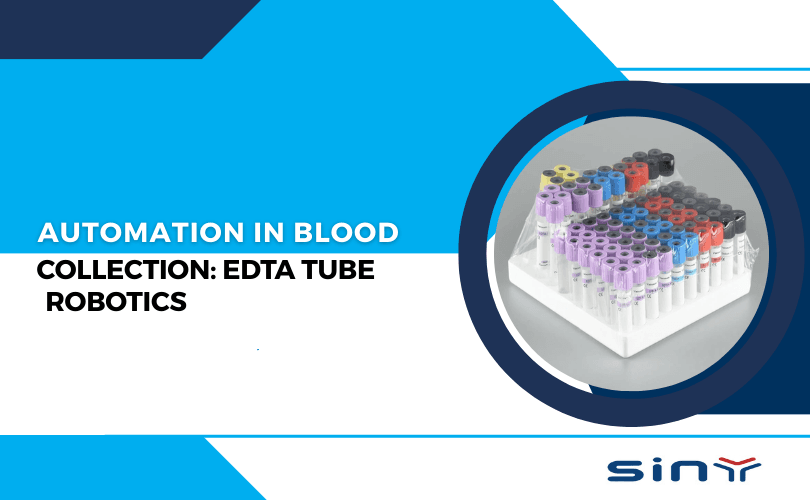
The modern medical laboratory is currently undergoing a massive technological shift. For decades, the process of drawing, labeling, and sorting blood samples was a manual, labor-intensive task prone to human error. However, the rise of automation in blood collection is rewriting the rules of clinical diagnostics. By integrating sophisticated robotics and smart EDTA tube handling systems, laboratories are achieving unprecedented levels of precision and speed.
In this deep dive, we will explore how robotics is specifically revolutionizing the way we handle blood samples, why the shift toward automated systems is inevitable, and how these advancements are shaping the future of patient care.
The Rising Need for Automation in Blood Collection
The global healthcare landscape is under immense pressure. With an aging population and an increase in chronic diseases, the volume of diagnostic tests required is skyrocketing. Manual processing of blood samples often leads to bottlenecks. When a technician has to manually sort hundreds of 10ml EDTA tubes versus 5ml tubes, the risk of fatigue-related errors increases.
Automation in blood collection addresses these challenges head-on. By utilizing robotic arms and conveyor systems, labs can process samples 24/7 without the risk of repetitive strain injuries or labeling mistakes. This transition is not just about speed; it is about the integrity of the specimen.
Enhancing Precision and Reducing Human Error
Human error is the leading cause of pre-analytical mistakes in phlebotomy. Whether it is an incorrect label or improper mixing of the anticoagulant, even a small mistake can lead to a misdiagnosis. Robotics ensures that every single EDTA tube for hematology testing is handled with the exact same level of care and protocol.
Robotic systems can verify the volume of blood in a tube, check for clots, and ensure the barcode is scanned correctly into the Laboratory Information System (LIS). This level of digital oversight is a cornerstone of automation in blood collection.
How Robotics Manages Different EDTA Tube Sizes
A major hurdle in lab automation was the variety of tube sizes used in different clinical settings. A pediatric ward might use a 2ml tube, while a comprehensive metabolic panel might require a larger volume. Modern robotic systems are now designed to be “tube agnostic.”
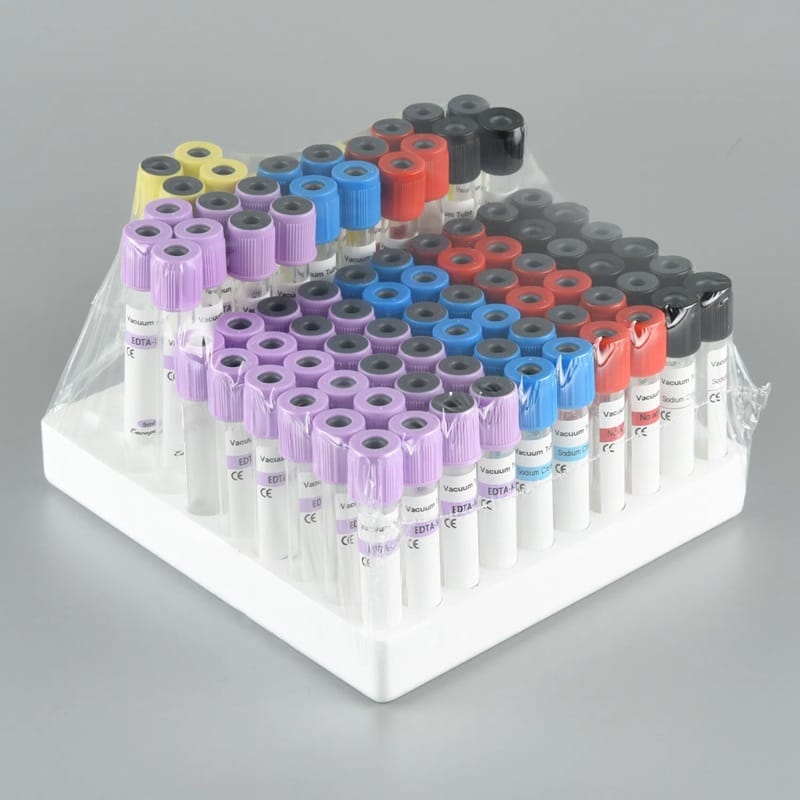
These machines can identify and sort various EDTA tube sizes ranging from 2ml to 10ml without needing manual reconfiguration. This flexibility allows for a seamless workflow where different departments can send their samples to a centralized automated hub.
| Feature | Manual Handling | Automated Robotic Handling |
| Throughput | Limited by staff hours | Continuous 24/7 operation |
| Error Rate | Higher (Human fatigue) | Near zero (Sensor-based) |
| Traceability | Manual logging | Real-time digital tracking |
| Safety | Risk of needle sticks/exposure | Closed-system processing |
Selecting the Right Hardware
When a laboratory decides to implement automation in blood collection, they must ensure their consumables are compatible with high-speed robotics. Using high-quality products is essential because robotic grippers require tubes with consistent dimensions and durable caps. If you are unsure about which specifications your lab needs, reading a guide on how to choose the right EDTA tube for your lab can prevent costly equipment jams.
The Role of Automated Analysers in Modern Medicine
The journey of a blood sample does not end at sorting. Once the robotic arm places the sample in the correct rack, it often moves directly into an automated analyser. These machines perform the actual chemical and hematological tests.
The synergy between robotic sorting and automated analysis is where the real magic happens. By reducing the “touch points” between the needle and the result, automation in blood collection protects the lab staff from biohazardous exposure while delivering results to doctors in record time.
Expert Insight: “The integration of robotics in the pre-analytical phase has reduced laboratory turnaround times by up to 40% in large-scale diagnostic centers.”
Benefits of Automation for Large Scale Laboratories
For high-volume facilities, the return on investment for automation in blood collection is clear. The primary benefits include:
Increased Throughput: Systems can process thousands of tubes per hour, far exceeding human capabilities.
Standardization: Every sample is mixed and centrifuged using the exact same parameters, ensuring consistent results.
Space Efficiency: Vertical robotic carousels can store and archive thousands of tubes in a compact footprint.
Staff Allocation: Instead of sorting tubes, highly trained lab scientists can focus on data interpretation and complex diagnostics.
For labs managing a diverse inventory, having a clear EDTA tube size guide is vital to ensure the robotics are calibrated for the specific EDTA tube types being used.
Overcoming the Challenges of Implementation
While the benefits are numerous, transitioning to automation in blood collection is not without its hurdles. The initial capital expenditure can be significant. Smaller clinics may find it difficult to justify the cost of a full robotic suite.
However, many manufacturers are now offering modular solutions. A lab can start with an automated labeler and gradually add robotic sorters and transport belts. It is also crucial to source supplies from reliable vendors like the Siny Medical Made-in-China store to ensure that the tubes used meet the mechanical tolerances of the robotic arms.
Ensuring Compatibility
A common mistake is using sub-par tubes that shatter under the pressure of robotic grippers. This is why understanding the complete guide to EDTA tubes is so important. High-quality materials ensure that the automation in blood collection system runs smoothly without downtime caused by debris or leaks.
Comparing EDTA Tubes to Other Collection Methods
In the realm of hematology, the EDTA tube is king because it preserves the morphology of blood cells. When discussing automation in blood collection, we must acknowledge how these tubes interact with machines differently than serum separator tubes (SST).
Robotic systems are often programmed to recognize the “purple top” of the EDTA tube. This visual recognition allows the software to prioritize hematology samples for the Full Blood Count (FBC) track. For a deeper look at the differences, you can read about EDTA tubes vs other blood collection tubes.
The Human Element: Training and Supervision
Even with advanced automation in blood collection, the human element remains irreplaceable. Lab technicians must become “robot supervisors.” They need to understand how to troubleshoot software glitches, perform routine maintenance on the mechanical joints, and calibrate the sensors.
Educational resources, such as the Siny Medical YouTube channel, provide valuable visual aids for staff to understand the mechanical flow of modern blood collection products. Training ensures that when the automation system flags a “difficult” sample, the human expert is ready to step in.
Safety and Biohazard Mitigation
Safety is perhaps the most underrated benefit of automation in blood collection. Manual handling of what size EDTA tube should you use involves constant contact with potentially infectious materials.
Robotics allow for a “closed-loop” system. From the moment the tube is placed in the intake tray, it is handled by machines until it is ready for disposal or archiving. This significantly reduces the risk of needle sticks and aerosol exposure for medical professionals.
Future Trends in Blood Collection Robotics
What does the future hold for automation in blood collection? We are already seeing the emergence of:
AI-Driven Sorting: Artificial intelligence that can predict which samples are most urgent based on patient data.
Mobile Phlebotomy Robots: Autonomous robots that can navigate hospital hallways to collect samples from bedside kiosks.
Drones for Sample Transport: Using unmanned aerial vehicles to transport tubes from remote clinics to automated central labs.
As these technologies mature, the EDTA tube category will continue to evolve, perhaps incorporating RFID chips directly into the glass or plastic for even faster tracking.
Choosing a Partner for Your Automation Journey
Building an automated lab requires more than just machines; it requires a steady supply of high-quality consumables. Whether you are looking for specific 3ml, 5ml, or 10ml options, your choice of manufacturer matters.
At EDTATube, we provide the essential components that keep these robotic systems running. By focusing on precision manufacturing, we ensure that every tube fits perfectly into the automated ecosystem of the modern laboratory.
Summary
The shift toward automation in blood collection represents a turning point in medical science. By embracing robotics, laboratories are not just saving time; they are increasing the accuracy of life-saving diagnoses. From the automated sorting of various EDTA tube sizes to the seamless integration with high-speed analysers, technology is making healthcare safer and more efficient for everyone.
If you are ready to upgrade your facility’s workflow or need high-quality supplies for your automated systems, do not hesitate to contact us today.
FAQs
How does automation in blood collection improve patient safety?
Automation in blood collection improves patient safety by drastically reducing the occurrence of pre-analytical errors. Since robots handle the labeling, sorting, and transport of tubes, the risk of misidentifying a patient’s sample is nearly eliminated. This ensures that the right patient gets the right treatment based on accurate data.
Can robotic systems handle different sizes like 2ml and 10ml EDTA tubes?
Yes, modern systems designed for automation in blood collection are equipped with advanced sensors and adjustable grippers. These machines can seamlessly switch between different volumes and diameters, allowing a lab to process a wide variety of samples without manual intervention.
Is automation in blood collection cost-effective for smaller labs?
While the initial investment is high, automation in blood collection often pays for itself through reduced labor costs and fewer expensive diagnostic errors. Many smaller labs start with modular automation components, focusing on the most time-consuming tasks first to see a faster return on investment.
Does automation in blood collection require special types of tubes?
While most standard tubes work, automation in blood collection performs best with high-quality, standardized consumables. Tubes must have consistent cap shapes and durable walls to withstand the mechanical pressure of robotic arms and high-speed centrifuges without breaking or leaking.
What role does software play in automation in blood collection?
Software is the “brain” behind automation in blood collection. It integrates the robotic hardware with the Laboratory Information System (LIS), allowing for real-time tracking of every sample. This software can prioritize urgent samples and provide an audit trail for every tube processed in the facility.