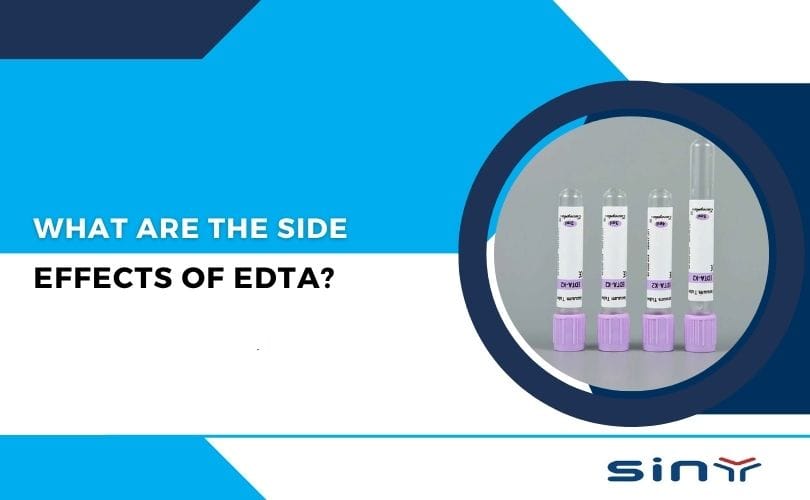
The effects of EDTA are widely discussed in laboratories, hospitals, and diagnostic facilities because EDTA plays a crucial role in modern blood testing. From complete blood counts to advanced molecular testing, EDTA is considered one of the most reliable anticoagulants available today. However, many healthcare professionals, laboratory managers, and procurement specialists often ask an important question: What are the possible side effects of EDTA, and how do they affect laboratory results or patient safety?
EDTA, short for ethylenediaminetetraacetic acid, is a chemical compound commonly used to prevent blood clotting during laboratory analysis. According to detailed information available through Ethylenediaminetetraacetic acid, EDTA works by binding calcium ions in the blood, effectively stopping the clotting process.
In clinical environments, EDTA is typically found inside specialized blood collection tubes such as those available through https://edtatube.com/ and related product systems. These tubes are designed to preserve blood cells and maintain accurate test results. Although EDTA is considered safe and reliable, understanding its possible analytical and biological effects is essential for maintaining laboratory accuracy and patient safety.
This comprehensive guide explains the effects of EDTA, potential side effects, safety considerations, and best practices for minimizing risks during laboratory testing.
What Is EDTA and Why Is It Used in Blood Collection?
To understand the effects of EDTA, it is first necessary to understand its role in blood testing. EDTA is widely used as an anticoagulant because it prevents clotting without damaging most blood components.
For a detailed scientific overview, you can review the chemistry and clinical uses of EDTA through this authoritative resource:
How EDTA Works as an Anticoagulant
EDTA works by binding calcium ions in blood. Calcium is essential for clot formation. When EDTA removes calcium, clotting cannot occur.
This mechanism allows blood to remain fluid long enough for laboratory testing. Many laboratory professionals rely on EDTA tubes available through EDTA Products and EDTA Tubes because they maintain sample stability.
Common Tests That Require EDTA Tubes
EDTA tubes are widely used in:
- Complete Blood Count (CBC)
- Hemoglobin testing
- Platelet counting
- DNA and molecular analysis
- Hematology studies
For example, specialized products like EDTA Tubes for blood collection are designed to support these applications by preserving cell morphology.
Types of Effects of EDTA: Biological vs. Analytical
When discussing the effects of EDTA, it is important to distinguish between two major categories:
- Biological effects — effects inside the body
- Analytical effects — effects on laboratory results
Most people confuse these two categories, but understanding their differences helps avoid unnecessary concern.
Biological Effects of EDTA
In clinical settings, EDTA is rarely introduced directly into the body except during specialized treatments such as chelation therapy. When administered intravenously, EDTA can produce systemic side effects if dosage levels are not properly controlled.
Possible biological side effects include:
- Low calcium levels (hypocalcemia)
- Kidney strain
- Electrolyte imbalance
- Muscle cramps
However, these effects are primarily associated with therapeutic doses—not the small quantities used in diagnostic blood collection tubes.
Analytical Effects of EDTA
Analytical effects are more relevant to laboratories.
These effects occur after blood collection, affecting test accuracy rather than patient health.
Common analytical effects include:
- Platelet clumping
- Red blood cell swelling
- Changes in hematology parameters
- False laboratory readings
These analytical variations highlight the importance of choosing high-quality EDTA tubes such as those described in https://www.edtatube.com/how-edta-anticoagulant-works-in-blood-collection-tubes/.
ide Effects of EDTA in Laboratory Testing
Although EDTA is highly reliable, certain measurable effects of EDTA may appear during laboratory analysis.
Understanding these effects helps prevent inaccurate diagnoses.
Platelet Clumping
One of the most recognized analytical effects is platelet clumping.
This occurs when EDTA interacts with platelet proteins, causing them to stick together.
As a result:
- Platelet counts may appear falsely low
- Laboratories may suspect thrombocytopenia
- Additional testing may be required
This phenomenon is known as EDTA-dependent pseudothrombocytopenia.
Red Blood Cell Changes
EDTA preserves red blood cells effectively, but prolonged exposure may cause:
- Cell swelling
- Shape distortion
- Changes in mean corpuscular volume (MCV)
These variations can affect diagnostic interpretations if samples are not analyzed promptly.
White Blood Cell Morphology Changes
White blood cells may also undergo structural changes if samples remain stored too long in EDTA tubes.
This effect is particularly important in:
- Hematology testing
- Cancer screening
- Infection monitoring
Laboratories can reduce these issues by using reliable EDTA tubes such as those explained in https://www.edtatube.com/edta-anticoagulant-tube-purple-cap-function/.
EDTA Side Effects in Chelation Therapy
While most laboratory discussions focus on analytical effects, EDTA can also produce systemic side effects when used medically.
Chelation therapy uses EDTA to remove heavy metals from the body.
For more information about EDTA-based treatment technologies, many healthcare professionals review medical manufacturing data available at:
https://www.sinymedical.com/edta-tube/
Possible Side Effects in Medical Use
When used therapeutically, EDTA may cause:
- Headaches
- Low blood pressure
- Fatigue
- Kidney stress
- Mineral depletion
These risks are usually associated with incorrect dosing or improper monitoring.
In contrast, EDTA used inside blood collection tubes is not absorbed into the patient’s bloodstream, making these systemic effects extremely rare in routine laboratory procedures.
That Influence the Effects of EDTA in Blood Samples
Not all EDTA tubes produce identical results. Several factors influence how EDTA behaves in laboratory conditions.
Anticoagulant Concentration
Proper concentration is critical.
Too much EDTA can:
- Shrink cells
- Distort morphology
- Alter measurement accuracy
Too little EDTA can:
- Allow clot formation
- Create unusable samples
Manufacturers use standardized dosing methods to prevent these issues.
Tube Quality and Manufacturing Standards
High-quality EDTA tubes use precision spray-drying technology to ensure even distribution of anticoagulant.
Reliable production methods help minimize the effects of EDTA on test accuracy.
For example, advanced tube systems described in
demonstrate how manufacturing quality influences performance.
Storage Time
Time plays a major role.
Most hematology samples should be tested within:
- 6 hours for optimal results
- 24 hours maximum under proper storage
Delayed testing increases the likelihood of cell distortion.
When Should Laboratories Be Concerned About the Effects of EDTA?
Although EDTA is safe, laboratories should monitor specific situations carefully.
Signs of Potential Issues
Laboratories should investigate when:
- Platelet counts appear unexpectedly low
- Blood samples show microclots
- Red blood cell indices fluctuate abnormally
- Repeated test discrepancies occur
Identifying these signs early helps maintain accurate diagnostic outcomes.
Summary
The effects of EDTA play a significant role in laboratory medicine and diagnostic accuracy. While EDTA is widely recognized as a safe and reliable anticoagulant, certain analytical effects—such as platelet clumping or cell morphology changes—may occur under specific conditions.
Fortunately, most of these effects are preventable through proper sample handling, accurate tube filling, and the use of high-quality EDTA blood collection systems. Laboratories that follow standardized protocols and select trusted suppliers can maintain reliable results while minimizing risk.
Understanding the effects of EDTA allows healthcare professionals, procurement teams, and laboratory technicians to make informed decisions that support both patient safety and diagnostic accuracy.
FAQs
Q. What are the most common effects of EDTA in blood samples?
A. The most common effects of EDTA include platelet clumping and minor changes in cell size if samples are stored too long. These effects usually impact laboratory results rather than patient safety.
Q. Are the effects of EDTA dangerous for patients?
A. In routine diagnostic testing, the effects of EDTA are not dangerous because the anticoagulant remains inside the collection tube and does not enter the patient’s bloodstream.
Q How can laboratories reduce unwanted effects of EDTA?
A. Laboratories can minimize effects of EDTA by using high-quality tubes, filling them correctly, mixing samples immediately, and analyzing blood within recommended time limits.
Q. Do all EDTA tubes produce the same effects?
A. No. The effects of EDTA vary depending on manufacturing quality, anticoagulant concentration, and storage conditions.
Q. Can EDTA affect laboratory test accuracy?
A. Yes. Certain effects of EDTA such as platelet aggregation or cell swelling may influence results if samples are mishandled or stored improperly.