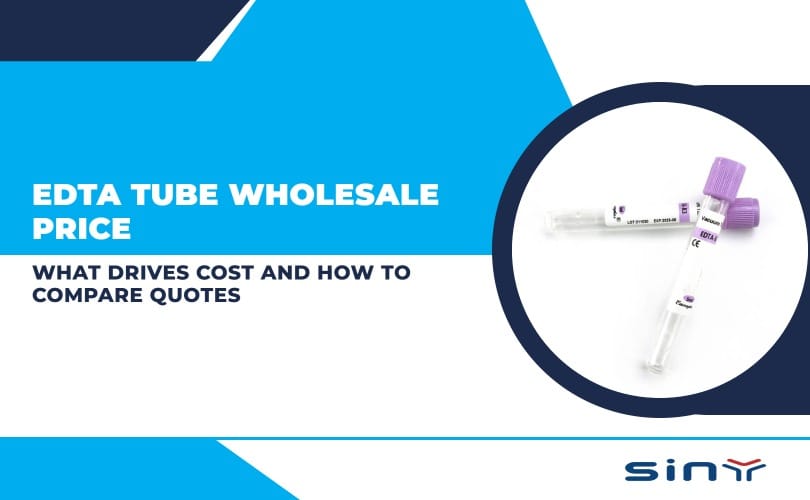
When it comes to precise and reliable blood testing, one laboratory tool stands out—the Purple Cap EDTA Anticoagulant Tube. You’ve probably seen it in a lab or during a blood draw, but ever wondered what makes it so essential? This small tube plays a massive role in preserving blood samples for accurate testing in hematology, biochemistry, and molecular diagnostics.
This comprehensive guide will break down how the Purple Cap EDTA Anticoagulant Tube works, why it’s widely used, and how it’s manufactured to ensure sample integrity. We’ll also explore its role in modern laboratory technology, supported by authoritative sources such as EDTA Tube Official Website and Siny Medical’s EDTA Tube System.
What is a Purple Cap EDTA Anticoagulant Tube?
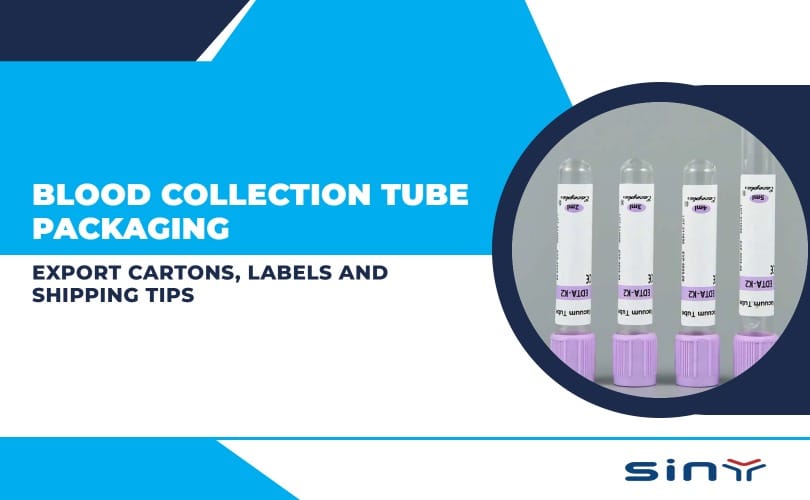
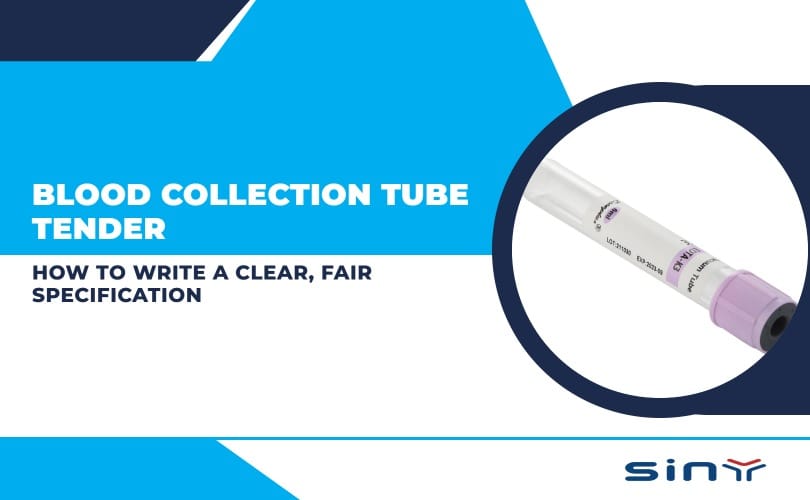
The Purple Cap EDTA Anticoagulant Tube, often called the Lavender Top Tube, is a blood collection device containing Ethylenediaminetetraacetic Acid (EDTA) as its anticoagulant. EDTA prevents blood from clotting by binding calcium ions—essential for the coagulation process—thereby keeping the blood in its original, liquid form for analysis.
These tubes are primarily used in hematology for tests such as Complete Blood Count (CBC), Hemoglobin (Hb), and Platelet count.
You can explore a wide range of EDTA blood collection tubes at EDTA Tube Products and detailed specifications of K3 EDTA Blood Collection Tubes here.
Components of the Purple Cap EDTA Anticoagulant Tube

The Purple Cap EDTA Anticoagulant Tube is composed of several key components that ensure its effectiveness:
- EDTA Anticoagulant: The primary component, EDTA, is either in its K2 (dipotassium) or K3 (tripotassium) form. Both forms are equally effective in preventing coagulation.
- Vacuum Seal: The tube is pre-evacuated to create a vacuum, allowing for precise blood collection without manual aspiration.
- Safety Features: Many modern tubes come with safety caps and needle systems to minimize the risk of needlestick injuries.
- Material: Made from high-quality, non-reactive plastic, the tube ensures sample integrity and prevents contamination.
For a detailed look at the different types of EDTA tubes available, visit our EDTA Tube Product Category.
Chemical Composition and Mechanism of EDTA Anticoagulant
The EDTA anticoagulant used in these tubes is a chelating agent that binds metal ions, especially calcium (Ca²⁺). This process inhibits coagulation enzymes that rely on calcium, thereby preserving the blood’s cellular integrity.
There are two primary types of EDTA used in these tubes:
| Type | Chemical Formula | Common Usage |
|---|---|---|
| K2 EDTA (Dipotassium EDTA) | C₁₀H₁₄K₂N₂Na₂O₈ | Preferred for hematology due to minimal cell shrinkage |
| K3 EDTA (Tripotassium EDTA) | C₁₀H₁₄K₃N₂O₈ | Used for automated analyzers and flow cytometry |
To explore more on EDTA K2 and K3 Vacuum Blood Collection Tubes, visit this detailed product guide.
The mechanism is simple yet precise—when blood is drawn into the EDTA tube, the anticoagulant binds calcium ions immediately, ensuring that red and white blood cells maintain their structure for microscopic and analytical evaluation.
Applications of the Purple Cap EDTA Tube in Modern Laboratories
The Purple Cap EDTA Tube is indispensable in medical diagnostics. Its primary uses include:
-
Hematology Tests: Such as CBC, WBC differential, RBC indices, and Platelet counts.
-
Molecular Diagnostics: Preservation of DNA and RNA in plasma or whole blood samples.
-
Immunohematology: Ideal for blood typing and cross-matching.
-
HbA1c Testing: Measurement of long-term glucose control in diabetic patients.
You can find high-quality Purple Top Blood Collection Tubes at EDTA Tube’s Product Page, which complies with strict international standards.
For an alternative supplier offering similar systems, check out Siny Medical’s EDTA Tube Collection Systems.
Manufacturing Process of EDTA Blood Collection Tubes
Manufacturing Purple Cap EDTA Tubes is a high-precision process that ensures sterility and accurate anticoagulant concentration.
Key Steps Include:
-
Tube Molding: The tubes are made from medical-grade PET plastic or glass, ensuring clarity and durability.
-
Anticoagulant Coating: A fine layer of EDTA (K2 or K3) is evenly sprayed or coated inside the tube.
-
Vacuum Sealing: The correct vacuum pressure is established to draw the exact volume of blood.
-
Color Coding and Capping: The purple cap is applied to easily identify the tube’s anticoagulant type.
-
Sterilization: All tubes are sterilized using ethylene oxide or gamma radiation.
-
Quality Control: Every batch undergoes testing for leakage, anticoagulant effectiveness, and labeling accuracy.
For more information on EDTA K2/K3 Disposable Vacuum Blood Collection Tube Needle Systems, you can check this technical product page.
Why EDTA Tubes are Preferred Over Other Anticoagulant Systems
There are several types of anticoagulant tubes—heparin (green cap), citrate (blue cap), and fluoride oxalate (gray cap)—but EDTA (purple cap) stands out.
Here’s why laboratories choose it:
-
Prevents platelet clumping better than other anticoagulants.
-
Preserves cellular morphology for up to 24 hours at room temperature.
-
Compatible with automated analyzers.
-
Minimal dilution effect, providing accurate test results.
-
Stable DNA/RNA samples for molecular testing.
These features make EDTA tubes the gold standard for hematology and molecular testing.
Comparison Between K2 and K3 EDTA Tubes
| Feature | K2 EDTA | K3 EDTA |
|---|---|---|
| Type of Salt | Dipotassium | Tripotassium |
| Blood Cell Morphology | Better preservation | Slight shrinkage |
| Automation Compatibility | High | Very High |
| Usage | Routine hematology | Advanced molecular testing |
According to Siny Medical’s research, both K2 and K3 tubes are manufactured under strict GMP standards for precision and reliability.
Summary
The Purple Cap EDTA Anticoagulant Tube System is an indispensable tool in modern healthcare, offering unparalleled accuracy and reliability in blood sample collection and analysis. Its unique properties, including the ability to prevent clotting and preserve cell integrity, make it a staple in hematology and molecular diagnostics. Whether you’re a healthcare professional, researcher, or patient, understanding the importance of this tube can help ensure better diagnostic outcomes.
For more information on our range of EDTA tubes, explore our Products Page or watch our YouTube Channel for educational videos.
FAQs
Q1: What is the difference between K2 and K3 EDTA?
A: Both K2 and K3 EDTA are equally effective anticoagulants. The primary difference lies in their chemical structure, with K2 being dipotassium EDTA and K3 being tripotassium EDTA.
Q2: Can the Purple Cap EDTA Tube be used for serum tests?
A: No, the Purple Cap EDTA Tube is designed for plasma tests. For serum tests, a Red Cap Clot Activator Tube is recommended.
Q3: How long can blood samples be stored in EDTA tubes?
A: Blood samples in EDTA tubes can be stored for up to 24 hours at room temperature or 48 hours at 4°C.
Q4: Are EDTA tubes safe for all patients?
A: Yes, EDTA tubes are safe for most patients. However, individuals with specific allergies or conditions should consult their healthcare provider.
For more FAQs, visit our Contact Us page.