Blood collection systems have changed dramatically over the last few decades. Laboratories today demand safer materials, faster workflows, and more reliable sample preservation than ever before. Because of these changing needs, many hospitals and diagnostic centers now prefer Plastic EDTA Tubes over traditional glass blood collection tubes.
For years, glass tubes remained the standard choice for hematology testing because of their chemical stability and strong vacuum retention. However, modern plastic tube technology has improved significantly. Today’s plastic EDTA tubes offer excellent durability, safer handling, lighter transportation weight, and strong compatibility with automated laboratory systems.
Still, the debate between glass and plastic EDTA tubes continues. Some laboratories value the traditional reliability of glass, while others prioritize the safety and convenience of plastic systems.
Understanding the differences between these materials helps laboratories choose the right blood collection solution for their daily operations. This guide explores the advantages, disadvantages, safety factors, storage concerns, and laboratory applications of both glass and Plastic EDTA Tubes.
To learn more about blood collection products and laboratory solutions, visit the official EDTA Tube website.
What Are EDTA Tubes?
EDTA tubes are blood collection tubes that contain ethylenediaminetetraacetic acid, commonly known as EDTA. This additive works as an anticoagulant by binding calcium in the blood sample and preventing clot formation.
Because EDTA preserves cellular components very effectively, these tubes are widely used in hematology and molecular diagnostics. Laboratories rely on EDTA tubes for complete blood count testing, DNA analysis, blood typing, and several other routine diagnostic procedures.
Modern laboratories use both glass and plastic EDTA tubes, depending on testing requirements, transportation conditions, and equipment compatibility.
If you are unfamiliar with tube usage procedures, this guide about How to Use an EDTA Tube explains the proper collection and handling process in detail.
Plastic EDTA Tubes
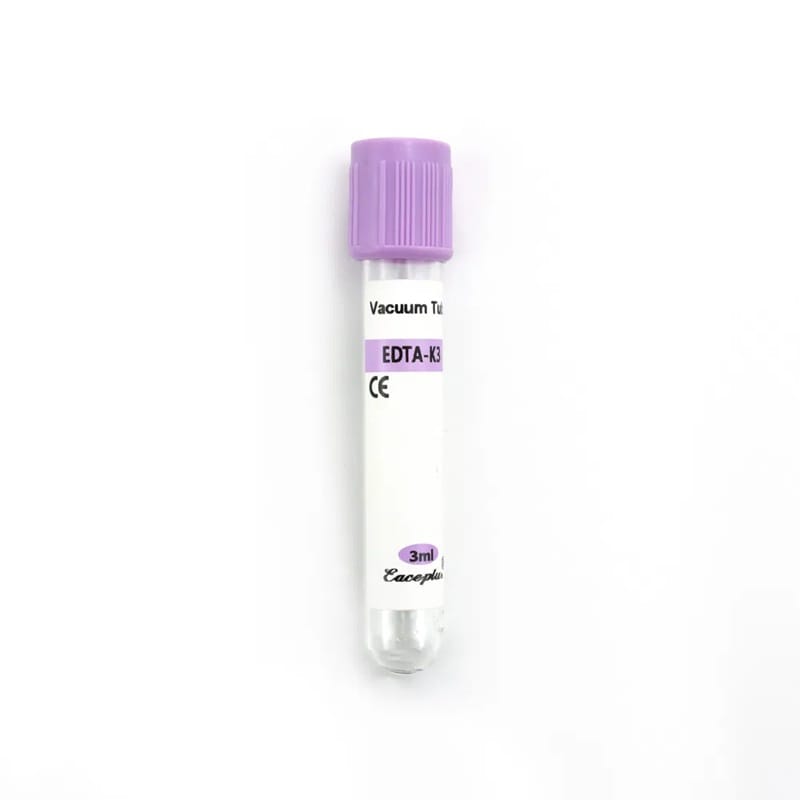
Plastic EDTA Tubes are blood collection tubes manufactured using medical-grade plastic materials such as PET (polyethylene terephthalate).
Modern plastic tubes are engineered for:
- Improved safety
- Reduced contamination risk
- Lower transportation weight
- Better compatibility with automated analyzers
Many laboratories now prefer plastic EDTA tubes because they reduce workplace injuries associated with broken glass.
For a closer look at materials, this article about PET Plastic in EDTA Tubes provides useful technical insights.
Why Plastic EDTA Tubes Have Become So Popular
The healthcare industry has steadily moved toward safer and more efficient blood collection systems. As laboratory automation expanded, the demand for lightweight and break-resistant tubes increased rapidly.
This shift helped Plastic EDTA Tubes become the preferred choice in many hospitals and clinical laboratories worldwide.
Unlike glass tubes, plastic tubes are less likely to shatter during handling or transportation. That single advantage alone significantly reduces injury risks for laboratory technicians and healthcare workers.
In busy hospital environments where thousands of blood samples move daily between departments, durability matters just as much as laboratory accuracy.
Modern plastic EDTA tubes also integrate smoothly with automated analyzers. This compatibility improves workflow efficiency and reduces interruptions during high-volume testing.
For additional product information, you can explore the EDTA Tube Product Collection.
Glass EDTA Tubes
Before plastic tubes became common, glass EDTA tubes dominated laboratory diagnostics for decades.
Glass offered several important advantages. It maintained strong vacuum stability, resisted chemical reactions, and provided reliable long-term sample storage. Many laboratories trusted glass because of its consistent performance during sensitive diagnostic testing.
Even today, some specialized research laboratories continue using glass tubes for certain procedures that require extremely stable storage conditions.
However, healthcare systems gradually recognized the disadvantages associated with glass blood collection products. Breakage, transportation hazards, and workplace injuries became growing concerns as sample volumes increased worldwide.
This comparison article about Glass and Plastic EDTA Tubes explains how the industry evolved from glass to plastic systems.
Safety Differences Between Glass and Plastic EDTA Tubes
Safety remains one of the most important factors when comparing glass and Plastic EDTA Tubes.
Glass tubes can crack or shatter during transportation, centrifugation, or accidental impact. Broken blood collection tubes expose healthcare workers to sharp edges and contaminated blood samples. These accidents increase the risk of workplace injuries and laboratory contamination.
Plastic EDTA tubes solve many of these problems because they resist impact far better than glass. Their flexible construction reduces accidental breakage during normal handling.
This difference becomes especially important in emergency departments, mobile healthcare units, and high-volume diagnostic laboratories where staff members handle large numbers of blood samples every day.
As hospitals continue prioritizing workplace safety, plastic tubes have become increasingly attractive for routine diagnostic use.
Sample Integrity and Laboratory Accuracy
Laboratory professionals care deeply about sample quality because inaccurate blood samples can affect diagnostic results.
Glass tubes historically earned a strong reputation for chemical stability. Since glass is highly inert, it rarely reacts with blood additives or sample components. This stability helped preserve sample integrity during long storage periods.
Modern Plastic EDTA Tubes, however, have improved dramatically due to advances in manufacturing technology. High-quality plastic tubes now provide reliable anticoagulant performance and excellent blood preservation for routine testing.
Manufacturers carefully design the internal coating of plastic EDTA tubes to ensure proper mixing between blood and anticoagulant additives. As a result, modern plastic systems perform extremely well in CBC testing, hematology analysis, and molecular diagnostics.
This is one reason why many laboratories now trust plastic EDTA tubes for sensitive DNA applications. This guide about Can EDTA Tubes Be Used for DNA Testing explains their role in genetic analysis and molecular research.
Transportation and Storage Advantages
Transportation efficiency has become a major concern for healthcare providers, especially large diagnostic networks operating across multiple locations.
Glass tubes are heavier and more fragile. Because of this, laboratories often require additional packaging materials to prevent breakage during shipping.
In contrast, Plastic EDTA Tubes weigh less and tolerate transportation stress more effectively. Their lightweight design lowers shipping costs and simplifies large-scale logistics.
This advantage becomes even more valuable in mobile healthcare programs and remote testing environments where portability matters.
Storage conditions also influence blood collection performance. Laboratories should always protect EDTA tubes from direct sunlight, excessive heat, and moisture exposure. Proper storage helps maintain vacuum integrity and additive stability over time.
For handling recommendations, visit Proper Handling and Storage of EDTA Tubes.
Vacuum Retention: Glass vs Plastic
Vacuum retention is essential in blood collection because it directly affects sample volume accuracy.
Glass naturally offers excellent gas barrier properties. Older plastic blood collection systems sometimes struggled to maintain stable vacuum pressure over long storage periods.
However, modern Plastic EDTA Tubes now use advanced PET materials and improved sealing technologies that significantly enhance vacuum consistency.
Many laboratories today report excellent performance from high-quality plastic EDTA tubes, even during extended storage and transportation conditions.
This article about PET Plastic in EDTA Tubes explains how PET materials improve blood collection tube performance.
Laboratory Automation and Plastic EDTA Tubes
Automation has transformed modern diagnostics. Large laboratories now process thousands of blood samples daily using robotic analyzers and automated transport systems.
Glass tubes present certain challenges in automated environments because they are more vulnerable to cracking or accidental impact.
Meanwhile, Plastic EDTA Tubes work extremely well with automated laboratory equipment. Their durability and dimensional consistency reduce workflow interruptions and improve operational efficiency.
Automation compatibility is one of the biggest reasons hospitals increasingly choose plastic blood collection systems over traditional glass alternatives.
As laboratory technology continues evolving, automation-friendly collection tubes will likely become even more important.
Cost Comparison Between Glass and Plastic EDTA Tubes
Laboratory managers must balance quality, safety, and operational costs when selecting blood collection products.
At first glance, glass tubes may appear cost-effective because of their long history in clinical diagnostics. However, glass systems often generate hidden expenses through breakage losses, transportation damage, and additional safety requirements.
Most healthcare facilities now find Plastic EDTA Tubes more economical in the long run. Their lower breakage rates help reduce product waste and workplace incidents.
Plastic tubes also simplify shipping logistics because they weigh less and require less protective packaging.
Over time, these operational advantages can significantly reduce laboratory expenses.
Applications of Plastic EDTA Tubes
Today, plastic EDTA tubes appear in nearly every healthcare setting.
Hematology laboratories use them extensively for CBC testing because EDTA preserves blood cell structure very effectively. Molecular diagnostic laboratories also rely on plastic EDTA tubes for DNA and RNA preservation.
Blood banks frequently use these tubes during compatibility testing and donor screening procedures. Mobile healthcare units benefit from the lightweight and durable construction of plastic tubes, especially in remote or field-based collection programs.
Tube size selection also plays an important role in laboratory efficiency. Different testing procedures require different blood volumes, which is why laboratories commonly use 2ml, 3ml, 4ml, 5ml, and larger EDTA tube sizes.
This detailed guide about EDTA Tube Sizes Explained helps laboratories select the appropriate tube capacity for different clinical applications.
You can also review What Size EDTA Tube Should You Use for practical recommendations.
Environmental Impact of Plastic EDTA Tubes
Environmental sustainability has become an important topic across the healthcare industry.
Glass is recyclable and chemically stable, but its heavier weight increases transportation energy consumption. Manufacturing and shipping glass tubes also require more protective packaging.
Modern Plastic EDTA Tubes reduce shipping weight and improve transportation efficiency. Some manufacturers are also developing recyclable medical-grade plastic materials to reduce environmental impact.
At the same time, healthcare waste disposal regulations remain strict because blood collection products involve biohazard exposure. As a result, both glass and plastic systems require proper disposal procedures.
The future of blood collection technology will likely focus heavily on sustainable materials and environmentally responsible production methods.
This article about Future of EDTA Blood Collection Tubes 2026 discusses upcoming industry trends and innovations.
Are Glass EDTA Tubes Becoming Obsolete?
Glass EDTA tubes have not disappeared completely, but their role continues shrinking in modern healthcare systems.
Certain research laboratories still prefer glass for highly specialized applications involving long-term storage or extremely sensitive analytical procedures. However, most routine diagnostic laboratories now favor plastic systems because of their safety and operational advantages.
The global transition toward automation, mobile healthcare, and high-volume diagnostic testing strongly supports the continued growth of Plastic EDTA Tubes.
As manufacturing technology improves further, plastic systems will likely dominate even more areas of laboratory medicine.
How to Choose the Right Plastic EDTA Tubes
Choosing the right EDTA tube involves more than selecting the correct material. Laboratories should evaluate tube size, vacuum quality, sterility standards, and compatibility with existing analyzers.
Healthcare providers should also verify whether suppliers meet international manufacturing standards and regulatory requirements.
This guide about How to Choose the Right EDTA Tube for Your Lab explains the selection process in greater detail.
Professional suppliers such as Siny Medical EDTA Tubes also provide detailed product specifications for laboratories seeking high-quality collection systems.
Additional product information is available through Siny Medical Made-in-China Profile and the Siny Medical YouTube Channel.
Summary
The comparison between glass and Plastic EDTA Tubes reflects the broader evolution of modern laboratory medicine.
Glass tubes once dominated blood collection because of their chemical stability and reliable vacuum performance. However, healthcare providers today increasingly prioritize safety, automation compatibility, transportation efficiency, and operational cost reduction.
Because of these changing priorities, plastic EDTA tubes have become the preferred solution in many hospitals, blood banks, and diagnostic laboratories worldwide.
Although glass still serves specialized applications, modern plastic systems provide the best balance of durability, convenience, safety, and laboratory efficiency for routine blood collection.
To explore professional blood collection products and EDTA tube solutions, visit EDTA Tube Products or contact the team directly through Contact Us.