Glass and Plastic EDTA Tubes may look like a simple procurement decision, but in reality, it has a direct impact on sample safety, analytical accuracy, laboratory workflow, and even staff protection. Many laboratories continue to use one type out of habit, not because it is always the best option.
As hematology testing volumes grow and safety standards evolve, understanding the real differences between glass and plastic EDTA tubes becomes essential. This guide is written to help laboratory professionals, procurement teams, and diagnostic centers make confident, evidence-based decisions—without confusion or marketing noise.
In this in-depth article, we will explore how Glass and Plastic EDTA Tubes differ in material behavior, safety, performance, cost efficiency, and real-world laboratory use. By the end, you will clearly know which option suits your lab’s needs today and tomorrow.
EDTA Tubes in Hematology Diagnostics
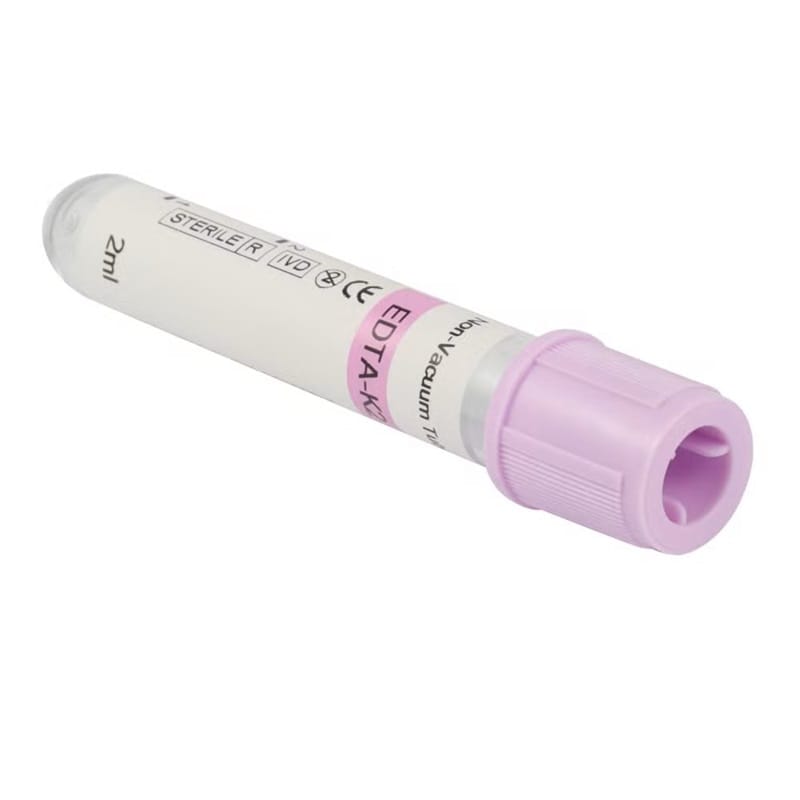
EDTA tubes are blood collection tubes coated with Ethylenediaminetetraacetic acid, an anticoagulant that binds calcium ions. This action prevents clot formation and preserves blood cell morphology, making EDTA tubes the gold standard for hematology testing.
They are routinely used for Complete Blood Count testing, differential analysis, platelet counts, and other cell-based evaluations. According to the clinical definition of a Complete Blood Count, maintaining cellular integrity is essential for accurate diagnosis.
While EDTA chemistry remains the same, the tube material—glass or plastic—can influence usability, safety, and sample handling efficiency. That is why the debate around Glass and Plastic EDTA Tubes matters more than many labs realize.
Why Tube Material Matters More Than Ever
Modern laboratories process thousands of samples daily. Even small inefficiencies or safety risks multiply quickly. Tube material affects how blood is drawn, transported, stored, and analyzed.
Glass EDTA tubes dominated laboratories for decades. However, plastic EDTA tubes have rapidly gained acceptance due to advancements in polymer technology and increased focus on biosafety.
Understanding the strengths and limitations of Glass and Plastic EDTA Tubes allows labs to align their tube choice with current testing demands and regulatory expectations.
What Are Glass EDTA Tubes?
Glass EDTA tubes are manufactured from medical-grade borosilicate glass. Historically, glass was preferred because of its chemical stability and impermeability.
In traditional laboratory settings, glass tubes were valued for consistent vacuum performance and long shelf life. Many older analyzers and protocols were designed around glass tube dimensions and behavior.
However, glass comes with inherent challenges. Breakage risk, injury potential, and disposal concerns have led many labs to reconsider their continued use of glass EDTA tubes.
What Are Plastic EDTA Tubes?
Plastic EDTA tubes are typically made from polyethylene terephthalate (PET) or polypropylene. These materials are lightweight, durable, and shatter-resistant.
Advancements in manufacturing now allow plastic tubes to maintain stable vacuum levels and consistent anticoagulant performance. As a result, plastic has become the preferred choice in many modern diagnostic laboratories.
When comparing Glass and Plastic EDTA Tubes, plastic options often stand out for their safety and operational efficiency.
Glass and Plastic EDTA Tubes: A Performance Comparison
To understand how Glass and Plastic EDTA Tubes perform in real laboratory environments, it helps to compare them across key parameters.
Glass tubes offer excellent chemical inertness. They do not interact with blood components, making them reliable for traditional testing. However, plastic tubes now offer comparable chemical stability for hematology applications.
Plastic tubes outperform glass in impact resistance. A dropped glass tube can shatter, causing sample loss and potential exposure to biohazards. Plastic tubes, by contrast, are designed to withstand routine handling and transport stress.
Vacuum stability was once a concern with plastic tubes. Today, reputable manufacturers produce plastic EDTA tubes with highly reliable vacuum performance, suitable for both manual and automated collection systems.
Safety Considerations in Modern Laboratories
Laboratory safety standards have evolved significantly over the past two decades. Reducing sharps injuries and exposure risks is now a top priority.
Glass EDTA tubes pose a higher risk of breakage during collection, centrifugation, or disposal. Broken glass contaminated with blood presents a serious hazard to laboratory staff.
Plastic EDTA tubes greatly reduce this risk. Their shatter-resistant design supports safer handling throughout the pre-analytical and post-analytical phases.
For laboratories prioritizing staff safety, Glass and Plastic EDTA Tubes are no longer equal options—plastic clearly aligns better with modern safety guidelines.
Impact on Sample Transport and Storage
Sample transport is another area where tube material matters. Glass tubes are heavier and more vulnerable to damage during transit, especially in decentralized testing networks.
Plastic EDTA tubes are lighter, reducing shipping costs and minimizing breakage during transport. Their durability makes them ideal for outreach programs and reference laboratory networks.
When comparing Glass and Plastic EDTA Tubes, plastic offers greater flexibility in sample logistics without compromising test integrity.
Compatibility with Automated Laboratory Systems
Automation has transformed hematology laboratories. Tube compatibility with analyzers, racks, and robotic handlers is now essential.
Plastic EDTA tubes are designed with consistent dimensions and enhanced durability, making them well-suited for automated systems. They resist cracking under mechanical stress and maintain structural integrity during high-speed processing.
Glass tubes, while compatible with many systems, are more prone to breakage under automation stress. This limitation is one reason many labs transitioning to automation choose plastic over glass.
Cost Efficiency and Long-Term Value
At first glance, glass EDTA tubes may appear slightly less expensive per unit. However, true cost efficiency includes breakage losses, injury risks, disposal costs, and workflow interruptions.
Plastic EDTA tubes reduce hidden costs by minimizing sample loss and workplace accidents. Their lighter weight also lowers transportation expenses over time.
When evaluating Glass and Plastic EDTA Tubes, plastic often delivers better long-term value, especially in high-volume laboratories.
Environmental and Disposal Considerations
Environmental responsibility is increasingly important in healthcare. Glass is recyclable, but contaminated medical glass requires special handling and disposal.
Plastic EDTA tubes are typically disposed of as medical waste. While recycling options are limited, their reduced breakage lowers contamination risks during disposal.
Manufacturers are now exploring eco-friendly plastic formulations, making plastic EDTA tubes more sustainable than ever before.
Choosing the Right EDTA Tube for Your Laboratory
Selecting between Glass and Plastic EDTA Tubes should align with your laboratory’s workflow, safety priorities, and testing volume.
For traditional labs with low automation and established glass-handling protocols, glass EDTA tubes may still perform adequately. However, for most modern labs, plastic EDTA tubes offer clear advantages in safety, durability, and efficiency.
For a broader understanding of EDTA tube selection, this guide on how to choose the right EDTA tube for your lab provides valuable insights.
Tube Size and Material Go Hand in Hand
Material choice should never be separated from tube size considerations. Selecting the correct volume ensures the proper blood-to-additive ratio.
Resources such as the EDTA tube size guide from 2ml to 10ml and EDTA tube sizes explained help labs match material and size to test requirements.
When choosing between Glass and Plastic EDTA Tubes, always consider how size and material work together to support accurate testing.
EDTA Tubes vs Other Blood Collection Tubes
EDTA tubes are not interchangeable with citrate or serum tubes. Each tube type serves a distinct diagnostic purpose.
A detailed comparison is available in EDTA tubes vs other blood collection tubes, highlighting why EDTA remains essential for hematology testing regardless of material choice.
Trusted Manufacturers and Product Selection
Working with reliable suppliers ensures consistent quality and compliance. Browsing a dedicated EDTA tube product category allows labs to evaluate both glass and plastic options side by side.
For deeper technical knowledge, this complete guide to EDTA tubes, types, uses, and benefits offers manufacturer-backed insights.
You may also explore educational content via Sinymedical’s YouTube channel or review supplier credentials on Made-in-China.
For personalized assistance, laboratories can always reach out through the contact page.
Summary
Choosing between Glass and Plastic EDTA Tubes depends on your laboratory’s priorities. Glass offers chemical stability and clarity, while plastic provides safety, durability, and cost efficiency. By considering test type, safety, cost, and analyzer compatibility, labs can make informed decisions that improve accuracy and workflow.
For more information, explore EDTA Tube Sizes Explained or contact experts via Contact Us.
FAQs
Are glass EDTA tubes better than plastic ones?
Both glass and plastic EDTA tubes have their advantages. Glass tubes are more durable chemically, while plastic tubes are safer and more convenient.
Can plastic EDTA tubes be reused?
No, plastic EDTA tubes are designed for single use, unlike glass tubes, which can be sterilized and reused.
Do glass EDTA tubes affect test results?
Glass tubes are chemically inert and do not affect test results, making them ideal for sensitive analyses.
Are plastic EDTA tubes environmentally friendly?
Plastic tubes contribute to waste, so labs focused on sustainability may prefer reusable glass tubes.
How do I choose between glass and plastic EDTA tubes?
Consider factors like test requirements, lab workflow, budget, and environmental impact when choosing between glass and plastic EDTA tubes.