Blood transfusion is one of the most important procedures in modern healthcare. Every day, hospitals around the world use transfusions to save lives, restore blood volume, and help patients recover from severe illnesses or injuries. Yet many people still ask an important question: what are the purposes of blood transfusion?
A blood transfusion is the process of transferring blood or blood components from a donor into a patient’s bloodstream. Doctors use it for several medical reasons, including replacing lost blood after surgery, treating anemia, supporting cancer patients, and managing blood disorders.
Understanding the purposes of blood transfusion can help patients and caregivers feel more informed and confident before a medical procedure. In this guide, we will explain why blood transfusions are necessary, how they work, the different blood components used, possible risks, and the role of EDTA tubes in safe blood testing and transfusion medicine.
Blood Transfusion
Blood transfusion is a controlled medical procedure where healthcare professionals transfer blood into a patient through an intravenous line. Doctors may use whole blood or specific blood components depending on the patient’s condition.
The four primary blood components include:
| Blood Component | Main Function |
|---|---|
| Red Blood Cells | Carry oxygen throughout the body |
| Plasma | Maintains blood pressure and transports nutrients |
| Platelets | Help blood clotting |
| White Blood Cells | Fight infections |
Modern hospitals rarely use whole blood. Instead, they separate blood into components so patients receive only what they need.
According to the World Health Organization, millions of blood transfusions are performed globally every year to support emergency care, surgeries, trauma treatment, and chronic disease management.
What Are the Main Purposes of Blood Transfusion?
The purposes of blood transfusion vary depending on the patient’s medical condition. Some patients need emergency treatment after accidents, while others require ongoing transfusions because of chronic illnesses.
Below are the most common medical purposes.
Replacing Blood Loss After Injury or Surgery
One of the primary purposes of blood transfusion is replacing blood lost during accidents, trauma, or surgery.
Severe bleeding reduces oxygen delivery to organs. Without rapid treatment, patients can experience organ failure or shock. Doctors often use red blood cell transfusions to stabilize patients quickly.
Common situations include:
- Car accidents
- Internal bleeding
- Major surgeries
- Childbirth complications
- Emergency trauma care
During complex surgeries, hospitals carefully monitor blood levels to ensure patients maintain proper circulation and oxygen supply.
Treating Severe Anemia
Anemia occurs when the body lacks enough healthy red blood cells. Patients with severe anemia may feel:
- Extreme fatigue
- Weakness
- Dizziness
- Shortness of breath
In critical cases, doctors perform blood transfusions to restore oxygen-carrying capacity.
Many conditions can cause anemia:
- Iron deficiency
- Kidney disease
- Bone marrow disorders
- Cancer treatments
- Gastrointestinal bleeding
The purposes of blood transfusion in anemia treatment focus on improving oxygen delivery and preventing complications.
For blood sample preparation and testing accuracy, laboratories often rely on high-quality EDTA tubes such as those discussed on EDTA Tube Products.
Supporting Cancer Patients
Cancer patients frequently require blood transfusions during chemotherapy or radiation treatment. These therapies can damage bone marrow, reducing the production of healthy blood cells.
Doctors may transfuse:
- Red blood cells for anemia
- Platelets to prevent bleeding
- Plasma for clotting support
Patients with leukemia, lymphoma, and other blood cancers often need repeated transfusions throughout treatment.
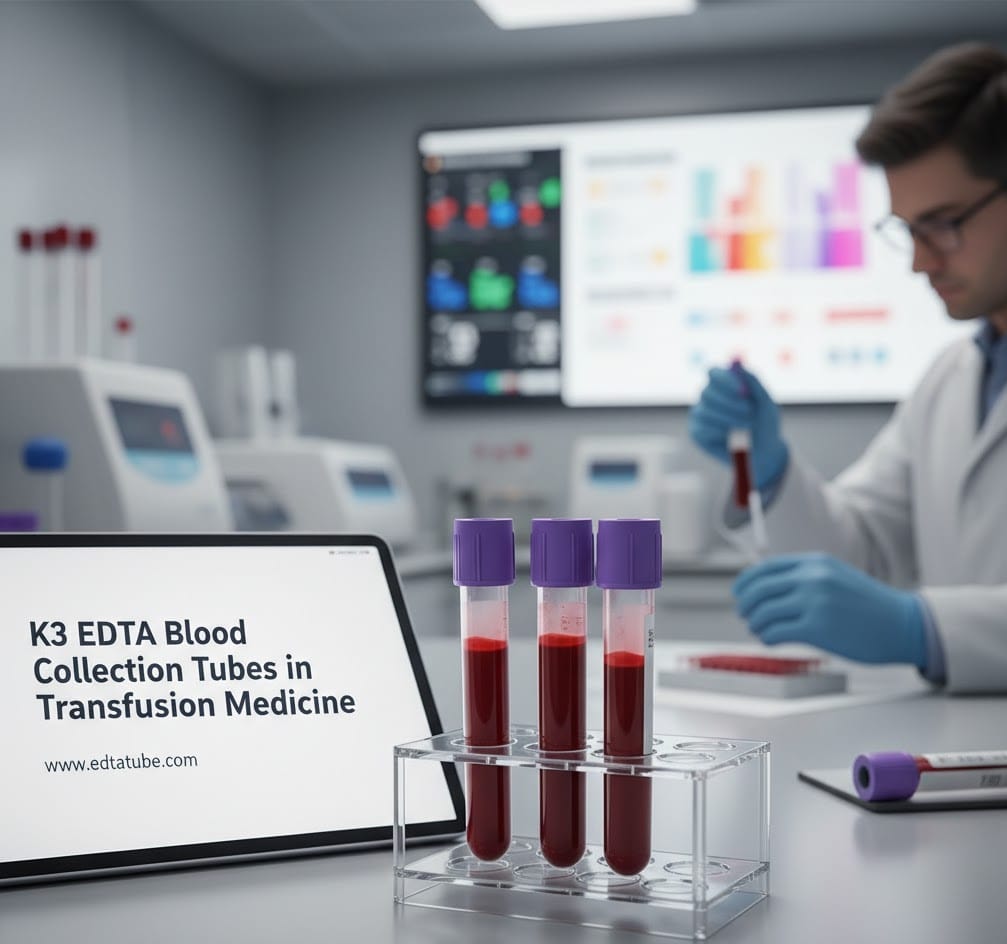
Reliable blood collection plays a critical role in monitoring these patients. Articles like K3 EDTA Blood Collection Tubes in Transfusion Medicine explain how EDTA tubes support accurate laboratory testing.
Managing Blood Disorders
Several inherited and acquired blood disorders require regular transfusion therapy.
Examples include:
- Sickle cell disease
- Thalassemia
- Hemophilia
- Aplastic anemia
These conditions affect blood production or blood cell function. Regular transfusions help patients maintain stable health and reduce complications.
For example, sickle cell disease causes abnormal red blood cells that block circulation and reduce oxygen delivery. Blood transfusions help replace damaged cells with healthy ones.
Improving Blood Clotting
Platelet and plasma transfusions help patients who cannot clot blood properly.
This issue may occur because of:
- Liver disease
- Severe infections
- Trauma
- Chemotherapy
- Certain medications
Without proper clotting, even minor injuries can become dangerous. Plasma transfusions provide clotting proteins, while platelet transfusions help stop bleeding.
Healthcare providers depend on precise laboratory testing during clotting evaluations. Proper tube selection is essential, and resources like How to Choose the Right EDTA Tube for Your Lab help laboratories improve sample quality.
Treating Massive Blood Loss During Childbirth
Postpartum hemorrhage is one of the leading causes of maternal death worldwide. Rapid blood transfusion can save lives during childbirth complications.
Doctors use transfusions to:
- Replace lost blood volume
- Maintain oxygen delivery
- Prevent shock
- Stabilize blood pressure
Hospitals often prepare blood products before high-risk deliveries to ensure emergency availability.
Types of Blood Transfusions
Understanding the different types of transfusions helps explain the various purposes of blood transfusion in modern medicine.
Red Blood Cell Transfusion
This is the most common type. Doctors use red blood cells to increase oxygen transport.
Common uses:
- Severe anemia
- Trauma
- Surgery
- Blood loss
Platelet Transfusion
Platelets help blood clot properly.
Doctors commonly use platelet transfusions for:
- Leukemia patients
- Chemotherapy patients
- Severe bleeding disorders
Plasma Transfusion
Plasma contains proteins and clotting factors.
Doctors use plasma transfusions to:
- Treat clotting disorders
- Support trauma patients
- Reverse medication effects
Cryoprecipitate Transfusion
Cryoprecipitate contains concentrated clotting factors. It helps treat rare bleeding conditions and severe clotting deficiencies.
The Importance of Blood Matching Before Transfusion
Blood compatibility is critical. Incorrect blood matching can cause dangerous immune reactions.
Before transfusion, laboratories perform:
- ABO blood typing
- Rh factor testing
- Cross-matching
Cross-matching ensures donor blood is compatible with the recipient’s blood.
You can learn more about compatibility testing in Cross Matching Blood With EDTA.
EDTA tubes play a major role in preserving blood samples during testing procedures.
Why EDTA Tubes Matter in Blood Transfusion Testing
Blood collection accuracy directly affects transfusion safety. EDTA tubes help preserve blood cells and prevent clotting during laboratory analysis.
Laboratories use EDTA tubes for:
- Complete blood counts
- Blood typing
- Cross-matching
- DNA testing
- Hematology analysis
Proper storage and handling are also essential. The guide on Proper Handling and Storage of EDTA Tubes explains best practices for maintaining sample integrity.
For specialized testing applications, laboratories may also refer to Can EDTA Tubes Be Used for DNA Testing?.
How Safe Are Blood Transfusions Today?
Modern blood transfusions are much safer than they were decades ago. Hospitals follow strict safety protocols for donor screening, testing, and compatibility checks.
According to the American Red Cross, donated blood undergoes extensive testing for infectious diseases before use.
Safety measures include:
- Donor health screening
- Blood type verification
- Infection testing
- Sterile handling procedures
- Cross-matching
Although risks still exist, serious complications are rare.
Possible Risks and Side Effects
Despite the benefits, blood transfusions can occasionally cause side effects.
Mild Side Effects
Some patients may experience:
- Fever
- Chills
- Mild allergic reactions
- Skin rash
These symptoms usually resolve quickly.
Serious Complications
Rare but serious risks include:
- Hemolytic transfusion reactions
- Lung injury
- Infection transmission
- Iron overload from repeated transfusions
Doctors monitor patients closely during and after transfusion procedures.
Blood Transfusion Statistics and Global Demand
The demand for blood continues to rise worldwide.
Here are some important statistics:
| Statistic | Estimated Figure |
|---|---|
| Annual global blood donations | Over 118 million |
| Countries collecting most donations | High-income nations |
| Common transfusion recipients | Surgery, cancer, trauma patients |
| Most transfused component | Red blood cells |
Source: World Health Organization Blood Safety Information
These numbers highlight the critical role blood donation plays in healthcare systems.
How Laboratories Select the Right EDTA Tubes
Different blood tests require different tube sizes and additives.
Healthcare professionals often choose EDTA tubes based on:
- Patient age
- Test requirements
- Sample volume
- Laboratory equipment
Helpful resources include:
- EDTA Tube Sizes Explained
- Choosing Between 2ml, 3ml, 4ml, and 5ml EDTA Tubes
- What Size EDTA Tube Should You Use?
These guides help laboratories improve blood collection efficiency and testing reliability.
Advances in Blood Collection and Transfusion Medicine
Technology continues to improve transfusion safety and laboratory performance.
Modern innovations include:
- Automated blood analyzers
- Advanced compatibility testing
- Improved blood storage systems
- Safer blood collection materials
The future of laboratory collection systems is discussed in Future of EDTA Blood Collection Tubes 2026.
Manufacturers such as Siny Medical EDTA Tubes also contribute to improving blood collection technology worldwide.
Additional educational resources are available through the Siny Medical YouTube Channel and Siny Medical Manufacturer Profile.
How Patients Prepare for a Blood Transfusion
Patients usually undergo several tests before transfusion.
Doctors may check:
- Blood type
- Hemoglobin levels
- Allergies
- Medical history
The transfusion itself often takes one to four hours depending on the blood component used.
Patients should report symptoms like:
- Fever
- Chest pain
- Breathing difficulty
- Rash
Immediate reporting helps medical teams respond quickly if complications occur.
The Role of Blood Donation in Healthcare
Blood transfusions would not exist without voluntary donors. A single donation can help multiple patients because blood separates into different components.
Hospitals constantly need donations for:
- Emergency trauma care
- Cancer treatment
- Surgery
- Childbirth emergencies
- Chronic disease management
Maintaining safe blood supplies remains a major global healthcare priority.
Summary
The purposes of blood transfusion helps patients recognize how essential this medical procedure is in modern healthcare. Blood transfusions save lives during emergencies, surgeries, childbirth complications, cancer treatment, and chronic blood disorders.
Safe transfusion practices depend heavily on accurate laboratory testing, proper blood collection, and reliable EDTA tube systems. From cross-matching to hematology analysis, EDTA tubes play a major role in ensuring patient safety and treatment success.
If you want to learn more about blood collection products, transfusion testing, or EDTA tube applications, visit EDTA Tube Official Website or contact the team through Contact Us.
FAQs
Q: What are the main purposes of blood transfusion?
A: The main purposes of blood transfusion include replacing lost blood, treating anemia, supporting surgeries, helping cancer patients, and managing blood disorders.
Q: Is blood transfusion dangerous?
A: Modern transfusions are generally very safe. Healthcare providers carefully test donor blood and monitor patients closely throughout the procedure.
Q: How long does a blood transfusion take?
A: Most transfusions take between one and four hours depending on the type and amount of blood being given.
Q: Why are EDTA tubes important in transfusion medicine?
A: EDTA tubes help preserve blood samples for accurate testing, blood typing, and compatibility checks before transfusion procedures.
Q: Can blood transfusions treat chronic diseases?
A: Yes. Doctors use blood transfusions to manage chronic conditions such as sickle cell disease, thalassemia, and severe anemia.
Q: What are the purposes of blood transfusion during surgery?
A: The purposes of blood transfusion during surgery include maintaining oxygen delivery, replacing blood loss, and stabilizing blood pressure.