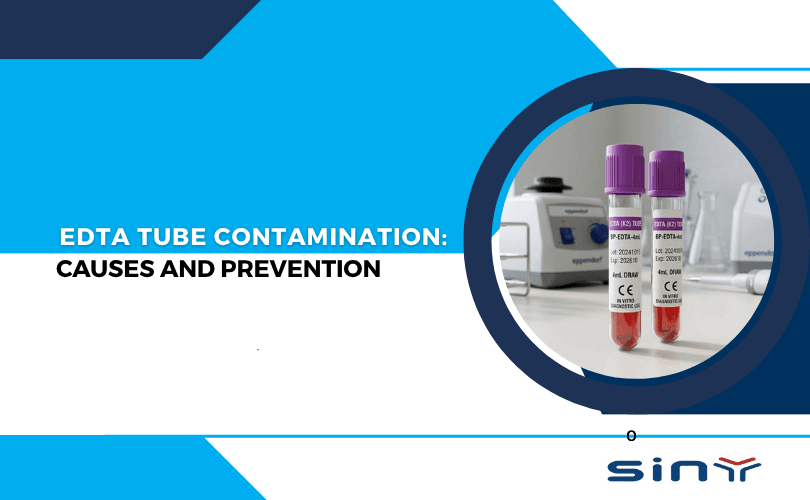
Modern laboratories depend heavily on accurate blood collection systems. Even a small handling mistake can affect diagnostic results and delay proper treatment. Among all pre-analytical laboratory issues, EDTA Tube Contamination remains one of the most common and serious problems.
Blood samples pass through multiple stages before testing begins. During that process, contamination can occur because of improper collection order, incorrect handling, poor storage conditions, or technician error. When contamination happens, laboratory values may become inaccurate, leading to misleading medical reports.
Healthcare professionals increasingly focus on reducing pre-analytical errors because laboratory data influences many clinical decisions. A contaminated blood sample can force laboratories to repeat testing, waste resources, and create unnecessary stress for patients.
High-quality blood collection products also play an important role in reducing contamination risks. The official EDTA Tube website provides detailed information about modern EDTA blood collection systems designed for professional laboratory environments.
What Is an EDTA Tube?
An EDTA tube is a blood collection tube that contains ethylenediaminetetraacetic acid, commonly known as EDTA. This anticoagulant prevents blood from clotting by binding calcium ions inside the sample.
Because EDTA preserves blood cell structure effectively, laboratories widely use these tubes for hematology testing, complete blood counts, molecular diagnostics, and DNA analysis.
Today, hospitals and diagnostic centers rely on EDTA tubes because they maintain sample stability during transportation and laboratory processing. Laboratories that need professional-grade collection products often review the EDTA Tube Product Collection before selecting supplies.
For beginners who want a broader understanding of tube functionality, the guide on Top Benefits of Using EDTA Tubes explains their clinical importance in more detail.
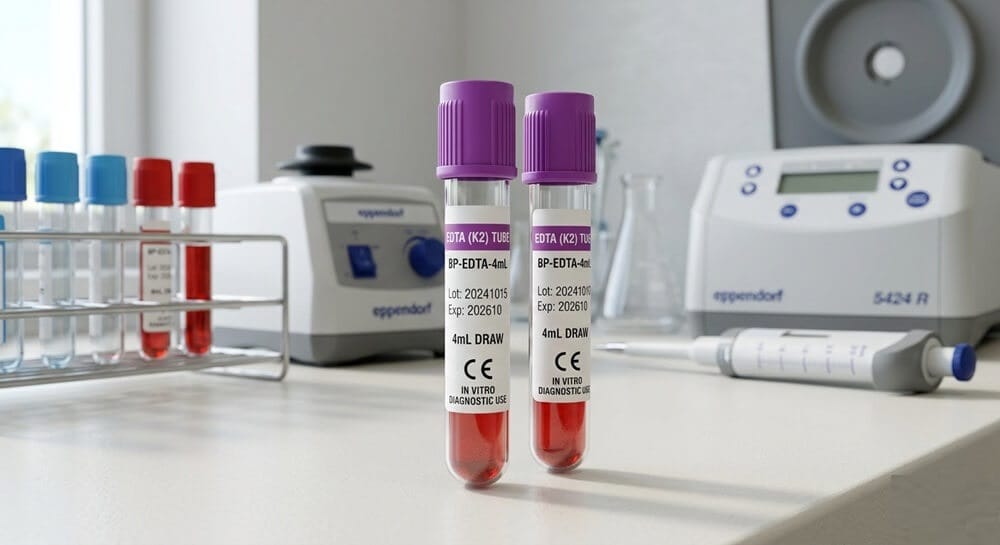
EDTA Tube Contamination
EDTA Tube Contamination occurs when EDTA anticoagulant accidentally transfers into another blood sample or interferes with laboratory testing procedures.
This problem often develops during phlebotomy rather than during laboratory analysis itself. Even very small amounts of contamination can alter test values significantly. Potassium, calcium, magnesium, and iron measurements are especially vulnerable.
In many cases, contaminated samples appear normal visually. However, laboratory analyzers quickly detect abnormal chemical patterns that suggest additive carryover.
Because laboratory medicine depends heavily on precision, contamination creates serious reliability concerns.
Why EDTA Tube Contamination Matters
Laboratory reports guide physicians during diagnosis and treatment planning. When contamination changes blood chemistry values, doctors may make decisions based on inaccurate information.
One common example involves potassium levels. Since many EDTA tubes contain potassium salts, contamination often causes falsely elevated potassium readings. A patient may appear to have severe electrolyte imbalance even when potassium levels are actually normal.
Similarly, calcium values frequently drop in contaminated samples because EDTA binds calcium aggressively.
These testing errors can result in:
- unnecessary repeat testing
- delayed diagnosis
- additional patient discomfort
- incorrect treatment decisions
- increased laboratory costs
Preventing EDTA Tube Contamination therefore improves both laboratory efficiency and patient safety.
The Most Causes of EDTA Tube Contamination
Incorrect Order of Draw
Improper collection order remains the leading cause of EDTA Tube Contamination worldwide.
During blood collection, phlebotomists follow a standardized order known as the “order of draw.” This sequence prevents additives from transferring between tubes.
If EDTA tubes are filled before serum or chemistry tubes, anticoagulant carryover may contaminate later samples. Even trace contamination can affect biochemical testing accuracy.
Proper training significantly reduces this risk.
Backflow During Blood Collection
Backflow occurs when blood or additives move backward inside the collection system during venipuncture.
This problem sometimes develops when patients raise or lower their arms improperly during collection. Vacuum instability may also contribute.
Although backflow events are usually small, they still increase the risk of EDTA Tube Contamination.
Poor Mixing Technique
After collection, EDTA tubes require gentle inversion to distribute anticoagulant evenly. Some technicians shake tubes aggressively, which damages blood cells and destabilizes the sample.
On the other hand, inadequate mixing may allow clot formation.
Laboratories that follow proper handling protocols experience fewer contamination-related testing problems. The article on `explains correct mixing techniques clearly.
Expired Blood Collection Tubes
Tube expiration dates matter more than many people realize.
Older tubes may lose vacuum strength or additive stability over time. As a result, laboratories face greater contamination and reliability risks.
Healthcare facilities should always rotate inventory carefully and inspect packaging before use. The detailed EDTA Tube Expiration and Shelf Life Guide provides additional storage recommendations.
Improper Sample Handling
Blood samples often move through multiple departments before analysis begins. Poor labeling, accidental tube switching, or unsafe transportation methods increase contamination risk significantly.
Busy laboratories sometimes experience handling errors during peak operating hours. For this reason, quality control systems remain essential.
How EDTA Tube Contamination Affects Laboratory Results
The effects of contamination can appear subtle at first. However, laboratory analyzers often detect unusual patterns quickly.
The most common indicator involves elevated potassium levels combined with unusually low calcium results. This pattern strongly suggests EDTA carryover contamination.
Magnesium and iron measurements may also become inaccurate.
When these abnormal findings appear together, laboratories frequently repeat testing to confirm sample integrity.
The Role of Plastic EDTA Tubes in Contamination Prevention
Modern laboratories increasingly prefer plastic EDTA tubes over traditional glass tubes.
Plastic tubes offer several advantages that indirectly help reduce contamination risks. They resist breakage better during transportation and improve workplace safety for laboratory staff.
Manufacturers also produce modern PET plastic tubes with highly consistent vacuum performance.
The detailed article about PET Plastic in EDTA Tubes explains why many laboratories now prefer plastic systems for routine blood collection.
Laboratories comparing different tube materials may also find the guide on Glass and Plastic EDTA Tubes helpful.
Choosing the Right Tube Size Matters
Tube size affects additive balance and blood-to-anticoagulant ratio. Incorrect fill volumes sometimes contribute to unstable samples and inaccurate results.
Different testing environments require different tube capacities. Small pediatric collections may need lower-volume tubes, while large diagnostic panels require higher-capacity systems.
Healthcare professionals can review detailed sizing information through: Choosing Between 2ml, 3ml, 4ml, and 5ml EDTA Tubes
Proper Storage Reduces Contamination Risk
Storage conditions directly influence blood collection tube performance.
Heat, moisture, and direct sunlight may damage additives or weaken vacuum stability over time. Laboratories should always store EDTA tubes in controlled environments with stable temperature conditions.
Proper organization also helps prevent accidental misuse of expired tubes.
The guide on Proper Handling and Storage of EDTA Tubes provides detailed recommendations for long-term storage safety.
EDTA Tubes in DNA and Molecular Testing
Molecular laboratories depend heavily on EDTA tubes because they preserve nucleic acids effectively.
DNA testing requires stable, contamination-free samples. Even small collection errors may interfere with sequencing accuracy or PCR amplification.
Laboratories involved in genetic analysis should therefore apply especially strict contamination prevention protocols.
Additional information appears in Can EDTA Tubes Be Used for DNA Testing?.
Why Laboratory Training Is So Important
Many contamination events happen because staff members skip basic collection procedures during busy shifts.
Continuous training improves:
- collection accuracy
- handling consistency
- patient safety
- sample quality
- laboratory efficiency
Experienced phlebotomists understand how small procedural mistakes can create major testing problems later.
Laboratories that prioritize education usually experience lower rejection rates and better analytical accuracy.
Future Trends in Blood Collection Technology
The blood collection industry continues evolving rapidly. Manufacturers now focus on developing safer, smarter, and more stable collection systems.
Modern innovations include improved vacuum consistency, advanced additive coatings, and better contamination prevention designs.
The article on Future of EDTA Blood Collection Tubes 2026 discusses upcoming trends shaping the next generation of laboratory products.
Healthcare providers searching for modern blood collection solutions also explore professional manufacturing resources such as Siny Medical EDTA Tubes and Siny Medical Manufacturing Platform.
Educational product demonstrations are available through the Siny Medical YouTube Channel.
Summary
EDTA Tube Contamination remains one of the most important pre-analytical challenges in laboratory medicine. Even tiny contamination events can alter potassium, calcium, magnesium, and iron measurements significantly.
Fortunately, most contamination problems are preventable with proper collection order, careful handling, correct storage conditions, and regular staff training.
As laboratory technology improves, modern EDTA tube systems continue helping healthcare professionals reduce analytical errors and improve patient safety.
Healthcare facilities looking for advanced blood collection products can explore EDTA Tube Products or contact the technical support team through Contact Us.
FAQs
Q: What is the most common cause of EDTA Tube Contamination?
A: The most common cause of EDTA Tube Contamination is collecting blood tubes in the wrong order during venipuncture procedures. Improper order of draw allows anticoagulant carryover between samples.
Q: Can EDTA Tube Contamination affect potassium test results?
A: Yes. EDTA Tube Contamination often causes falsely elevated potassium levels because many EDTA anticoagulants contain potassium salts that interfere with chemistry analysis.
Q: Why does EDTA Tube Contamination lower calcium readings?
A: EDTA binds calcium strongly inside the blood sample. Because of this reaction, EDTA Tube Contamination frequently produces artificially low calcium results during laboratory testing.
Q: Are plastic tubes better for reducing EDTA Tube Contamination?
A: Modern plastic tubes improve handling safety and vacuum consistency. While they do not eliminate EDTA Tube Contamination completely, they help laboratories reduce several common handling risks.
Q: How can laboratories prevent EDTA Tube Contamination?
A: Laboratories can minimize EDTA Tube Contamination by following the correct order of draw, storing tubes properly, training staff regularly, and using reliable blood collection systems.
Q: Does expired equipment increase EDTA Tube Contamination risk?
A: Yes. Expired or poorly stored tubes may lose additive stability over time, increasing the possibility of EDTA Tube Contamination and inaccurate laboratory results.