Modern laboratories depend on precision. A small mistake during blood collection can affect an entire diagnostic process. That is why healthcare professionals pay close attention to the quality of EDTA Blood Tubes used in hospitals, clinics, and diagnostic laboratories.
These tubes may look simple, yet they perform an essential role in preserving blood samples for testing. Whether a laboratory conducts complete blood counts, DNA analysis, or transfusion testing, the reliability of the blood collection tube directly influences the accuracy of the final report.
Many laboratories now invest in medical-grade EDTA Blood Tubes because poor-quality tubes can lead to clotting, contamination, inaccurate readings, or damaged blood cells. In high-volume healthcare environments, even minor collection issues can create delays and increase costs.
This guide explains the top five features professionals should consider before selecting EDTA blood collection tubes. It also explores why quality matters in laboratory medicine and how the right tube improves testing performance and patient safety.
What Are EDTA Blood Tubes?
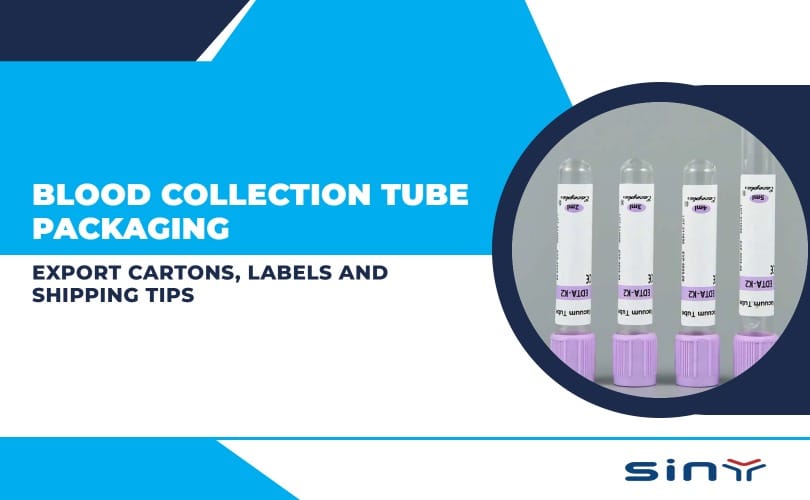
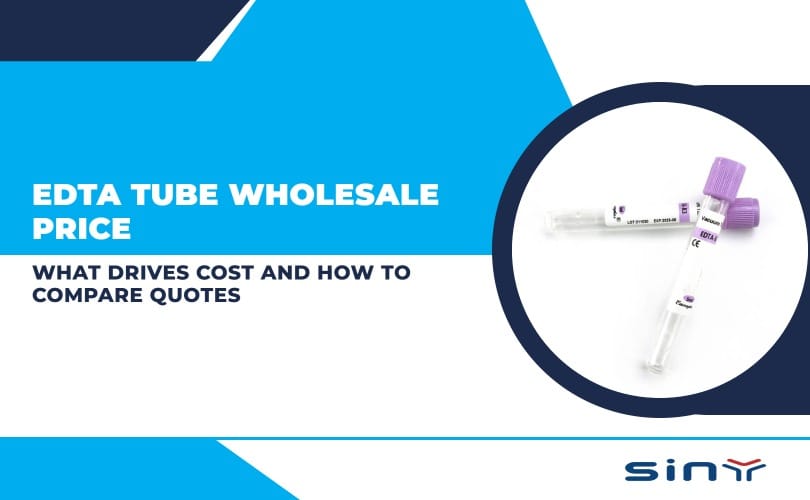
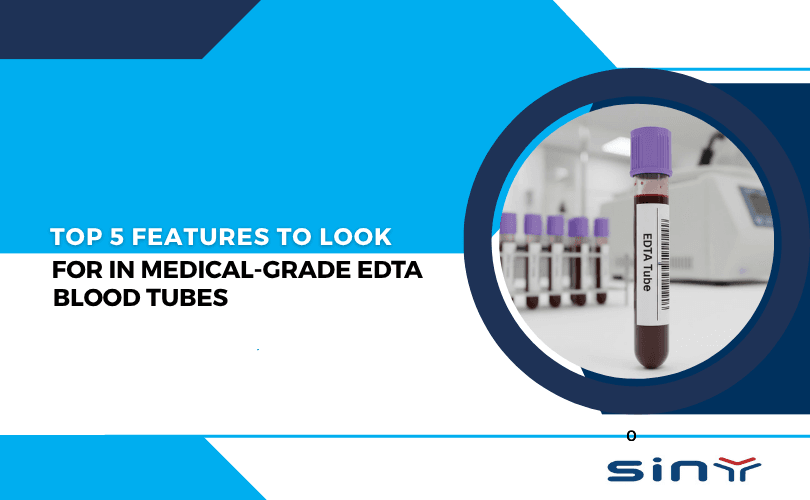
EDTA Blood Tubes are specialized laboratory tubes designed to prevent blood clotting after collection. They contain EDTA, also called ethylenediaminetetraacetic acid, which works as an anticoagulant.
The additive binds calcium in the blood sample. Since calcium is necessary for clot formation, the blood remains stable during transportation and testing.
Healthcare providers use these tubes in many laboratory procedures. Hematology departments rely on them for complete blood counts because they preserve blood cell structure very effectively. Molecular laboratories also use them for DNA testing and genetic analysis.
Most medical facilities choose EDTA tubes because they maintain specimen quality longer than many other blood collection systems.
Laboratories looking for different collection options often explore the products available at EDTA Tube Product Collection.

Why Tube Quality Matters in Modern Laboratories
Laboratory medicine depends on accurate specimens. Even advanced analyzers cannot produce reliable results if the original sample becomes damaged during collection or storage.
Low-quality EDTA Blood Tubes sometimes create serious problems. Poor vacuum control may lead to incorrect blood volume. Weak sealing systems may expose samples to contamination. Inconsistent anticoagulant coatings may allow small clots to form inside the specimen.
Each of these issues can affect patient diagnosis.
According to the World Health Organization, laboratory testing accuracy remains one of the most important factors in safe healthcare decision-making. Reliable specimen collection is a major part of that process.
Medical-grade blood tubes help laboratories reduce errors and maintain better consistency across thousands of daily tests.
Feature 1: Consistent Anticoagulant Performance
One of the most important features in medical-grade EDTA Blood Tubes is the quality of the anticoagulant coating inside the tube.
The EDTA additive prevents blood clotting immediately after collection. However, the way manufacturers apply this additive makes a major difference in laboratory performance.
High-quality tubes distribute the anticoagulant evenly across the inner wall. This allows the blood to mix properly after collection. Stable mixing protects blood cells and reduces clot formation.
Lower-quality tubes sometimes contain uneven additive distribution. In those cases, tiny clots may develop inside the sample. Even microscopic clots can interfere with automated analyzers and create inaccurate hematology reports.
Many laboratories now prefer spray-dried K2 EDTA coatings because they preserve cell morphology more effectively than liquid additives.
Healthcare professionals who want to understand additive selection in greater detail often read How to Choose the Right EDTA Tube for Your Lab.
K2 EDTA and K3 EDTA Differences
Medical laboratories generally use either K2 EDTA or K3 EDTA tubes. Both types prevent clotting, but they offer slightly different characteristics.
| Feature | K2 EDTA | K3 EDTA |
|---|---|---|
| Additive Form | Spray-dried | Liquid |
| Cell Preservation | Excellent | Very Good |
| Common Laboratory Use | Automated analyzers | Routine testing |
| Sample Stability | High | Stable |
Most automated hematology systems favor K2 EDTA because it produces more consistent blood cell preservation.
Feature 2: Accurate Vacuum Pressure
Vacuum performance is another critical factor in medical-grade EDTA Blood Tubes.
The vacuum inside the tube controls how much blood enters during collection. If the vacuum pressure is inaccurate, the blood-to-additive ratio may become unbalanced.
This imbalance can affect test accuracy.
Underfilled tubes may contain too much anticoagulant compared to the blood volume. Overfilled tubes may not contain enough additive to prevent clotting properly.
Reliable manufacturers carefully calibrate vacuum pressure to ensure consistent specimen collection.
This becomes especially important in high-volume laboratories where thousands of samples move through automated analyzers every day.
Healthcare professionals often select different tube sizes depending on laboratory requirements. Resources like EDTA Tube Sizes Explained help laboratories choose the proper collection volume.
Why Proper Fill Volume Improves Accuracy
Blood sample quality depends heavily on proper fill levels.
If too little blood enters the tube, the EDTA concentration becomes too strong. This can alter red blood cell size and affect platelet measurements.
On the other hand, excessive blood volume may reduce anticoagulant effectiveness. Small clots can then develop inside the specimen.
These problems may lead to repeated testing, delayed diagnosis, or rejected samples.
That is why laboratories prioritize tubes with reliable vacuum systems and strict manufacturing standards.
Feature 3: Strong Tube Material and Secure Cap Design
Medical laboratories handle blood specimens constantly. Tubes travel through transportation systems, centrifuges, refrigerators, and storage units every day.
Because of this, durability matters.
Medical-grade EDTA Blood Tubes are commonly manufactured from PET plastic or glass. Today, most laboratories prefer PET plastic because it resists breakage and improves transportation safety.
Strong tube material helps protect:
- Sample integrity
- Healthcare workers
- Laboratory equipment
- Storage stability
Cap design also plays a major role.
A poor sealing system may allow leakage during transportation or centrifugation. Leakage creates contamination risks and may expose healthcare staff to biohazard materials.
Reliable cap systems maintain specimen security while allowing easy access during testing.
Laboratories can improve specimen stability further by following the recommendations in Proper Handling and Storage of EDTA Tubes.
Feature 4: Clear Labeling and Identification
Specimen identification errors remain a serious issue in healthcare systems worldwide.
Even an excellent blood sample becomes useless if laboratory staff cannot identify it correctly.
Medical-grade EDTA Blood Tubes should provide clear labeling areas that support:
- Barcode systems
- Patient identification
- Sample tracking
- Laboratory workflow management
Most EDTA tubes use lavender or purple caps to help healthcare professionals identify them quickly during collection.
Clear graduation markings also help phlebotomists confirm accurate fill volume.
Hospitals increasingly rely on automated tracking systems, so high-quality labeling compatibility has become more important than ever.
Laboratory staff looking for proper handling instructions can also review How to Use an EDTA Tube.
Feature 5: Long Shelf Life and Sterile Manufacturing
Shelf stability directly affects laboratory efficiency.
Medical-grade EDTA Blood Tubes should maintain vacuum integrity and additive performance throughout their usable life.
Poor-quality tubes may lose vacuum pressure during storage. This creates collection failures and increases product waste.
Reliable manufacturers use controlled production environments and strict quality testing to ensure long-term stability.
Sterile manufacturing reduces contamination risk while improving laboratory safety.
Healthcare providers should always monitor expiration dates carefully because expired tubes may no longer perform correctly.
More information about storage conditions and expiration management is available at EDTA Blood Collection Tubes Expiration Shelf Life Guide.
The Growing Importance of EDTA Blood Tubes in Healthcare
Laboratory testing demand continues to increase every year. Hospitals process millions of blood samples daily for diagnosis, monitoring, and disease prevention.
Because of this growth, the global market for EDTA Blood Tubes continues expanding rapidly.
Healthcare providers depend on these tubes for:
- Hematology testing
- Transfusion medicine
- Infection diagnosis
- Oncology monitoring
- Genetic analysis
According to the Centers for Disease Control and Prevention, accurate specimen collection remains one of the most important steps in reducing laboratory testing errors.
Modern healthcare systems now prioritize high-quality collection devices to improve reliability and patient safety.
EDTA Blood Tubes and DNA Testing
Many people associate EDTA tubes only with routine blood tests. However, they also play a major role in molecular diagnostics and genetic research.
DNA laboratories often choose EDTA tubes because they preserve nucleic acid stability during storage and transportation.
This makes them useful for:
- Genetic screening
- Forensic analysis
- Molecular diagnostics
- Research laboratories
Additional details about molecular applications are available in Can EDTA Tubes Be Used for DNA Testing.
Choosing the Right Tube Size for Laboratory Efficiency
Tube size selection may seem minor, but it affects workflow efficiency and patient comfort.
Pediatric patients usually require smaller collection volumes, while larger diagnostic panels may need bigger tubes.
Choosing the correct size helps laboratories:
- Reduce specimen waste
- Improve patient comfort
- Maintain proper additive balance
- Increase workflow efficiency
Helpful sizing resources include:
Future Trends in EDTA Blood Collection Technology
Blood collection technology continues evolving alongside laboratory automation.
Manufacturers now focus on improving:
- Tube sterility
- Vacuum precision
- Eco-friendly materials
- Smart labeling systems
- Analyzer compatibility
Automation is changing laboratory workflows rapidly. As testing systems become faster and more connected, blood collection products must also meet higher performance standards.
Industry developments are discussed in Future of EDTA Blood Collection Tubes 2026.
Healthcare professionals also review products from manufacturers such as Siny Medical EDTA Tubes for advanced blood collection solutions.
Additional educational resources are available through the Siny Medical YouTube Channel and Siny Medical Manufacturer Profile.
How Laboratories Select Reliable EDTA Blood Tubes
Most laboratories evaluate several factors before choosing a supplier.
They typically compare:
- Manufacturing quality
- Product certifications
- Vacuum consistency
- Packaging reliability
- Storage stability
- Compatibility with analyzers
High-quality suppliers usually provide strict quality control documentation and detailed product specifications.
Summary
Choosing high-quality EDTA Blood Tubes is essential for accurate diagnostics, safe specimen handling, and efficient laboratory operations. Medical-grade tubes provide reliable anticoagulant performance, precise vacuum pressure, secure sealing systems, and long-term sample stability.
As healthcare technology continues advancing, laboratories increasingly depend on premium blood collection systems to reduce testing errors and improve patient care.
To explore more about EDTA blood collection products and laboratory solutions, visit EDTA Tube Official Website. Laboratories looking for broader product options can explore EDTA Tube Main Product Page or contact the company directly through EDTA Tube Contact Page.
FAQs
Q: What are EDTA Blood Tubes mainly used for?
A: EDTA Blood Tubes are mainly used for hematology testing, complete blood counts, DNA analysis, and blood typing because they prevent blood clotting effectively.
Q: Why do laboratories prefer EDTA Blood Tubes?
A: Laboratories prefer EDTA Blood Tubes because they preserve blood cell structure and maintain sample stability during testing.
Q: Can EDTA Blood Tubes be used for genetic testing?
A: Yes. Many molecular laboratories use EDTA Blood Tubes for DNA and genetic testing because they protect nucleic acid quality.
Q: How long do EDTA Blood Tubes remain usable?
A: Most EDTA Blood Tubes remain effective until the manufacturer’s expiration date if stored under proper conditions.
Q: What color cap is used for EDTA Blood Tubes?
A: Most EDTA Blood Tubes use lavender or purple caps for easy laboratory identification.
Q: Why is vacuum pressure important in EDTA Blood Tubes?
A: Vacuum pressure ensures the correct blood-to-additive ratio inside EDTA Blood Tubes, which helps maintain accurate laboratory results.