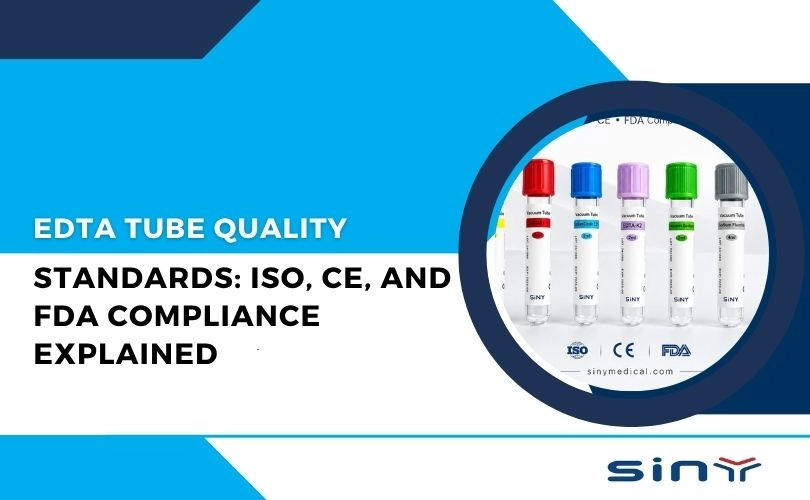
Clinical diagnostics, EDTA tubes play a critical role in ensuring accurate blood test results. These tubes, coated with Ethylenediaminetetraacetic acid (EDTA), prevent clotting and preserve blood samples for hematology, oncology, and molecular testing. However, not all EDTA tubes are created equal. The EDTA tube quality standards—including ISO certification, CE marking, and FDA compliance—determine whether a tube is safe, reliable, and globally accepted.
For laboratories, hospitals, and research centers, understanding these standards is essential. This article explores the EDTA tube quality standards in detail, explains how ISO, CE, and FDA certifications differ, and highlights why compliance matters for patient safety and diagnostic accuracy.
What Are EDTA Tubes?
EDTA tubes are specialized blood collection tubes widely used in clinical laboratories and hospitals. They contain Ethylenediaminetetraacetic acid (EDTA), an anticoagulant that prevents blood from clotting by binding calcium ions. This ensures that blood samples remain stable and suitable for hematology tests such as complete blood counts (CBC), platelet analysis, and molecular diagnostics.
The importance of EDTA tubes lies in their ability to preserve the cellular integrity of blood samples. Without proper anticoagulation, red and white blood cells could degrade, leading to inaccurate test results. That’s why EDTA tube quality standards—including ISO certification, CE marking, and FDA compliance—are critical for laboratories worldwide.
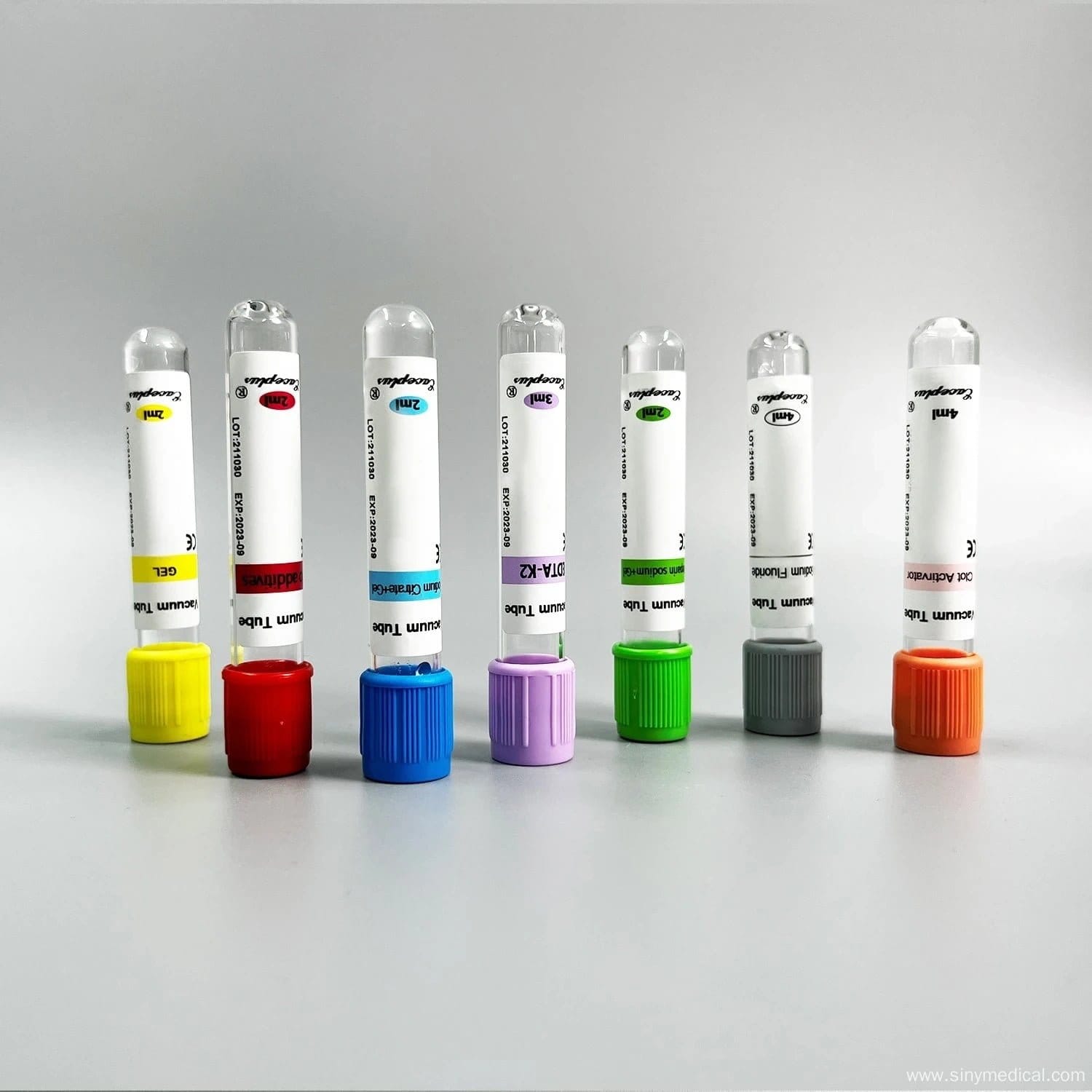
Different tube sizes are available, ranging from 2ml to 10ml, each designed for specific diagnostic needs. For example, oncology labs often rely on larger tubes to collect sufficient samples for DNA and RNA testing. To explore available options, you can check the EDTA tube product category and learn more about EDTA tubes for blood collection in oncology diagnostics.
Why Quality Standards Matter
Quality standards are the backbone of reliable medical diagnostics. When it comes to blood collection, EDTA tubes must meet strict international certifications to guarantee accuracy and patient safety. Without proper compliance, laboratories risk sample contamination, hemolysis, or inaccurate test results that could compromise patient care.
The EDTA tube quality standards—including ISO certification, CE marking, and FDA compliance—ensure that every tube is manufactured under controlled conditions, sterile, and biocompatible. These certifications also provide global recognition, allowing hospitals and labs to confidently use tubes across different regions. For example, ISO 13485 focuses on medical device quality management, while CE marking is mandatory for European markets, and FDA approval is essential in the United States.
By adhering to these standards, manufacturers demonstrate their commitment to safety and performance. This not only protects patients but also supports laboratories in maintaining credibility and compliance with regulatory authorities. To explore certified options, visit the EDTA tube product category or learn more about Siny EDTA tubes quality standards.
ISO Certification for EDTA Tubes
What is ISO Certification?
The International Organization for Standardization (ISO) sets global benchmarks for product quality and safety. For EDTA tubes, ISO certification guarantees:
- Consistent manufacturing processes
- Sterility and biocompatibility
- Traceability of raw materials
Relevant ISO Standards for EDTA Tubes
- ISO 13485: Quality management system for medical devices
- ISO 10993: Biological evaluation of medical devices
- ISO 6710: Requirements for single-use containers for human venous blood specimen collection
Manufacturers like Siny Medical adhere to these standards to ensure global acceptance.
CE Marking for EDTA Tubes
What is CE Marking?
The CE mark indicates compliance with European Union (EU) health, safety, and environmental standards. For EDTA tubes, CE marking means:
- Approved for sale in the European Economic Area (EEA)
- Tested for safety and performance
- Manufactured under strict EU regulations
Why CE Marking Matters
Hospitals and labs in Europe require CE-marked tubes to comply with EU directives. Without CE certification, EDTA tubes cannot be legally marketed in Europe.
Learn more about certified tubes at Siny EDTA tubes quality standards.
FDA Compliance for EDTA Tubes
What is FDA Compliance?
The U.S. Food and Drug Administration (FDA) regulates medical devices in the United States. FDA compliance ensures that EDTA tubes:
- Meet strict safety and efficacy standards
- Are manufactured in FDA-registered facilities
- Pass rigorous clinical validation
Why FDA Approval is Crucial
FDA-approved EDTA tubes are trusted by U.S. hospitals and labs. They guarantee reliability in critical diagnostics such as oncology and hematology.
For oncology-specific tubes, see EDTA tubes for blood collection in oncology diagnostics.
Comparison of ISO, CE, and FDA Standards
| Standard | Region | Focus | Importance |
|---|---|---|---|
| ISO Certification | Global | Quality management & safety | Ensures international acceptance |
| CE Marking | Europe | Health, safety, environment | Required for EU market |
| FDA Compliance | USA | Safety & efficacy | Mandatory for U.S. hospitals |
EDTA Tube Sizes and Standards
EDTA tubes come in multiple sizes, typically ranging from 2ml to 10ml, each designed for specific diagnostic purposes. Smaller tubes, such as 2ml or 3ml, are often used for pediatric or limited sample collections, while larger tubes like 5ml and 10ml are preferred in oncology and molecular testing where more blood volume is required. Choosing the correct size ensures accurate test results and prevents sample wastage.
Quality standards also apply to tube sizes, ensuring that every tube—regardless of capacity—meets ISO, CE, and FDA compliance. This guarantees sterility, biocompatibility, and consistency across all sizes. For a detailed breakdown, explore the EDTA tube sizes explained guide or compare options in the EDTA tube product category.
Global Manufacturers and Compliance
Global manufacturers play a vital role in ensuring that EDTA tubes meet international quality standards. Leading companies such as Siny Medical produce ISO-certified, CE-marked, and FDA-compliant tubes that are trusted by hospitals and laboratories worldwide. These certifications guarantee sterility, biocompatibility, and consistent performance across different regions.
Compliance with these standards allows manufacturers to distribute EDTA tubes globally, supporting accurate diagnostics in hematology, oncology, and molecular biology. Laboratories benefit from knowing that their tubes meet strict international regulations, reducing risks of contamination or inaccurate results.
Summary
EDTA tube quality standards—including ISO certification, CE marking, and FDA compliance—are essential for ensuring safe, sterile, and reliable blood collection. These standards protect patients, guarantee accurate diagnostics, and allow laboratories to meet international regulations. Choosing the right tube size, whether 2ml, 5ml, or 10ml, also plays a crucial role in test accuracy and efficiency.
Healthcare providers and laboratories should always source tubes from trusted manufacturers who meet these global standards. For certified options, explore the EDTA tube product page and reach out directly through the contact us page for inquiries or bulk orders. By prioritizing compliance and quality, you ensure both patient safety and diagnostic reliability.
FAQs
Q: What are EDTA tube quality standards?
A: EDTA tube quality standards are international certifications (ISO, CE, FDA) that ensure tubes are safe, sterile, and reliable for blood collection.
Q: Why is ISO certification important for EDTA tubes?
A: ISO certification ensures EDTA tubes meet global quality benchmarks, making them suitable for international use.
Q: Can I use non-CE marked EDTA tubes in Europe?
A: No. CE marking is mandatory for EDTA tubes sold in Europe, ensuring compliance with EU regulations.
Q: What does FDA compliance mean for EDTA tubes?
A: FDA compliance means EDTA tubes are approved for use in U.S. hospitals and labs, guaranteeing safety and accuracy.
Q: Which EDTA tube size should I choose?
A: Tube size depends on the test. For guidance, see the EDTA tube size guide.