Modern diagnostic laboratories depend on speed, accuracy, and consistent specimen quality. Every blood sample begins its journey before it reaches an analyzer. The collection tube is one of the first pieces of that journey.
That is why Single-Use Tubes are Non-Negotiable in modern diagnostics. A blood collection tube does more than hold a specimen. Its material, additive, sterility, vacuum, closure, and volume can all influence the quality of the sample.
For hospitals, diagnostic centers, clinics, and laboratories, using a new tube for each patient helps control contamination risks and supports standardized specimen collection. The World Health Organization also identifies sterile, single-use blood-sampling devices as part of recommended infection-control practice during phlebotomy. This article explains why single-use blood collection tubes matter, how they support diagnostic accuracy, and why laboratories should treat them as essential consumables rather than optional supplies.
Why Single-Use Tubes Are Non-Negotiable for Patient Safety

Blood is a biological specimen. Once collected, it can contain infectious organisms and other biological material. Reusing a container introduces an avoidable contamination concern. The WHO notes that every step of blood collection can create risks for patients and healthcare workers. It also emphasizes that contaminated specimens can contribute to incorrect diagnoses.
A single-use tube creates a clean collection environment for each specimen. The laboratory does not need to depend on a previous cleaning process to make the container suitable for another patient.
This is one of the strongest reasons Single-Use Tubes are Non-Negotiable in routine diagnostic workflows. The principle is simple: One patient. One specimen. One appropriate collection tube. That approach supports infection control while also reducing uncertainty during specimen handling.
Single-Use Tubes Are Non-Negotiable for Specimen Integrity
Patient safety is only part of the issue. Diagnostic accuracy also depends on specimen integrity. A blood collection tube has a specific purpose. An EDTA tube is designed for specimens where anticoagulation and preservation of blood cells matter. A serum tube follows a different preparation process. A citrate tube has its own requirements for coagulation testing.
Using the wrong container can affect the specimen before the analyzer even receives it. The Clinical and Laboratory Standards Institute explains that blood collection tubes have defined requirements for materials, construction, labeling, and additives. Its guidance covers tubes used for serum, plasma, and whole-blood testing.
Therefore, the tube should be considered part of the diagnostic system. For laboratories looking for different blood collection solutions, the EDTA Tube product range provides a useful starting point for understanding available tube formats.
What Makes a Blood Collection Tube Single-Use?
A single-use blood collection tube is manufactured, packaged, and supplied for one specimen collection. Depending on its design, it may include a vacuum, anticoagulant, clot activator, separator gel, or another additive. The tube is normally sealed until it is ready for collection. After the specimen has been collected and processed, the tube is discarded according to the facility’s applicable biomedical-waste procedures.
This model provides several important advantages. The tube starts clean. The additive concentration is controlled during manufacturing. The tube’s intended fill volume is defined. The closure is designed for its intended collection system. The laboratory can follow a consistent workflow. These features are especially important because preanalytical variables can affect laboratory results. CLSI’s current venous blood collection guidance, PRE02, provides standardized procedures for diagnostic venous blood specimen collection.
Why Single-Use Tubes Are Non-Negotiable in EDTA Blood Collection
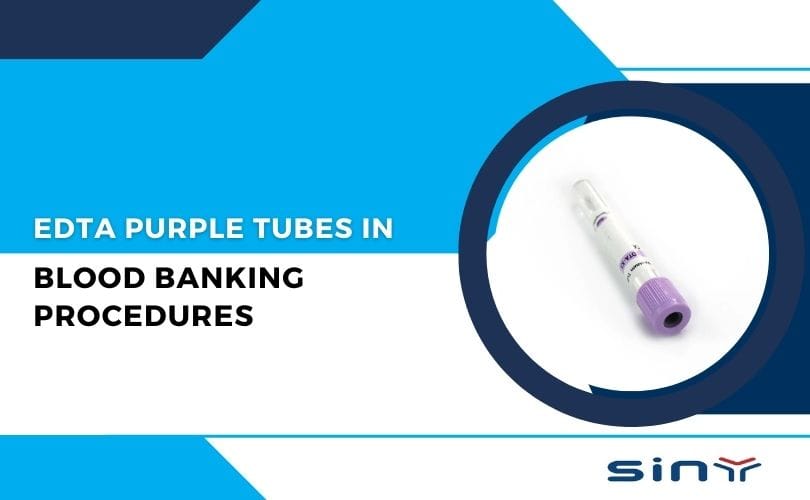
EDTA tubes are widely used in hematology because EDTA prevents coagulation by binding calcium. The choice of tube therefore matters. The additive must interact with the blood sample in a controlled way. The tube also needs to provide the appropriate specimen volume for the intended test.
For example, EDTA blood collection tubes are commonly associated with tests such as complete blood counts and other hematology applications.
If you want to understand the technical role of EDTA plasma collection, see this detailed guide on EDTA plasma separator tubes.
The key point is that an EDTA tube is not simply an empty container. It is a specimen-collection device engineered around a specific additive and intended laboratory workflow. That is another reason Single-Use Tubes are Non-Negotiable.
K2 EDTA and K3 EDTA Tubes
K2 EDTA and K3 EDTA are two commonly encountered forms of EDTA used in blood collection tubes. Their performance can vary with tube design, additive formulation, concentration, and application. Laboratories should therefore select tubes according to validated procedures and the requirements of the intended testing system.
CLSI guidance emphasizes the importance of validating and verifying blood collection devices for their intended clinical performance.
For additional background, laboratories can compare serum separator tubes and EDTA tubes to see why different specimen types require different tube designs.
Reusing Tubes Creates Unnecessary Variables
At first glance, reusing a tube might seem economical. In a modern diagnostic environment, however, the apparent saving can create additional risks and process complications.
A reusable container would require reliable cleaning, decontamination, inspection, drying, and quality verification. The laboratory would also need to demonstrate that the process does not leave residues or alter the next specimen.
Single-use tubes avoid that entire reuse cycle. Instead, the manufacturer supplies a tube that is intended for a defined application. The laboratory then follows its validated collection and disposal procedures. This approach supports consistency. It also makes staff training easier because the workflow remains straightforward.
Single-Use vs Reusable Collection Containers
| Factor | Single-use blood collection tube | Reusable container |
|---|---|---|
| Patient-to-patient use | New tube for each specimen | Requires validated reprocessing |
| Contamination control | Stronger process control | Depends on reprocessing |
| Additive consistency | Manufacturer-controlled | May be difficult to maintain |
| Workflow | Simple and standardized | Requires additional procedures |
| Quality verification | Product-based | Reprocessing-based |
| Specimen traceability | Easier | Potentially more complex |
| Routine diagnostic use | Standard approach | Generally unsuitable for routine blood collection |
The table highlights an important distinction. Single-use does not merely mean “disposable.” It means the collection process can begin with a tube specifically manufactured for that use.
Single-Use Tubes Are Non-Negotiable for Preventing Cross-Contamination
Cross-contamination can compromise both safety and laboratory reliability. A blood collection tube comes into direct contact with the specimen. If a container were reused without adequate processing, residual material from a previous specimen could potentially affect the next sample.
That is unacceptable in diagnostic testing. The WHO’s phlebotomy guidance specifically recommends single-use blood-sampling devices as part of infection-control practice.
This principle extends beyond EDTA tubes. It applies to many types of blood collection devices used in clinical workflows. For laboratories, preventing contamination is usually much easier than trying to investigate its source later.
The Tube Can Influence Diagnostic Accuracy
Laboratory errors do not always occur inside the analyzer. The testing process begins during the preanalytical phase. Patient identification, tube selection, specimen collection, mixing, transport, storage, and processing can all influence the final result.
CLSI PRE04 explains that specimen handling and processing involve multiple variables between collection and examination. The guideline specifically considers factors such as collection tubes, additives, temperature, centrifugation, and processing conditions.
This makes the collection tube an important part of laboratory quality management. A high-quality tube cannot correct every collection mistake. However, an appropriate and consistent tube gives laboratory staff a controlled starting point. That matters.
Correct Tube Volume Matters
Blood collection tubes come in different capacities. The right volume depends on the test requirements, collection method, and laboratory procedure. EDTA tubes may be available in sizes ranging from small-volume tubes to larger tubes used when more specimen is required.
Our EDTA tube size guide from 2 mL to 10 mL explains the differences between common capacities. Selecting the correct tube helps laboratories avoid unnecessary blood collection and supports appropriate blood-to-additive relationships.
For a more specific comparison, see 10 mL EDTA tubes vs. 5 mL tubes. The smallest tube is not automatically the best tube. Likewise, a larger tube is not automatically better. The appropriate size depends on the testing workflow.
Why Underfilling Can Matter
Some blood collection tubes depend on a specific blood-to-additive ratio. This is particularly important for certain coagulation tubes, but proper filling and collection technique also matter across laboratory workflows. The tube manufacturer should provide the intended fill volume and application. Laboratory staff should follow validated collection procedures rather than guessing the appropriate volume.
For EDTA testing, tube selection should match the laboratory’s established method and specimen requirements. You can also review what size EDTA tube to use: 3 mL, 5 mL, or 10 mL for a practical overview.
Single-Use Tubes Are Non-Negotiable for Standardized Workflows
Modern laboratories process large numbers of specimens. Consistency becomes increasingly important as specimen volumes increase.
Imagine two collection teams using different types of containers. One uses a 3 mL tube, while another uses a 10 mL tube without a clear reason. One uses K2 EDTA, while another uses a different additive formulation. Even if the analyzers are identical, the preanalytical workflow is no longer standardized. A controlled single-use tube policy helps laboratories establish consistent procedures.
This is particularly valuable for hospitals with multiple collection stations or diagnostic networks with several locations. A standardized tube policy can help with:
Staff training Inventory control Specimen identification Collection procedures Transport procedures Quality assurance Supplier qualification Standardization does not eliminate every laboratory error. It does, however, reduce unnecessary variation.
Color Coding Helps Staff Select the Correct Tube
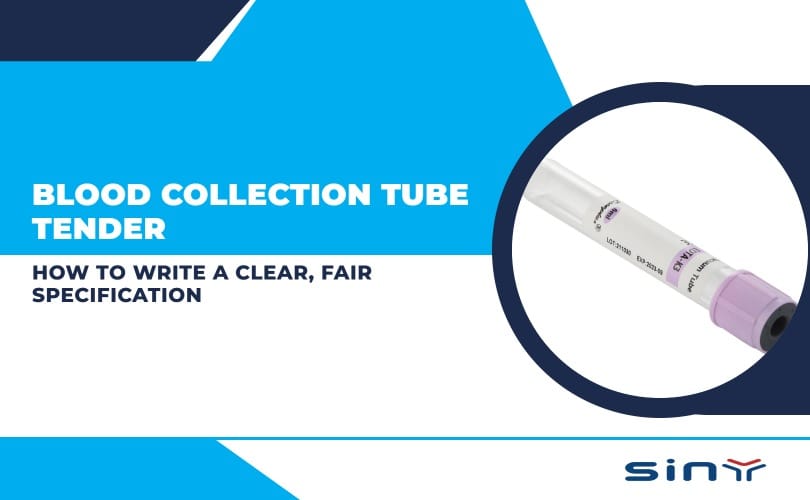
Blood collection tubes often use standardized cap colors to identify additive types. Purple or lavender tops are commonly associated with EDTA tubes. Other colors may indicate citrate, heparin, serum, glucose-related additives, or other formulations.
Color coding is useful because it allows staff to identify the tube category quickly. However, color should never replace label verification.
Laboratories should always confirm the additive, tube specification, expiration date, and intended test requirements according to their procedures.
A color-coded tube is a visual aid. The printed label and manufacturer’s specifications provide more complete information.
Single-Use Tubes Are Non-Negotiable in High-Volume Laboratories
High-volume diagnostic laboratories need predictable supply chains. A shortage of appropriate collection tubes can disrupt phlebotomy services. It can also force staff to change established workflows or delay testing. For this reason, procurement teams should consider tube supply as part of laboratory continuity planning.
The EDTA Tube collection can help buyers review available options before establishing purchasing specifications. The procurement process should consider more than unit price.
Tube quality, manufacturing consistency, packaging, sterility where applicable, compatibility, documentation, storage requirements, and supplier reliability all deserve attention. A cheaper tube that creates repeated specimen problems may cost more over time.
Manufacturing Quality Matters
Single-use status alone does not guarantee quality. A diagnostic tube should meet the specifications required for its intended application.
Manufacturers should control dimensions, materials, additives, closures, packaging, and production processes. Quality systems also need to support consistency from batch to batch.
CLSI GP39 addresses materials, manufacturing, and labeling requirements for venous and capillary blood collection tubes and additives.
For buyers researching manufacturers, Siny Medical’s EDTA tube information provides an example of how suppliers describe tube materials, volumes, additive types, and applications.
Siny Medical also lists EDTA tubes in different volumes and formats, illustrating why laboratories need to match tube specifications with their own testing requirements.
These supplier pages should be treated as product information rather than a substitute for a laboratory’s own validation and regulatory requirements.
Sterility and Packaging Protect the Collection Process
Packaging is another important part of single-use design. A tube can only provide the intended collection environment if its packaging protects the product during transportation and storage. Laboratories should therefore check:
- Packaging integrity
- Expiration date
- Lot or batch information
- Storage requirements
- Product labeling
- Sterility claims where applicable
- Applicable quality documentation
The exact requirements depend on the product and jurisdiction. A damaged or expired tube should not be treated as equivalent to a properly stored, in-date product.
Single-Use Tubes Support Traceability
Traceability is essential in modern healthcare. A tube’s packaging may carry lot information that helps a laboratory investigate problems when they occur.
Suppose several specimens from the same batch show an unexpected issue. A documented lot number can help quality teams identify whether the specimens share a common collection product.
This does not mean every problem originates from the tube. Laboratory investigations should consider the entire testing pathway. Still, traceable consumables make those investigations more manageable.
CLSI’s patient and specimen identification guidance emphasizes accurate identification, labeling, handling, and transport throughout the laboratory workflow.
Choosing the Right Single-Use Tube
Selecting a tube should begin with the test, not the price. First, determine what specimen type the laboratory needs: whole blood, plasma, serum, or another defined specimen. Next, identify the appropriate additive. Then confirm the required volume and tube dimensions.
Finally, verify compatibility with the collection system, centrifuge, analyzer, and laboratory procedure. For EDTA tubes, laboratories should also consider whether the application calls for K2 EDTA, K3 EDTA, a microcollection format, or another validated configuration. The EDTA tube size comparison guide can help explain common volume choices.
Single-Use Tubes and Pediatric Blood Collection
Pediatric and neonatal collections present special challenges because clinicians often need to obtain diagnostic information from smaller blood volumes.
Microcollection tubes can support these workflows when the product is appropriate for the intended test.
CLSI GP42 includes requirements for single-use disposable devices used to collect, process, and transfer capillary blood specimens.
The important consideration is not simply choosing the smallest tube. Instead, the laboratory should select a validated collection device that matches the required specimen volume and test method. This helps reduce unnecessary blood loss while maintaining specimen quality.
Why Single-Use Tubes Are Non-Negotiable for Laboratory Efficiency
Efficiency is often measured by turnaround time. However, true efficiency also means avoiding preventable repeat collections.
If a specimen becomes unsuitable because of collection or handling problems, the patient may need another blood draw.
That creates additional work for: Patients Phlebotomists Nurses Laboratory staff Clinicians Specimen transport teams A consistent single-use tube system can help reduce avoidable variation at the collection stage. The goal is simple: collect the right specimen correctly the first time.
Single-Use Does Not Mean “One Tube Fits Every Test”
This distinction matters. A single-use tube is not a universal container. Different tests require different specimen types and additives. An EDTA tube should not replace a citrate tube for a coagulation application simply because both are single-use products. Likewise, a serum separator tube is not interchangeable with an EDTA tube.
Laboratories should follow their test-specific requirements and validated procedures. If you are comparing plasma and whole-blood applications, this guide on plasma vs. whole blood and EDTA plasma tubes provides additional background.
Environmental Concerns and Responsible Disposal
Some people question whether disposable medical products create unnecessary waste. The concern is understandable. However, infection control and specimen integrity remain fundamental requirements in clinical diagnostics.
The appropriate response is not to reuse blood collection tubes. Instead, healthcare organizations can focus on responsible procurement, efficient inventory management, appropriate packaging, waste segregation, and compliant disposal.
Manufacturers can also contribute through material selection, packaging optimization, and production efficiency. The objective should be safer diagnostics with responsible resource management.
How Laboratories Can Improve Single-Use Tube Management
A strong tube-management program begins with clear specifications. The laboratory should define which tube types are required for each major test category. Procurement teams can then purchase products that meet those specifications.
Staff training should cover tube identification, order of draw where applicable, correct filling, mixing requirements, labeling, transport, and disposal.
Inventory teams should monitor expiration dates and storage conditions. Quality managers should investigate recurring specimen problems rather than assuming that every issue comes from collection technique. Together, these practices create a more reliable preanalytical workflow.
What to Look for When Buying Single-Use EDTA Tubes
A laboratory or distributor evaluating EDTA tubes should review the complete product specification.
Important considerations include tube material, nominal volume, additive type, closure system, dimensions, sterilization or cleanliness claims, packaging configuration, expiration period, labeling, and relevant quality documentation.
The supplier should also provide clear information about intended use.
For example, Siny Medical lists EDTA tube options in multiple sizes and describes applications such as hematology and blood typing.
For purchasing questions or customized requirements, laboratories can also contact EDTA Tube directly.
Single-Use Tubes Are Non-Negotiable: A Practical Comparison
| Requirement | Single-use tube | Reused tube |
|---|---|---|
| New collection environment | Yes | No |
| Patient-specific specimen container | Yes | Potentially no |
| Reprocessing required | No | Yes |
| Additive supplied by manufacturer | Yes, when applicable | Not necessarily |
| Routine blood collection suitability | Yes, when correctly specified | Generally unsuitable |
| Workflow standardization | Strong | More complex |
| Cross-contamination control | Supports control | More dependent on reprocessing |
| Traceability | Lot-based product traceability | More difficult to manage |
Summary
single-use tubes are non-negotiable. They safeguard patient health, ensure accuracy, comply with global standards, and streamline laboratory operations. From EDTA tubes to specialized plasma separators, the future of diagnostics depends on adopting single-use solutions.
Laboratories that embrace this standard not only protect patients but also position themselves as leaders in diagnostic excellence. For more information, explore EDTA Tube’s product catalog or contact us directly.
FAQs
Why are single-use tubes non-negotiable in diagnostics?
Single-use tubes are non-negotiable because they ensure sterility, prevent contamination, and guarantee accurate diagnostic results.
How do EDTA tubes improve diagnostic accuracy?
EDTA tubes prevent clotting, making them ideal for hematology and molecular biology. This is why single-use tubes are non-negotiable in these fields.
Are reusable tubes still used in laboratories?
Reusable tubes are largely phased out due to contamination risks. Modern labs recognize that single-use tubes are non-negotiable for compliance and safety.
What sizes of EDTA tubes are available?
EDTA tubes range from 2ml to 10ml. Choosing the right size is crucial, and resources like EDTA tube size guides explain why single-use tubes are non-negotiable for accurate sampling.
Do single-use tubes reduce costs?
Yes. While the upfront cost may seem higher, single-use tubes eliminate sterilization expenses, proving that single-use tubes are non-negotiable for cost efficiency.