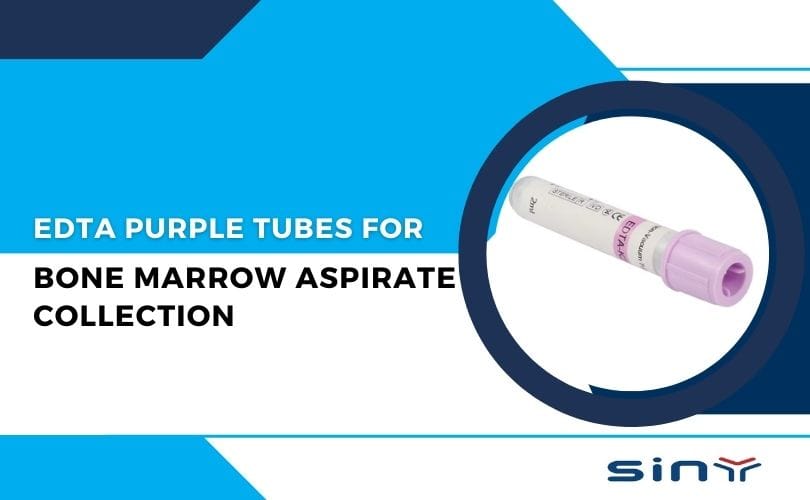
Bone marrow aspiration is a vital diagnostic procedure used to evaluate blood cell production, detect diseases, and monitor treatment progress. EDTA purple tubes play a significant role in ensuring the integrity of bone marrow samples during collection and processing. This blog will explore the use of EDTA purple tubes in bone marrow aspirate collection, the procedure itself, and related costs for pets like cats and dogs.
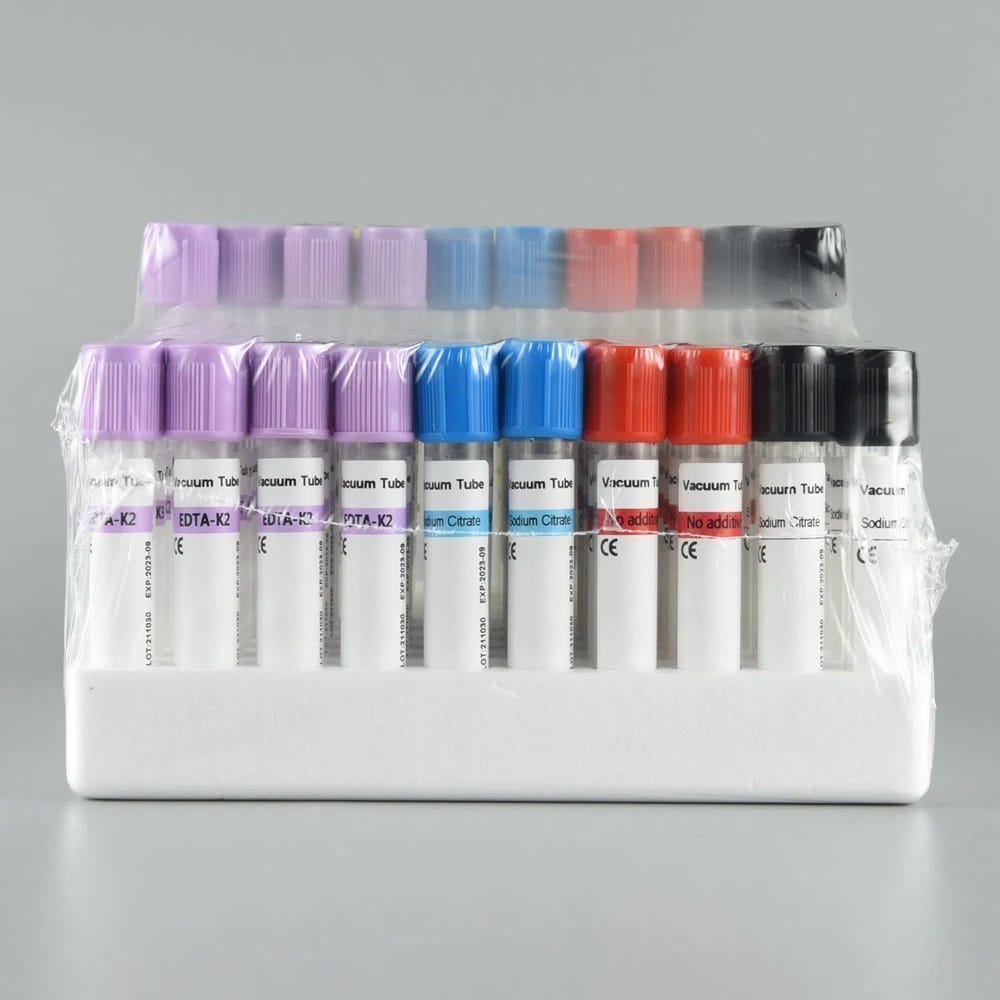
What Are EDTA Purple Tubes?
EDTA Purple Tubes are sterile blood collection tubes coated with Ethylenediaminetetraacetic acid (EDTA), a compound that binds calcium and prevents coagulation. They are widely used in hematology, CBC tests, and bone marrow aspirate processing.
Products like the Purple Top Blood Collection Tube are designed specifically for laboratories requiring reliable anticoagulation.
EDTA tubes are part of the internationally recognized vacutainer family of tubes used in medical diagnostics, explained in sources like:
Wikipedia – Vacutainer
The Role of EDTA Purple Tubes in Bone Marrow Aspirate Collection
Bone marrow aspirate collection involves extracting a small amount of liquid bone marrow for analysis. EDTA purple tubes are essential for this process because they:
- Prevent Clotting: EDTA ensures the sample remains in a liquid state, which is crucial for accurate analysis.
- Preserve Cell Integrity: The anticoagulant maintains the structure of cells, allowing for precise microscopic examination.
- Facilitate Testing: EDTA-treated samples are compatible with various hematological tests, including complete blood counts (CBC) and flow cytometry.
For a deeper understanding of how EDTA tubes work in blood banking procedures, check out EDTA Purple Tubes in Blood Banking Procedures.
Technique of Bone Marrow Collection
The bone marrow aspiration procedure is performed by a trained healthcare professional or veterinarian. Here’s a step-by-step overview:
- Preparation: The patient is positioned appropriately, and the aspiration site is sterilized. Common sites include the iliac crest (hip bone) in humans and the femur or humerus in animals.
- Anesthesia: Local anesthesia is administered to minimize discomfort.
- Insertion: A specialized needle is inserted into the bone marrow cavity.
- Aspiration: A syringe is used to draw out a small amount of liquid bone marrow.
- Collection: The sample is immediately transferred into an EDTA purple tube to prevent clotting.
- Processing: The sample is sent to the lab for analysis.
Bone Marrow Aspiration in Animals: Cats and Dogs
Bone marrow aspiration is also performed on pets to diagnose conditions like anemia, leukemia, and immune disorders.
Cat Bone Marrow Biopsy Cost
The cost of a bone marrow biopsy for cats typically ranges between $500 and $1,000, depending on the veterinary clinic and location.
Bone Marrow Aspiration Dog Cost
For dogs, the procedure costs between $600 and $1,200. Factors influencing the price include the complexity of the case and the need for additional tests.
For affordable and reliable EDTA purple tubes for veterinary use, explore our product category.
Why Choose EDTA Purple Tubes for Bone Marrow Aspiration?
EDTA purple tubes are the gold standard for bone marrow aspirate collection due to their:
- Reliability: They ensure sample integrity and accurate test results.
- Versatility: Suitable for both human and veterinary applications.
- Ease of Use: Designed for seamless sample collection and processing.
Learn more about why EDTA tubes are purple and their significance in Why Are EDTA Tubes Purple?
Understanding Bone Marrow Aspirate Collection
Bone marrow aspirate collection involves withdrawing semi-liquid marrow from specific anatomical sites. The aspirated sample is then placed into EDTA Purple Tubes or used immediately to prepare direct smears.
This procedure is used for:
• Diagnosing hematologic disorders
• Evaluating unexplained anemia or pancytopenia
• Detecting leukemia or lymphoma involvement
• Monitoring marrow response to treatment
• Identifying parasitic or infectious diseases
• Staging cancers
Bone marrow aspiration plays a major role in both human medicine and veterinary settings. Pets such as cats and dogs undergo marrow aspirates when blood abnormalities require deeper investigation.
Technique of Bone Marrow Collection (Step-by-Step)
The bone marrow aspiration procedure requires precision, aseptic technique, and proper handling of collection instruments.
Below is a simplified breakdown:
1. Patient Preparation
Patients are placed in a comfortable and secure position. Local or general anesthesia may be administered, depending on the individual and the species. Cats and dogs often require general anesthesia, while humans usually receive local anesthesia and mild sedation.
2. Selection of Bone Marrow Aspiration Site
The most commonly used locations include:
• Posterior superior iliac spine (humans)
• Sternum (adults, not recommended for children)
• Tibial plateau (infants)
• Femur or humerus (veterinary use)
• Iliac crest (cats and dogs)
Each site offers different levels of accessibility and marrow cellularity.
3. Aspiration Procedure
A specialized aspiration needle is inserted into the marrow cavity. Suction is applied using a syringe, drawing out marrow particles and blood. The aspirate appears reddish due to blood mixing with marrow cells.
Once collected, the sample is transferred into EDTA Purple Tubes, such as those found on:
🔗 EDTATube Products Page
Immediate mixing ensures EDTA coats the sample evenly and prevents clotting.
4. Sample Handling and Laboratory Preparation
After being placed in the EDTA tube, the sample is gently inverted several times. Excessive shaking must be avoided to prevent hemolysis.
Common laboratory preparations include:
• Direct smears
• Concentrated marrow smears
• Particle smears
• Touch imprints
EDTA anticoagulation helps ensure cell morphology remains intact during these processing steps.
5. Cytological Evaluation
A pathologist or veterinary clinician examines the smears under a microscope. Cellular detail, maturation ratios, and abnormal cells are evaluated to reach a diagnosis.
Advantages of EDTA Purple Tubes
EDTA purple tubes are the gold standard for bone marrow aspirate collection due to their:
- Reliability: Ensures sample integrity and accurate test results.
- Versatility: Suitable for both human and veterinary applications.
- Ease of Use: Designed for seamless sample collection and processing.
Learn more about why EDTA tubes are purple and their significance in Why Are EDTA Tubes Purple?.
Preventing Hemolysis in EDTA Purple Tubes
Hemolysis, the breakdown of red blood cells, can compromise sample quality. To prevent hemolysis:
- Avoid excessive force during sample collection.
- Ensure proper mixing of the sample with EDTA.
- Store and transport samples at the recommended temperature.
For tips on preventing hemolysis, read our guide on How to Prevent Hemolysis in EDTA Purple Tubes.
Summary
EDTA purple tubes are indispensable for bone marrow aspirate collection, ensuring sample integrity and accurate diagnostic results. Whether for human or veterinary use, these tubes offer reliability and ease of use. For more information on our products, visit EDTA Tube.
For any inquiries, feel free to contact us.
FAQs
- What is the purpose of EDTA in bone marrow aspirate collection?
EDTA prevents clotting and preserves cell integrity, ensuring accurate test results. - Can EDTA purple tubes be used for animals?
Yes, they are suitable for both human and veterinary applications. - How much does a bone marrow biopsy cost for a dog?
The cost ranges between $600 and $1,200, depending on the clinic and additional tests. - Where can I purchase EDTA purple tubes?
You can find high-quality EDTA purple tubes on our products page.