Today’s fast-paced medical landscape, laboratories are under constant pressure to deliver results that are both accurate and timely. Even the smallest error in blood sample handling can compromise diagnostic outcomes, leading to misinterpretation and delayed treatment. This is why Plasma Separator Tubes (PST) have become indispensable in modern clinical practice. Designed with a thixotropic gel barrier, these tubes ensure that plasma is cleanly separated from cellular components during centrifugation, reducing the risk of contamination and preserving sample integrity.
Plasma plays a vital role in diagnostics because it contains proteins, hormones, electrolytes, and clotting factors that are essential for a wide range of tests. Unlike serum, plasma retains clotting factors, making it particularly useful in coagulation studies and specialized biochemical assays. By using PSTs, laboratories can streamline workflows, minimize pre-analytical errors, and improve overall diagnostic precision.
For a detailed technical overview, you can explore the EDTA Plasma Separator Tubes complete technical guide. Additionally, comparisons such as serum separator tubes vs EDTA tubes highlight why plasma is often the preferred choice in advanced diagnostic settings.
What Are Plasma Separator Tubes?
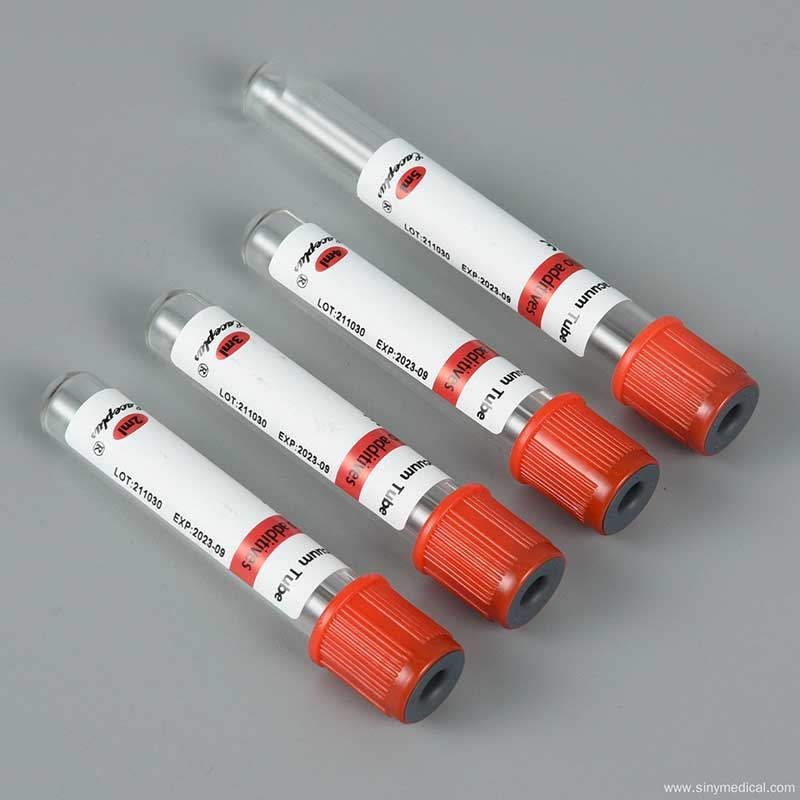
Plasma Separator Tubes (PST) are specialized blood collection devices designed to improve the accuracy and efficiency of laboratory diagnostics. These tubes contain a thixotropic gel that acts as a physical barrier between plasma and cellular components once the sample is centrifuged. This barrier ensures that plasma remains uncontaminated, stable, and ready for testing.
Plasma is the liquid portion of blood that carries proteins, hormones, electrolytes, and clotting factors. Unlike serum, plasma retains clotting factors, making it essential for coagulation studies, biochemical assays, and molecular diagnostics. By using PSTs, laboratories can minimize pre-analytical errors, reduce hemolysis, and streamline workflows. This makes them particularly valuable in high-volume clinical settings where speed and precision are critical.
Compared to traditional EDTA tubes, PSTs offer enhanced reliability by preventing cellular interference. They are widely used in cardiology, endocrinology, oncology, and hematology for tests such as troponin, cortisol, and tumor markers. Their versatility and efficiency make them indispensable in modern laboratories.
For a detailed technical breakdown, you can explore the EDTA Plasma Separator Tubes complete technical guide. Additionally, comparisons such as serum separator tubes vs EDTA tubes highlight the unique advantages of PSTs in diagnostic workflows.
Why Plasma Is Essential in Diagnostics
Plasma is the liquid portion of blood that contains proteins, electrolytes, hormones, and clotting factors. Unlike serum, plasma retains clotting factors, making it indispensable for coagulation studies, biochemical assays, and molecular diagnostics.
Comparisons between serum separator tubes vs EDTA tubes highlight why plasma is often the preferred choice in specialized diagnostic workflows.
How Plasma Separator Tubes Work
- The mechanism of PSTs is simple yet highly effective:
- Blood is collected into the tube.
- Centrifugation separates plasma from blood cells.
- The gel barrier rises to form a protective layer.
- Plasma remains isolated and stable for testing.
- This process minimizes hemolysis and contamination, two common causes of inaccurate laboratory results.
Key Advantages of Plasma Separator Tubes
The use of Plasma Separator Tubes (PST) has transformed laboratory diagnostics by improving accuracy, efficiency, and reliability. Their design ensures that plasma remains uncontaminated, which directly enhances the quality of test results.
Enhanced Diagnostic Accuracy is one of the most important benefits. By preventing cellular contamination, PSTs maintain the stability of plasma analytes. This is particularly critical for sensitive tests such as cardiac biomarkers, liver function panels, and hormone assays, where even minor interference can alter outcomes.
Another major advantage is the Faster Laboratory Workflow. PSTs eliminate the need for manual plasma separation, which saves valuable time in high-volume laboratories. This efficiency translates into quicker turnaround times and improved patient care.
Their Versatility Across Assays makes them suitable for a wide range of diagnostic applications, including immunoassays, molecular diagnostics, and routine chemistry panels. This adaptability ensures laboratories can rely on PSTs for multiple testing needs.
Finally, Reduced Pre-Analytical Errors is a significant benefit. Standardized plasma separation minimizes mistakes during sample preparation, which is one of the leading causes of diagnostic inaccuracies.
For more technical insights, visit the EDTA Plasma Separator Tubes complete technical guide. Comparisons such as serum separator tubes vs EDTA tubes further highlight why PSTs are essential in modern diagnostics.
Plasma Separator Tubes vs Whole Blood Tubes
Whole blood contains red cells, white cells, platelets, and plasma. However, many diagnostic assays require plasma alone. PSTs make this separation efficient and reliable.
For a detailed comparison, see Plasma vs Whole Blood: What an EDTA Plasma Tube Offers.
Choosing the Right Tube Size
Selecting the correct tube size is essential for ensuring accurate plasma collection and efficient laboratory workflows. Plasma Separator Tubes (PST) are available in multiple sizes, typically ranging from 2ml to 10ml, and each size serves a specific diagnostic purpose. Smaller tubes, such as 2ml or 3ml, are often used for pediatric or limited-volume samples, while 5ml tubes are considered the standard choice for routine testing. Larger tubes, such as 10ml, are preferred when multiple assays or high-volume plasma is required.
Using the wrong size can lead to insufficient plasma volume or wasted resources, which may compromise test reliability. Laboratories should carefully evaluate their testing requirements before deciding on tube capacity. For guidance, the EDTA Tube Size Guide (2ml to 10ml) provides detailed insights. Additionally, comparisons such as 10ml EDTA Tubes vs 5ml Tubes and What Size EDTA Tube Should You Use? help laboratories make informed decisions.
Clinical Applications of Plasma Separator Tubes
Plasma Separator Tubes are widely used in:
- Cardiology – Troponin and BNP testing
- Endocrinology – Hormone assays (TSH, cortisol, insulin)
- Hematology – Coagulation studies
- Oncology – Tumor marker detection
- Molecular Diagnostics – PCR-based viral load testing
Their versatility makes them indispensable in modern laboratories.
Comparison Table: PST vs Serum Separator Tubes vs EDTA Tubes
| Tube Type | Separation Method | Retains Clotting Factors | Best Use Cases |
|---|---|---|---|
| Plasma Separator Tubes | Gel barrier + centrifugation | Yes | Coagulation, biochemistry, molecular diagnostics |
| Serum Separator Tubes | Gel barrier + clotting | No | Routine chemistry, immunology |
| EDTA Tubes | Anticoagulant (EDTA) | Yes | Hematology, blood counts |
Summary
Plasma Separator Tubes (PST) have become a cornerstone of modern laboratory diagnostics. Their ability to provide uncontaminated plasma ensures that tests for cardiac biomarkers, liver function, hormones, and molecular assays are both accurate and reliable. By reducing pre-analytical errors and streamlining workflows, PSTs not only improve laboratory efficiency but also enhance patient outcomes.
Choosing the right tube size is equally important, as it guarantees sufficient plasma volume for different assays without compromising sample integrity. Laboratories can explore detailed sizing options through the EDTA Tube Size Guide and comparisons such as 10ml EDTA Tubes vs 5ml Tubes.
For professionals seeking high-quality products, the EDTA Tube Products page provides a comprehensive selection tailored to diverse diagnostic needs. To learn more or request product details, visit the Contact Us page.
FAQs
What are Plasma Separator Tubes used for?
Plasma Separator Tubes (PST) are used to separate plasma from whole blood quickly and efficiently. They contain a gel barrier that prevents contamination, making them ideal for tests such as cardiac biomarkers, hormone assays, and liver function panels.
How do Plasma Separator Tubes differ from serum tubes?
Unlike serum tubes, Plasma Separator Tubes retain clotting factors in the plasma. This makes them particularly useful for coagulation studies and specialized biochemical assays where clotting factors are essential.
Can Plasma Separator Tubes be used in molecular diagnostics?
Yes, Plasma Separator Tubes are widely used in molecular diagnostics, including PCR-based assays. They provide stable plasma free from cellular DNA contamination, ensuring accurate results in genetic and viral load testing.
What tube size is recommended for routine plasma collection?
For routine diagnostics, laboratories often prefer 5ml Plasma Separator Tubes. This size balances sample volume and efficiency, though larger tubes such as 10ml are used when multiple assays require more plasma.
Are Plasma Separator Tubes cost-effective for laboratories?
Yes, while Plasma Separator Tubes may cost slightly more than standard tubes, they reduce pre-analytical errors and minimize the need for retesting. This saves laboratories time and resources, making them cost-effective in the long run.
For more details, you can explore the EDTA Tube Products page or reach out directly via the Contact Us page.