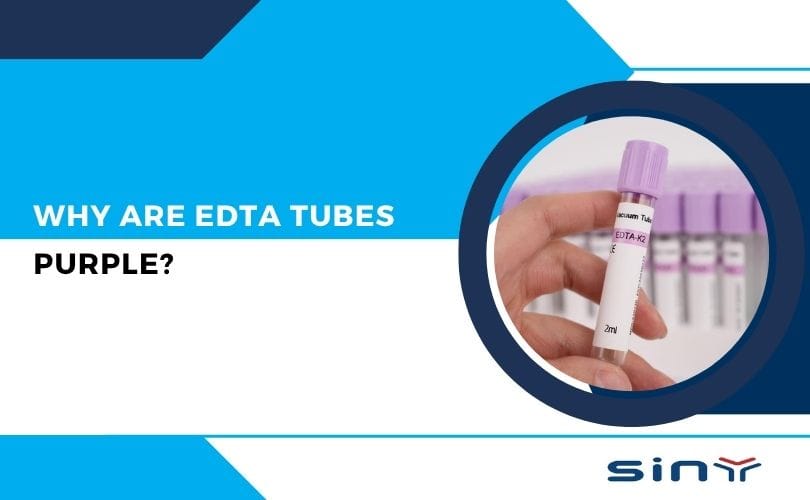
The purple-top EDTA tubes stand out due to their distinctive color. But have you ever wondered why these tubes are purple? In this blog, we’ll delve into the science behind the color, the role of EDTA in blood collection, and why these tubes are essential in medical diagnostics. Whether you’re a medical professional, a student, or just curious, this article will provide you with a comprehensive understanding of EDTA tubes purple.
What Are EDTA Tubes?
EDTA tubes are specialized blood collection tubes that contain the anticoagulant Ethylenediaminetetraacetic acid (EDTA). These tubes are primarily used for hematological tests, as EDTA prevents blood from clotting by binding to calcium ions, which are essential for the coagulation process. The purple-top EDTA tubes are the most commonly used variant, but they come in different sizes, such as the 6ml EDTA tube with purple cap and the 10ml EDTA tube with purple top.
The Science Behind the Purple Color
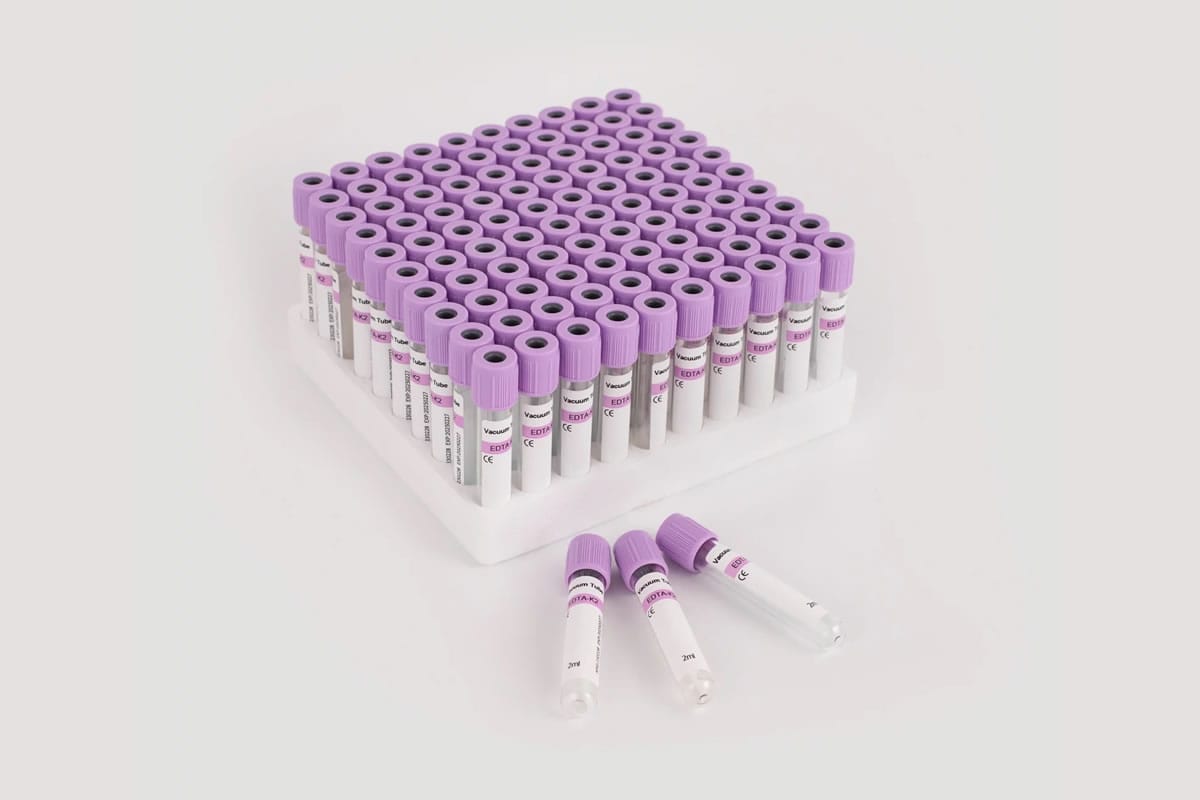
The purple color of EDTA tubes is not just for aesthetics; it serves a critical purpose in medical laboratories. The color coding of blood collection tubes is standardized to help healthcare professionals quickly identify the type of additive inside the tube. The purple top indicates that the tube contains EDTA, which is essential for specific tests like complete blood counts (CBC), blood typing, and molecular diagnostics.
The purple color is achieved by adding a dye to the tube’s cap during manufacturing. This standardization ensures that medical staff can easily distinguish EDTA tubes from other types, such as red-top tubes (no additive) or green-top tubes (heparin). For more details on the different types of tubes, visit our products page.
Why Is EDTA Used in Blood Collection?
EDTA Tubes Purple is a chelating agent, meaning it binds to metal ions like calcium, magnesium, and iron. In blood collection, EDTA’s primary role is to prevent clotting by binding to calcium ions, which are necessary for the coagulation cascade. This ensures that the blood sample remains in its liquid state, allowing for accurate analysis of blood cells and plasma.
EDTA is particularly useful for hematological tests because it preserves the morphology of blood cells, preventing them from clumping or breaking down. This makes it ideal for tests like CBC, which require an accurate count and analysis of red blood cells, white blood cells, and platelets. To explore our range of EDTA tubes, check out our EDTA tubes for blood collection.
Applications of Purple-Top EDTA Tubes
Purple-top EDTA tubes are indispensable in various medical and diagnostic applications. Here are some of the key uses:
- Complete Blood Count (CBC): This test measures the number and types of blood cells, providing crucial information about a patient’s overall health.
- Blood Typing: EDTA tubes are used to determine a patient’s blood group and Rh factor, which is essential for blood transfusions.
- Molecular Diagnostics: EDTA-preserved blood samples are often used for DNA and RNA extraction in genetic testing.
- Research and Development: These tubes are widely used in medical research to study blood-related diseases and develop new treatments.
For more information on the specific uses of EDTA tubes, visit our purple-top blood collection tube .
How to Use EDTA Tubes Correctly
Using EDTA tubes correctly is crucial to ensure accurate test results. Here are some guidelines:
- Proper Mixing: After blood collection, gently invert the tube 8-10 times to ensure thorough mixing of the blood with the EDTA. Avoid vigorous shaking, as it can damage blood cells.
- Correct Fill Volume: Ensure the tube is filled to the recommended volume to maintain the proper blood-to-EDTA ratio.
- Timely Processing: Process the blood sample within the recommended time frame to avoid degradation of cells or clotting.
- Storage: Store EDTA tubes at the appropriate temperature, usually between 2-8°C, to preserve the sample’s integrity.
For a detailed guide on using EDTA tubes, refer to our EDTA tubes for blood collection.
Manufacturing Standards & Global Compliance
The purple color isn’t just a suggestion—it’s a worldwide standard that ensures safety and accuracy across borders.
Medical labs worldwide follow CLSI (Clinical and Laboratory Standards Institute) and WHO guidelines, which mandate purple caps for EDTA tubes. Any deviation can result in misidentification, leading to diagnostic errors.
High-quality suppliers like EDTATube.com strictly follow these standards. That’s why they’re a preferred source for clinics and labs globally.
Storage, Handling & Shelf Life
Storage Temperature: Room temperature (15–25°C)
Avoid Moisture: Always store in a dry area
Shelf Life: Usually 18–24 months depending on manufacturer
Transportation: Should avoid excessive heat or freezing
Proper handling is essential. If a tube is expired or improperly stored, the EDTA might not function correctly, which could compromise the blood sample.
Summary
EDTA tubes purple are an essential tool in modern medical diagnostics and research. Their distinctive color serves as a standardized indicator of the presence of EDTA, an anticoagulant that prevents blood clotting and preserves cell morphology. These tubes are widely used for hematological tests, blood typing, and molecular diagnostics, making them indispensable in healthcare settings. Proper usage and storage of EDTA tubes are crucial to ensure accurate test results.
For more information on EDTA tubes and their applications, visit our EDTA Tube website. If you have any questions or need assistance, feel free to contact us. For additional resources, check out our YouTube channel at Sinymedical.
FAQs
Why is EDTA used in blood collection?
Because it preserves the blood in its natural, unclotted state and maintains the structure of blood cells for accurate testing.
What tests use purple top EDTA tubes?
Mostly hematology tests like CBC, ESR, reticulocyte counts, and molecular diagnostics.
Can EDTA tubes be reused?
No. EDTA tubes are single-use only to prevent contamination and ensure test accuracy.
Is there a difference between K2EDTA and K3EDTA?
Yes, K2 is spray-dried and preferred for molecular tests; K3 is in liquid form and slightly dilutes the sample.
Why not use a red or green cap for these tests?
Because those contain different additives. Red has no anticoagulant, and green contains heparin, which interferes with hematology tests.
Are all purple tubes the same across brands?
Not necessarily. Always check specs like volume and additive type. Reputable brands like EDTATube.com clearly list these on each product.