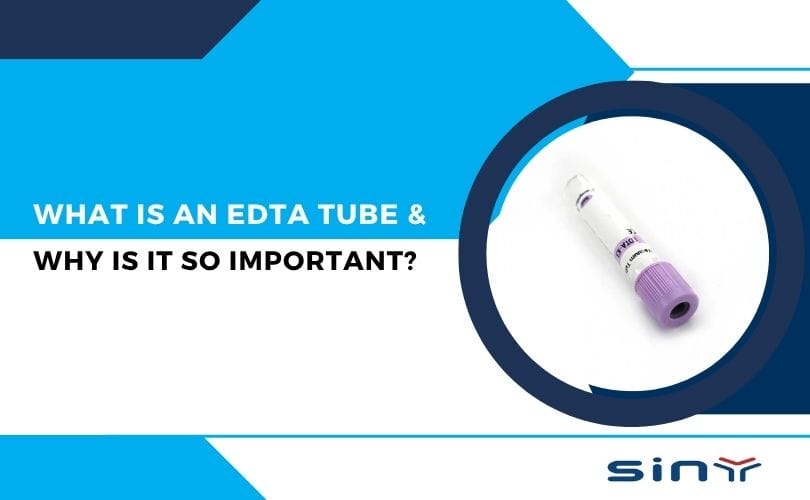
EDTA Tubes are an indispensable tool in the medical diagnostic world, silently ensuring that laboratory results are precise, safe, and reliable. Understanding why EDTA tubes are so important not only empowers medical professionals but also helps patients recognize the pivotal role these seemingly simple devices play in health management. In this detailed guide, we will explore everything about EDTA tubes—how they work, why they’re crucial, and how they impact clinical outcomes. Whether you’re a healthcare provider, laboratory technician, medical student, or simply a curious mind, this blog is crafted to deliver knowledge that’s both comprehensive and practical.
Understanding the Basics: What is an EDTA Tube?
An EDTA tube is a blood collection tube that contains Ethylenediaminetetraacetic acid (EDTA)—a powerful anticoagulant. Its job? To stop your blood from clotting after it’s drawn, allowing for accurate testing of its components.
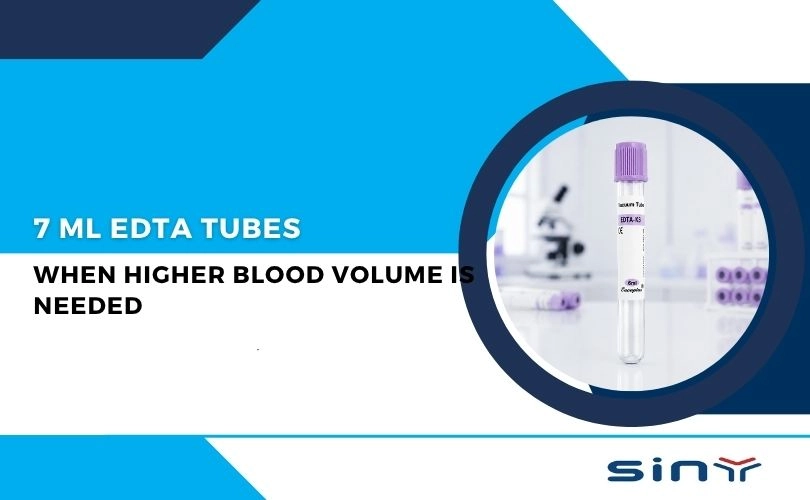
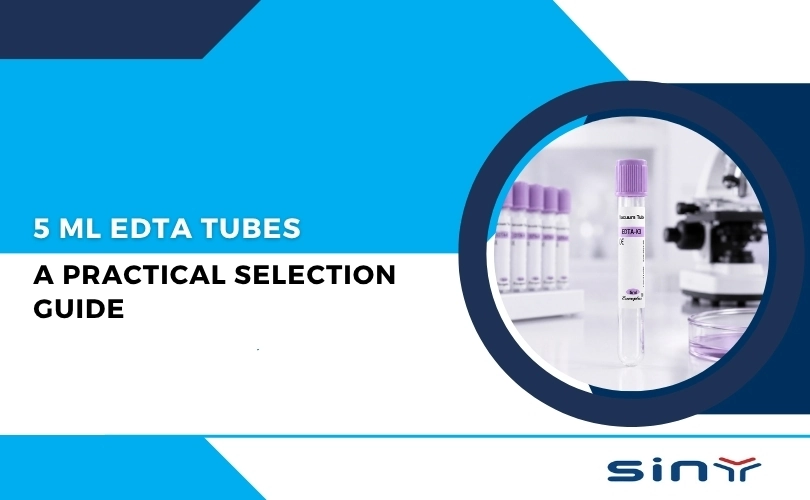
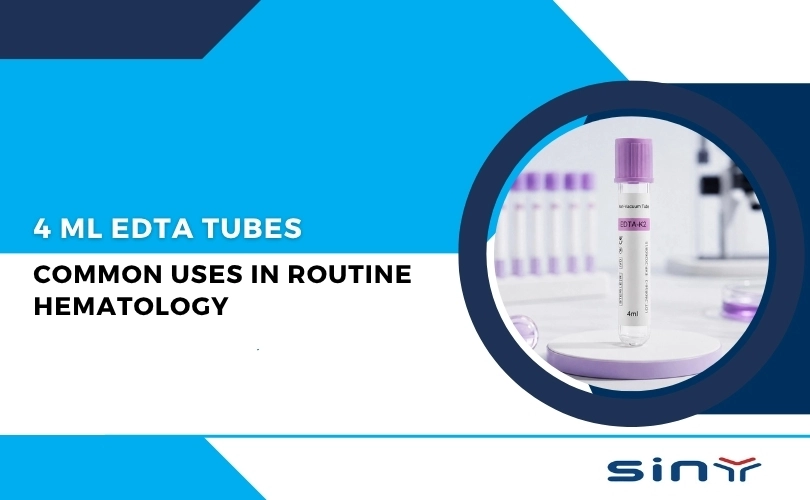
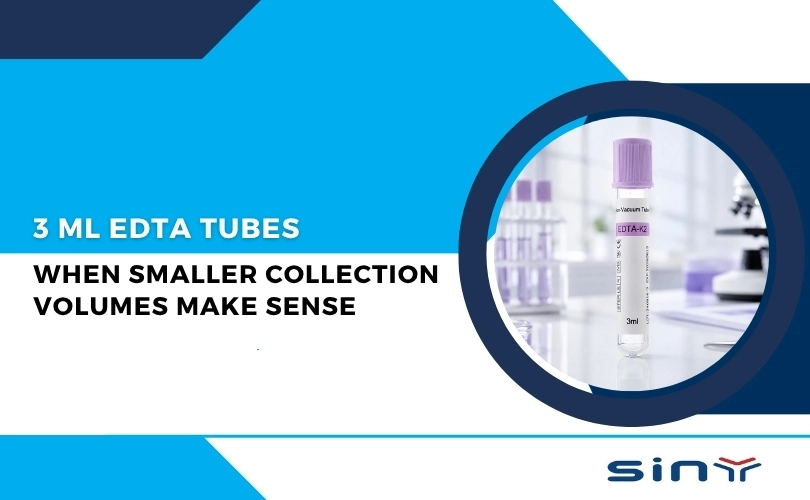
These tubes are easily recognizable by their purple or lavender-colored caps. They’re widely used across medical labs for hematological tests, including complete blood counts (CBC), blood typing, and molecular diagnostics.
Here’s a quick breakdown of what makes them unique:
Anticoagulant Used: EDTA binds with calcium in the blood, effectively halting the clotting process.
Color Code: Lavender or purple cap (standard in most countries).
Primary Use: Hematology – particularly tests involving blood cells.
Material: Often made of glass or PET plastic.
Available Sizes: Typically from 2 mL to 10 mL, depending on testing needs.
For more in-depth specifications, check out the EDTA Tubes for Blood Collection product page.
Why is an EDTA Tube Important?
The importance of EDTA tubes in medical diagnostics cannot be overstated. Here are some key reasons why they are indispensable:
Ensures Accurate Hematology Tests
EDTA tubes are the gold standard for hematology tests, such as CBCs, because they prevent clotting and preserve the morphology of blood cells. This ensures that the results are accurate and reliable, which is essential for diagnosing conditions like anemia, infections, and blood disorders.
Preserves Blood Samples
EDTA tubes are designed to preserve blood samples for extended periods, allowing laboratories to conduct multiple tests on a single sample. This reduces the need for repeated blood draws, which can be uncomfortable for patients.
Prevents Clotting
Clotting can interfere with laboratory tests, leading to inaccurate results. EDTA tubes prevent clotting by binding to calcium ions, ensuring that the blood remains in its liquid form for analysis.
Widely Used in Research
Beyond clinical diagnostics, EDTA tubes are also used in research settings to study blood components and develop new treatments for diseases. Their ability to preserve blood samples makes them invaluable for scientific studies.
Why are EDTA Tubes So Important in Modern Diagnostic Medicine?
The specific attributes of EDTA tubes make them the preferred choice for numerous diagnostic protocols. Below is an in-depth look at their fundamental importance:
Superior Preservation of Cellular Components
EDTA ensures red and white blood cells, as well as platelets, are preserved in their natural shape, size, and quantity. This is critical for tests like the CBC, which provides key insights into a patient’s overall health.
Preventing Clotting for Reliable Analyses
Clot prevention is not just about convenience; it affects the quality and interpretability of results. Clotted samples can cause errors in readings, leading to diagnostic inaccuracies. For high-quality, accurate test results, explore a trusted supplier at Siny Medical EDTA Tubes.
A Versatile Solution for a Wide Range of Laboratory Tests
EDTA tubes support:
Hematology (CBC, WBC counts)
Molecular diagnostics (DNA, RNA preservation)
Blood groupings and cross-matching
Platelet function studies
Details about product versatility are available at EDTA Tubes for Blood Collection.
Applications: When Is an EDTA Tube Used?
EDTA tubes are crucial for any scenario where the integrity of blood cells must be preserved, especially:
Complete Blood Counts (CBC)
White Blood Cell Count and Differential
Blood Smear Preparation
Hemoglobin and Hematocrit Tests
Molecular and Genetic Testing
Experience a full spectrum of EDTA tubes for clinical applications.
Real-World Impact of EDTA Tubes in Healthcare
We often take for granted the little tools behind our big health decisions. But EDTA tubes:
Help detect early-stage cancers
Monitor chronic diseases like diabetes and heart conditions
Ensure safe blood transfusions
Contribute to research breakthroughs in genetics
Without EDTA, many of these crucial processes would be compromised or delayed. That’s why in the world of diagnostics, these small purple-capped tubes carry massive weight.
For a visual walkthrough of EDTA tube manufacturing and handling, check out Siny Medical’s YouTube channel.
Summary
In conclusion, EDTA tubes are an essential tool in modern medical diagnostics and research. Their ability to prevent clotting and preserve blood samples ensures accurate and reliable results, making them indispensable in laboratories worldwide. Whether you’re a healthcare professional, researcher, or patient, understanding the importance of EDTA tubes can help you appreciate the critical role they play in advancing healthcare.
For more information on EDTA tubes and their applications, visit EDTA Tube. If you’re looking to purchase high-quality EDTA tubes, check out our EDTA Tube Collection. For further reading, explore our articles on What is an EDTA Tube? and Why EDTA Tubes are Preferred for WBC Counts.
For additional resources, visit Siny Medical and explore their YouTube channel Siny Medical for informative videos. You can also find their products on Made-in-China.
FAQs
What does EDTA stand for?
EDTA stands for Ethylenediaminetetraacetic Acid, a chelating agent used to bind calcium and prevent blood clotting.
What color cap does an EDTA tube have?
EDTA tubes typically have lavender or purple caps to distinguish them from other tubes.
Can EDTA tubes be reused?
Absolutely not. EDTA tubes are single-use only and must be properly discarded after blood collection.
Are EDTA tubes safe?
Yes, EDTA tubes are completely safe for patients and lab staff when used properly.
Where can I buy high-quality EDTA tubes?
Visit EDTATube.com for a full range of products, including detailed specifications and options.