Modern healthcare, blood collection tubes are far more than simple containers. They are carefully engineered tools designed to preserve blood samples in specific ways, ensuring accurate laboratory analysis. From routine diagnostics to complex disease detection, the type of tube used can directly affect the reliability of test results.
This guide explores blood collection tubes in depth, with a special focus on how EDTA tubes compare to other commonly used tubes. Understanding these differences is essential for laboratory professionals, healthcare providers, and even students entering the medical field.
If you want a broader understanding of EDTA tubes, this complete guide to EDTA tubes is a helpful resource.
What Are Blood Collection Tubes?
Blood collection tubes are sterile vacuum-sealed containers used to collect, transport, and store blood samples. Each tube contains specific additives that stabilize the sample for particular tests.
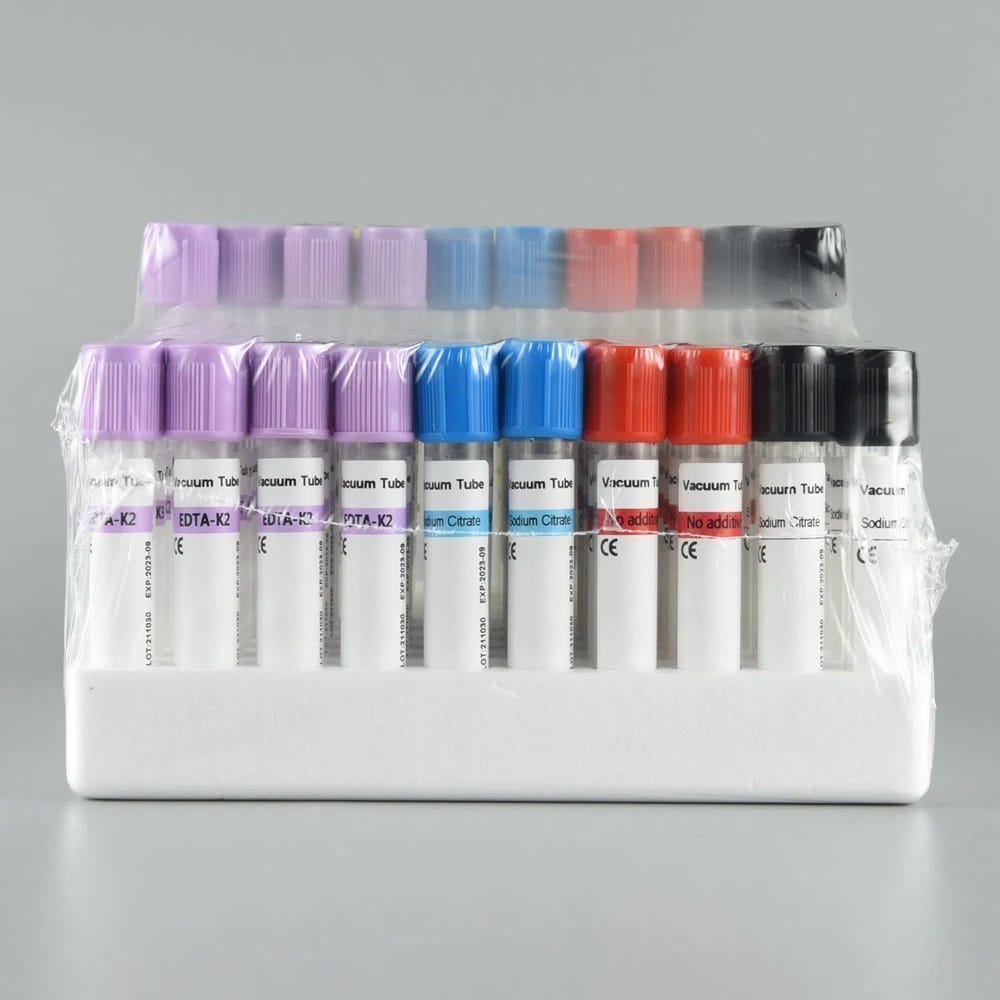
These tubes are color-coded, making it easier for professionals to quickly identify their function. For instance, EDTA tubes typically have lavender tops, while serum tubes may appear red or gold.
You can explore a wide range of options on the official EDTA Tube website or browse available products here.
Why Choosing the Right Blood Collection Tubes Matters
Selecting the correct blood collection tubes is not just a technical detail. It is a critical step in the diagnostic process. Studies suggest that pre-analytical errors account for up to 70% of lab mistakes, and improper tube selection is a major contributor.
The right tube ensures:
- Proper sample preservation
- Accurate chemical and cellular analysis
- Reduced need for retesting
- Faster diagnosis and treatment
For example, tests like the Complete Blood Count (CBC) require specific tubes to maintain cell integrity.
Types of Blood Collection Tubes
Understanding the different types of blood collection tubes is essential before comparing them.
EDTA Tubes (Lavender Top)
EDTA tubes contain an anticoagulant that binds calcium and prevents clotting. These tubes are widely used for hematology tests.
You can explore specialized options in the EDTA tube category.
Serum Tubes (Red or Gold Top)
Serum tubes do not contain anticoagulants. Blood clots naturally, and serum is separated after centrifugation.
These tubes are ideal for biochemical and immunological tests.
Heparin Tubes (Green Top)
Heparin tubes prevent clotting by activating antithrombin. They are commonly used for plasma-based tests and emergency diagnostics.
Citrate Tubes (Blue Top)
Citrate tubes are used for coagulation studies. They preserve clotting factors by binding calcium in a reversible manner.
Fluoride Tubes (Gray Top)
Fluoride tubes contain additives that prevent glucose breakdown. They are essential for blood sugar testing.
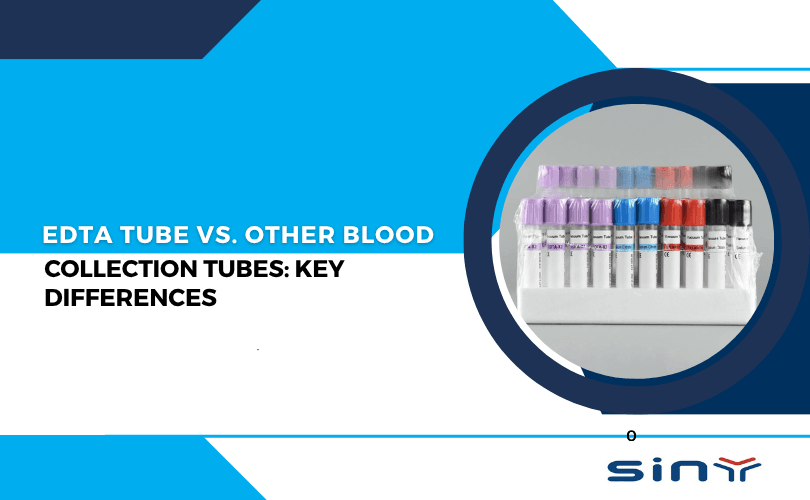
EDTA Tube vs. Other Blood Collection Tubes: Key Differences
Additives and Anticoagulants
Among all blood collection tubes, EDTA tubes stand out because of their strong calcium-binding ability. This prevents clotting completely.
Other tubes use different additives:
- Serum tubes: no anticoagulant
- Heparin tubes: heparin
- Citrate tubes: sodium citrate
- Fluoride tubes: sodium fluoride
Each additive changes how the blood behaves after collection.
Sample Type Produced
Different blood collection tubes produce different sample types:
- EDTA tubes: whole blood
- Serum tubes: serum
- Heparin tubes: plasma
- Citrate tubes: plasma
This distinction is crucial because some tests require intact cells, while others require clear fluid.
Test Applications
EDTA tubes are primarily used for hematology, including CBC and blood smear analysis. You can learn more in this guide on top uses of EDTA tubes.
In contrast:
- Serum tubes support hormone and enzyme testing
- Citrate tubes are used for clotting studies
- Heparin tubes assist in electrolyte analysis
Each type of tube is tailored for specific diagnostic purposes.
Clotting Behavior
Clotting behavior varies significantly among blood collection tubes.
EDTA tubes prevent clotting entirely. Serum tubes allow it to occur naturally. Citrate tubes slow the process, while heparin inhibits it through a different mechanism.
This difference directly affects laboratory procedures.
Preservation of Blood Cells
EDTA tubes are unmatched when it comes to preserving blood cell structure. They maintain cell morphology for extended periods, making them ideal for microscopic analysis.
Other tubes do not offer the same level of cellular preservation.
Comparison Table of Blood Collection Tubes
| Feature | EDTA Tubes | Serum Tubes | Heparin Tubes | Citrate Tubes |
|---|---|---|---|---|
| Additive | EDTA | None | Heparin | Sodium Citrate |
| Sample Type | Whole Blood | Serum | Plasma | Plasma |
| Clotting | Prevented | Allowed | Prevented | Slowed |
| Main Use | Hematology | Biochemistry | Chemistry | Coagulation |
| Cell Preservation | Excellent | Low | Moderate | Moderate |
EDTA Tube Variations
EDTA tubes are not all the same. The two most common types are K2 and K3 EDTA tubes.
Each has unique characteristics that affect sample handling. For a detailed comparison, visit this K2 vs K3 EDTA tube guide.
Choosing the Right Size in Blood Collection Tubes
The size of blood collection tubes also plays a critical role in maintaining the correct blood-to-additive ratio.
Helpful resources include:
Incorrect sizing can dilute or concentrate additives, affecting results.
Proper Use of Blood Collection Tubes
Using blood collection tubes correctly is just as important as selecting the right type.
After collection:
- Gently invert tubes to mix additives
- Avoid shaking to prevent hemolysis
- Follow recommended fill levels
For detailed steps, refer to how to use an EDTA tube.
Advantages of EDTA Tubes in Blood Collection
When discussing blood collection tubes, EDTA tubes offer several advantages.
They provide excellent preservation of cellular components. They ensure consistent results in hematology tests. They also reduce the risk of clot-related errors.
These benefits make them a cornerstone in diagnostic laboratories.
Limitations of EDTA Tubes
Despite their strengths, EDTA tubes are not suitable for all tests.
They interfere with calcium measurement and certain enzyme assays. They are also not used for coagulation studies.
This highlights the importance of choosing the right blood collection tubes for each test.
Future of Blood Collection Tubes
The future of blood collection tubes is evolving with advancements in materials and technology.
Innovations include improved vacuum systems, eco-friendly materials, and better additive formulations. These changes aim to enhance accuracy and reduce environmental impact.
Learn more in this future trends article.
Where to Buy Quality Blood Collection Tubes
Reliable sourcing is essential for maintaining lab standards.
You can explore trusted suppliers through:
Additional resources include Siny Medical EDTA tubes and their youtube.com@sinymedical.
Summary
blood collection tubes is essential for accurate diagnostics. EDTA tubes stand out for their role in preserving blood cells, while other tubes serve specialized purposes.
Choosing the correct tube ensures reliable results, efficient workflows, and better patient care. By mastering the differences between these tubes, laboratories can significantly reduce errors and improve diagnostic accuracy
FAQs
Q. What are blood collection tubes used for?
A. Blood collection tubes are used to collect, store, and transport blood samples for diagnostic testing, ensuring accurate laboratory results.
Q. Why are EDTA tubes important among blood collection tubes?
A. Among all blood collection tubes, EDTA tubes are crucial because they preserve blood cells and prevent clotting for hematology tests.
Q. Can all tests use the same blood collection tubes?
A. No, different blood collection tubes are designed for specific tests, and using the wrong type can lead to inaccurate results.
Q. What happens if blood collection tubes are used incorrectly?
A. Improper use of blood collection tubes can cause sample contamination, clotting, or incorrect test results.
Q. How do I choose the right blood collection tubes?
A. Choosing the right blood collection tubes depends on the test type, required sample, and laboratory guidelines.