EDTA Tubes in Hematology play a critical role in ensuring accurate and reliable blood test results. Among all laboratory tests, the Complete Blood Count (CBC) is one of the most commonly requested. It provides vital information about red blood cells, white blood cells, and platelets. However, the accuracy of this test depends heavily on the type of blood collection tube used.
This is where EDTA tubes stand out. Designed specifically to preserve blood cells and prevent clotting, they have become the gold standard in hematology laboratories worldwide. In this in-depth guide, we will explore why EDTA Tubes in Hematology are essential for CBC testing, how they work, and how to choose and use them correctly.
If you want to explore high-quality options, visit the EDTA Tube official website or browse available products here.
What Are EDTA Tubes in Hematology?
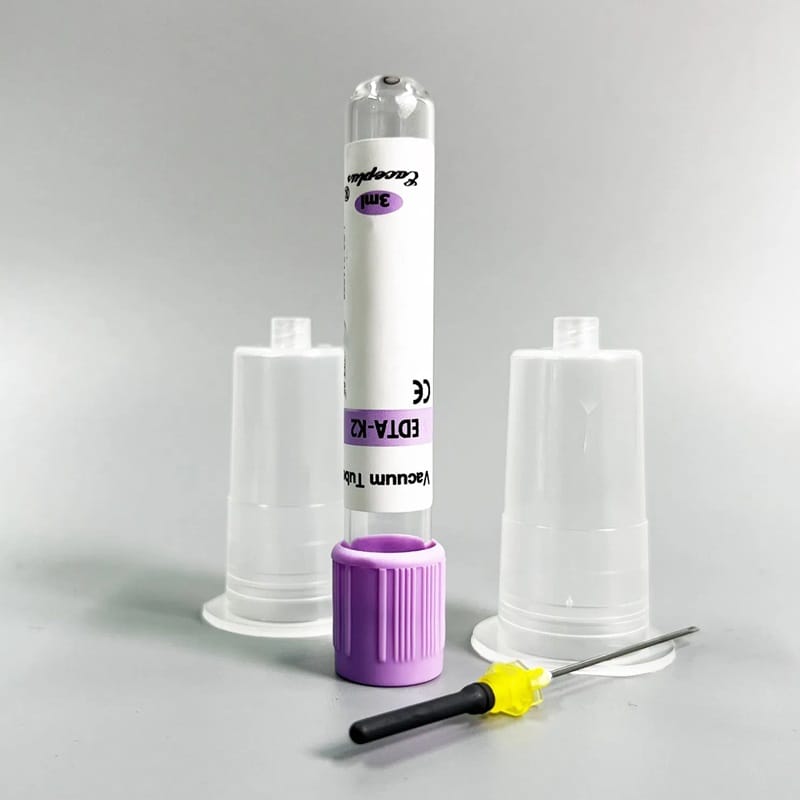
EDTA Tubes in Hematology are blood collection tubes that contain Ethylenediaminetetraacetic acid (EDTA), a powerful anticoagulant. EDTA works by binding calcium ions in the blood, which are necessary for clotting. By removing calcium from the equation, EDTA effectively prevents coagulation.
This unique property allows blood cells to remain intact and suspended in plasma, making EDTA tubes ideal for hematological analysis.
To understand more about specialized products, check out the EDTA tube category or learn more from Siny Medical’s EDTA tube guide.
What Is a CBC Test and Why It Matters
A Complete Blood Count (CBC) is a fundamental diagnostic test used to evaluate overall health and detect a wide range of conditions, including anemia, infections, and blood disorders.
You can learn more about this test here Complete Blood Count (CBC)
The test measures:
- Red blood cell count (RBC)
- White blood cell count (WBC)
- Hemoglobin levels
- Hematocrit
- Platelet count
For these measurements to be accurate, blood cells must remain unchanged from the moment of collection. This is precisely why EDTA Tubes in Hematology are indispensable.
Why EDTA Tubes in Hematology Are Used for CBC Tests
Prevention of Blood Clotting
The primary reason for using EDTA Tubes in Hematology is their ability to prevent clotting completely. Unlike other anticoagulants, EDTA binds calcium irreversibly, ensuring that clot formation does not occur.
This allows laboratories to analyze whole blood samples without interference.
Preservation of Cell Morphology
Another critical advantage of EDTA Tubes in Hematology is their ability to preserve the natural shape and structure of blood cells.
This is essential for:
- Microscopic examination
- Automated cell counting
- Identifying abnormalities
Without proper preservation, cells can shrink, swell, or break down, leading to inaccurate results.
Compatibility with Automated Analyzers
Modern hematology analyzers are calibrated to work with EDTA-treated blood. This compatibility ensures consistent and reliable results across laboratories.
Because of this standardization, EDTA Tubes in Hematology are universally accepted in clinical settings.
Stability of Blood Samples
EDTA helps maintain sample stability for several hours after collection. This is especially important in busy laboratories or when samples must be transported.
Stable samples reduce the need for recollection and improve workflow efficiency.
Types of EDTA Tubes Used in Hematology
Not all EDTA tubes are identical. The most common types include:
K2 EDTA Tubes
These tubes contain dipotassium EDTA and are widely used due to their excellent solubility and minimal impact on cell volume.
K3 EDTA Tubes
These contain tripotassium EDTA and are often used in liquid form. However, they may slightly dilute the blood sample.
Understanding the differences helps laboratories select the most suitable option. For more details, explore:EDTA tubes for hematology testing
Comparison: EDTA vs Other Anticoagulants
To fully understand the importance of EDTA Tubes in Hematology, it helps to compare them with other anticoagulants.
| Feature | EDTA | Heparin | Citrate |
|---|---|---|---|
| Clot Prevention | Strong | Moderate | Mild |
| Cell Preservation | Excellent | Moderate | Moderate |
| Best Use | Hematology (CBC) | Chemistry | Coagulation |
| Interference | Minimal | Possible | Dilution effect |
This comparison highlights why EDTA remains the preferred choice for CBC testing.
How to Use EDTA Tubes Correctly
Proper handling is essential to maximize the benefits of EDTA Tubes in Hematology.
After collecting blood, gently invert the tube 8–10 times. This ensures proper mixing of blood with the anticoagulant.
Avoid shaking the tube, as it can damage blood cells and cause hemolysis.
For a detailed step-by-step guide, visit:How to use an EDTA tube
Choosing the Right EDTA Tube Size
Selecting the correct tube size is crucial for maintaining the proper blood-to-additive ratio.
Common sizes include:
- 2ml
- 3ml
- 4ml
- 5ml
- 10ml
You can learn more from these helpful resources:
Using the wrong size can compromise test accuracy.
Advantages of EDTA Tubes in Hematology
The widespread use of EDTA Tubes in Hematology is due to several key benefits.
They provide excellent preservation of blood cells. They ensure consistent results across different laboratories. They also reduce the risk of clot formation, which can interfere with analysis.
Additionally, EDTA tubes are cost-effective and widely available, making them practical for routine testing.
Limitations of EDTA Tubes
Despite their advantages, EDTA tubes are not suitable for all tests.
They can interfere with calcium measurements and certain enzyme assays. They are also not used for coagulation studies, where citrate tubes are preferred.
Understanding these limitations helps ensure proper usage.
Real-World Importance in Laboratory Practice
In everyday laboratory operations, EDTA Tubes in Hematology are indispensable.
They are used in hospitals, diagnostic labs, and research facilities worldwide. Their reliability and consistency make them the standard choice for CBC testing.
According to laboratory studies, proper use of EDTA tubes significantly reduces pre-analytical errors, which account for a large portion of diagnostic inaccuracies.
Future of EDTA Tubes in Hematology
The future of EDTA Tubes in Hematology looks promising.
Advancements in technology are leading to:
- Improved tube materials
- Enhanced vacuum systems
- Eco-friendly manufacturing
To explore upcoming trends, visit Future of EDTA blood collection tubes
Summary
EDTA Tubes in Hematology are essential tools for accurate CBC testing. Their ability to prevent clotting, preserve cell structure, and ensure consistent results makes them the gold standard in diagnostic laboratories.
While other tubes serve different purposes, EDTA tubes remain unmatched for hematological analysis. By understanding their role and using them correctly, laboratories can improve accuracy, efficiency, and patient care. You can also watch demonstrations on youtube@sinymedical or explore manufacturing details at sinymedical.en.made-in-china
FAQs
Q. Why are EDTA tubes used in hematology for CBC tests?
A. EDTA Tubes in Hematology are used because they prevent clotting and preserve blood cells, ensuring accurate CBC results.
Q. What makes EDTA better than other anticoagulants?
A. EDTA Tubes in Hematology provide superior cell preservation compared to heparin or citrate, making them ideal for blood analysis.
Q. Can EDTA tubes be used for all blood tests?
A. No, EDTA Tubes in Hematology are specifically designed for hematology tests and are not suitable for calcium or coagulation studies.
Q. How should EDTA tubes be handled after collection?
A. Proper handling of EDTA Tubes in Hematology includes gentle inversion to mix the anticoagulant without damaging cells.
Q. What happens if EDTA tubes are not used for CBC tests?
A. Without EDTA Tubes in Hematology, blood may clot or cells may degrade, leading to inaccurate CBC results.