The healthcare industry is evolving rapidly, and EDTA blood collection tubes remain at the forefront of diagnostic advancements. As we approach 2026, new trends and innovations are shaping the future of these essential tools. This blog explores the future of EDTA blood collection tubes, highlighting their evolving role in diagnostics, emerging technologies, and industry trends. Whether you’re a healthcare professional or a student, this guide provides valuable insights into the future of EDTA tubes and their impact on patient care.
EDTA Blood Collection Tubes?
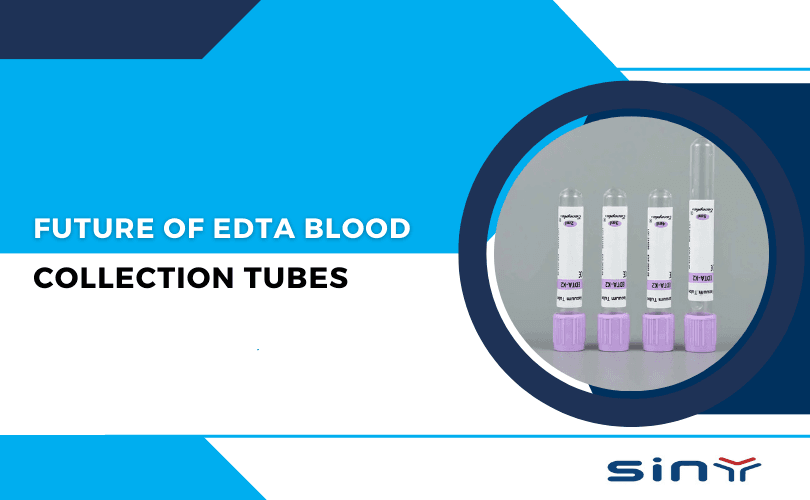
EDTA blood collection tubes are specialized tubes containing Ethylenediaminetetraacetic Acid (EDTA), an anticoagulant that prevents blood clotting. These tubes are widely used in hematology and molecular diagnostics, ensuring accurate test results by maintaining blood in a liquid state. Identified by their lavender or pink caps, EDTA tubes are a staple in clinical laboratories.
For more details on EDTA tubes, visit our page on EDTA Tube Products.
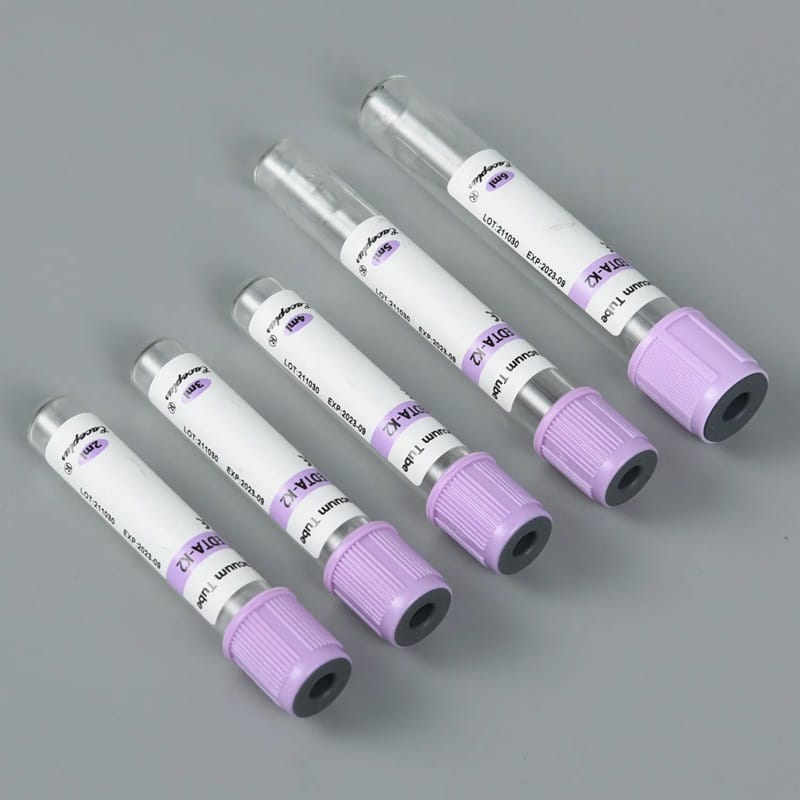
The Role of EDTA Tubes in Modern Diagnostics
EDTA tubes are indispensable in various diagnostic fields, including hematology, oncology, and molecular diagnostics. Below are their primary applications:
- Complete Blood Count (CBC): Used to measure red blood cells, white blood cells, hemoglobin, hematocrit, and platelets.
- Blood Smear Examination: Helps analyze the morphology of blood cells.
- Hemoglobin Electrophoresis: Diagnoses hemoglobinopathies like sickle cell anemia.
- Flow Cytometry: Used in immunophenotyping for conditions like leukemia.
- Molecular Diagnostics: Essential for genetic testing and infectious disease detection.
For a deeper dive into molecular diagnostics, explore our guide on EDTA Tubes and Molecular Diagnostics.
How Global Healthcare Is Influencing the Future of EDTA Blood Collection Tubes
The COVID-19 pandemic, precision medicine, and molecular testing demands have rapidly changed how EDTA tubes are used in labs. For example, the article below explains how EDTA tubes became essential in viral testing workflows
By 2026, major industry shifts will influence EDTA manufacturing trends, including:
-
Future-oriented quality certifications
-
Improved anticoagulant formulations
-
Strengthened tube material and chemical stability
-
Higher compatibility with automation
-
Expanded global distribution networks
-
Increased demand for molecular-grade EDTA tubes
Further information on quality standards used in modern tube manufacturing can be explored at:
The 3 Main Veins Used for Blood Collection and Their Role in Technological Advancements
Understanding venipuncture remains essential for the future of blood collection tools. For reference, venipuncture is thoroughly explained in the global medical database here
The three primary veins used for blood draws include:
1. Median Cubital Vein
Located at the antecubital fossa, this is the most preferred vein for routine phlebotomy. Its size, location, and stability make it highly compatible with vacuum-based EDTA tubes.
2. Cephalic Vein
Common in patients with challenging venous access. It supports modern blood collection devices due to its depth and defined structure.
3. Basilic Vein
Used when the other two veins are not accessible. As blood draw technologies improve—including digital vein-finding devices—basilic vein punctures will also become safer.
Newer EDTA tube designs are expected to support comfortable, low-pressure draws that work well even with fragile veins, pediatric veins, or geriatric patients.
Emerging Trends in EDTA Blood Collection Tubes
As we look ahead to 2026, several trends are shaping the future of EDTA blood collection tubes:
1. Automation and Robotics
Automation is revolutionizing blood collection processes, reducing human error and improving efficiency. Automated systems are being developed to handle EDTA tubes, ensuring precise sample collection and processing.
2. Advanced Materials
New materials are being introduced to enhance the durability and performance of EDTA tubes. These materials ensure better anticoagulation and reduce the risk of contamination.
3. Integration with Digital Health
EDTA tubes are being integrated with digital health platforms, enabling real-time tracking and analysis of blood samples. This integration improves patient monitoring and diagnostic accuracy.
4. Sustainability Initiatives
The healthcare industry is focusing on sustainability, leading to the development of eco-friendly EDTA tubes. These tubes are designed to minimize environmental impact without compromising performance.
For more insights into quality standards, visit our page on SINY EDTA Tubes Quality Standards and Certifications.
Types of Blood Collection Tubes and Their Uses
EDTA tubes are one of several types of blood collection tubes, each designed for specific tests. Below are the main types and their uses:
- EDTA Tubes: Used for hematology tests like CBC and blood smear examination.
- Serum Tubes: Used for chemistry tests requiring serum.
- Heparin Tubes: Used for plasma tests in chemistry and immunology.
- Citrate Tubes: Used for coagulation tests like PT and APTT.
- Fluoride Tubes: Used for glucose testing.
For a detailed comparison, visit our guide on EDTA Tubes vs Other Blood Collection Tubes.
Blood Collection Procedure Step-by-Step
Proper blood collection is essential for accurate test results. Below is a step-by-step guide:
- Patient Preparation: Verify patient identity and explain the procedure.
- Equipment Setup: Gather necessary equipment, including EDTA tubes, needles, and tourniquets.
- Venipuncture: Identify the vein and perform venipuncture using aseptic techniques.
- Sample Collection: Fill the EDTA tube to the required volume.
- Post-Procedure Care: Label the tube, apply pressure to the puncture site, and dispose of sharps safely.
For more details on venipuncture, refer to this external resource.
Blood Collection Veins Name
The choice of vein for blood collection depends on accessibility and patient comfort. Below are the three main veins used:
- Median Cubital Vein: The most commonly used vein, located in the antecubital fossa.
- Cephalic Vein: Located on the lateral side of the arm, used when the median cubital vein is inaccessible.
- Basilic Vein: Located on the medial side of the arm, used as a last resort due to its proximity to nerves and arteries.
Vacutainer Blood Collection Tubes Color Code
Vacutainer tubes are color-coded to indicate their contents and uses. Below is the color code for common tubes:
- Lavender/Pink: EDTA tubes for hematology tests.
- Red: Serum tubes for chemistry tests.
- Green: Heparin tubes for plasma tests.
- Blue: Citrate tubes for coagulation tests.
- Gray: Fluoride tubes for glucose testing.
For more information, visit our EDTA Tube Category.
Summary
EDTA blood collection tubes are essential tools in modern diagnostics, with a promising future shaped by automation, advanced materials, and digital health integration. Nurses and healthcare professionals must stay updated on these trends to ensure accurate and efficient patient care.
For more information on EDTA tubes and related products, visit EDTA Tube Products or explore our EDTA Tube Category.
If you have further questions, feel free to Contact Us.
FAQs
Q1: What is the future of EDTA blood collection tubes?
A: The future includes automation, advanced materials, digital health integration, and sustainability initiatives.
Q2: What are the main veins used for blood collection?
A: The median cubital, cephalic, and basilic veins are the main veins used.
Q3: What is the color code for EDTA tubes?
A: EDTA tubes are identified by lavender or pink caps.
Q4: What tests are performed using EDTA tubes?
A: EDTA tubes are used for CBC, blood smear examination, hemoglobin electrophoresis, and molecular diagnostics.
Q5: How does EDTA prevent blood clotting?
A: EDTA binds calcium ions, which are essential for the coagulation process.