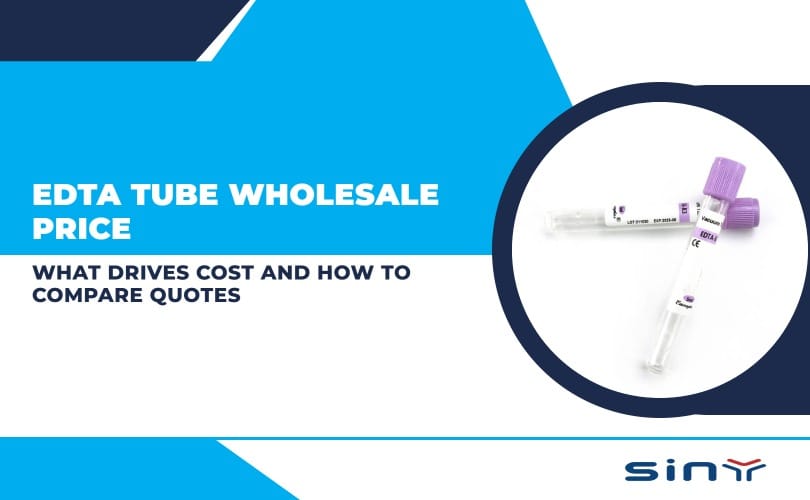
EDTA Tubes for Hematology:When it comes to hematology, EDTA tubes are indispensable tools for accurate blood cell analysis. These tubes, containing the anticoagulant ethylenediaminetetraacetic acid (EDTA), are specifically designed to preserve blood samples for hematological tests, such as complete blood counts (CBC). Whether you’re a healthcare professional or a lab technician, understanding the role of EDTA tubes for hematology is crucial for ensuring precise diagnostics and patient care.
In this comprehensive guide, we’ll explore everything you need to know about EDTA tubes for hematology, from their uses and benefits to how they compare with other blood collection tubes. We’ll also address common questions and provide practical tips for selecting the right EDTA tube size for your needs.
EDTA Tubes for Hematology: Essential Blood Cell Analysis
Accurate blood testing is a cornerstone of modern healthcare, and EDTA tubes for hematology play a vital role in ensuring reliable results. From routine health checkups to critical medical diagnostics, these tubes are widely used in laboratories worldwide. They prevent blood coagulation, preserve cellular components, and provide clinicians with precise data for diagnosis and treatment planning.
In this article, we will explore EDTA tubes for hematology, their types, uses, benefits, and practical tips for selecting the right tube for various blood tests. We’ll also compare them with other blood collection tubes to help you make an informed decision.

What Are EDTA Tubes for Hematology?
EDTA (Ethylenediaminetetraacetic acid) tubes are specialized blood collection tubes coated with an anticoagulant called EDTA. This chemical binds calcium in the blood, preventing clotting and ensuring that blood cells remain intact for accurate hematological analysis.
These tubes are particularly essential for tests that require whole blood, such as Complete Blood Count (CBC), reticulocyte count, and hemoglobin measurement. According to Wikipedia, CBC is one of the most commonly performed laboratory tests globally, used to monitor health and detect a range of disorders.
Key advantages of EDTA tubes for hematology include:
- Preventing blood clotting to preserve sample integrity
- Ensuring accurate counts of red blood cells, white blood cells, and platelets
- Compatibility with automated hematology analyzers
- Minimal interference with cellular morphology
For more details about the use of EDTA tubes in laboratory testing, you can visit this guide.
Types of EDTA Tubes and Their Applications
EDTA tubes come in various sizes and formats to meet different testing needs. Selecting the right tube is critical for accuracy.
K2 EDTA Tubes
These tubes contain dipotassium EDTA and are widely used for routine hematology testing. They are ideal for automated analyzers and manual cell counts.
K3 EDTA Tubes
Tripotassium EDTA tubes are often used for specialized hematology testing. They provide slightly higher anticoagulant concentration, which is suitable for high-volume laboratories.
Liquid EDTA Tubes
Liquid EDTA tubes allow for easier blood mixing and reduce the risk of hemolysis during collection. They are commonly used in pediatric or geriatric patients.
Spray-Dried EDTA Tubes
These tubes contain EDTA in a dry coating, which minimizes sample dilution. They are suitable for high-precision hematology testing.
For a detailed comparison of EDTA tube sizes and types, you can refer to EDTA Tube Sizes Explained.
How EDTA Tubes Are Used in Hematology Testing
Proper usage of EDTA tubes is essential to ensure the accuracy of blood tests. Here’s a step-by-step overview of the process:
- Collection: Blood is drawn using a sterile needle into the EDTA tube.
- Mixing: The tube is gently inverted 8–10 times to ensure the anticoagulant mixes thoroughly with the blood.
- Storage: Samples should be stored at recommended temperatures (usually 2–8°C) and analyzed within a specific time frame to prevent degradation.
- Analysis: The blood sample is processed using automated hematology analyzers or manual techniques for cell counting, morphology examination, and other tests.
Incorrect handling, such as overfilling, underfilling, or improper mixing, can lead to inaccurate results. For best practices, visit EDTA Tubes for Hematology Testing.
EDTA Tubes vs. Other Blood Collection Tubes
While EDTA tubes are ideal for hematology, other tubes serve different purposes in blood testing:
| Tube Type | Anticoagulant/Coating | Best Use Case | Notes |
|---|---|---|---|
| EDTA (K2/K3) | EDTA | CBC, hematology analysis | Maintains cell morphology; prevents clotting |
| Heparin | Heparin | Biochemistry, plasma assays | Can interfere with some hematology tests |
| Citrate | Sodium citrate | Coagulation studies | Must be filled accurately to maintain ratio |
| Serum (Red Top) | None | Chemistry tests, serology | Allows blood to clot for serum separation |
For a deeper dive into comparisons, check EDTA Tubes vs Other Blood Collection Tubes.
Choosing the Right EDTA Tube for Your Lab
Selecting the correct tube depends on several factors:
- Test Type: CBC requires K2 or K3 EDTA. Reticulocyte counts may need specialized tubes.
- Patient Volume: Pediatric patients often require 2–3 ml tubes, while adult samples may need 5–10 ml.
- Analyzer Compatibility: Ensure the tube is compatible with automated analyzers.
- Storage and Transport: Some EDTA tubes offer better stability for transport over long distances.
More guidance on tube selection is available at What Size EDTA Tube Should You Use.
Advantages of Using EDTA Tubes for Hematology
EDTA tubes provide multiple benefits for laboratories and healthcare providers:
- Accurate Cell Counts: Preserves red and white blood cells, ensuring precise measurements.
- Longer Sample Stability: Samples remain analyzable for extended periods.
- Reduced Interference: Minimal effect on cell morphology and chemistry compared to other anticoagulants.
- Ease of Use: Simple collection and mixing procedures improve workflow efficiency.
These advantages make EDTA tubes the first choice in hematology testing across clinical and research laboratories worldwide.
Mistakes to Avoid When Using EDTA Tubes
Even with the best tubes, errors in handling can compromise results:
- Overfilling or underfilling tubes: Alters the anticoagulant-to-blood ratio.
- Excessive shaking: Can cause hemolysis, affecting test accuracy.
- Using expired tubes: Reduces the effectiveness of the anticoagulant.
- Delaying analysis: Some hematology parameters degrade if not tested promptly.
Following proper protocols ensures accurate, reliable results every time.
Best Practices for Laboratory Professionals
Laboratories can maximize EDTA tube performance by implementing the following practices:
- Use standardized collection procedures for all staff.
- Ensure timely transport to the testing area.
- Maintain temperature control during storage.
- Record tube lot numbers and expiration dates to ensure traceability.
For comprehensive guidelines, see Sinymedical EDTA Tube Guide.
Applications of EDTA Tubes Beyond Hematology
While primarily used for hematology, EDTA tubes are also beneficial in:
- Molecular Diagnostics: Preserving DNA/RNA integrity in certain blood tests.
- Flow Cytometry: Preventing cell aggregation for immune profiling.
- Research Studies: Maintaining sample quality for longitudinal studies.
Their versatility makes EDTA tubes essential tools in both clinical and research laboratories.
Summary
EDTA tubes for hematology are essential tools for accurate blood cell analysis. Their ability to prevent clotting and preserve cell integrity makes them indispensable for tests like CBC and peripheral blood smears. By understanding their uses, types, and best practices, healthcare professionals can ensure precise diagnostics and improved patient outcomes.
For more information on EDTA tubes, explore our comprehensive guide at EDTA Tube Types and Uses.
FAQs
What is the main purpose of EDTA tubes for hematology?
EDTA tubes for hematology are primarily used to prevent blood clotting and preserve cell integrity, ensuring accurate blood cell analysis.
Can EDTA tubes be used for all blood tests?
No, EDTA tubes are specifically designed for hematology tests like CBC. For serum chemistry or coagulation studies, other tubes are recommended.
How long can blood samples stay in EDTA tubes before testing?
Blood in EDTA tubes typically remains stable for 24–48 hours at 2–8°C, depending on the test. Prompt analysis ensures the most accurate results.
What is the difference between K2 and K3 EDTA tubes?
K2 EDTA tubes contain dipotassium EDTA and are common for routine testing. K3 EDTA tubes contain tripotassium EDTA, suitable for high-volume or specialized tests.
Are EDTA tubes compatible with automated hematology analyzers?
Yes, they are fully compatible and widely used in automated analyzers for precise cell counting and morphology assessment.
For more information on EDTA tubes contact us guidelines, see Sinymedical EDTA Tube Guide.