In modern clinical laboratories, accurate blood collection is crucial for diagnostic testing, research, and patient care. One of the most essential tools for hematology testing is the EDTA Lavender Top Tube. Known for its reliability in preserving blood samples, this tube has become a standard in hospitals, diagnostic centers, and research laboratories worldwide. Understanding the properties, uses, and best practices of the EDTA Lavender Top Tube can ensure precise results and streamline laboratory workflows.
If you are a healthcare professional, phlebotomist, or laboratory technician, this comprehensive guide will provide you with everything you need to know about EDTA tubes—from their chemical properties to practical handling tips.
What is an EDTA Lavender Top Tube?
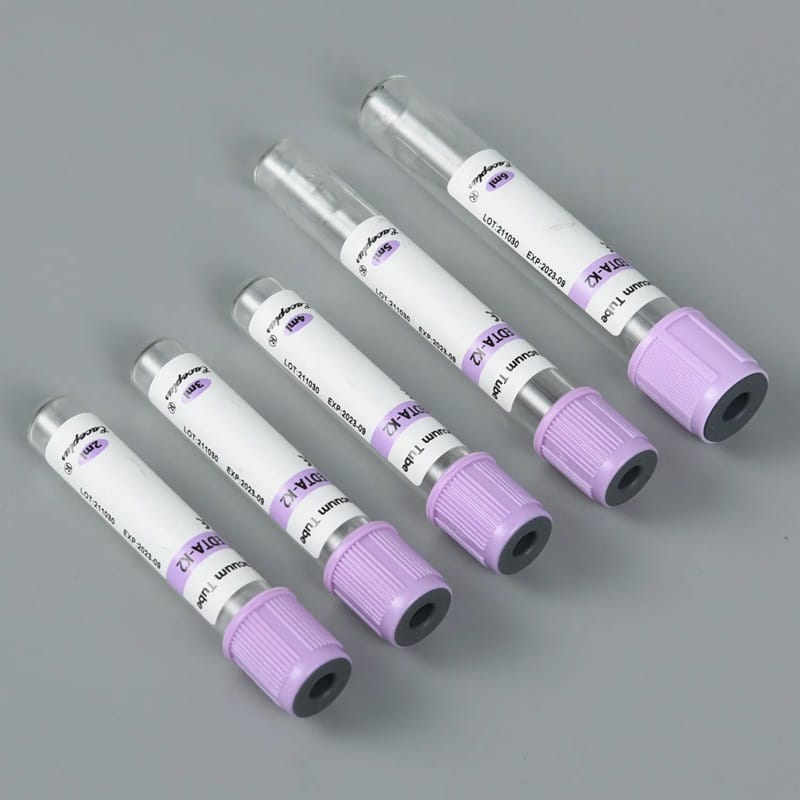
The EDTA Lavender Top Tube is a blood collection tube pre-filled with Ethylenediaminetetraacetic acid (EDTA), an anticoagulant that prevents blood from clotting. The distinctive lavender or purple cap makes it easily identifiable in the laboratory. EDTA works by binding calcium ions in the blood, which are necessary for the clotting process. This makes it particularly effective for hematology tests like complete blood counts (CBC), reticulocyte counts, and other cell-based analyses.
Unlike serum tubes, EDTA tubes do not allow clot formation, ensuring that the sample remains in its whole blood state for accurate measurement of blood cells. EDTA is also preferred because it maintains cellular morphology and prevents platelet aggregation, which is critical for accurate microscopic evaluation.
For more information on EDTA tube applications, you can explore Siny Medical EDTA Tubes.
Composition and Mechanism
EDTA tubes contain:
- EDTA solution (usually K2EDTA or K3EDTA): The anticoagulant that chelates calcium.
- Plastic or glass tube: Provides a sterile environment for blood collection.
- Vacuum system: Ensures the correct volume of blood is drawn automatically.
The mechanism of EDTA involves chelating divalent cations, primarily calcium, which are essential in the coagulation cascade. By removing calcium, EDTA effectively halts clot formation, preserving the blood in its native state. This property is particularly important for hematological testing, where clotting can destroy or alter cells, leading to inaccurate results.
For a more detailed explanation, you can visit EDTA in a Lavender Top Tube: Purpose.
Uses of the EDTA Lavender Top Tube
The EDTA Lavender Top Tube is versatile and widely used for various laboratory tests:
- Complete Blood Count (CBC): This is the most common use. EDTA preserves red blood cells, white blood cells, and platelets for accurate counting. Learn more about CBC testing with EDTA tubes at Siny CBC Testing Guide.
- Hemoglobin A1c Testing: EDTA tubes stabilize hemoglobin, enabling accurate measurement of long-term glucose levels.
- Blood Smear and Morphology Studies: Because EDTA prevents clotting and preserves cellular integrity, it is ideal for preparing blood smears for microscopic analysis.
- DNA and RNA Analysis: EDTA preserves nucleic acids, making it suitable for molecular testing and genetic studies.
- Special Hematology Tests: EDTA tubes are preferred for tests requiring platelet counts, reticulocyte counts, and other specialized cell-based analyses.
Differences Between Lavender and Purple Top Tubes
While often used interchangeably, there are subtle differences between lavender and purple top tubes. Both contain EDTA, but lavender tubes usually contain K2EDTA, whereas purple tubes may contain K3EDTA. The choice between them often depends on laboratory protocols and the intended test. For a detailed comparison, you can check Purple Top vs Lavender Top Blood Tubes.
Selecting the Right EDTA Tube Size
EDTA tubes come in various volumes, including 2ml, 3ml, 4ml, 5ml, 6ml, and 10ml. The tube size should be selected based on:
- The volume of blood needed for testing
- The type of analyzer used in the lab
- Patient age and condition (e.g., pediatric or adult patients)
For guidance, see Choosing Between 2ml, 3ml, 4ml, and 5ml EDTA Tubes.
How to Use an EDTA Lavender Top Tube
Proper usage of the EDTA Lavender Top Tube ensures sample integrity. Here are the recommended steps:
- Labeling: Clearly label the tube before drawing blood.
- Venipuncture: Use standard aseptic techniques for venipuncture.
- Filling: Allow the vacuum to fill the tube to the indicated mark. Avoid underfilling or overfilling.
- Mixing: Gently invert the tube 8–10 times to mix the EDTA with the blood. Avoid shaking vigorously, which can cause hemolysis.
- Storage: Store samples at room temperature and analyze within the recommended time (usually within 24 hours for CBC).
For detailed instructions, visit How to Use an EDTA Tube.
Advantages of EDTA Lavender Top Tubes
EDTA tubes are preferred for several reasons:
- Preserves Cellular Integrity: Maintains morphology for accurate hematology testing.
- Prevents Clotting: Ideal for whole blood analysis.
- Versatility: Suitable for CBC, molecular testing, and platelet counts.
- Ease of Use: Vacuum tubes simplify blood collection.
- Cost-Effective: Widely available and affordable for routine laboratory testing.
Issues and Troubleshooting
While EDTA tubes are reliable, improper handling can lead to errors:
- Underfilling or Overfilling: Can alter the blood-to-anticoagulant ratio, affecting test results.
- Excessive Shaking: Can cause hemolysis and cellular damage.
- Delayed Analysis: Prolonged storage may affect certain parameters, particularly white blood cell morphology.
- Contamination: Using non-sterile techniques can compromise sample integrity.
Adhering to proper collection and handling procedures ensures accurate results. More best practices can be found at How to Select the Right EDTA Tube Size for Your Test.
EDTA Tube Storage and Shelf Life
EDTA tubes are generally stable for months under proper storage conditions. Key storage guidelines include:
- Temperature: Store at 4–25°C (39–77°F)
- Light Exposure: Keep away from direct sunlight
- Expiration: Always check the expiration date before use
- Handling: Avoid dropping or shaking the tube to maintain vacuum integrity
Following these guidelines minimizes sample degradation and ensures accurate laboratory results.
Comparing EDTA Tubes with Other Anticoagulant Tubes
| Tube Type | Anticoagulant | Primary Use | Pros | Cons |
|---|---|---|---|---|
| EDTA Lavender Top Tube | K2EDTA/K3EDTA | CBC, morphology, DNA analysis | Preserves cells, prevents clotting | Not suitable for coagulation tests |
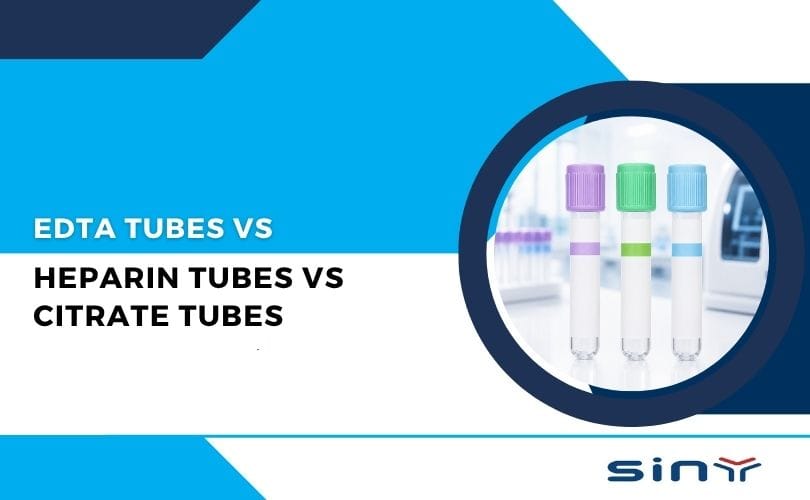
| Sodium Citrate Tube (Blue) | Sodium citrate | Coagulation studies | Accurate for clotting tests | Can dilute sample |
| Heparin Tube (Green) | Lithium/Na Heparin | Chemistry panels | Rapid anticoagulation | Can interfere with some assays |
| Serum Tube (Red/Gold) | None | Biochemistry tests, serology | Allows clotting, serum separation | Not for hematology tests |
This comparison highlights why EDTA Lavender Top Tubes are the gold standard for hematology testing.
Future of EDTA Blood Collection
Advances in blood collection technology continue to improve laboratory workflows. EDTA Lavender Top Tubes are being optimized for:
- Enhanced sterility
- Pre-measured anticoagulant volumes for accuracy
- Compatibility with automated analyzers
- Environmentally friendly and biodegradable materials
For emerging trends, see Future of EDTA Blood Collection Tubes 2026.
Where to Buy EDTA Lavender Top Tubes
For healthcare facilities and laboratories, sourcing high-quality EDTA tubes is essential. Reliable suppliers offer tubes that meet regulatory standards, have consistent anticoagulant concentrations, and maintain vacuum integrity.
Some recommended options include:
- 3ml Lavender Top EDTA Tubes
- Siny Medical Lavender EDTA Vacuum Blood Collection Tube
- Explore more products at EDTA Tube Product Category
For bulk orders or inquiries, you can Contact Us.
Advantages of Choosing High-Quality EDTA Tubes
High-quality tubes offer several advantages:
- Reliable test results: Consistent anticoagulant concentration prevents variation.
- Reduced hemolysis: Smooth vacuum draw minimizes cellular damage.
- Compatibility with analyzers: Standardized tubes ensure accuracy with automated hematology analyzers.
- Regulatory compliance: Certified tubes meet ISO and FDA standards.
Tips for Healthcare Professionals
- Always check the expiration date before use.
- Follow proper mixing techniques to ensure even anticoagulant distribution.
- Avoid using EDTA tubes for coagulation studies, as it may interfere with clotting measurements.
- Use the correct tube size based on the test requirement and patient condition.
For more guidance, read How to Use an EDTA Tube.
Summary
The EDTA Lavender Top Tube is a critical tool in modern hematology. From preserving cellular integrity to preventing clotting, it ensures accurate and reliable blood test results. Understanding its proper usage, storage, and advantages allows healthcare professionals to maintain high standards of patient care. Choosing high-quality EDTA tubes, adhering to proper handling protocols, and staying updated with laboratory best practices will help optimize testing accuracy and efficiency.
For more information on EDTA tubes and purchasing options, visit EDTA Tubes Products.
FAQs
What is the main purpose of an EDTA Lavender Top Tube?
The main purpose of an EDTA Lavender Top Tube is to prevent blood clotting and preserve cellular components for accurate hematology testing, such as complete blood counts.
Can EDTA tubes be used for coagulation tests?
No. EDTA tubes are not suitable for coagulation tests because the anticoagulant binds calcium, which is essential for clot formation. Use a sodium citrate tube instead.
How should an EDTA Lavender Top Tube be stored?
EDTA tubes should be stored at 4–25°C, away from direct sunlight, and handled gently to maintain vacuum integrity. Proper storage ensures accurate results.
What happens if an EDTA tube is underfilled?
Underfilling an EDTA Lavender Top Tube can alter the blood-to-anticoagulant ratio, leading to inaccurate results, particularly for CBC and platelet counts.
Are there different types of EDTA in lavender tubes?
Yes. Lavender tubes may contain either K2EDTA or K3EDTA. Both prevent clotting, but K2EDTA is more commonly used in automated hematology testing.
How long can blood stay in an EDTA tube before analysis?
Blood in EDTA tubes is stable for up to 24 hours at room temperature for routine CBC tests. For molecular testing, shorter storage times may be preferred.