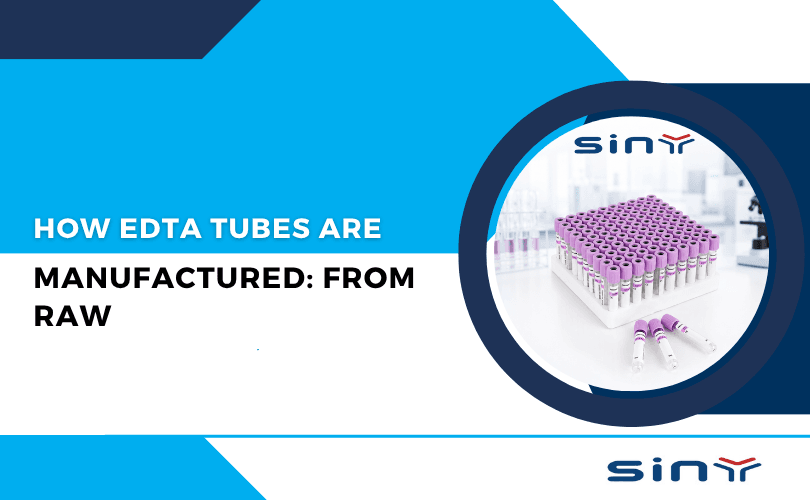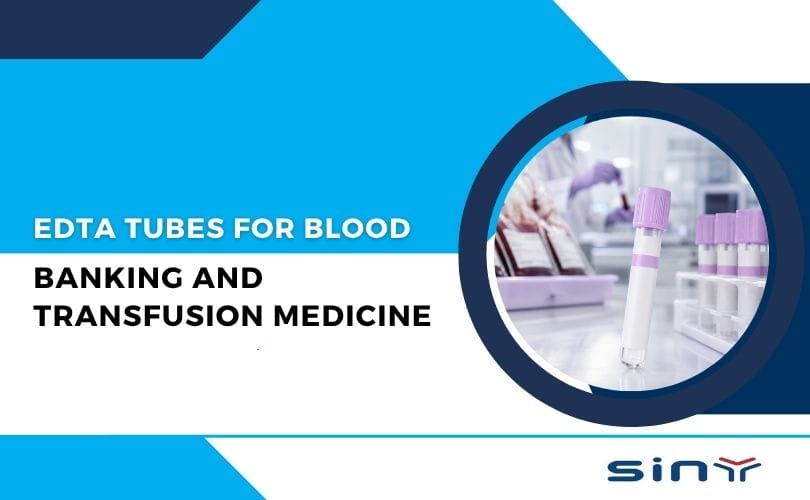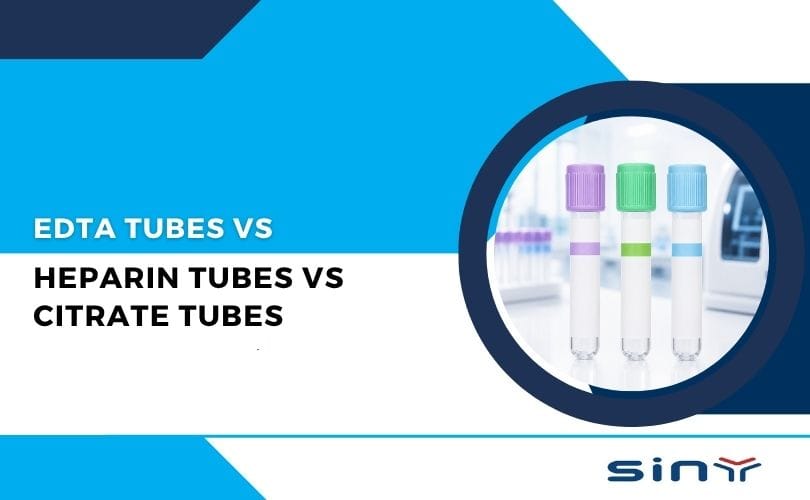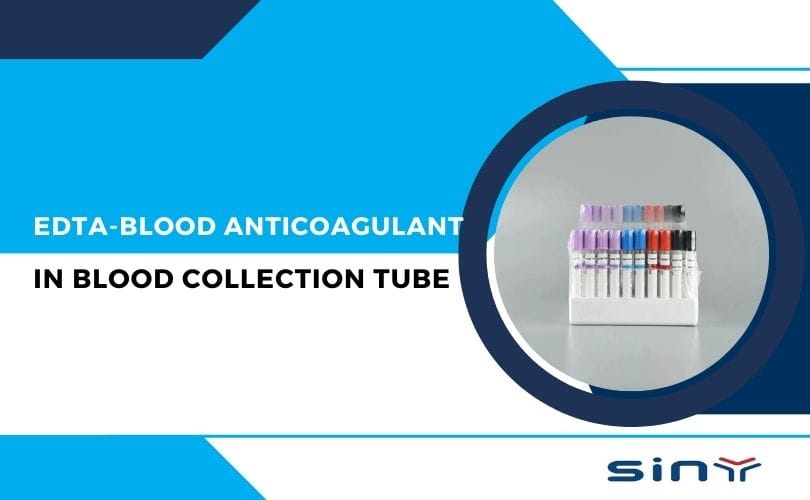
In clinical laboratories, the color of a blood collection tube immediately signals its purpose. Among these tubes, the Lavender EDTA Tube stands out as one of the most widely used in hematology testing. Laboratory professionals rely on it daily because it preserves blood cells and prevents clotting, ensuring accurate results for many diagnostic procedures.
The Lavender EDTA Tube contains ethylenediaminetetraacetic acid (EDTA), a powerful anticoagulant that binds calcium in blood. Since calcium plays a key role in clotting, removing it keeps the blood in a liquid state. This allows scientists and clinicians to analyze cells and other components with precision.
Modern healthcare systems perform millions of blood tests every day. Many of them depend on the Lavender EDTA Tube to maintain sample integrity. In fact, tests like the Complete Blood Count (CBC) are among the most commonly ordered medical tests worldwide, according to the overview of a Complete blood count.
In this guide, we explore 15 common laboratory tests that use a Lavender EDTA Tube, why these tests rely on EDTA, and how laboratories ensure accurate results using these specialized blood collection tubes.
For detailed product specifications and technical information, you can explore the main EDTA Tube resource center where laboratories and healthcare professionals learn about EDTA blood collection systems.
What Is a Lavender EDTA Tube?
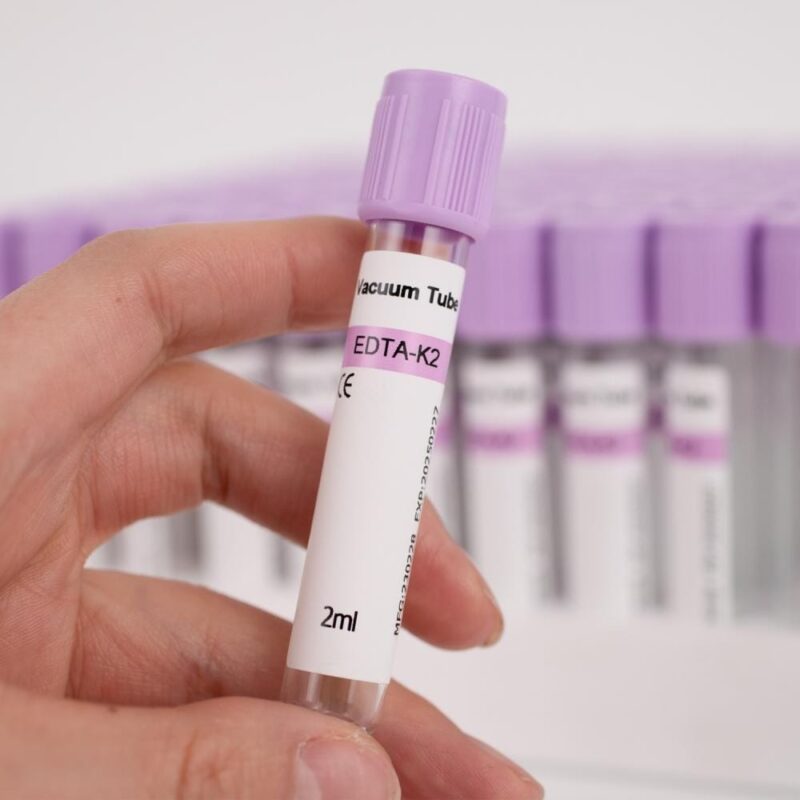
A Lavender EDTA Tube is a blood collection tube used primarily for hematology testing. The tube contains EDTA, which prevents clot formation by binding calcium ions.
Because clotting can distort blood cell measurements, EDTA ensures the cells remain intact for laboratory analysis.
These tubes are essential for tests that measure:
- Red blood cells
- White blood cells
- Platelets
- Hemoglobin concentration
- Cell morphology
Many laboratories use automated analyzers that require anticoagulated blood samples. The Lavender EDTA Tube provides the ideal sample environment.
Manufacturers such as Siny Medical produce these tubes under strict medical standards to ensure consistent quality and accuracy.
Why Laboratories Prefer the Lavender EDTA Tube
Before examining specific tests, it is helpful to understand why laboratories choose the Lavender EDTA Tube over other anticoagulant tubes.
Excellent Cell Preservation
EDTA preserves the structure of blood cells better than most anticoagulants. Red cells maintain their shape, and platelets remain separate rather than clumping.
Accurate Hematology Results
Automated blood analyzers rely on stable cell structures. EDTA allows precise counting and classification.
Global Standardization
The lavender or purple color is internationally recognized in laboratory medicine. Technicians can quickly identify the Lavender EDTA Tube among multiple tube types.
If you’re interested in the science behind this tube, the article EDTA in a lavender top tube purpose explains how EDTA works inside the sample.
15 Common Tests That Use a Lavender EDTA Tube
Many laboratory tests depend on EDTA-treated blood. The following tests represent the most frequently performed procedures using a Lavender EDTA Tube.
1. Complete Blood Count (CBC)
The Complete Blood Count (CBC) is the most common test performed using a Lavender EDTA Tube.
This test evaluates the overall health of blood by measuring several components:
- Red blood cells
- White blood cells
- Hemoglobin
- Hematocrit
- Platelets
Doctors use CBC results to diagnose infections, anemia, leukemia, and many other conditions.
Because CBC requires intact cells, EDTA provides the ideal anticoagulant environment.
2. Hemoglobin Test
A hemoglobin test measures the oxygen-carrying protein in red blood cells.
The Lavender EDTA Tube ensures the red blood cells remain stable so laboratory instruments can measure hemoglobin accurately.
Low hemoglobin levels often indicate anemia, blood loss, or nutritional deficiencies.
3. Hematocrit Test
Hematocrit determines the percentage of red blood cells in total blood volume.
For example, if the hematocrit is 45%, then 45% of the blood consists of red cells.
The Lavender EDTA Tube prevents clotting, allowing laboratories to separate plasma and cells during analysis.
4. White Blood Cell Count
White blood cells play a vital role in the immune system.
A white blood cell count helps physicians detect infections, inflammation, or immune disorders.
Since EDTA preserves cellular integrity, the Lavender EDTA Tube ensures accurate counting of these immune cells.
5. Platelet Count
Platelets help the body form blood clots and stop bleeding.
Doctors monitor platelet levels to detect bleeding disorders or bone marrow problems.
The Lavender EDTA Tube prevents platelet aggregation, which ensures reliable platelet counts.
6. Red Blood Cell Count
Red blood cell counts measure the number of oxygen-carrying cells in blood.
Abnormal RBC levels can indicate anemia, dehydration, or bone marrow disorders.
EDTA keeps the cells suspended in plasma, making the Lavender EDTA Tube the standard collection method.
7. Blood Smear Examination
A blood smear involves spreading a drop of blood across a microscope slide.
Pathologists examine the slide to study cell morphology and detect abnormalities.
Since the Lavender EDTA Tube preserves cell structure, it is the preferred sample source.
8. Reticulocyte Count
Reticulocytes are immature red blood cells produced by bone marrow.
A reticulocyte count helps doctors evaluate how quickly the body produces new red cells.
The Lavender EDTA Tube maintains these delicate cells so they can be measured accurately.
9. Erythrocyte Sedimentation Rate (ESR)
ESR measures how quickly red blood cells settle in a test tube.
An elevated ESR can indicate inflammation, infection, or autoimmune disease.
Although citrate tubes are sometimes used, many laboratories also use a Lavender EDTA Tube for ESR measurements.
10. Glycated Hemoglobin (HbA1c)
HbA1c tests monitor long-term blood sugar control in diabetic patients.
The Lavender EDTA Tube preserves hemoglobin molecules, allowing laboratories to measure glucose attachment to red cells.
This test reflects average blood sugar levels over the previous three months.
11. Blood Parasite Testing
Diseases such as malaria require microscopic detection of parasites in blood.
Because EDTA preserves cellular components, the Lavender EDTA Tube is often used for parasite screening.
12. Sickle Cell Screening
Sickle cell disease affects the shape of red blood cells.
Laboratories analyze blood samples to detect abnormal hemoglobin structures.
The Lavender EDTA Tube maintains red cell morphology, making diagnosis more accurate.
13. Flow Cytometry Analysis
Flow cytometry identifies specific cell populations using fluorescent markers.
Researchers often collect samples in a Lavender EDTA Tube to maintain cell viability during analysis.
14. Blood Group and Crossmatching Preparation
Some laboratories use EDTA samples during compatibility testing before blood transfusions.
The Lavender EDTA Tube helps prevent clotting that could interfere with testing.
15. Molecular Diagnostic Tests
Modern molecular testing sometimes requires whole blood samples preserved with EDTA.
DNA extraction and genetic testing often begin with samples collected in a Lavender EDTA Tube.
Comparison of Common Tests Using Lavender EDTA Tubes
| Test | Purpose | Why EDTA Is Used |
|---|---|---|
| CBC | Overall blood analysis | Preserves blood cells |
| Hemoglobin | Oxygen-carrying protein | Maintains red cell integrity |
| Platelet Count | Clotting ability | Prevents platelet clumping |
| Blood Smear | Microscopic cell examination | Maintains cell shape |
| HbA1c | Diabetes monitoring | Stabilizes hemoglobin |
Choosing the Right Lavender EDTA Tube
Laboratories must select the correct tube size and additive concentration.
Common sizes include 2 ml, 3 ml, 4 ml, and 5 ml tubes.
For example, the 3ml lavender top EDTA tubes are commonly used for routine hematology testing.
If you’re unsure which size works best, the guide choosing between 2ml, 3ml, 4ml, and 5ml EDTA tubes explains the differences.
You can also explore available products in the EDTA tube product category or browse the full product catalog.
How to Use a Lavender EDTA Tube Properly
Proper handling is essential to maintain sample accuracy.
After blood collection, technicians gently invert the Lavender EDTA Tube several times to mix the anticoagulant with the blood.
This process prevents clot formation and ensures uniform distribution of EDTA.
Detailed instructions are available in the guide on how to use an EDTA tube.
Laboratories also follow strict order-of-draw protocols to avoid cross-contamination between tube additives.
The Future of EDTA Blood Collection Technology
The demand for reliable blood testing continues to grow as healthcare expands worldwide.
Innovations in blood collection include improved vacuum technology, enhanced plastic materials, and automation-friendly designs.
Experts predict that the Lavender EDTA Tube will remain a core component of diagnostic laboratories. New manufacturing standards and automation systems will further improve testing accuracy.
You can explore emerging trends in the article future of EDTA blood collection tubes 2026.
Industry resources such as Siny Medical’s YouTube channel also provide educational demonstrations about laboratory equipment and blood collection techniques.
Summary
The Lavender EDTA Tube is one of the most essential tools in modern clinical laboratories. By preventing clotting and preserving blood cells, it enables accurate testing across a wide range of diagnostic procedures.
From routine tests like CBC and hemoglobin measurements to advanced procedures such as flow cytometry and molecular diagnostics, the Lavender EDTA Tube plays a vital role in patient care.
As laboratory technology evolves, the importance of this specialized blood collection tube continues to grow. For laboratories seeking reliable products or technical guidance, the EDTA Tube platform provides extensive resources, product information, and expert support. If you need further assistance, you can also reach out through the contact page.
FAQs
What is a Lavender EDTA Tube used for?
A Lavender EDTA Tube is used primarily for hematology testing, including CBC, platelet counts, and hemoglobin analysis because EDTA prevents blood clotting and preserves cells.
Why do laboratories prefer the Lavender EDTA Tube?
Laboratories prefer the Lavender EDTA Tube because EDTA maintains cell integrity, prevents clotting, and ensures accurate hematology test results.
Can the Lavender EDTA Tube be used for chemistry tests?
Generally, the Lavender EDTA Tube is not used for most chemistry tests because EDTA binds metal ions and can interfere with certain biochemical measurements.
What happens if blood is not mixed properly in a Lavender EDTA Tube?
If the blood is not mixed gently after collection, clots may form in the Lavender EDTA Tube, which can invalidate laboratory results.
Are there different sizes of Lavender EDTA Tubes?
Yes. The Lavender EDTA Tube comes in multiple sizes, including 2 ml, 3 ml, 4 ml, 5 ml, and larger research tubes depending on the testing requirement.