Modern healthcare relies heavily on accurate laboratory diagnostics. Among the many specialized fields in medicine, transfusion services require the highest standards of safety and precision. One small mistake during a blood typing procedure can lead to catastrophic consequences for a patient. For this reason, laboratory professionals choose their collection tools with extreme care. The selection of an appropriate EDTA tube for blood banking serves as the foundation for safe, reliable immunohematology testing.
When a phlebotomist draws blood for blood grouping, crossmatching, or antibody screening, the integrity of the cellular components is vital. Whole blood must remain in a stable, unclotted state from the exact moment of collection until analysis. An EDTA tube for blood banking ensures this stability by preventing the coagulation cascade while perfectly preserving red blood cell antigens. Healthcare providers across the globe recognize the vital nature of this simple glass or plastic vial.
Understanding the technical mechanisms, size configurations, and clinical protocols associated with these tubes elevates the quality of laboratory operations. If you want to optimize your laboratory supplies, exploring the full inventory at the EDTA Tube main portal provides an excellent starting point. Let us explore the extensive role these purple-capped essentials play in modern transfusion medicine.
What Are EDTA Tubes?

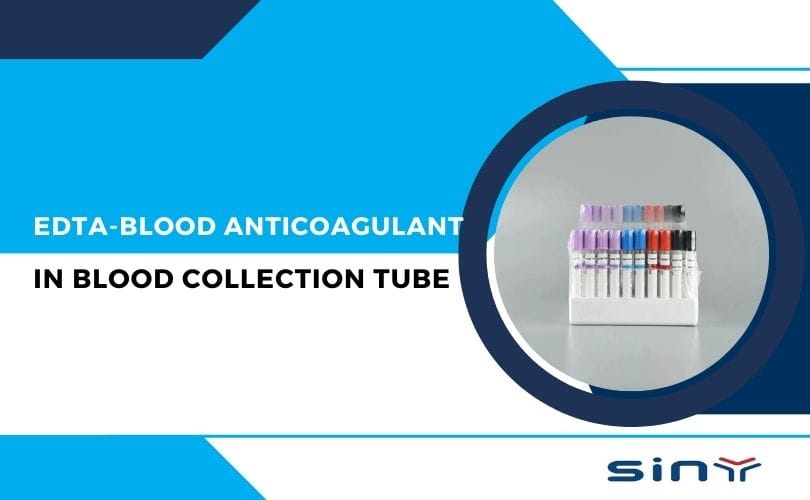
An EDTA tube is a specialized blood collection tube widely used in hematology, transfusion medicine, and diagnostic laboratories. EDTA stands for Ethylenediaminetetraacetic acid, a chelating agent that binds calcium ions in the blood. By removing calcium, EDTA prevents clotting and keeps blood samples stable for accurate testing.
These tubes are easily recognized by their lavender or purple caps. Inside, the walls are coated with either K2 EDTA or K3 EDTA, both of which act as anticoagulants. The choice between K2 and K3 depends on laboratory protocols, but both ensure that red blood cells, white blood cells, and platelets remain intact during analysis.
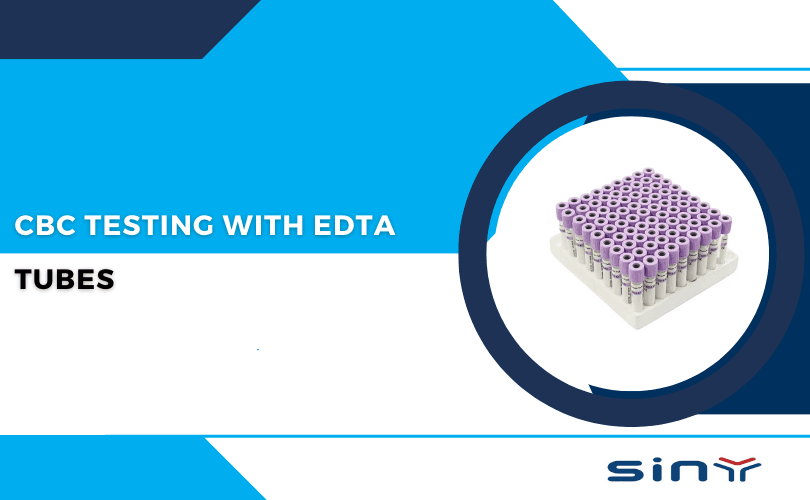
EDTA tubes are essential for tests such as complete blood counts (CBC), crossmatching in transfusion medicine, and genetic or molecular studies. Their reliability makes them the preferred option in hospitals and research centers worldwide.
Importance of EDTA Tube for Blood Banking
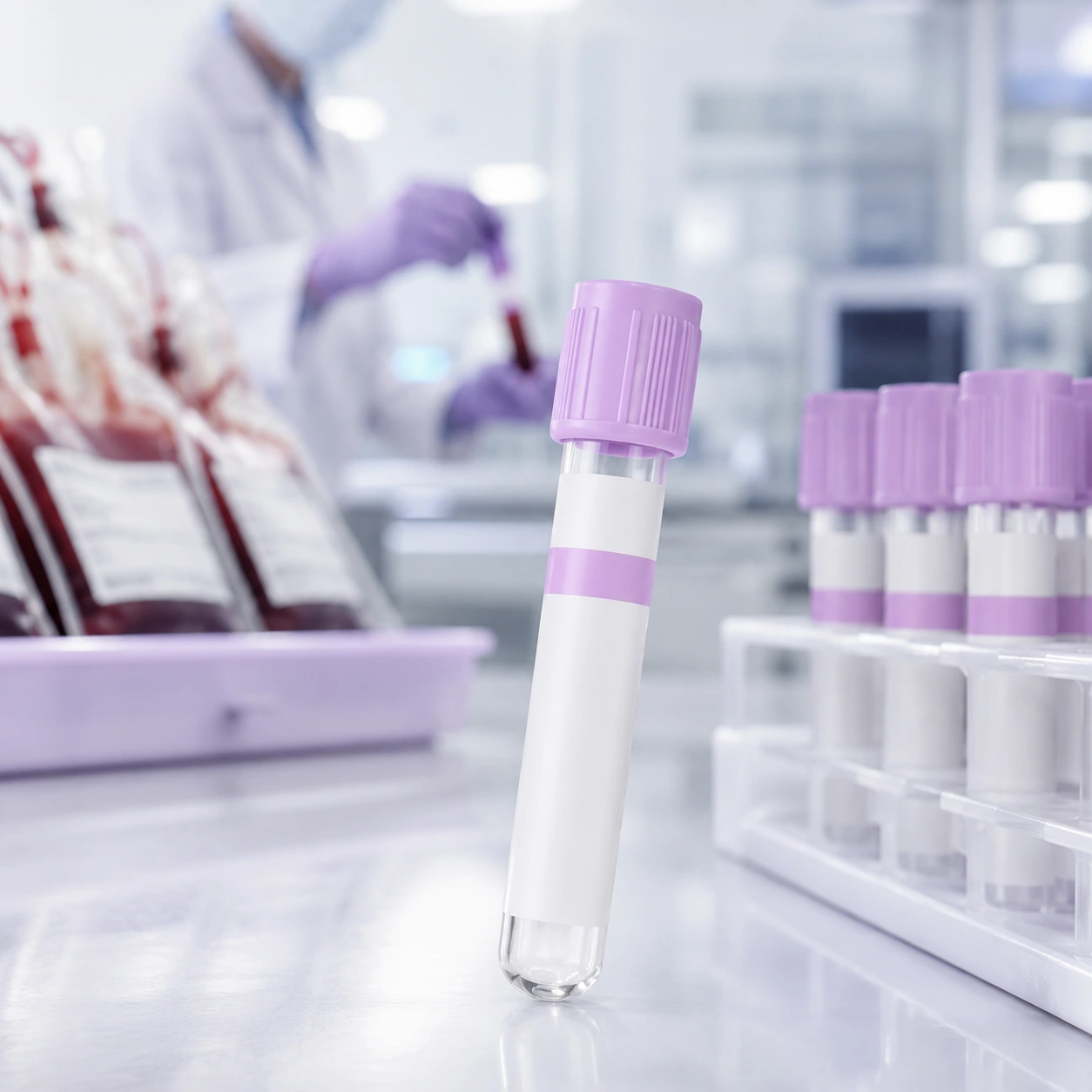
An EDTA tube for blood banking is essential for safe transfusion medicine. It uses spray-dried anticoagulants to bind calcium, preventing clotting while perfectly preserving fragile red blood cell antigens and plasma antibodies. This ensures flawless blood typing, crossmatching, and donor screening without cellular shrinkage or distortion. To maintain the highest clinical standards and avoid pre-analytical errors, laboratories must select premium, precisely manufactured collection vials. You can browse our complete inventory of configurations and dimensions on the official EDTA Tube products page. For bulk ordering or bulk pricing inquiries, please reach out via our dedicated EDTA Tube contact page and Learn why EDTA tubes are preferred in blood banking.
EDTA Tubes in Transfusion Medicine
In transfusion medicine, the EDTA tube for blood banking is indispensable. These lavender-capped tubes contain Ethylenediaminetetraacetic acid, which binds calcium ions and prevents clotting. By stabilizing blood samples, EDTA tubes allow laboratories to perform essential procedures such as crossmatching, antibody screening, and complete blood counts with accuracy.
The strength of EDTA tubes lies in their ability to preserve cell morphology. Red blood cells remain intact, white blood cells stay stable, and platelet counts are maintained. This preservation is crucial for transfusion compatibility testing, where even minor inaccuracies could lead to serious reactions. For pediatric transfusion medicine, specialized EDTA tubes in pediatric blood collection ensure safe sampling with minimal blood volume. Larger tubes, such as 10ml, are often used in advanced studies requiring more sample volume, as explained in the EDTA tube size guide.
EDTA Tube Sizes in Blood Banking
Different transfusion procedures require different tube sizes See EDTA tube size guide.
| Tube Size | Common Use | Notes |
|---|---|---|
| 2ml | Pediatric transfusion testing | Small volume collection |
| 3ml–5ml | Routine donor screening | Most common |
| 10ml | Specialized transfusion studies | Larger sample volume |
Why Choose the Right EDTA Tube for Blood Banking?
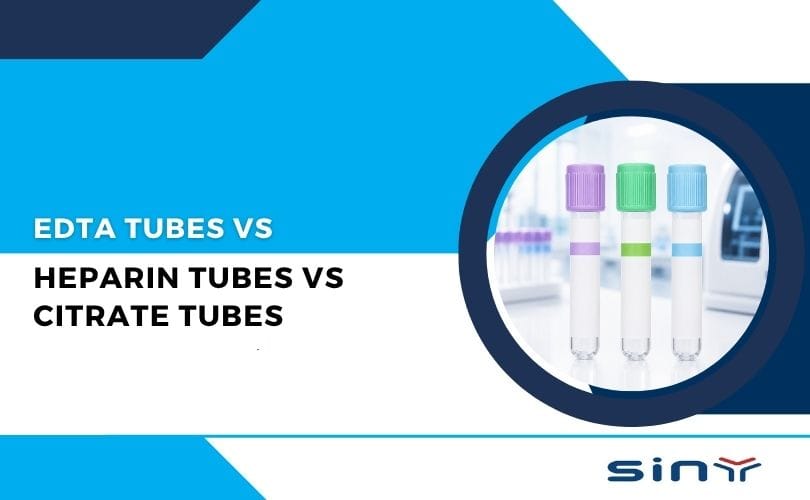
Clinical laboratories face multiple choices when purchasing collection supplies. However, transfusion services maintain strict protocols that favor specific anticoagulants over others. Heparin, for example, prevents clotting by accelerating antithrombin activity, but it frequently interferes with polymerase chain reactions and causes background staining in certain assays. Sodium citrate preserves clotting factors for coagulation profiles but dilutes the specimen too much for accurate cell counting.
For these reasons, selecting a dedicated EDTA tube for blood banking stands as the industry standard. This specific formulation avoids the dilution issues associated with liquid anticoagulants because manufacturers spray-dry the EDTA onto the interior walls of the vial. Consequently, the blood-to-additive ratio remains flawless, preserving the exact concentration of antibodies and antigens. Furthermore, laboratory technicians can rely on the chemical stability provided by these specialized tubes. When analyzing rare blood types or searching for weak antibodies, any minor chemical artifact can skew the results. Investing in a premium EDTA tube for blood banking removes these variables from the testing environment, ensuring consistent, reproducible results every time.
You can view the comprehensive manufacturing standards and detailed specifications by exploring the EDTA Tube specialized products catalog.
Summary
The EDTA tube for blood banking is a cornerstone of transfusion medicine. By preventing clotting and preserving cell integrity, these tubes ensure accurate donor screening, antibody detection, and compatibility testing. Their reliability protects patients from transfusion risks and supports safe medical practices worldwide. Whether for routine blood banking or pediatric collections, EDTA tubes remain the trusted choice.
To available options, visit the product page or connect directly through the contact page for expert assistance.
FAQs
Q1: Why is the EDTA tube for blood banking preferred over other anticoagulants?
A: The EDTA tube for blood banking is preferred because it preserves cell morphology and prevents clotting without interfering with transfusion testing.
Q2: Can EDTA tubes be used for plasma preparation in transfusion medicine?
A: Yes, the EDTA tube for blood banking stabilizes plasma, making it suitable for antibody screening and compatibility tests.
Q3: What size EDTA tube is best for donor screening?
A: Routine donor screening typically uses 3ml–5ml EDTA tube for blood banking, ensuring sufficient volume for multiple tests.
Q4: How long can blood samples remain stable in EDTA tubes?
A: Samples collected in an EDTA tube for blood banking remain stable for 24–48 hours, depending on storage conditions.
Q5: Are EDTA tubes safe for pediatric transfusion testing?
A: Yes, specialized pediatric EDTA tube for blood banking ensures safe collection with minimal blood volume.